Las nuevas formas de vida y consumo están empujando hacia la desaparición a oficios tradicionales que durante siglos, sostuvieron la identidad cultural de muchas comunidades y que hoy cuentan con reconocimiento como Bien de Interés Cultural o Patrimonio Cultural Inmaterial.
En el umbral del olvido retrata a los últimos trabajadores en activo de estos oficios a través de retratos y de la documentación directa de los procesos de trabajo, en un momento crítico para su continuidad.
El proyecto pone el foco en la pérdida acelerada de patrimonio cultural inmaterial y en las personas que aún lo sostienen con su trabajo cotidiano, antes de que ese conocimiento desaparezca definitivamente.
Emerging patterns of life and consumption are driving traditional trades toward disappearance—trades that sustained the cultural identity of many communities for centuries and are now recognized as Cultural Heritage Assets or Intangible Cultural Heritage.
On the Threshold of Oblivion portrays the last active practitioners of these trades through portraiture and direct documentation of their working processes, at a critical moment for their survival.
The project focuses on the rapid loss of intangible cultural heritage and on the people who continue to uphold it through their daily work, before this knowledge disappears for good.
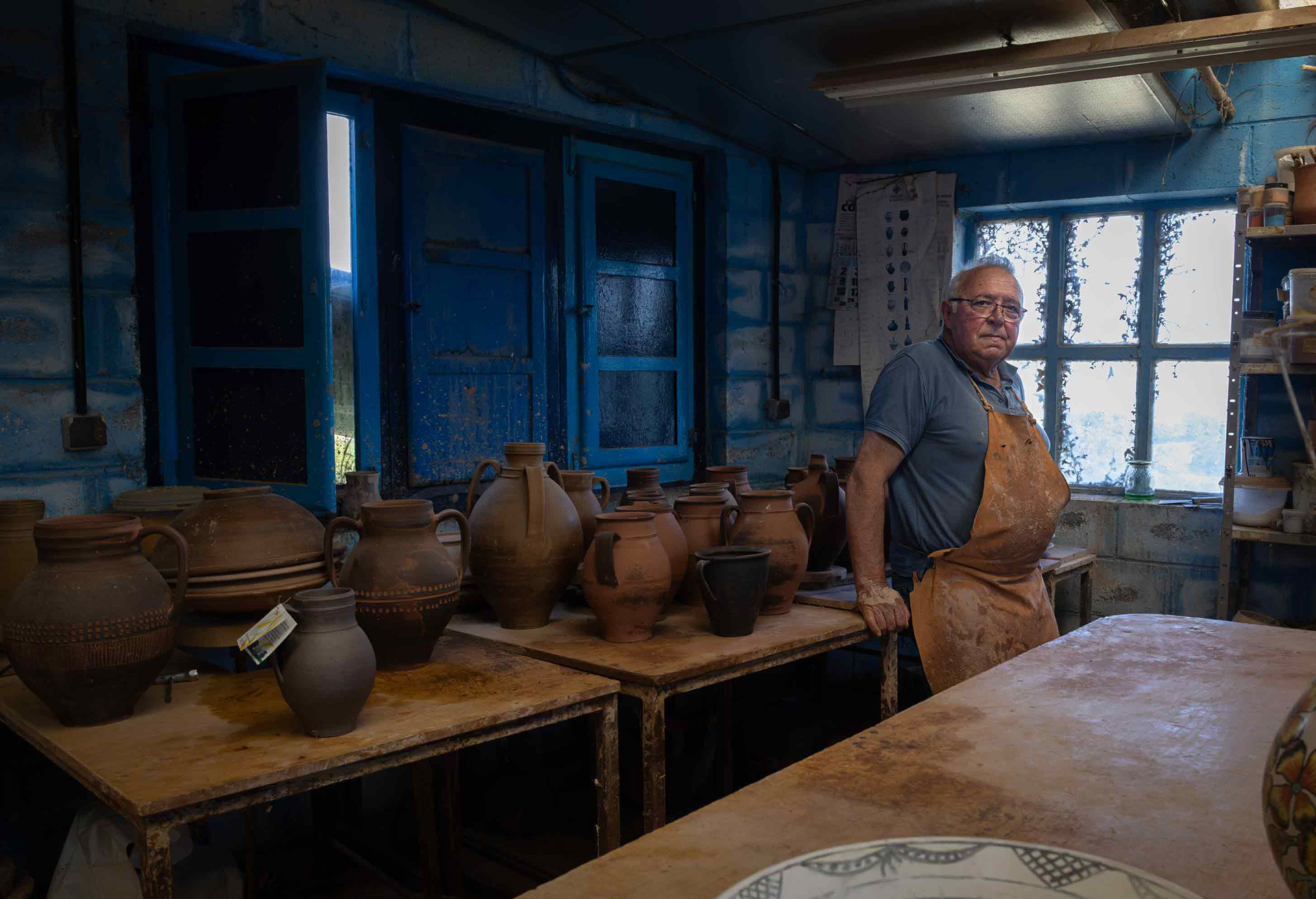
Selito, el último alfarero de Faro
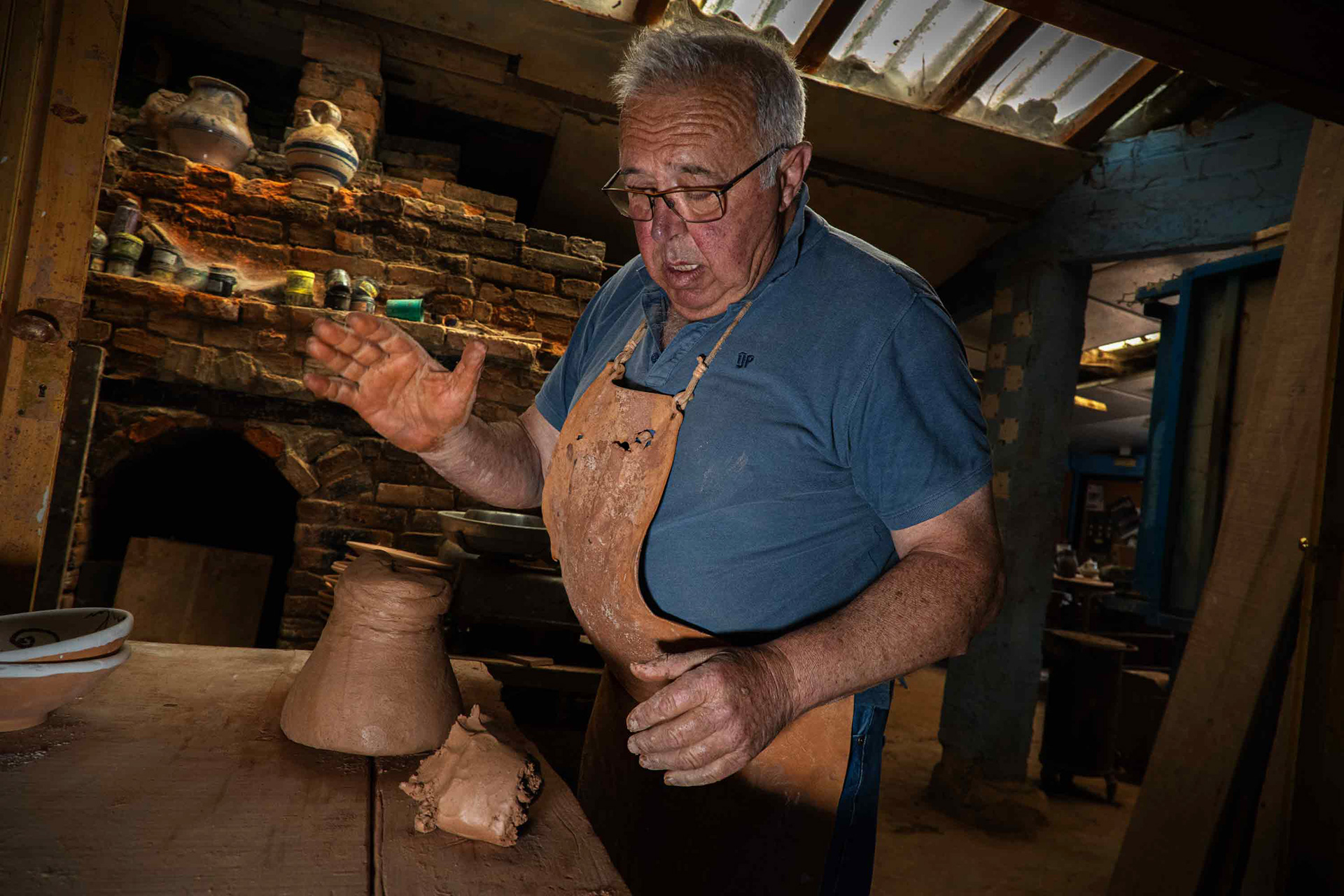
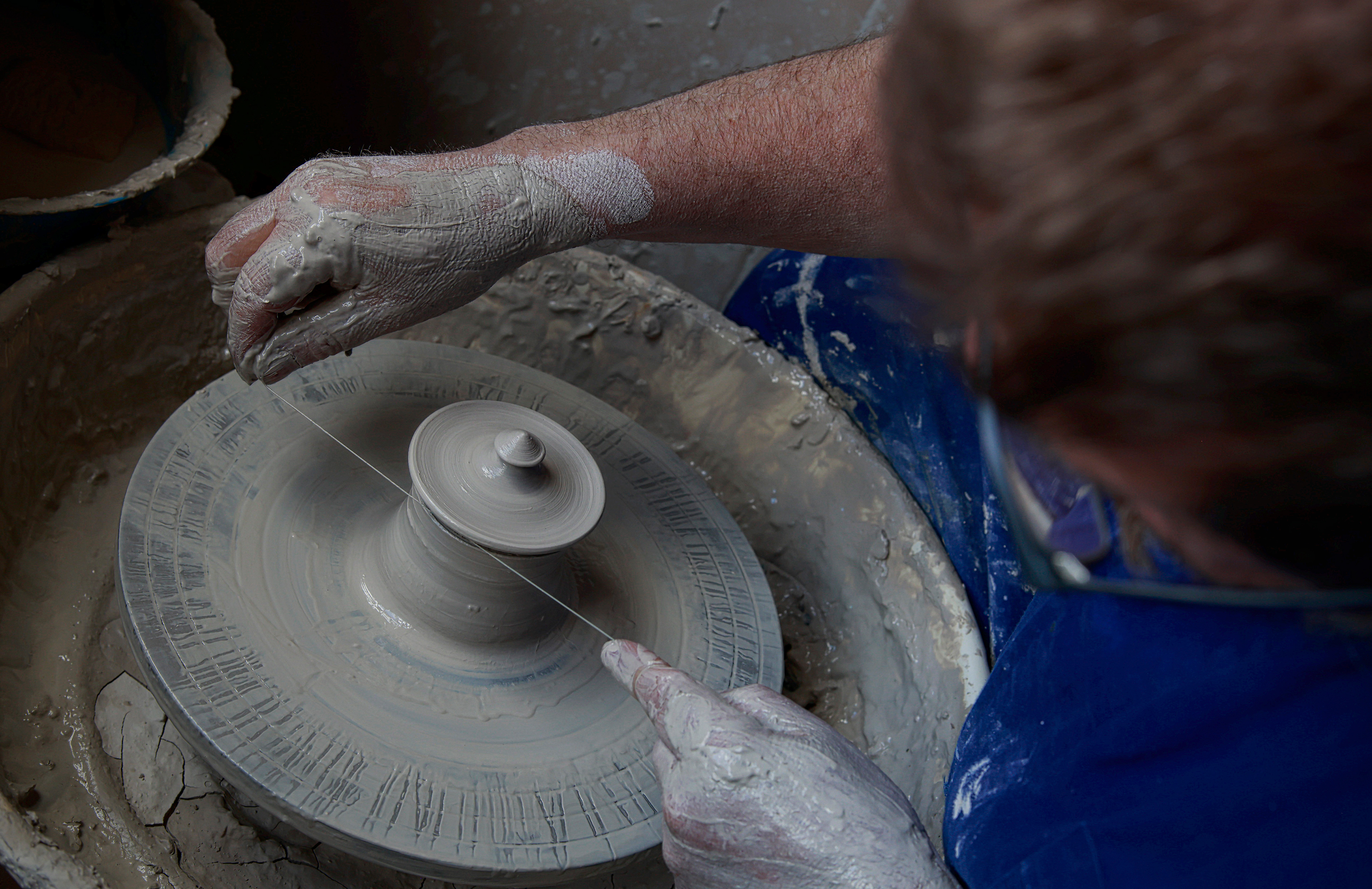
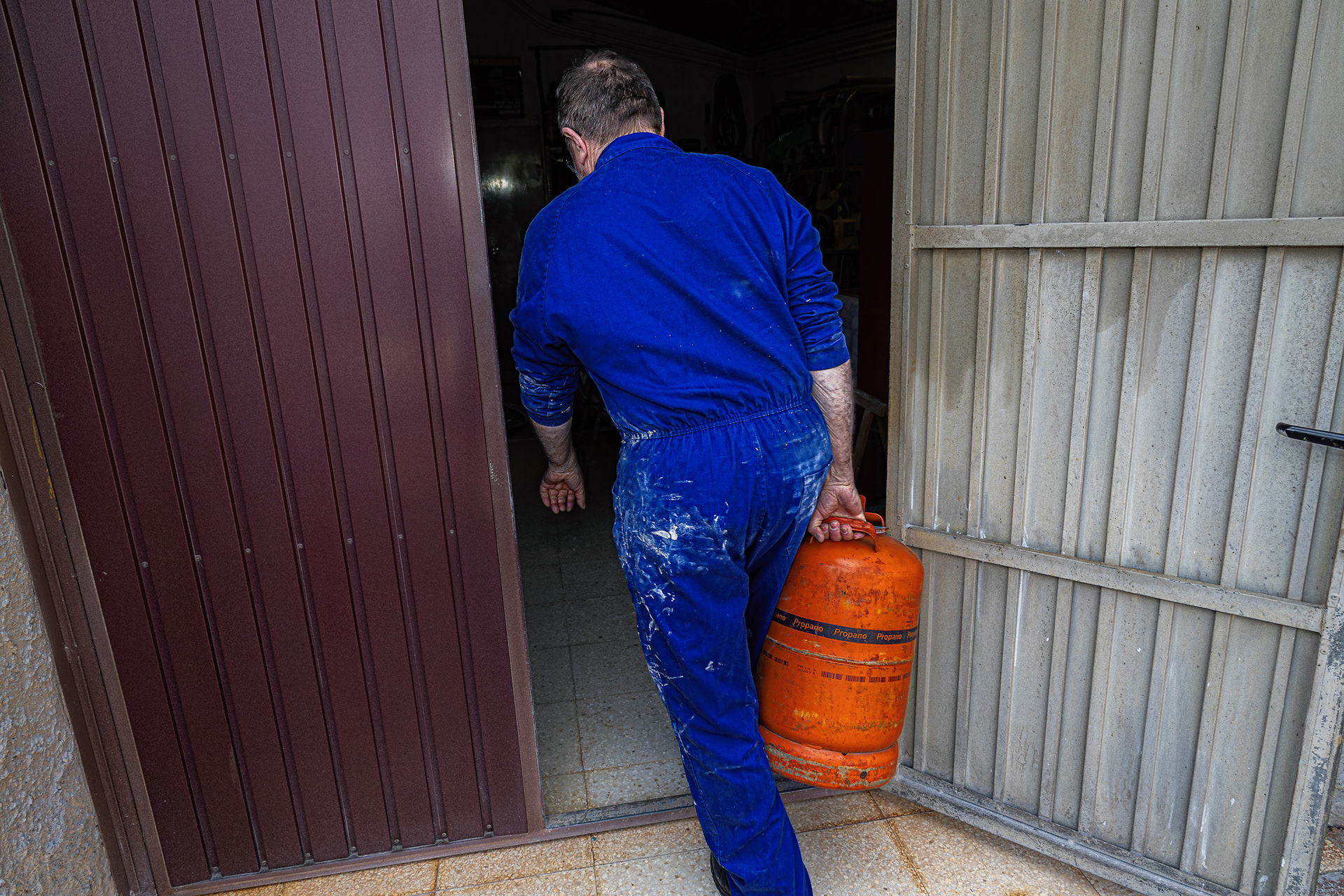
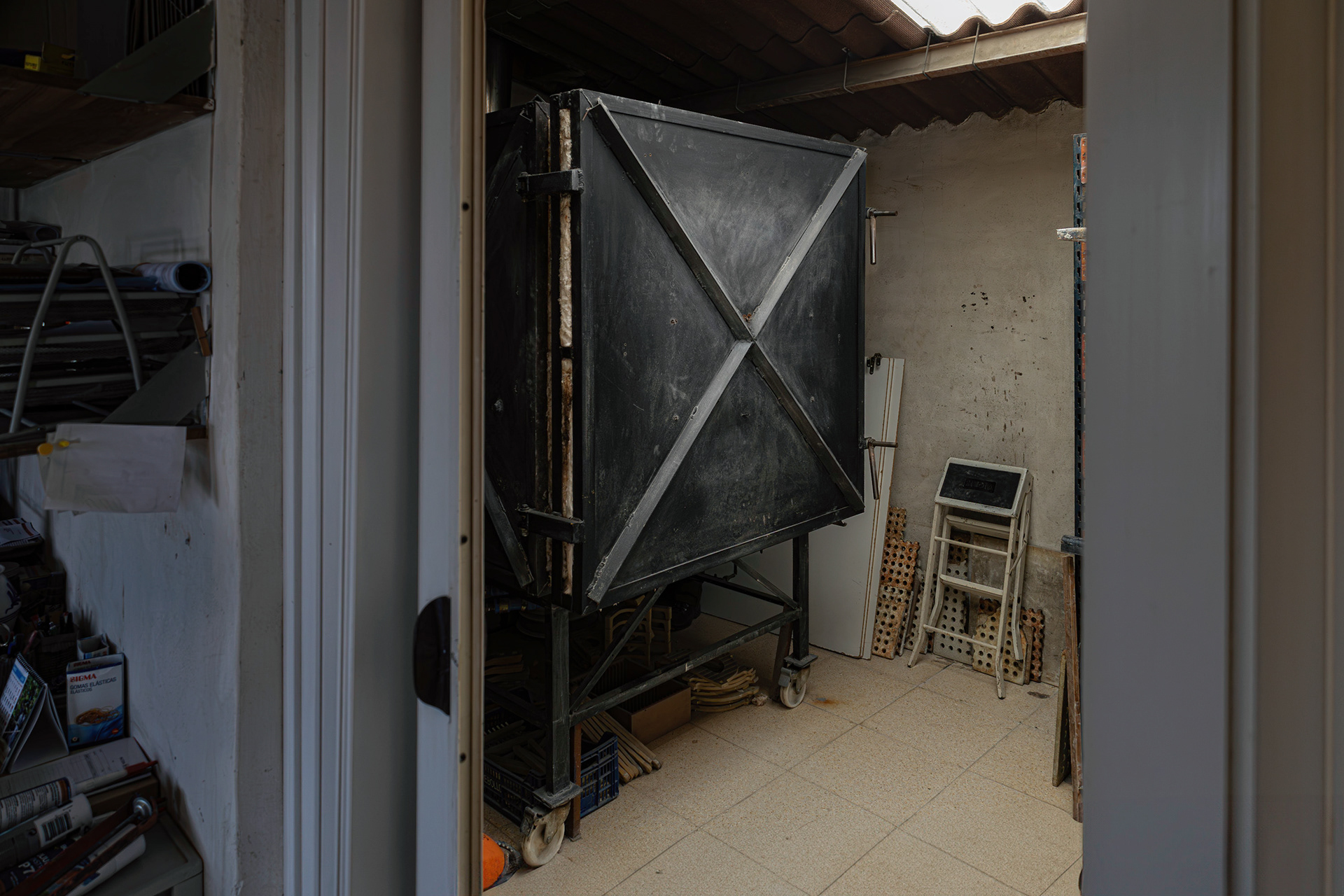
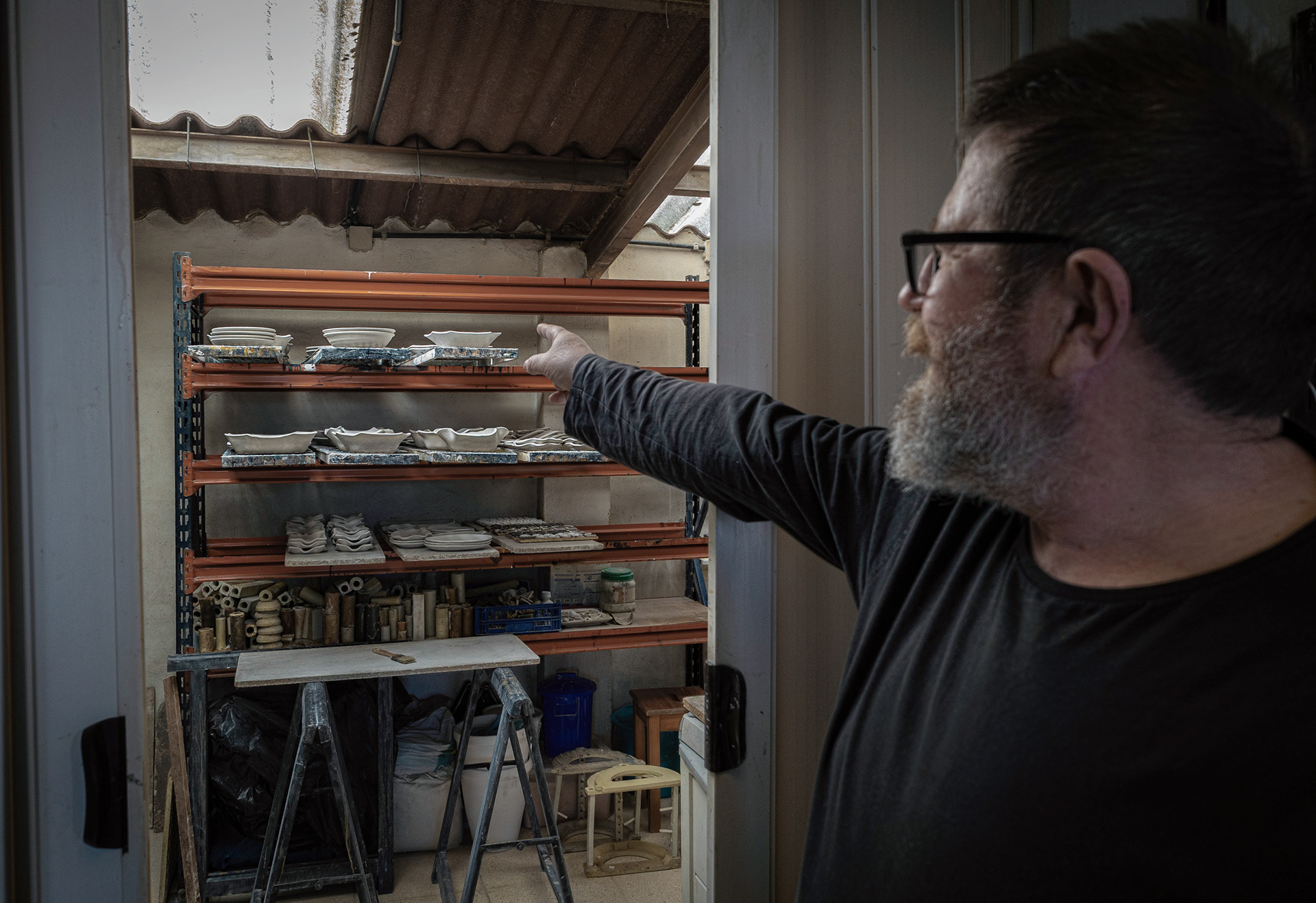
El 31 de julio de 2022, una explosión destruyó el último horno de cerámica de la localidad, poniendo a prueba la continuidad de una tradición alfarera documentada desde el siglo XI. Selito, tercera generación de una familia dedicada a este oficio desde el siglo XVIII, fue el impulsor que mantuvo viva la cerámica negra característica de la zona, trabajando en su taller y participando en asociaciones para proteger y difundir este saber ancestral.
Sus piezas, elaboradas con un barro rico en óxidos que define su color y textura, formaron parte de la vida cotidiana durante siglos, y su trabajo permitió que la técnica siguiera vigente frente a los cambios industriales y sociales.
Sus piezas, elaboradas con un barro rico en óxidos que define su color y textura, formaron parte de la vida cotidiana durante siglos, y su trabajo permitió que la técnica siguiera vigente frente a los cambios industriales y sociales.
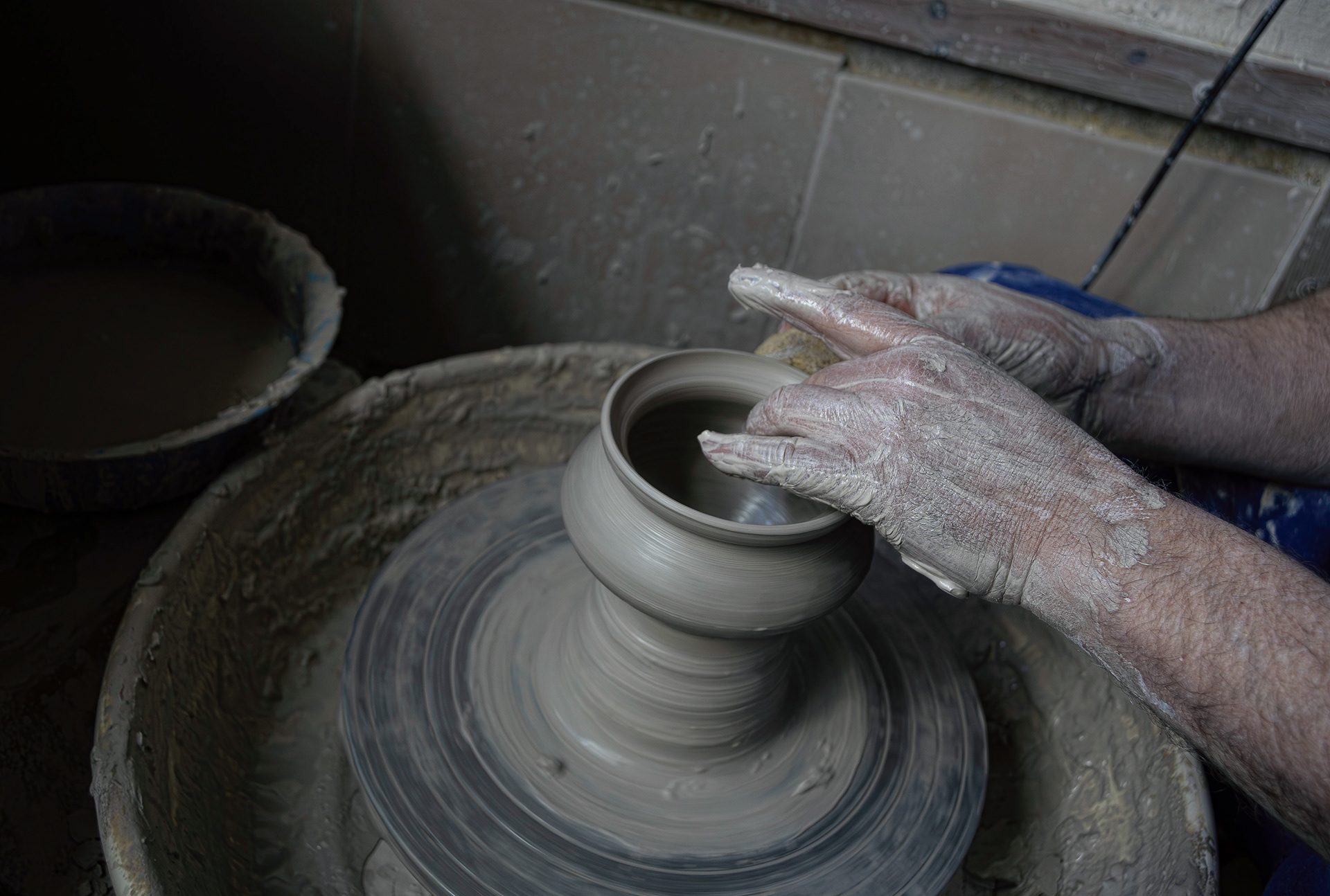
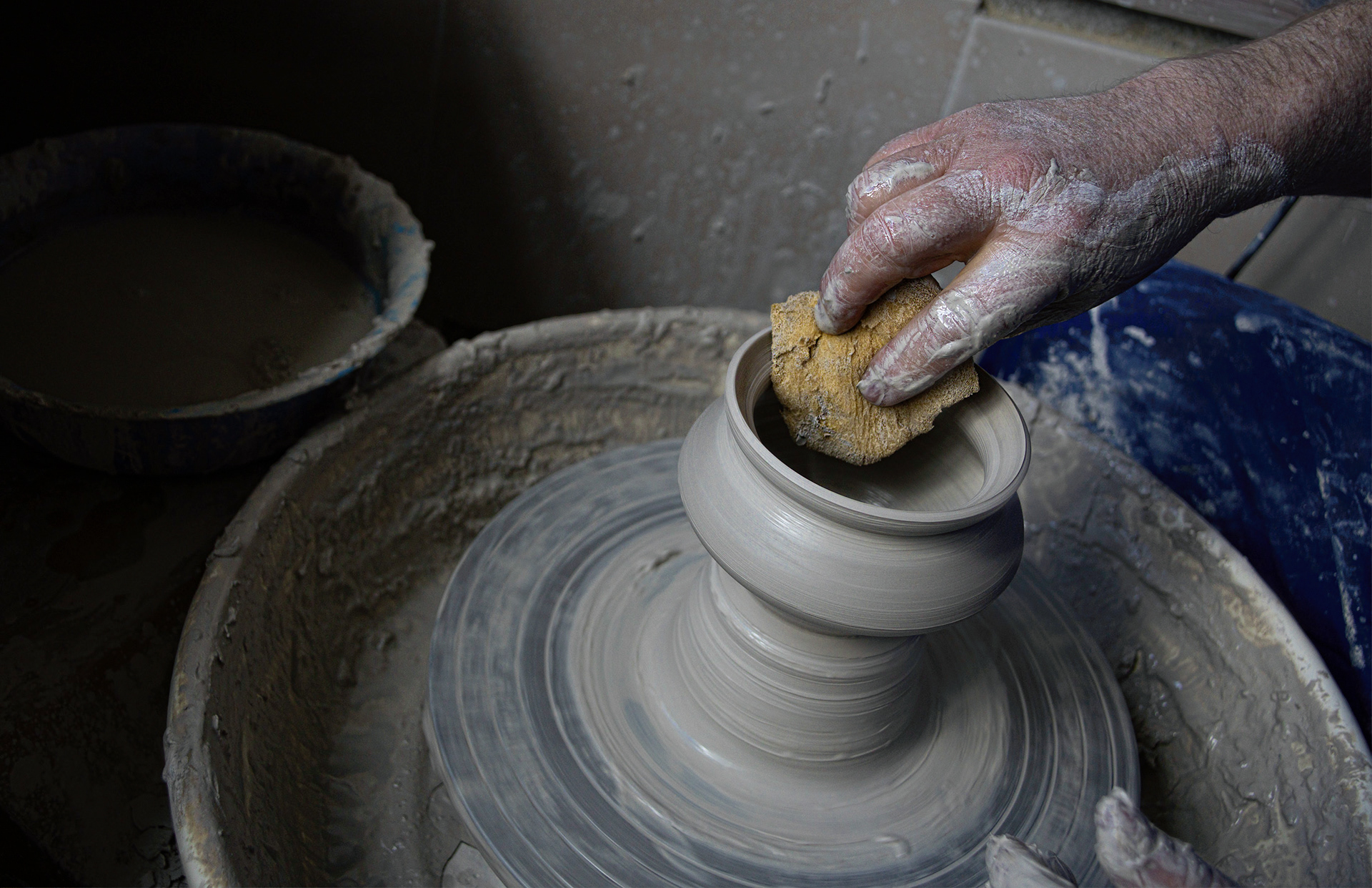
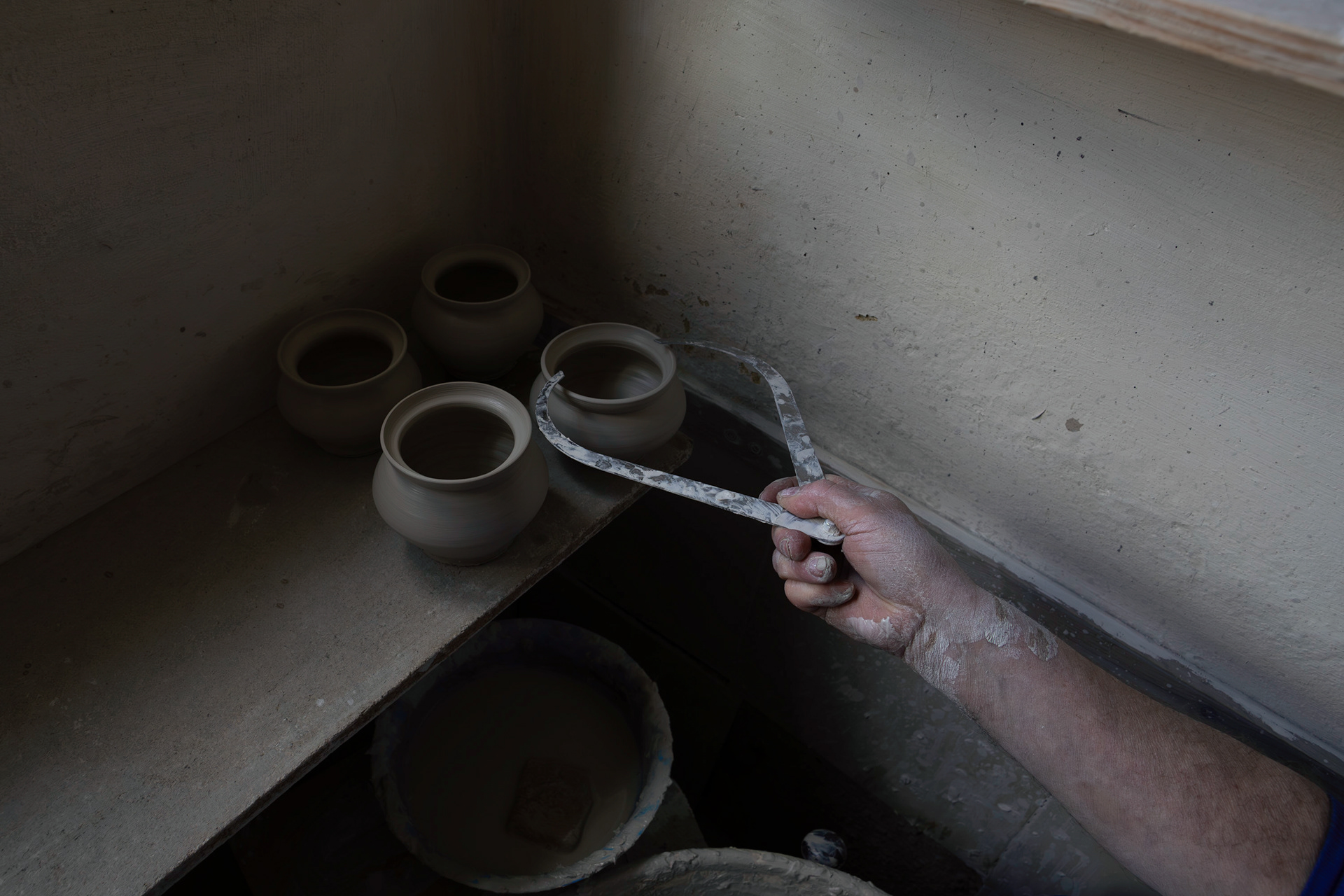
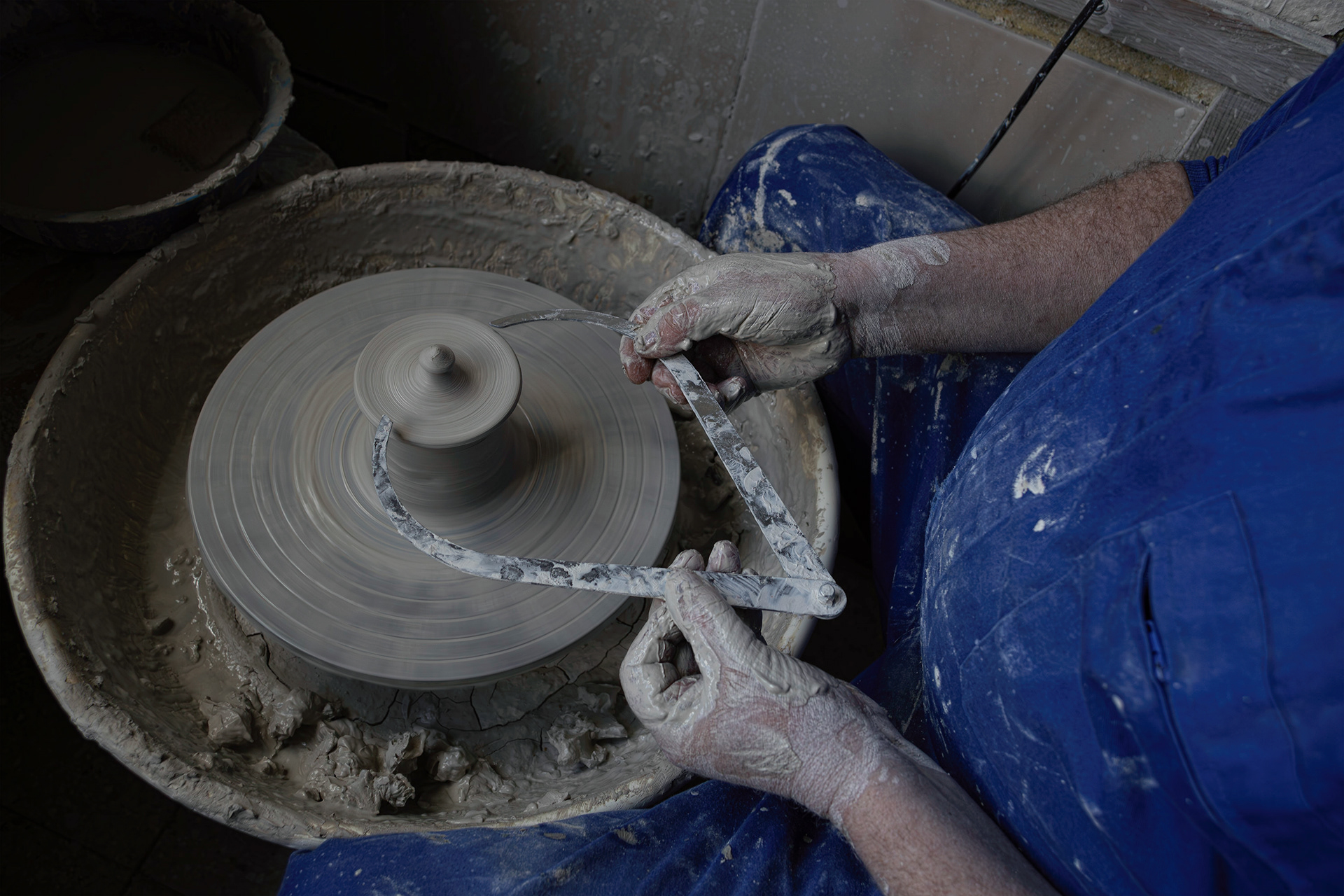
Estas imágenes registran la última pieza realizada por Selito.
Falleció el 8 de enero de 2026.
📍 Faro, Oviedo
Selito, the last potter of Faro
On July 31, 2022, an explosion destroyed the town’s last ceramic kiln, putting the continuity of a pottery tradition—documented since the 11th century—at risk. Selito, the third generation of a family devoted to the craft since the 18th century, was the driving force behind the survival of the area’s distinctive black pottery, working from his workshop and engaging with associations to protect and promote this ancestral knowledge.
His pieces, made from clay rich in oxides that define their color and texture, were part of everyday life for centuries. His work ensured that the technique endured in the face of industrial and social change.
These images record the last piece made by Selito.
He passed away on January 8, 2026.
He passed away on January 8, 2026.
Oviedo



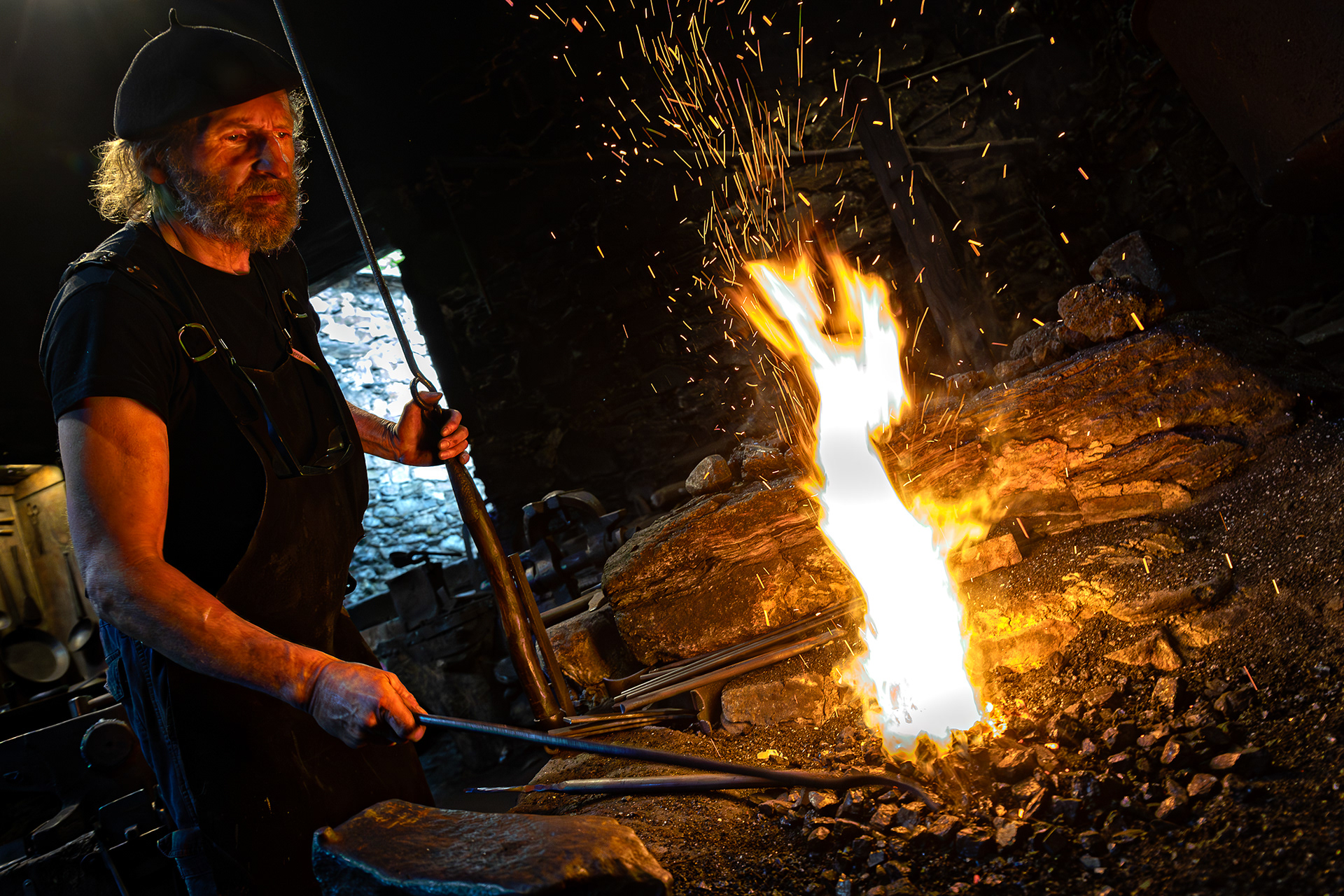
Friedrich Bramsteidl, el último maestro herrero de mazo
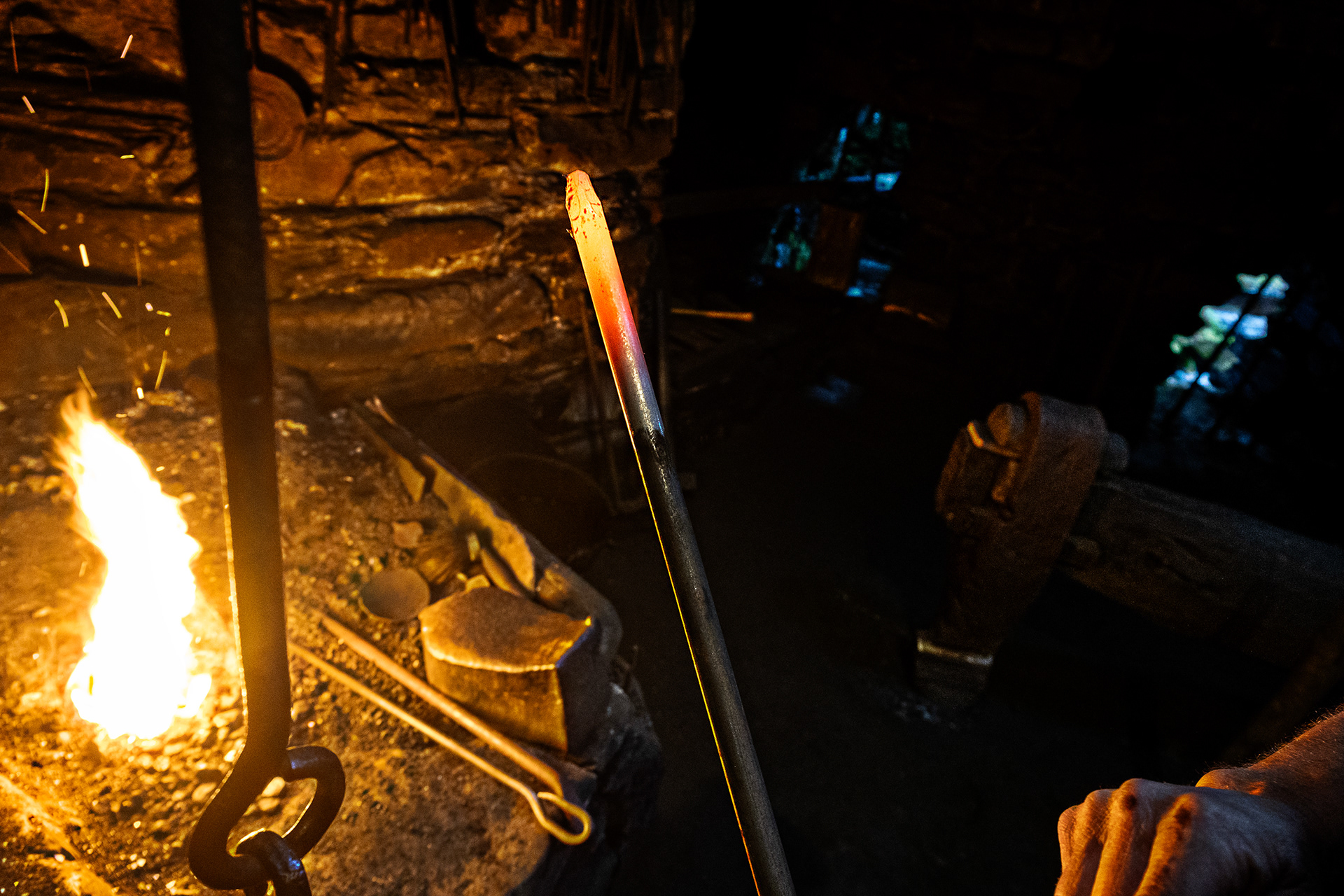
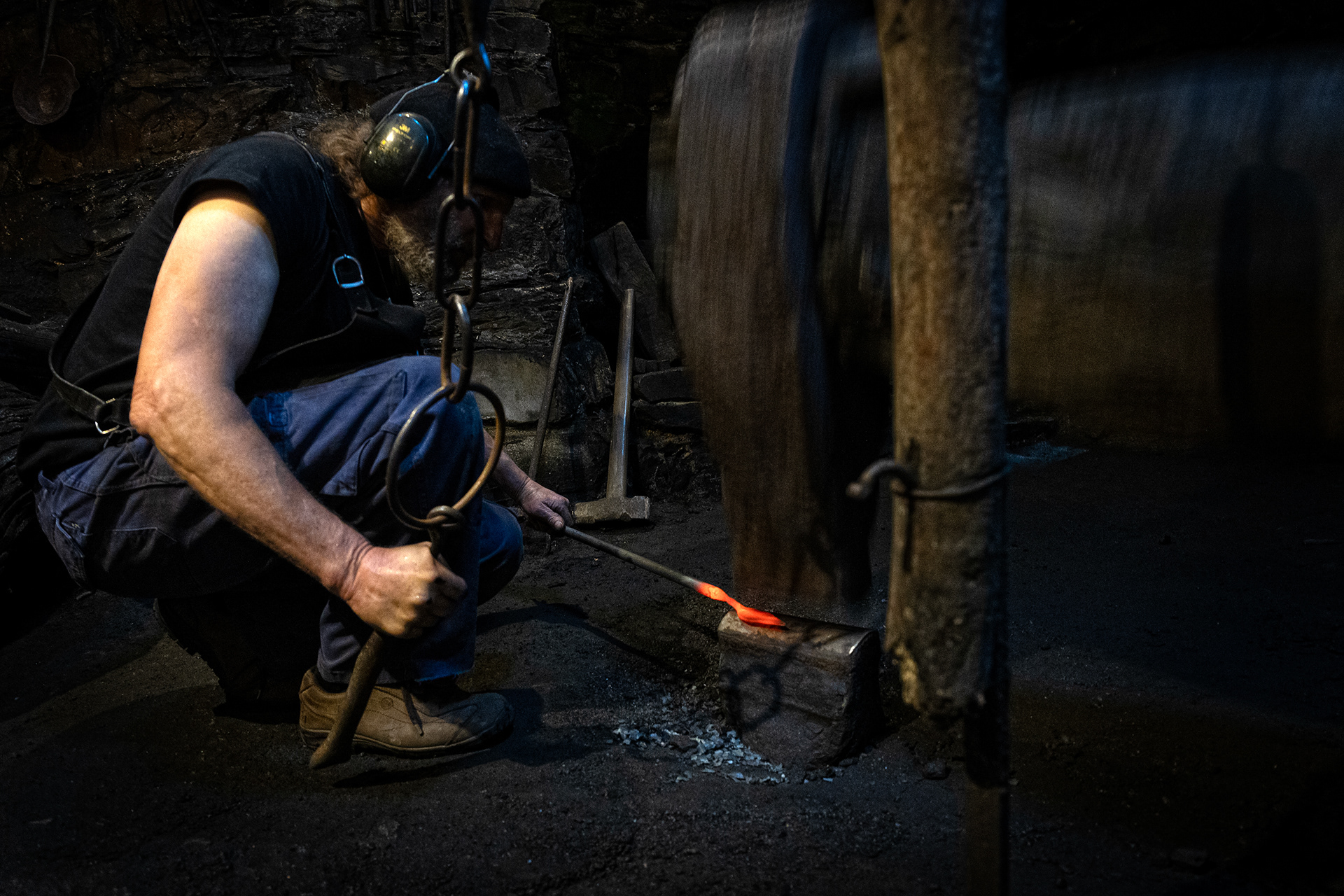
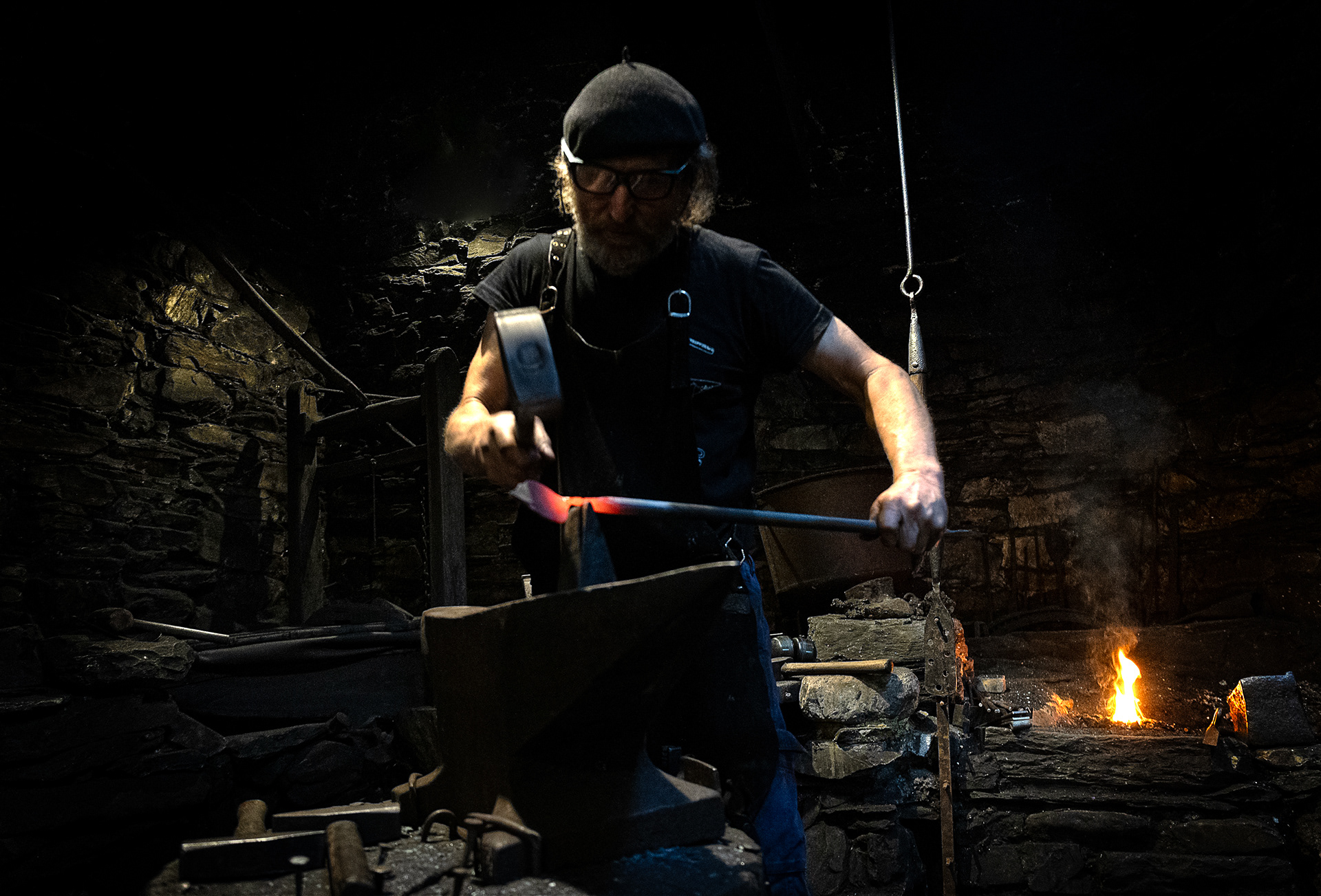
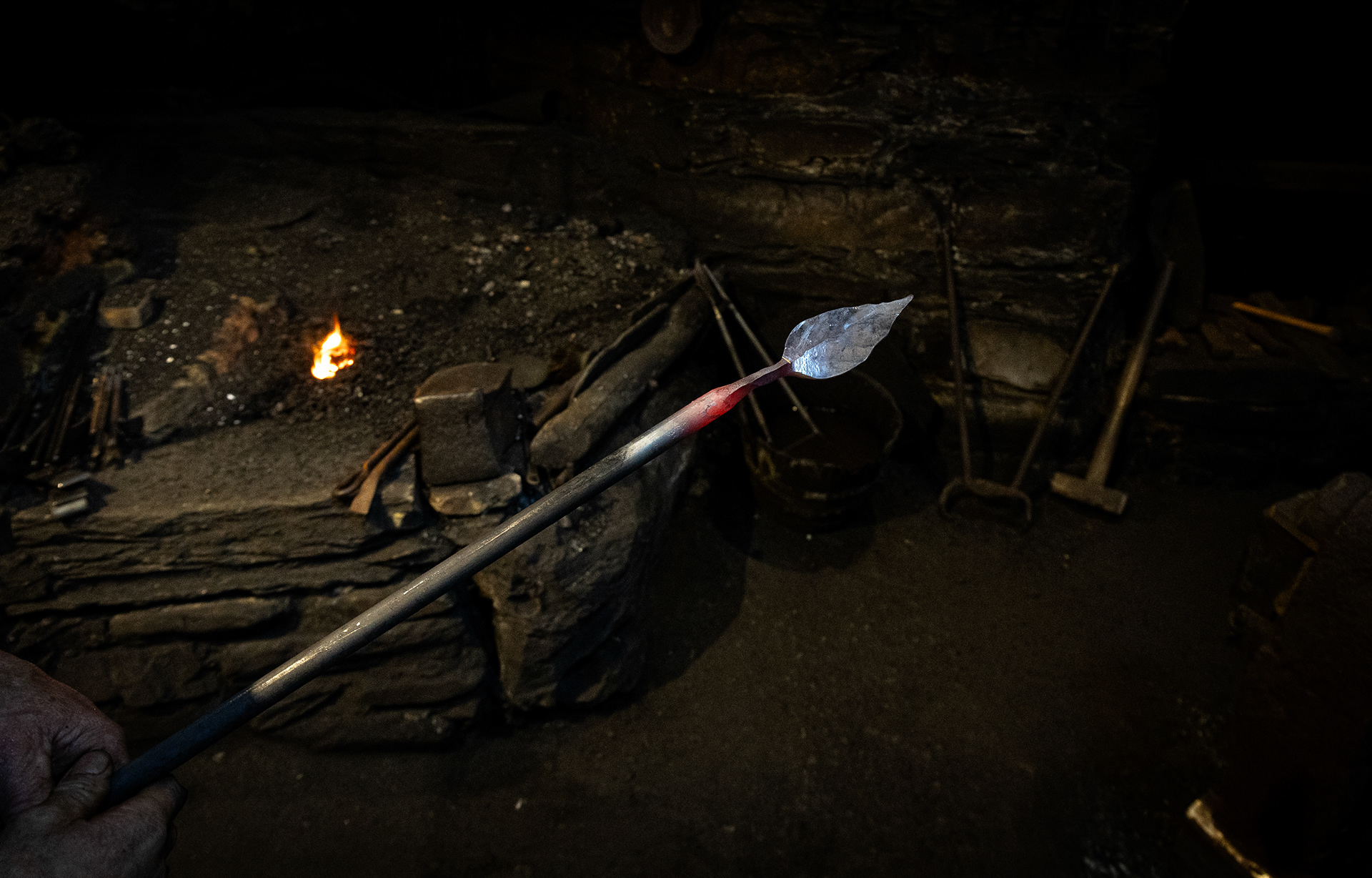
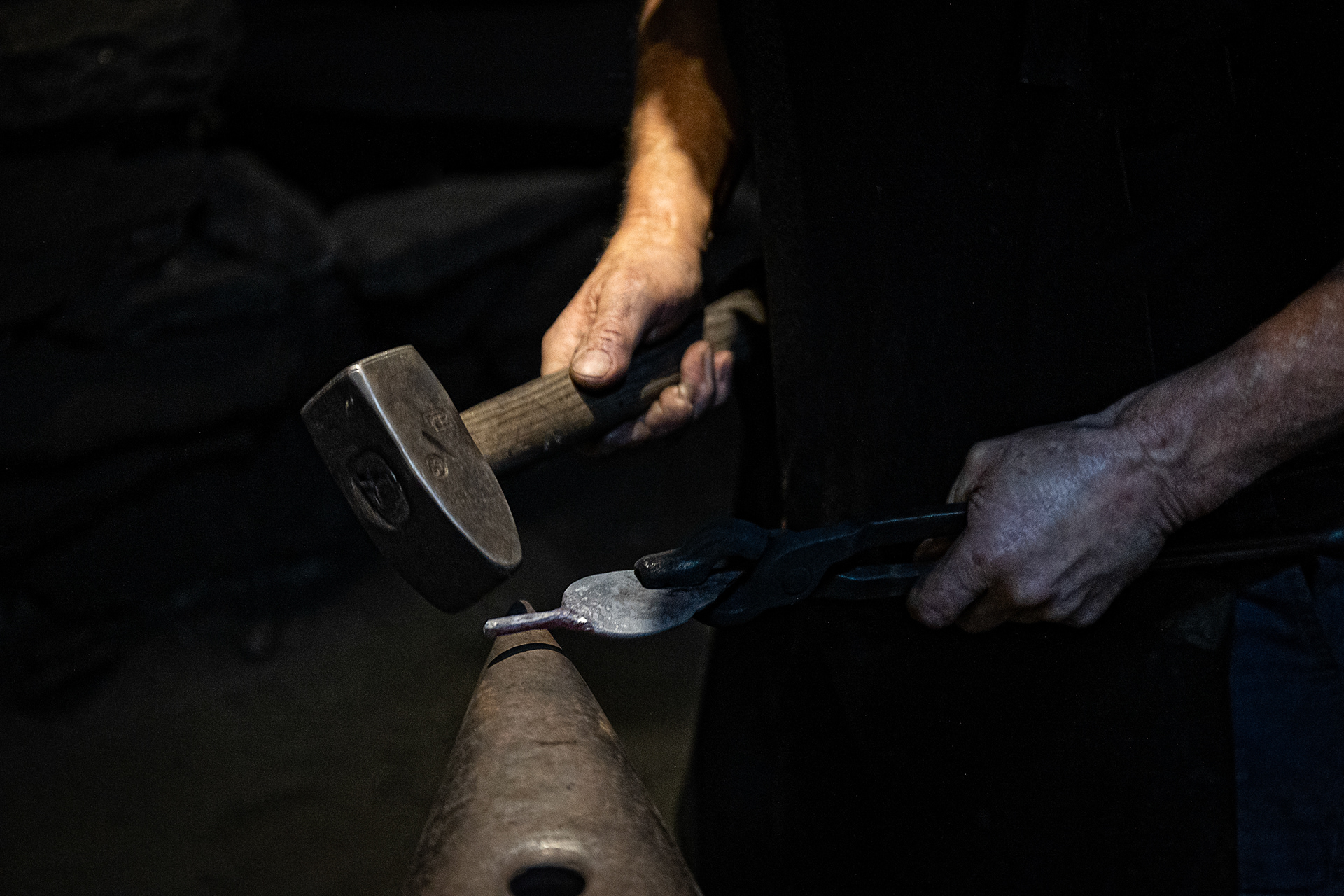
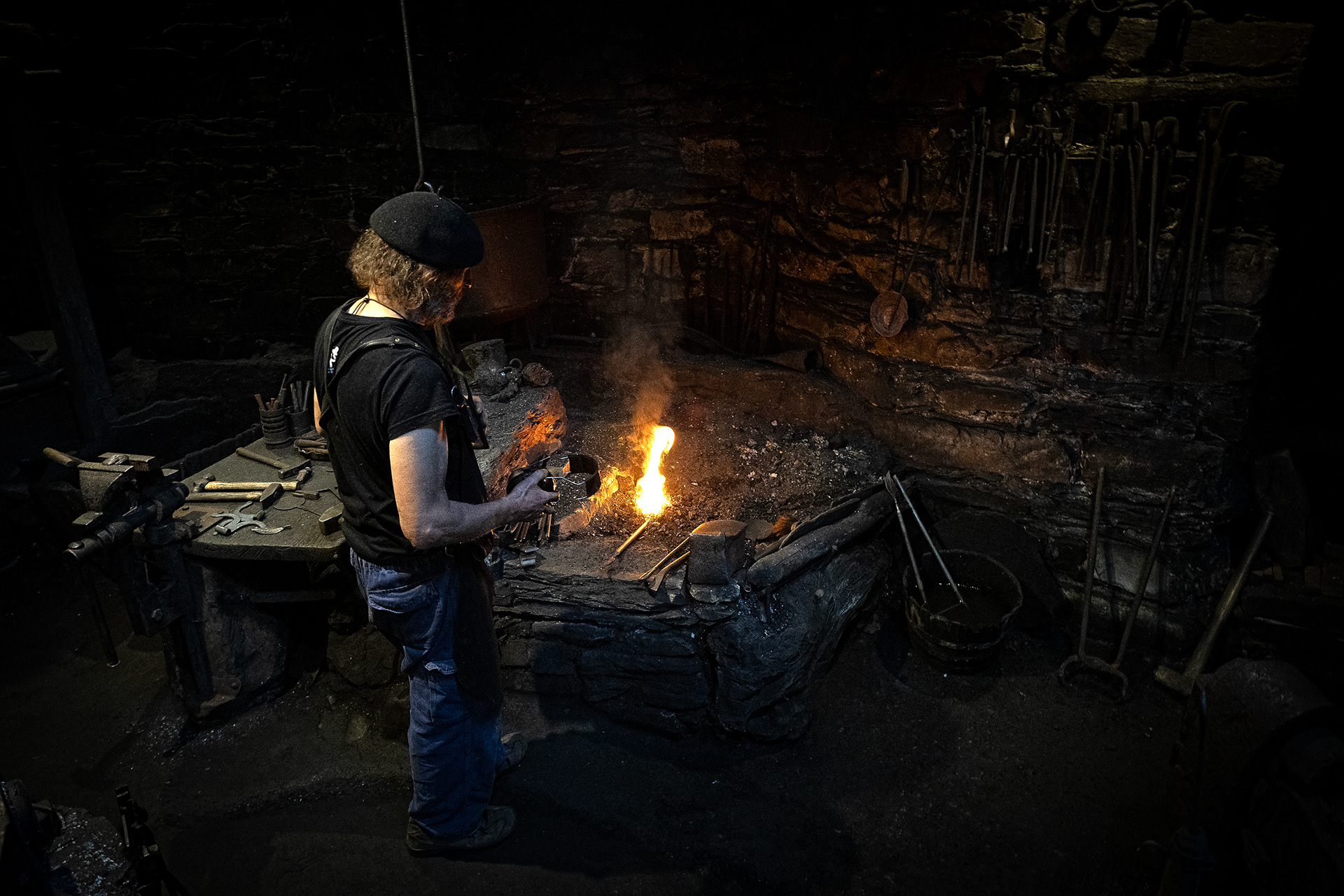
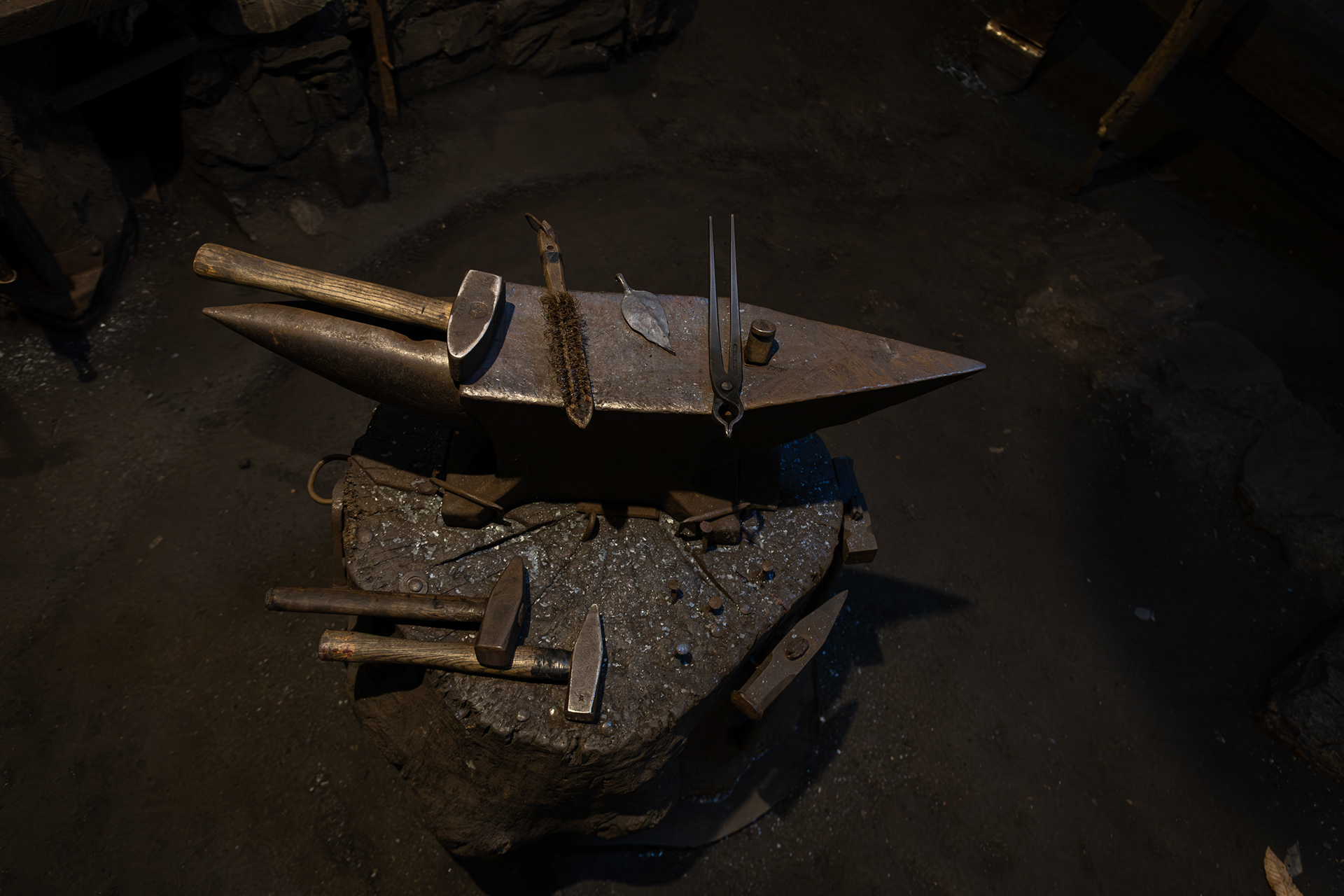
Un oficio que parece surgir del pasado y que todavía se hace presente en cada golpe sobre el yunque. Este mazo, originario del siglo XVIII y rehabilitado en los años 90, es de los pocos que aún permanecen activos en el mundo. Su función original era convertir bloques de hierro en láminas, lo que explica que el punto de golpeo esté a ras del suelo. Con la llegada de los altos hornos, el uso del mazo se perdió y la herramienta comenzó a deteriorarse, hasta su restauración. Friedrich, maestro herrero de sexta generación, asumió el reto de mantener viva esta tradición, adaptándose a nuevas técnicas y preservando la maquinaria histórica. Hoy, forma a tres aprendices que podrían asegurar la continuidad del oficio, demostrando que la tradición no tiene por qué extinguirse si hay quienes se comprometen a transmitirla.
Este mazo y su oficio forman parte de los inventarios de Patrimonio Cultural Inmaterial, reconociendo la relevancia de su transmisión generacional.
📍 Mazonovo. Taramundi.
Friedrich Bramsteidl, the last master tilt hammer blacksmith
A trade that seems to emerge from the past, yet remains present in every strike against the anvil. This tilt hammer, dating back to the 18th century and restored in the 1990s, is one of the few still in operation worldwide. Its original function was to turn blocks of iron into sheets, which explains why the striking point sits at ground level. With the advent of blast furnaces, the use of the hammer declined and the machinery fell into disrepair until its restoration.
Friedrich, a sixth-generation master blacksmith, took on the challenge of keeping this tradition alive—adapting to new techniques while preserving the historic machinery. Today, he trains three apprentices who may ensure the continuity of the trade, showing that tradition need not disappear if there are those committed to passing it on.
This hammer and its craft are included in inventories of Intangible Cultural Heritage, recognizing the importance of their transmission across generations.
Taramundi

Hermanos Argüelles, maestros toneleros
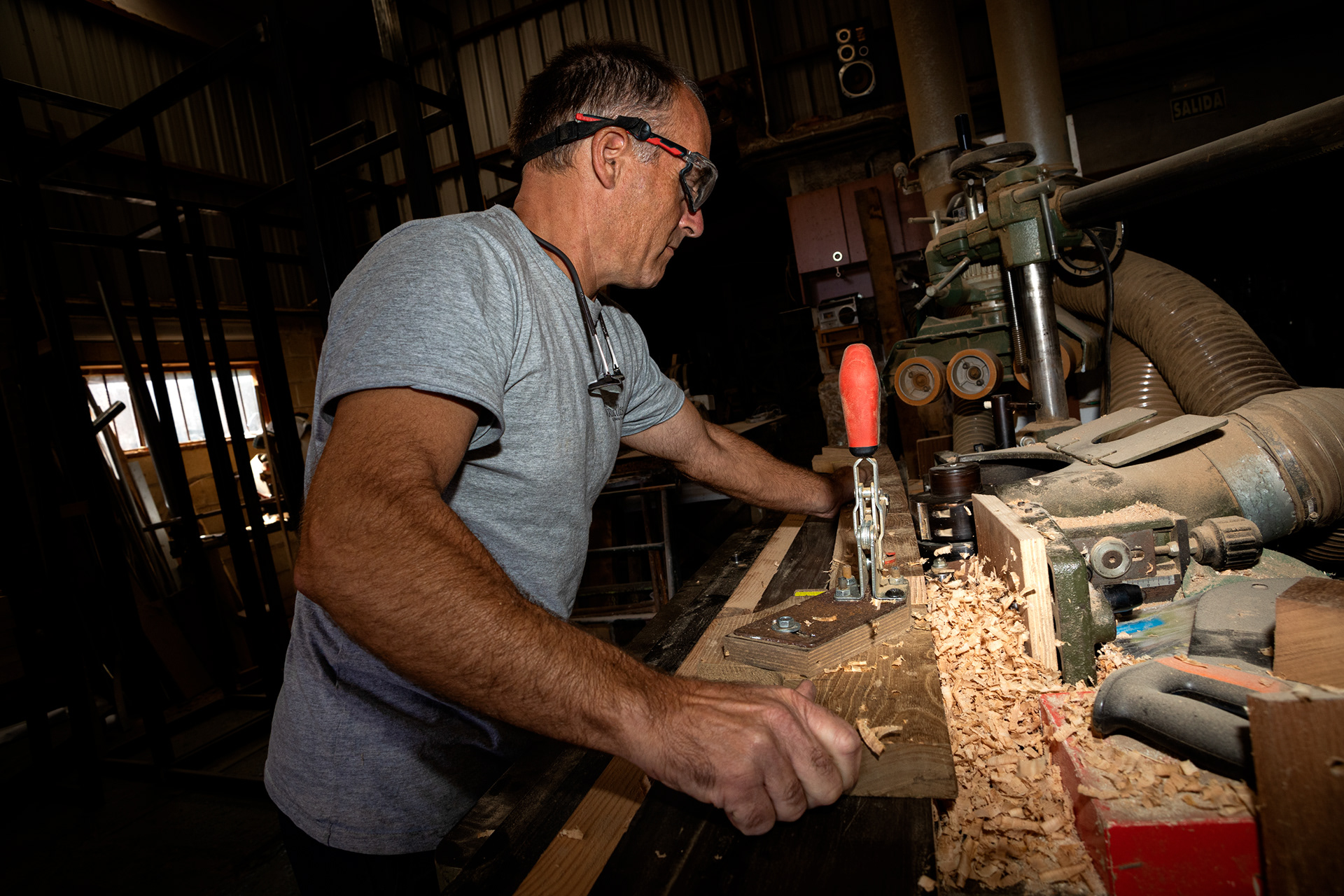
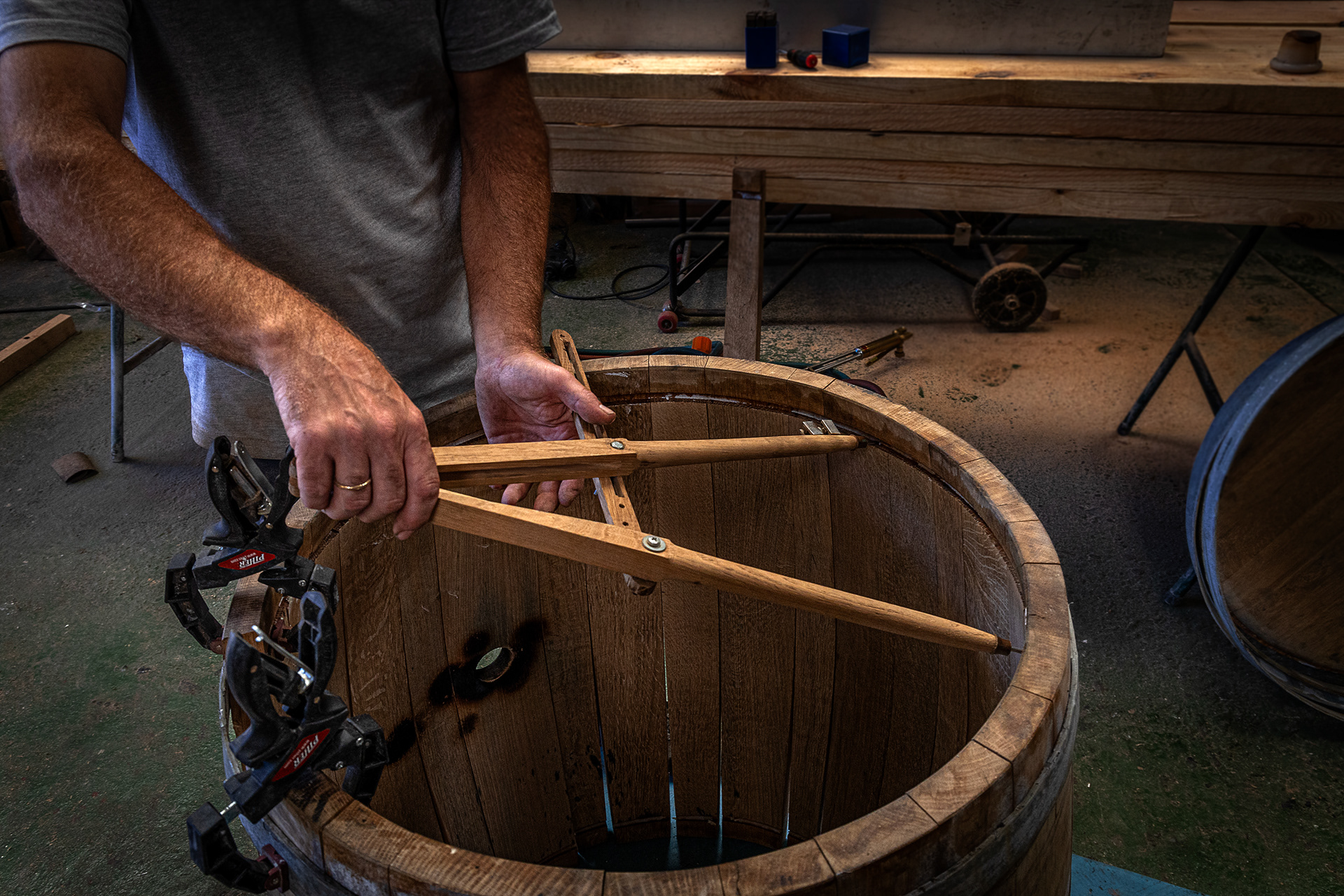
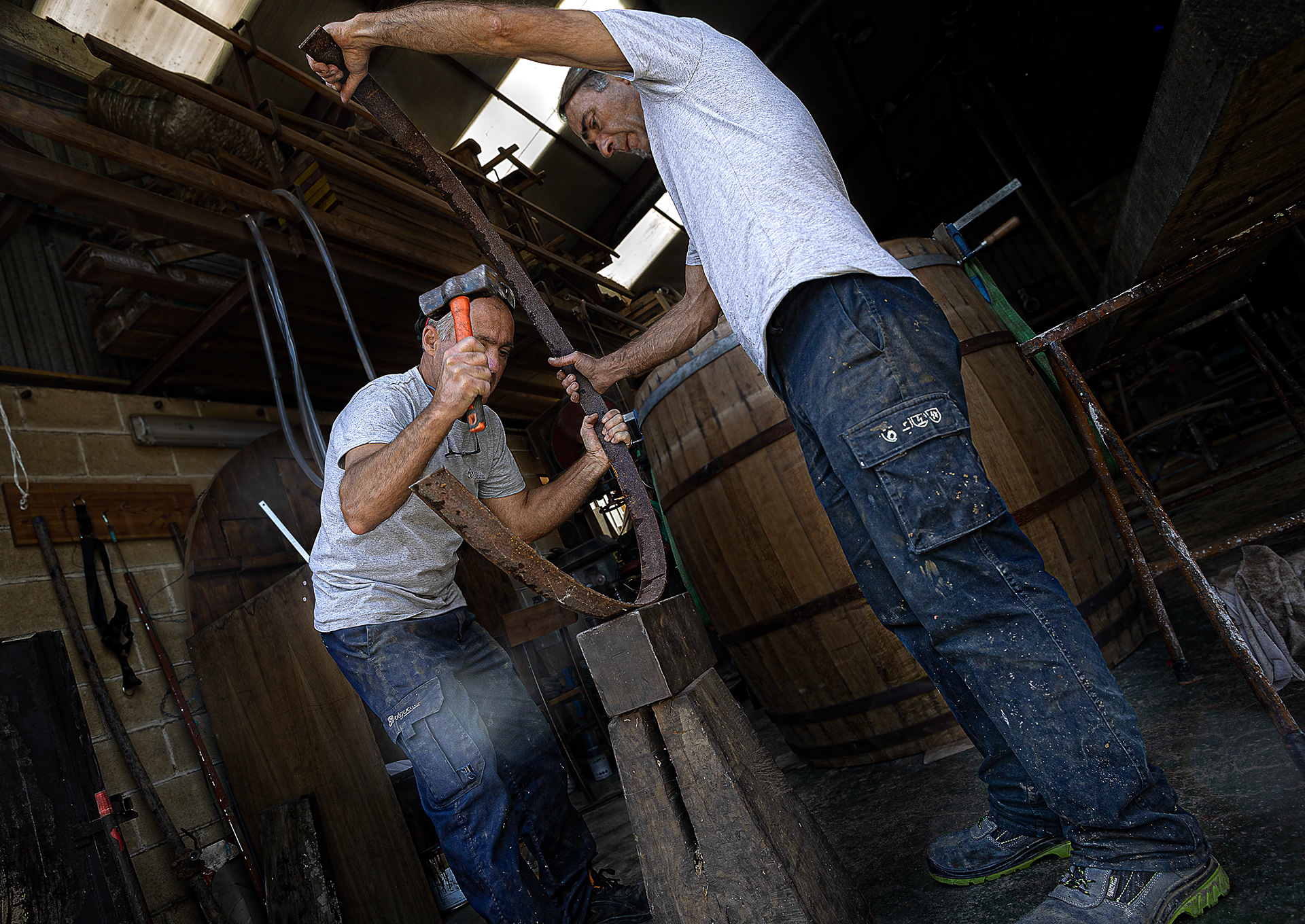
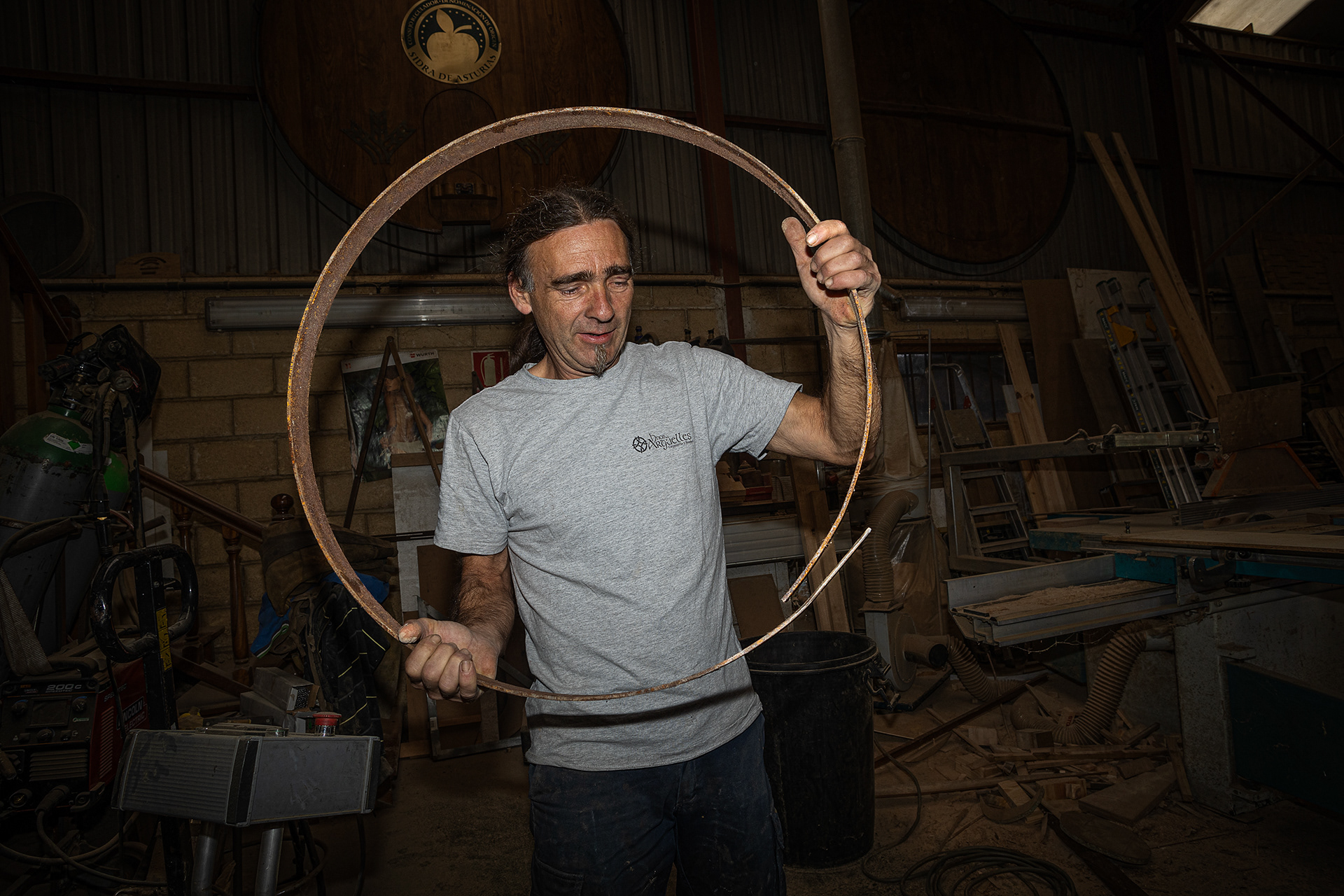
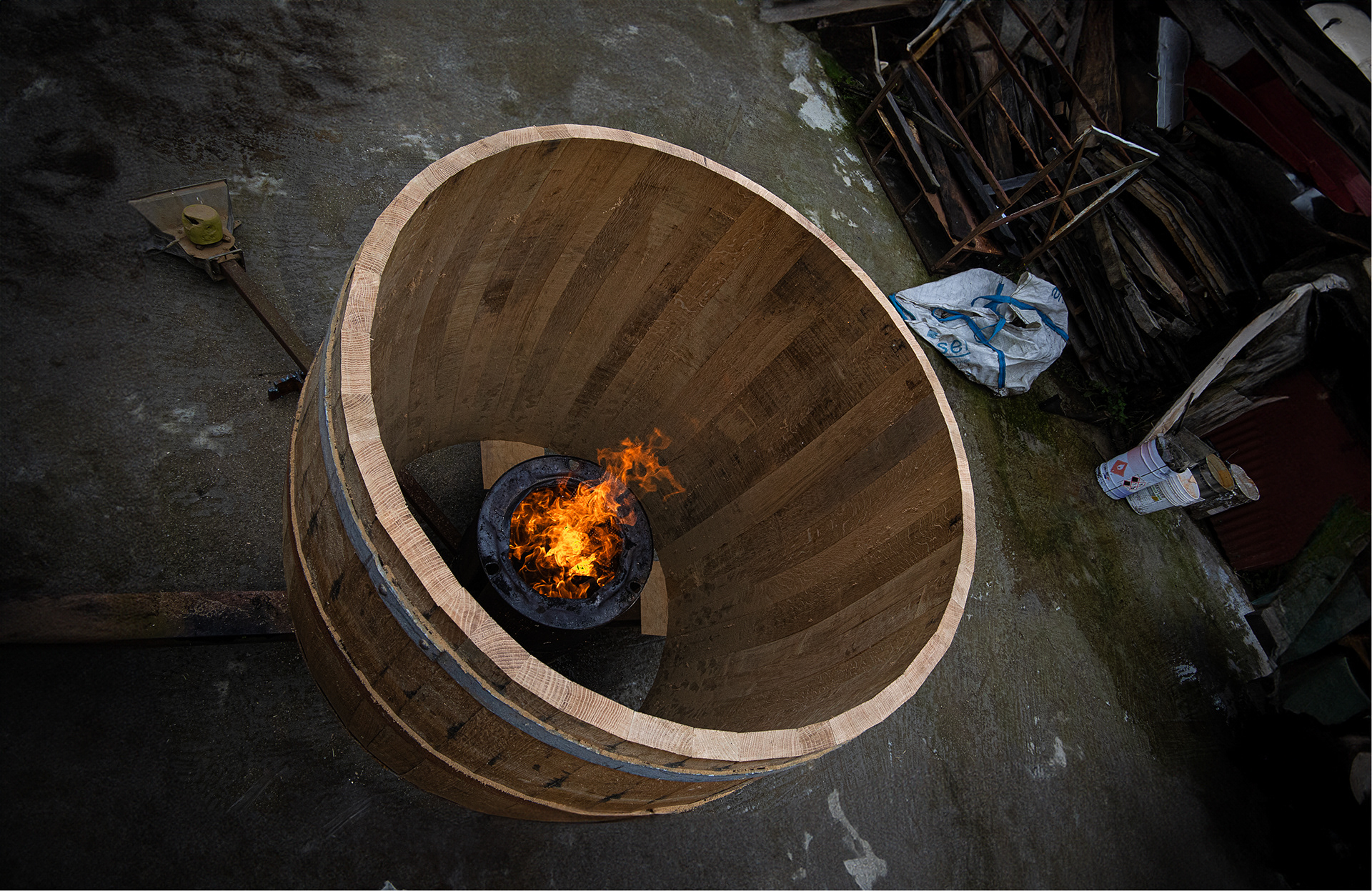
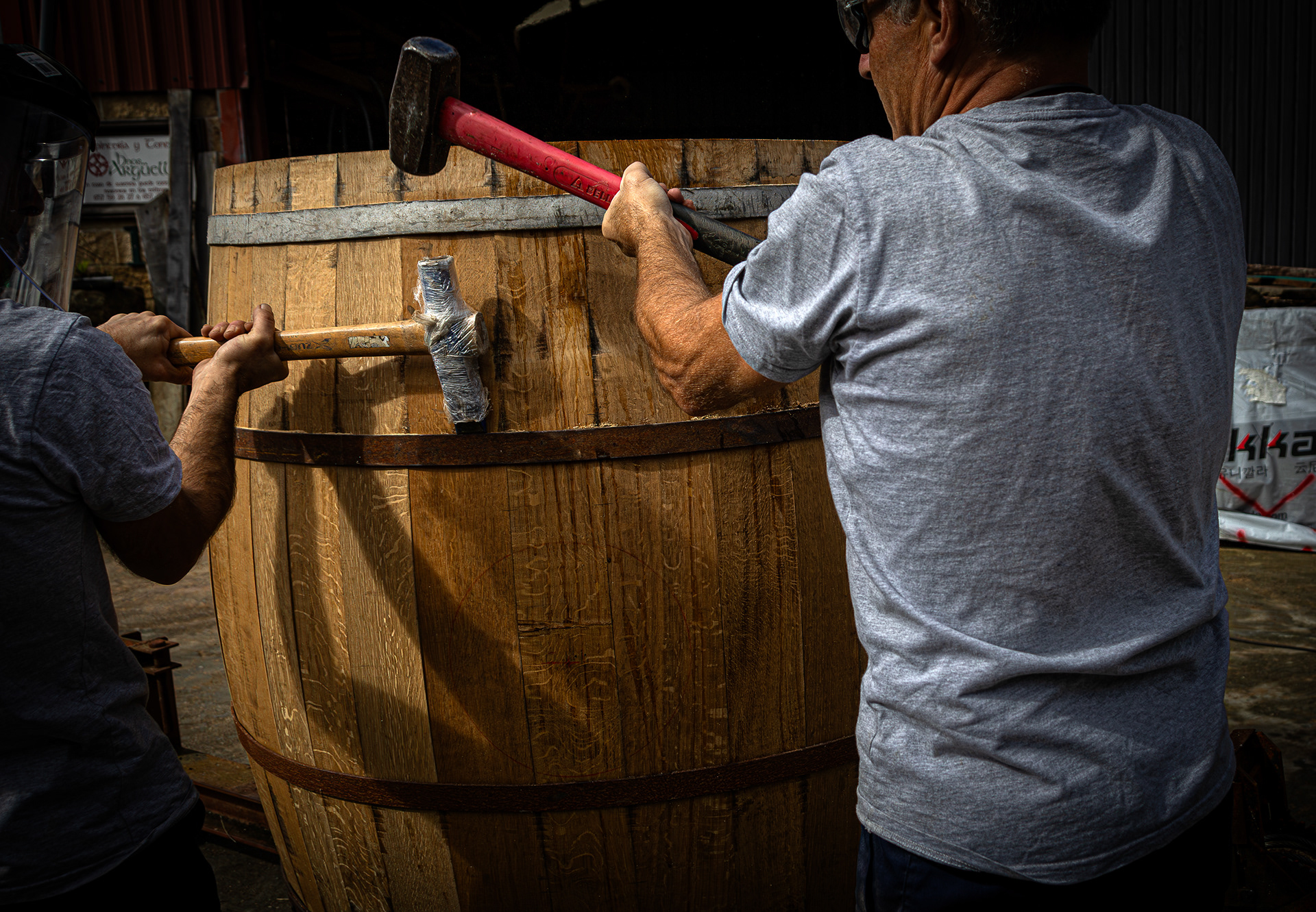
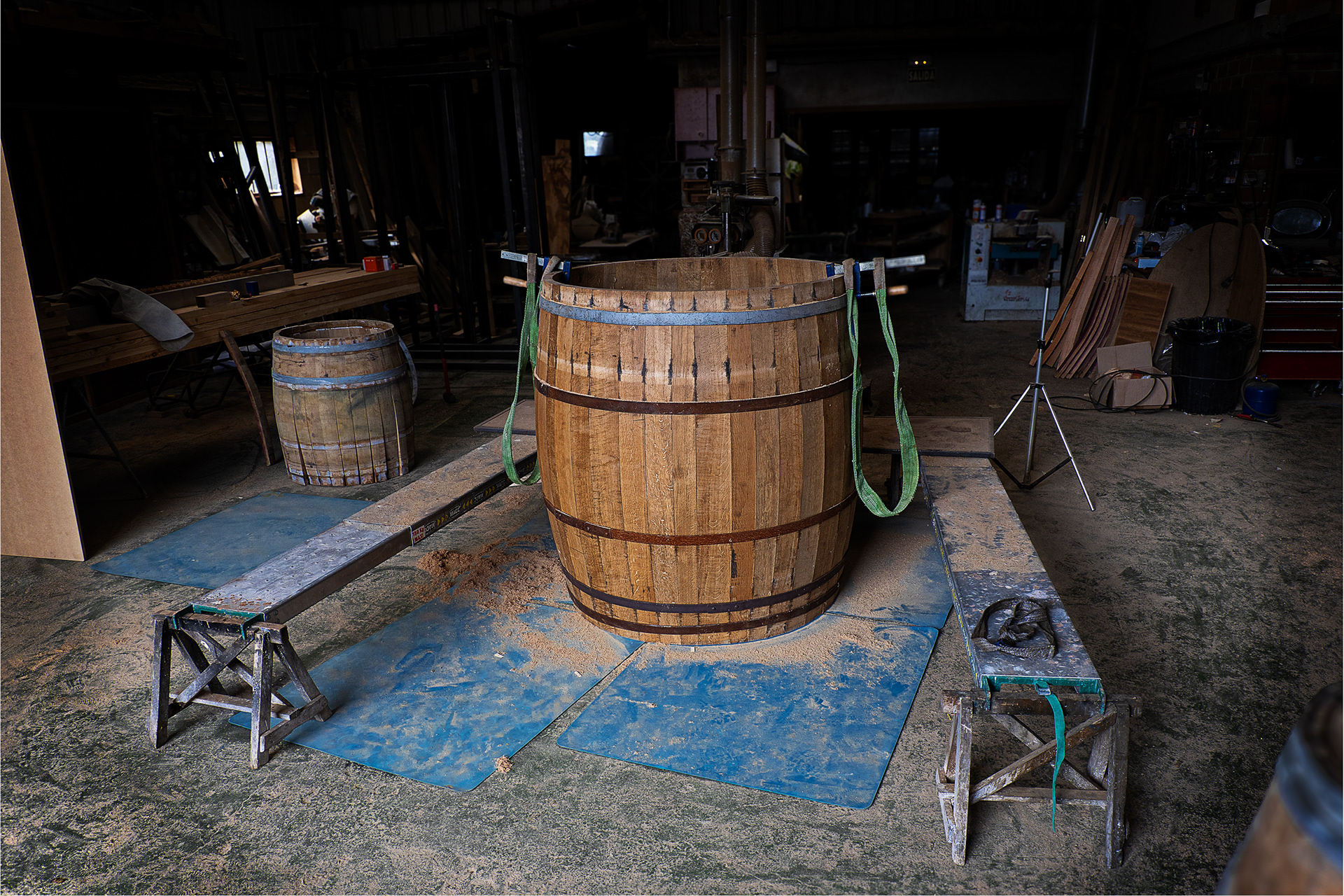
Entre el aroma de la madera recién cortada y el sonido del martillo golpeando el metal, los hermanos Argüelles mantienen vivo un oficio ancestral, uno de los últimos tres maestros toneleros activos en el mundo. Cada tonel que elaboran es una pieza única: desde el corte y secado del roble, que puede tardar hasta dos años, hasta el ensamblaje preciso de cada duela, moldeada por fuego y agua, ajustada a mano y unida con aros que permiten que la madera respire. El tostado final, que dependerá del uso del tonel, completa un proceso artesanal donde todos los sentidos participan. A pesar de su dedicación y maestría, este saber corre peligro: aún no han encontrado relevo generacional, y si no aparece, la tonelería que su padre fundó hace más de cuarenta años podría desaparecer. Este oficio está incluido en los inventarios de Patrimonio Cultural Inmaterial, reconociendo su valor y la urgencia de su salvaguarda.
📍 Breceña
The Argüelles Brothers, master coopers
Amid the scent of freshly cut wood and the sound of hammer striking metal, the Argüelles brothers keep an ancestral craft alive—among the last three master coopers still active in the world. Each barrel they produce is a unique piece: from the cutting and drying of oak, a process that can take up to two years, to the precise assembly of each stave, shaped by fire and water, fitted by hand and bound with hoops that allow the wood to breathe.
The final toasting, determined by the barrel’s intended use, completes a fully artisanal process in which all the senses are engaged. Despite their dedication and mastery, this knowledge is at risk: they have yet to find a new generation to carry it forward. Without one, the cooperage their father founded more than forty years ago could disappear.
This craft is included in inventories of Intangible Cultural Heritage, recognizing its value and the urgency of its safeguarding.
Breceña


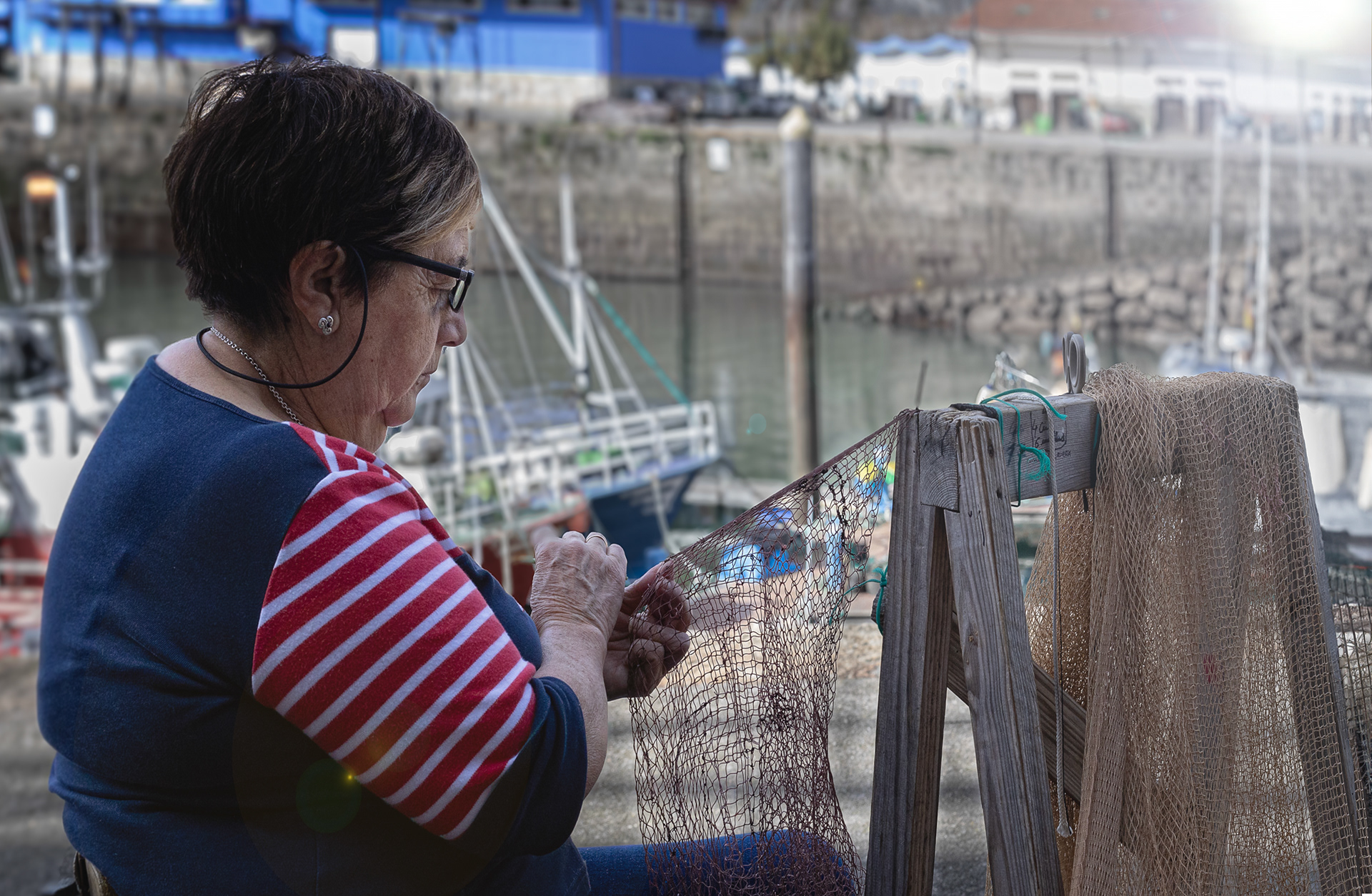
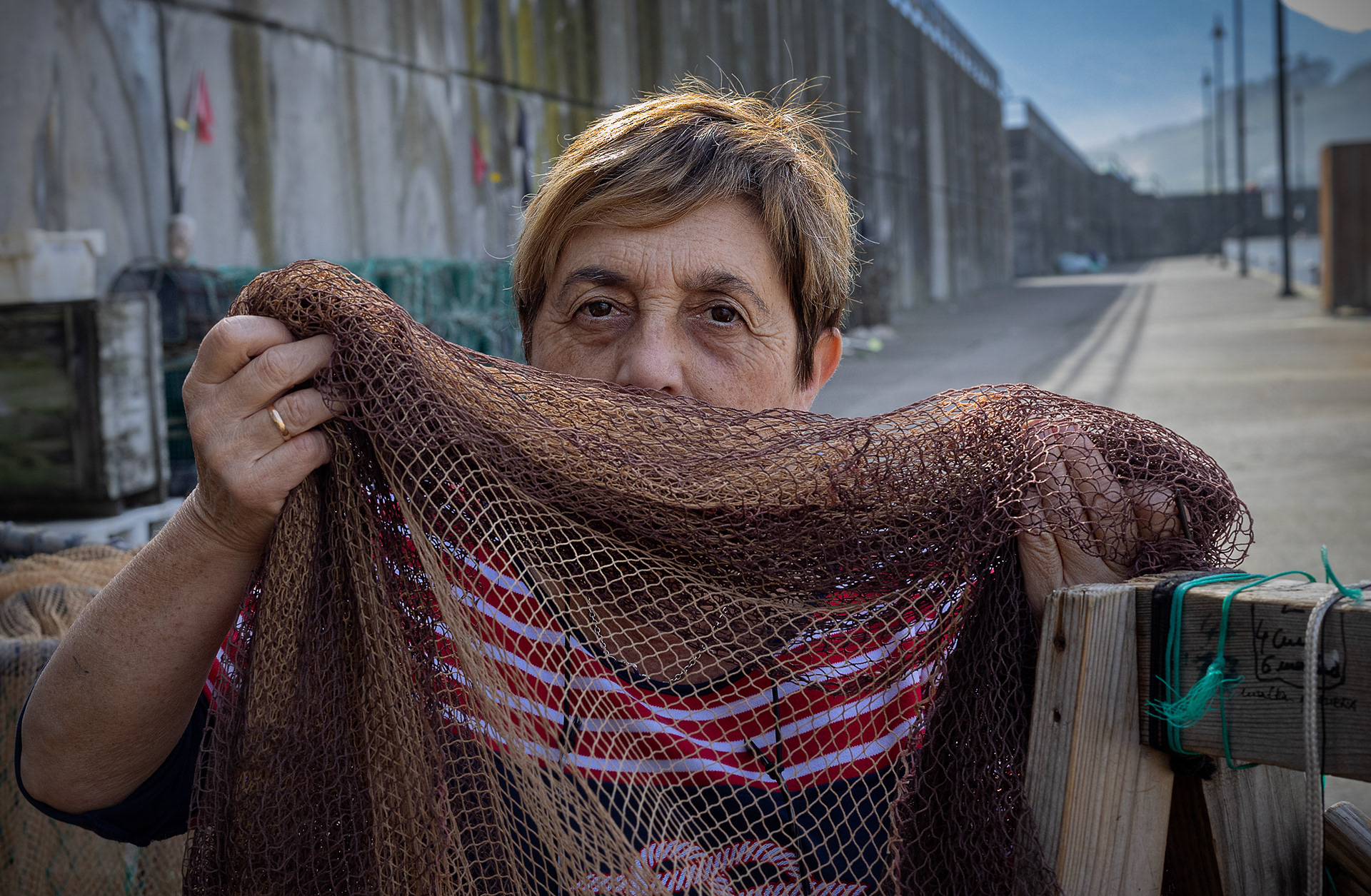
Tete, la última redera
"El día que no haya rederas dejaréis de comer pescado", afirma Tete con rotundidad. Durante más de treinta años ha cosido y reparado redes, adaptándose a los cambios de la pesca y a la escasez de barcos que requieren su oficio. Lo aprendido en un curso se convirtió en una práctica imprescindible: reparar redes de bajura y garantizar así la continuidad del trabajo diario de los pescadores. A pesar de su relevancia, la labor de redera no es rentable y encuentra pocas personas dispuestas a relevarla. Para poder seguir ejerciendo, hace nueve años abrió una tienda en la que continúa cosiendo redes cuando el buen tiempo no acompaña.
Su oficio forma parte de los inventarios de Patrimonio Cultural Inmaterial, subrayando la importancia de su salvaguarda y la urgencia de garantizar un relevo que asegure su continuidad.
📍 Puerto de Lastres
Tete, the last net maker
“The day there are no net makers left, you’ll stop eating fish,” Tete says bluntly. For more than thirty years, she has stitched and repaired fishing nets, adapting to changes in the industry and to the growing scarcity of boats requiring her craft. What she once learned in a course became an essential practice: repairing small-scale fishing nets and ensuring the continuity of fishermen’s daily work.
Despite its importance, net making is no longer profitable and few are willing to take it on. To continue working, she opened a small shop nine years ago, where she keeps repairing nets when the weather keeps boats ashore.
Her trade is included in inventories of Intangible Cultural Heritage, underscoring the importance of its safeguarding and the urgency of securing a new generation to carry it forward.
Colunga

David, molinero
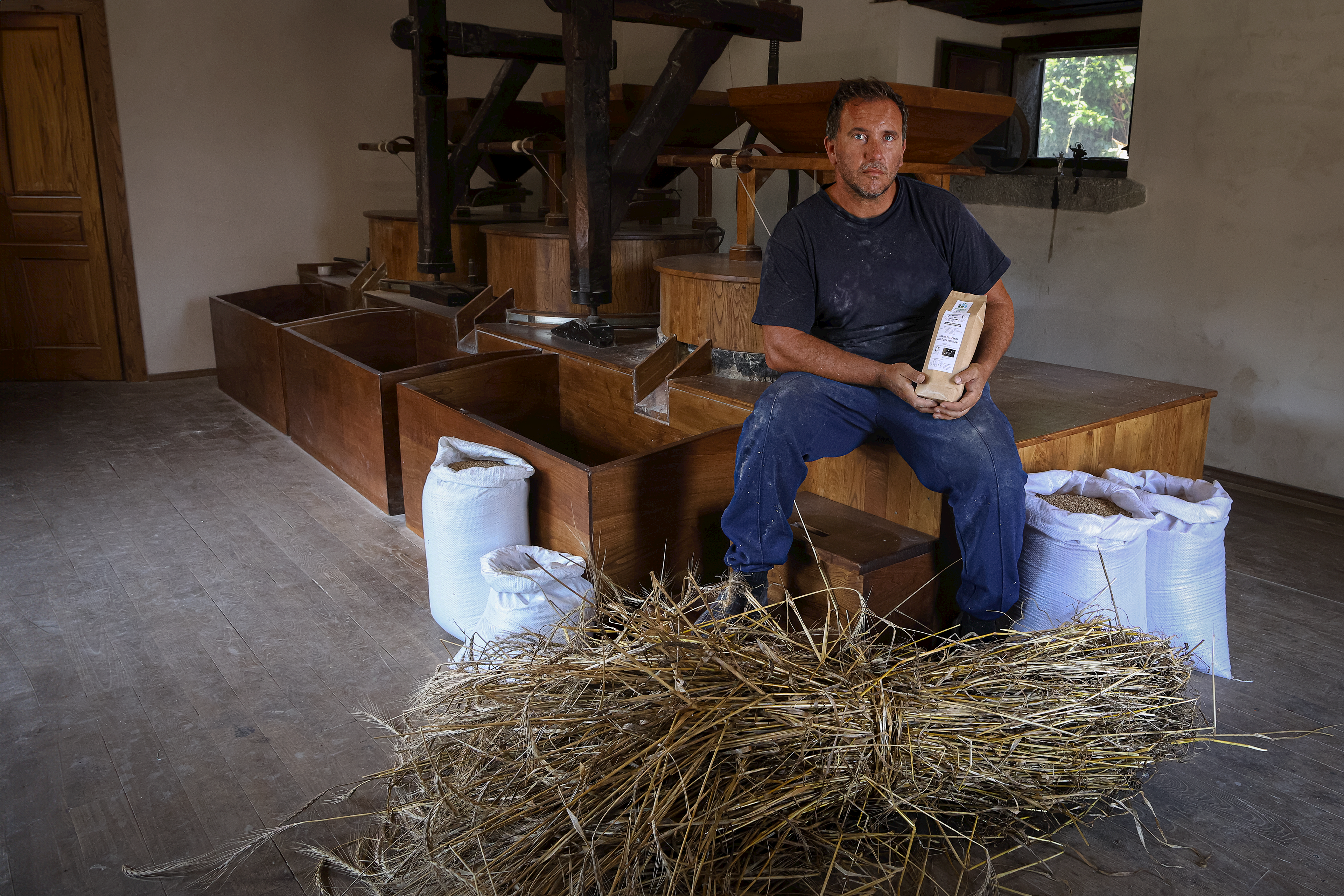
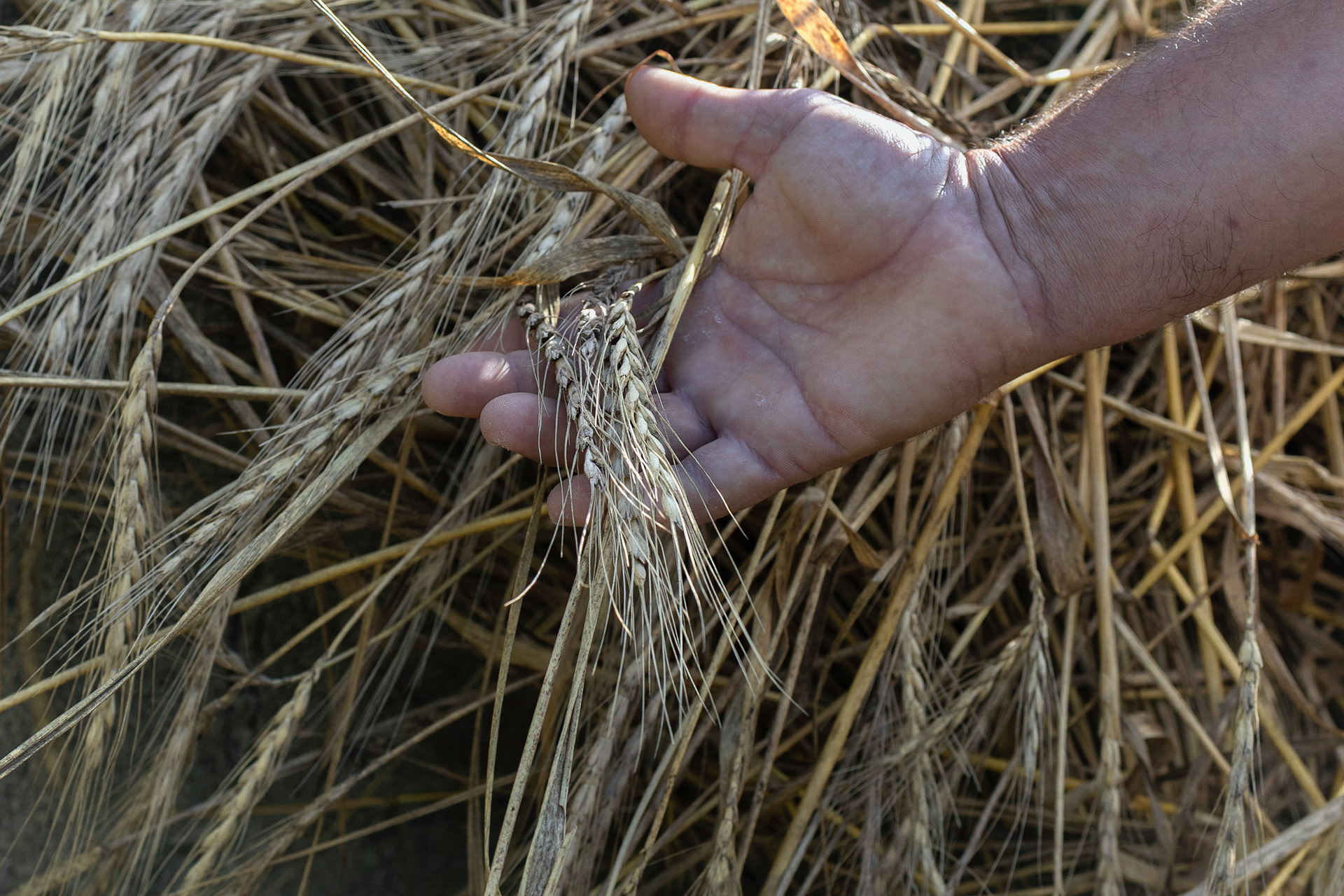
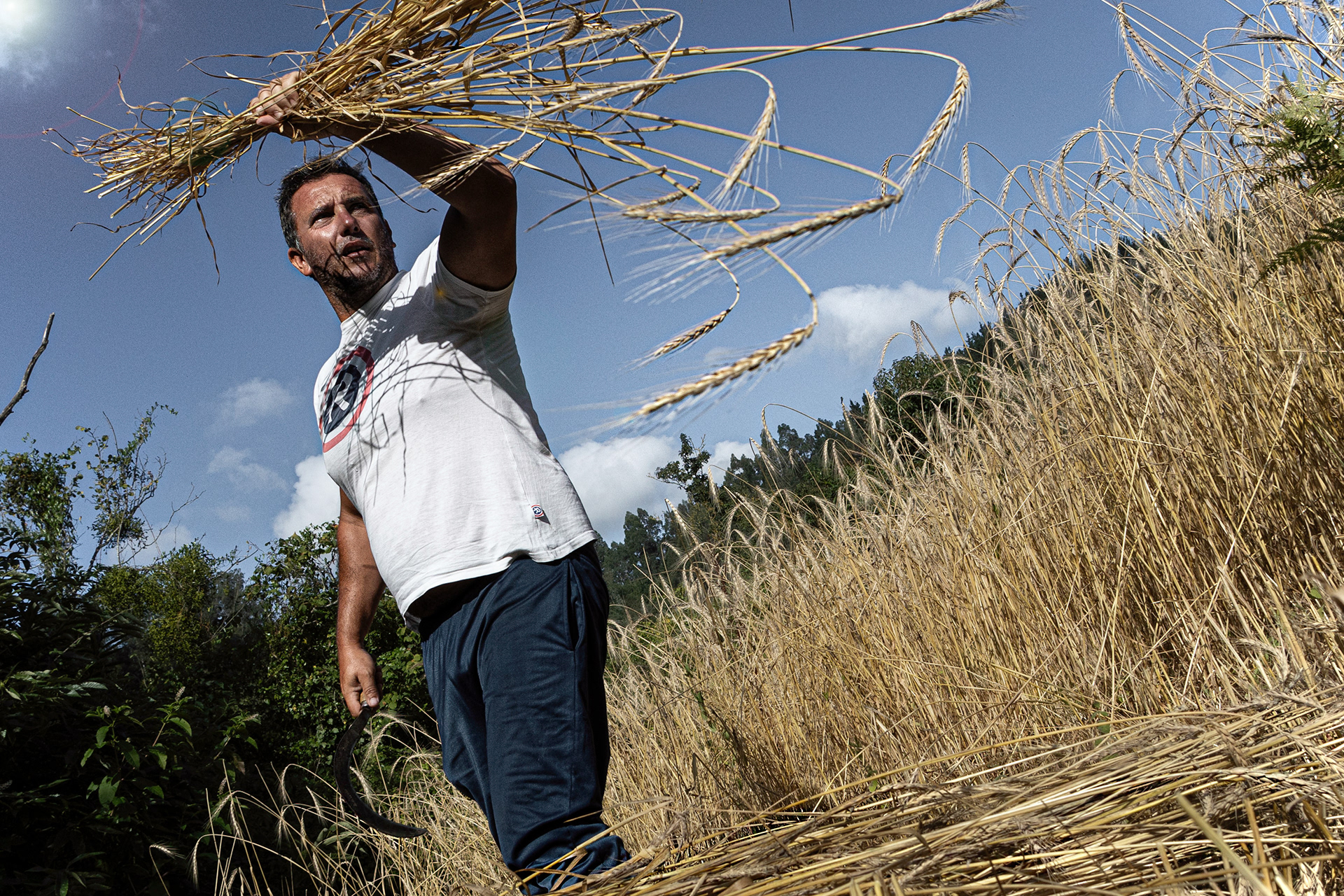
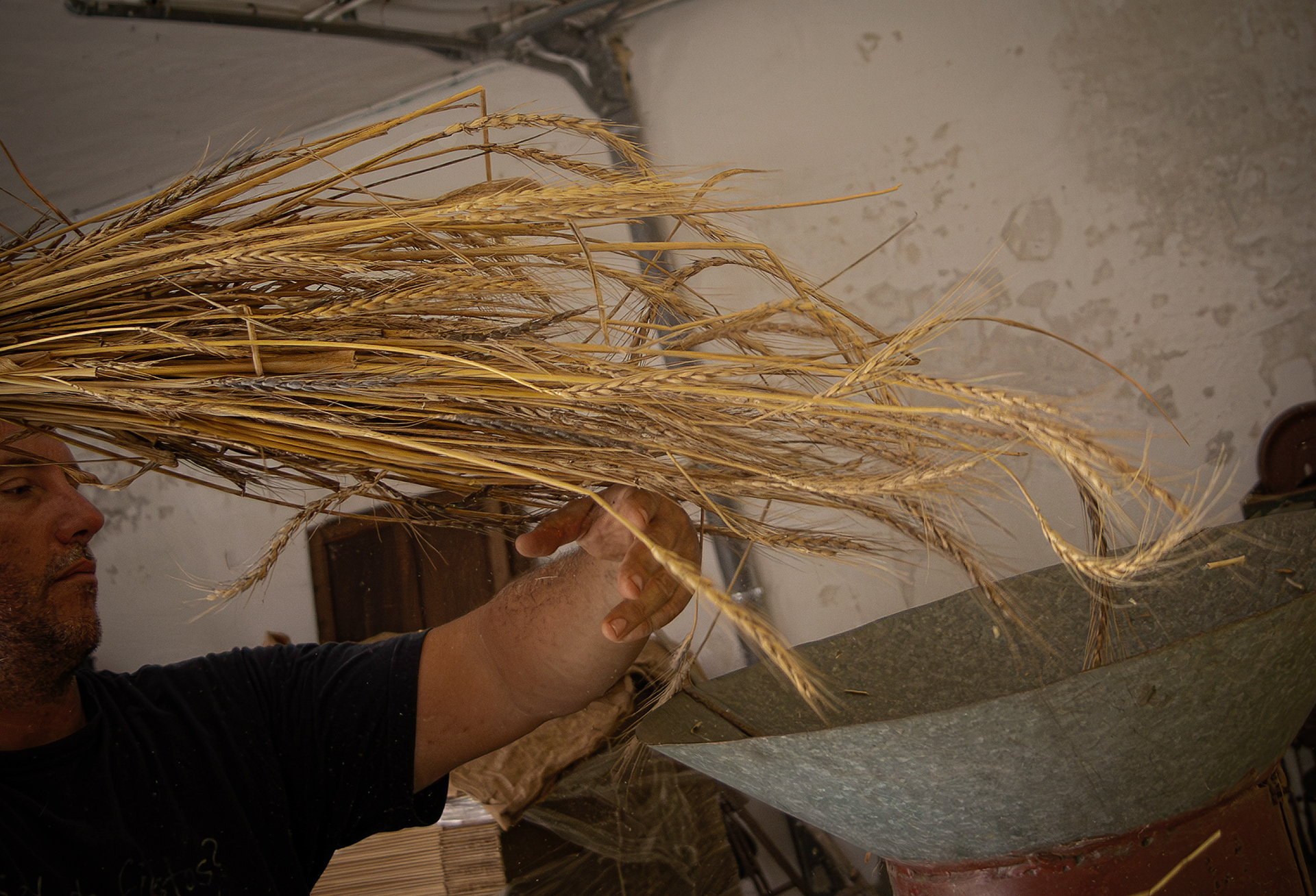
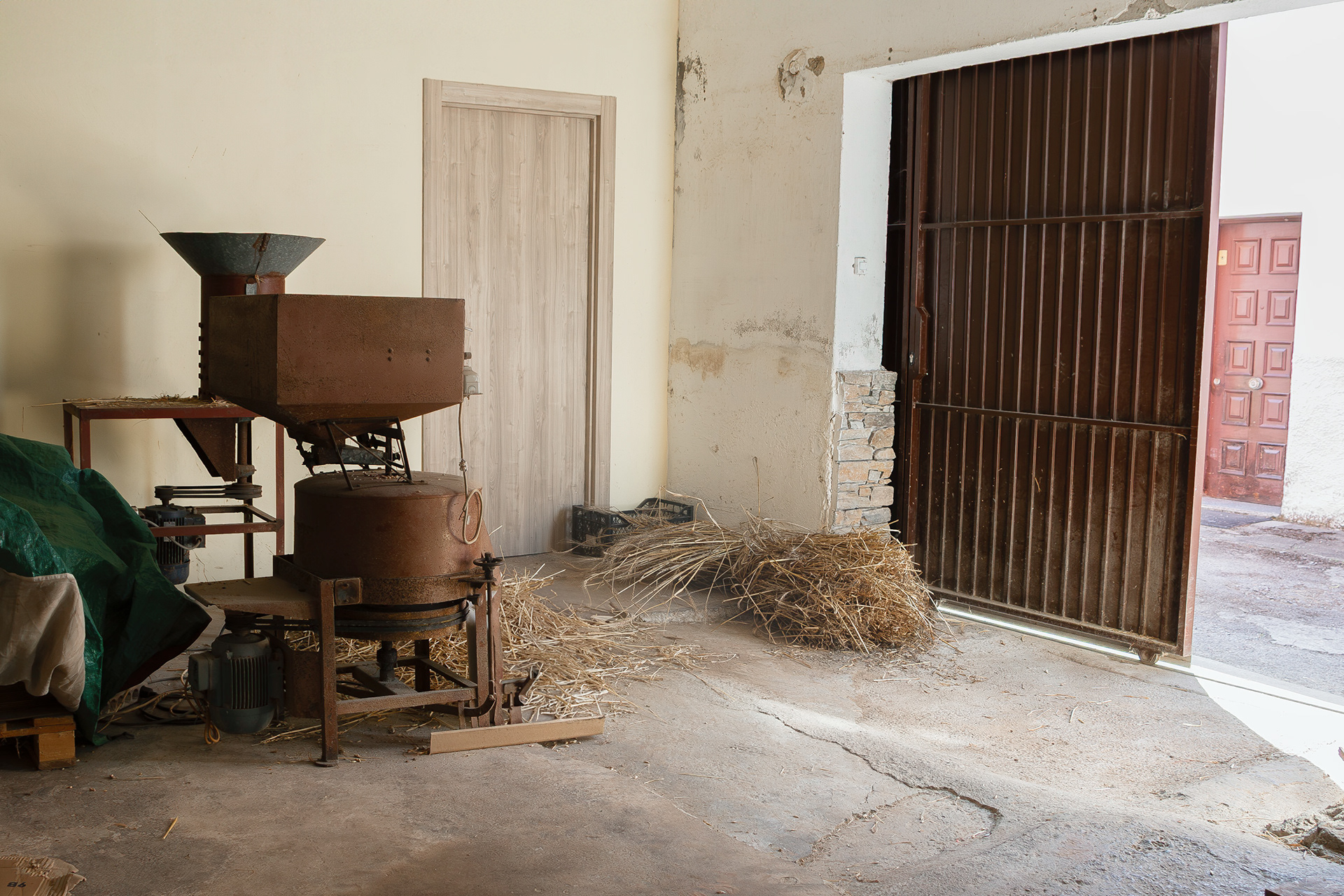
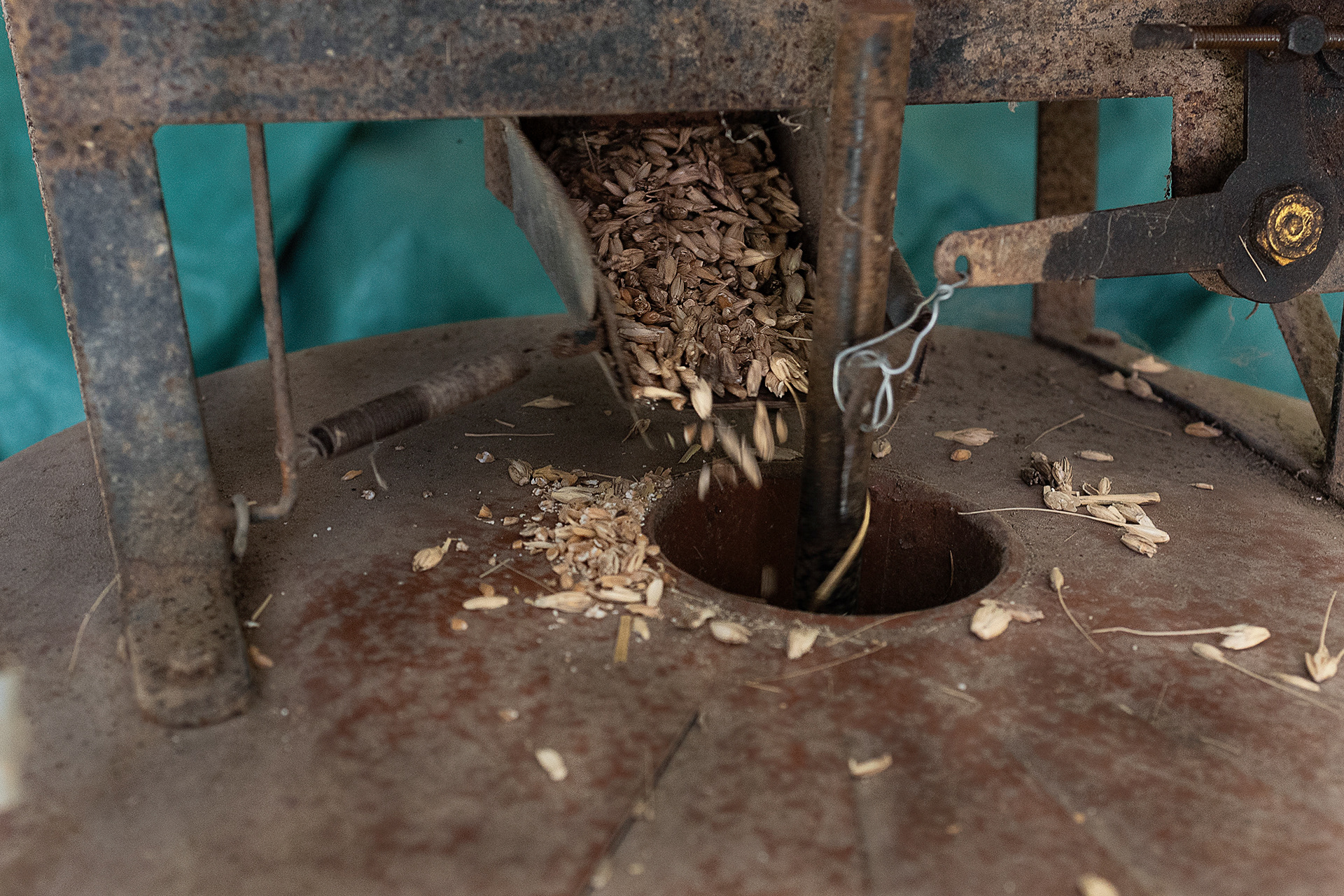
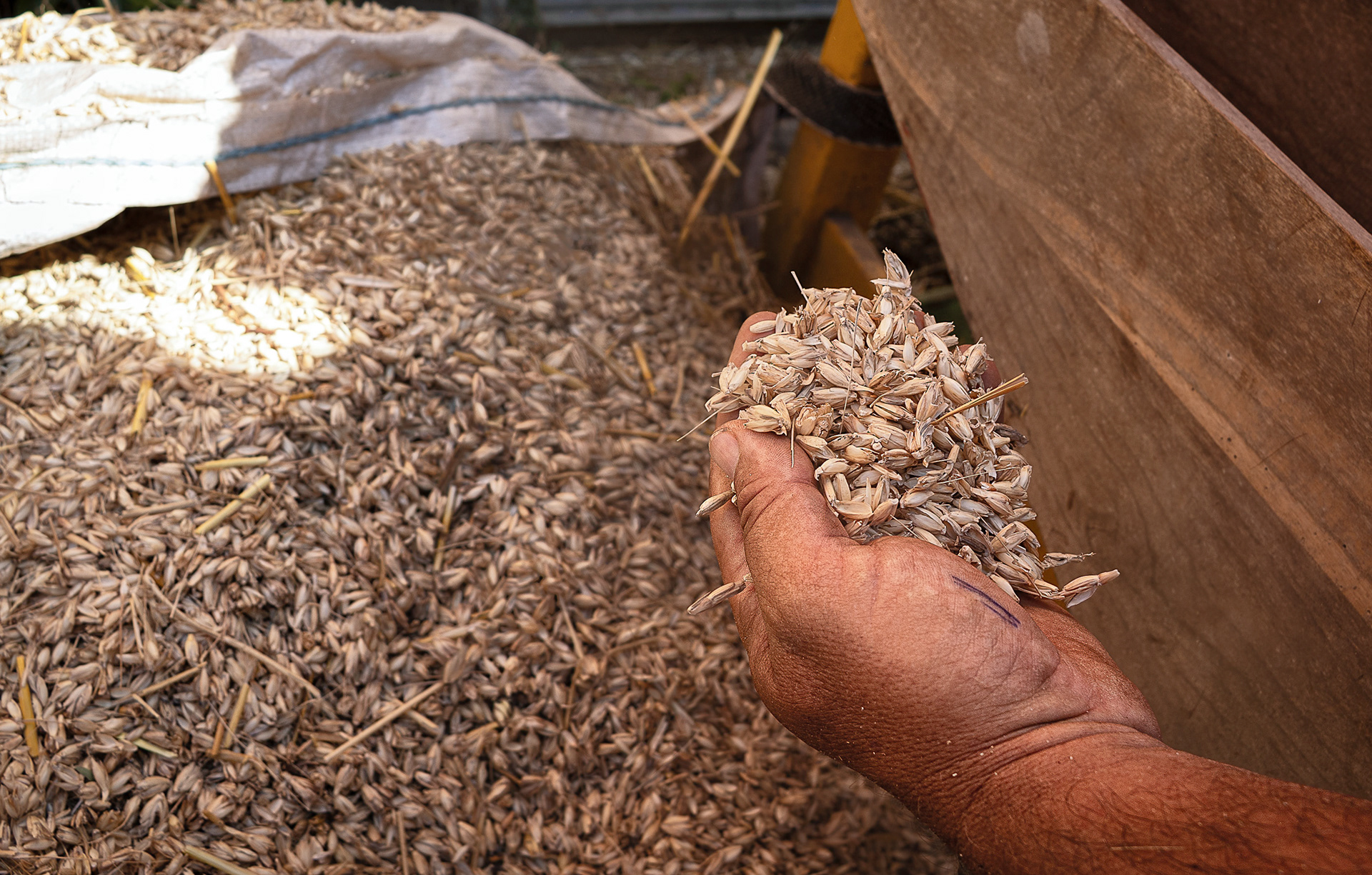
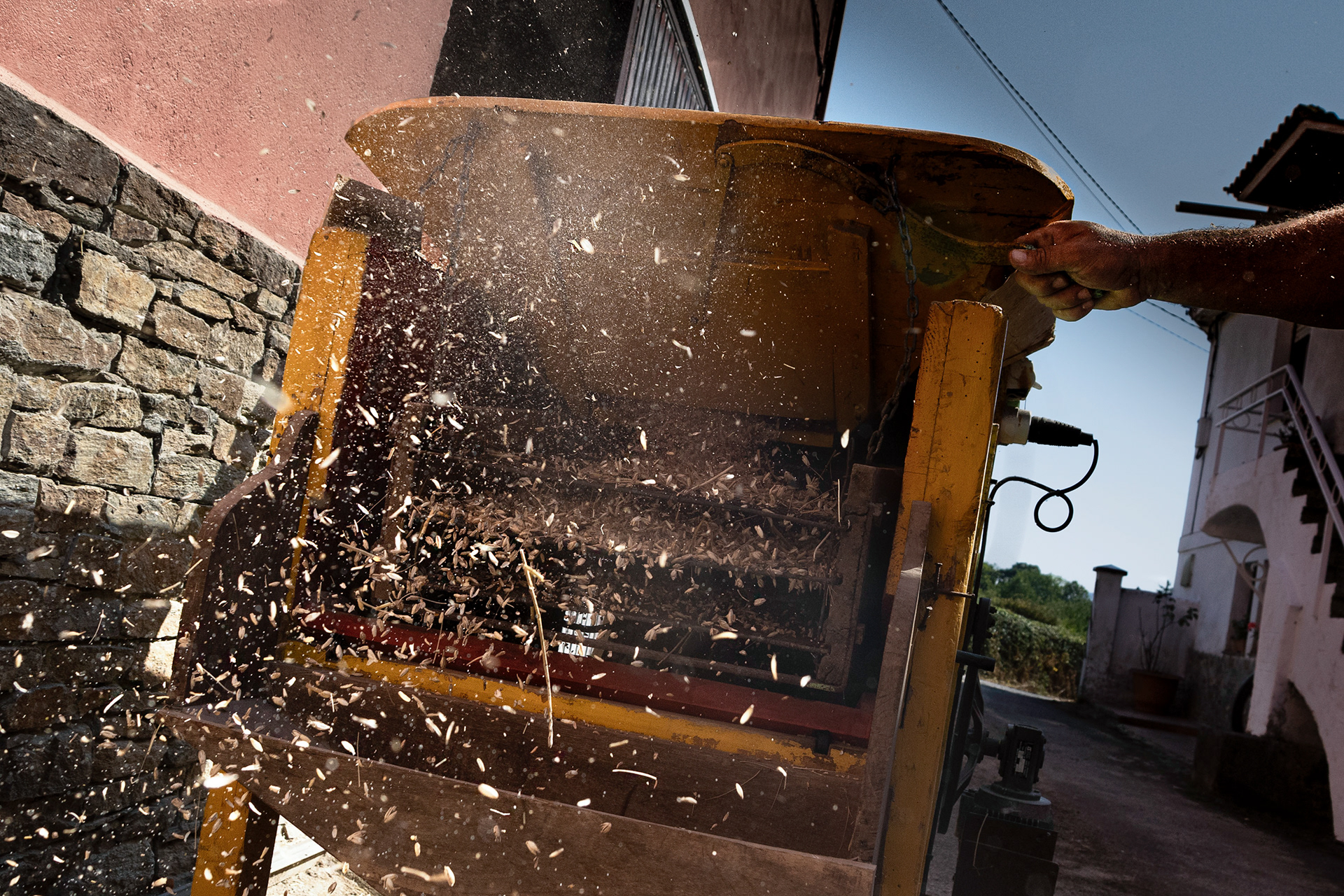
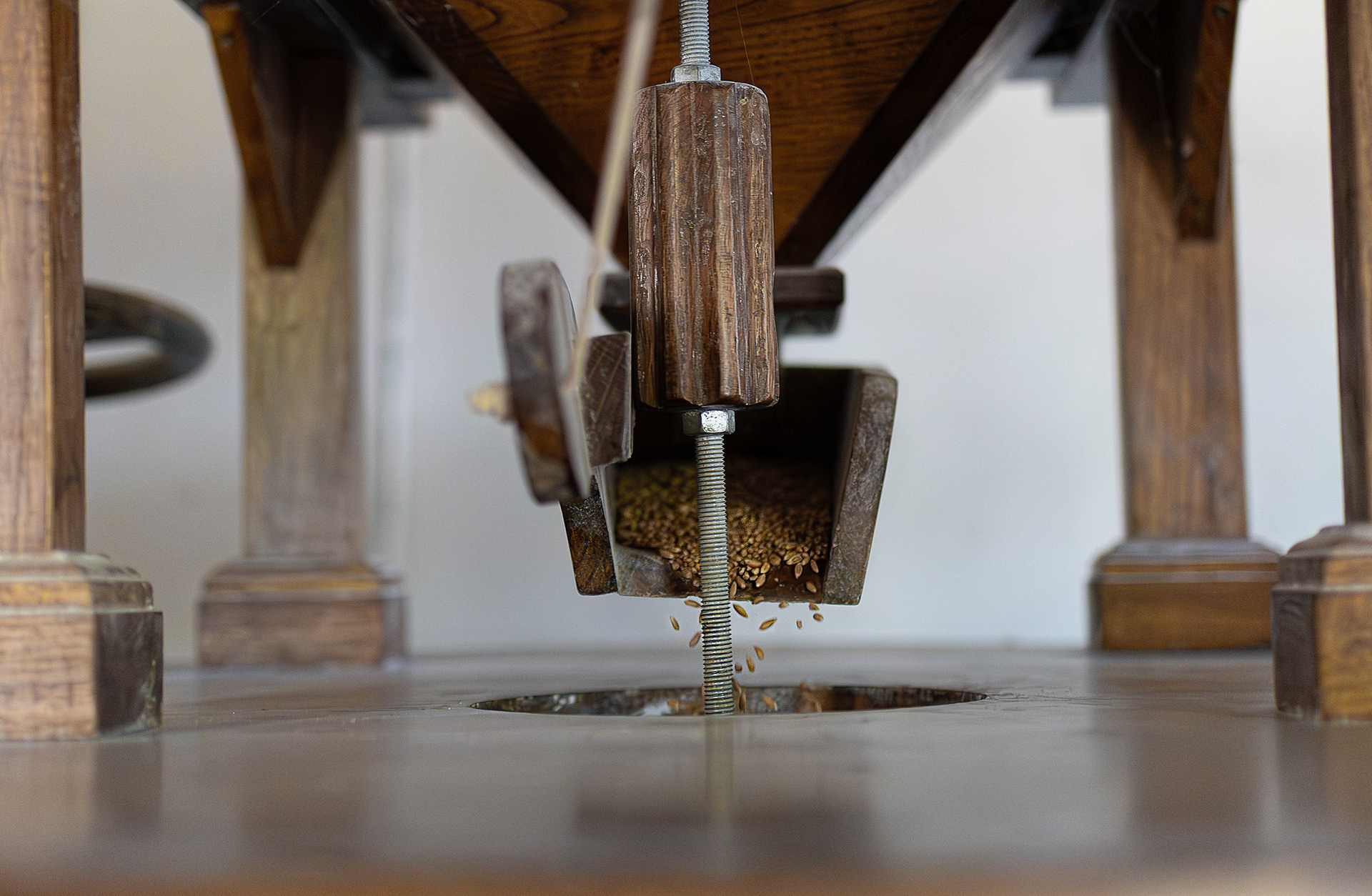
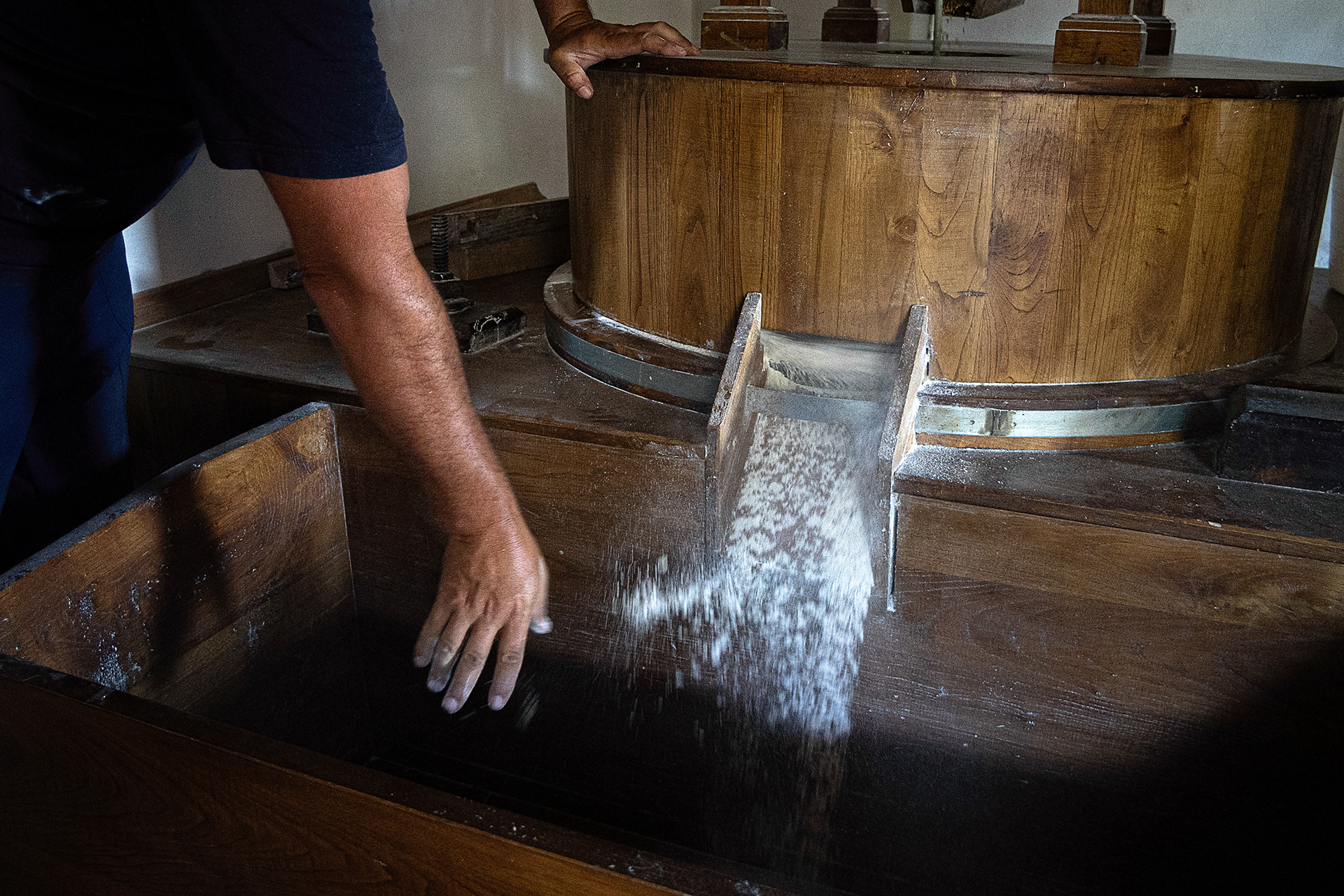
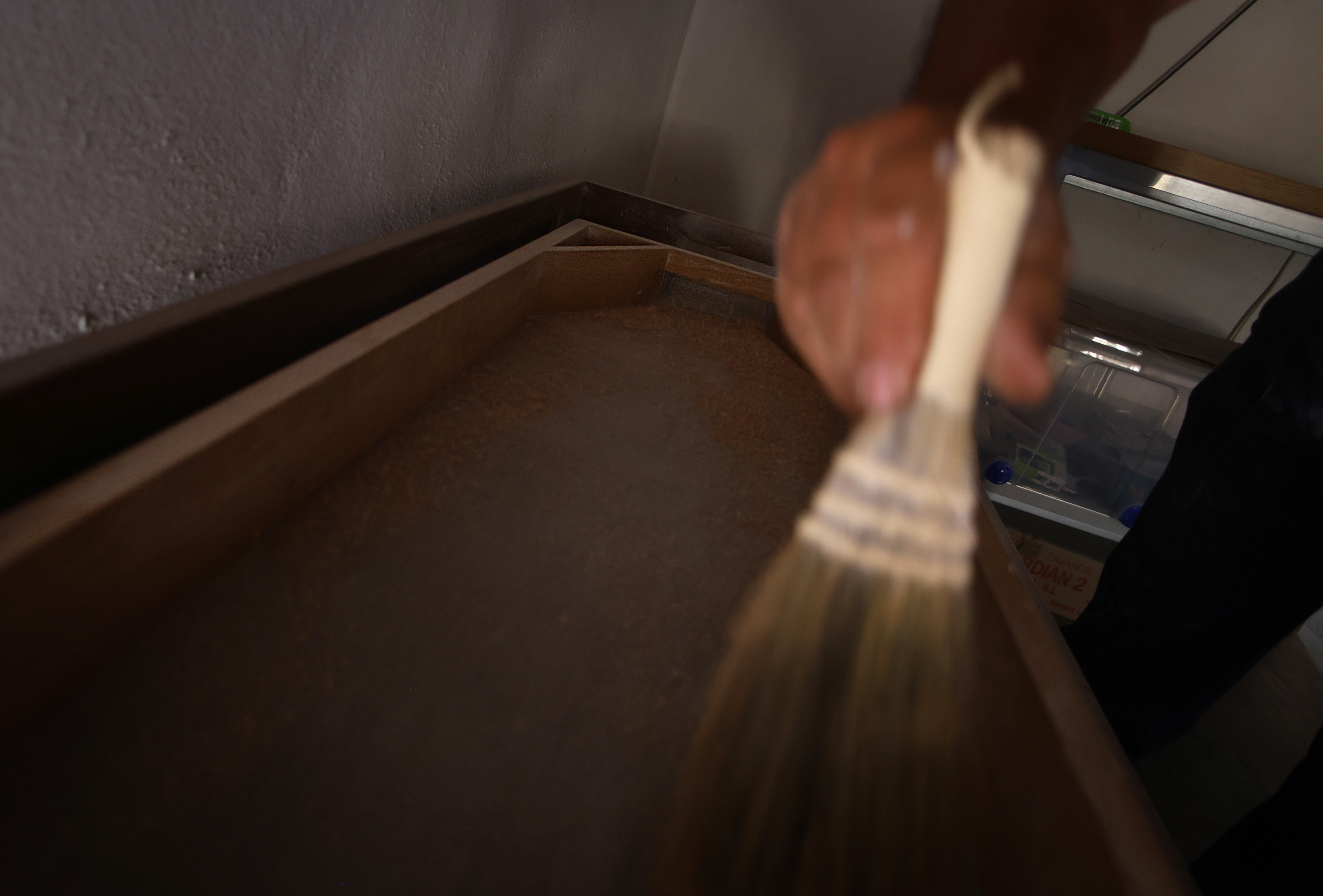
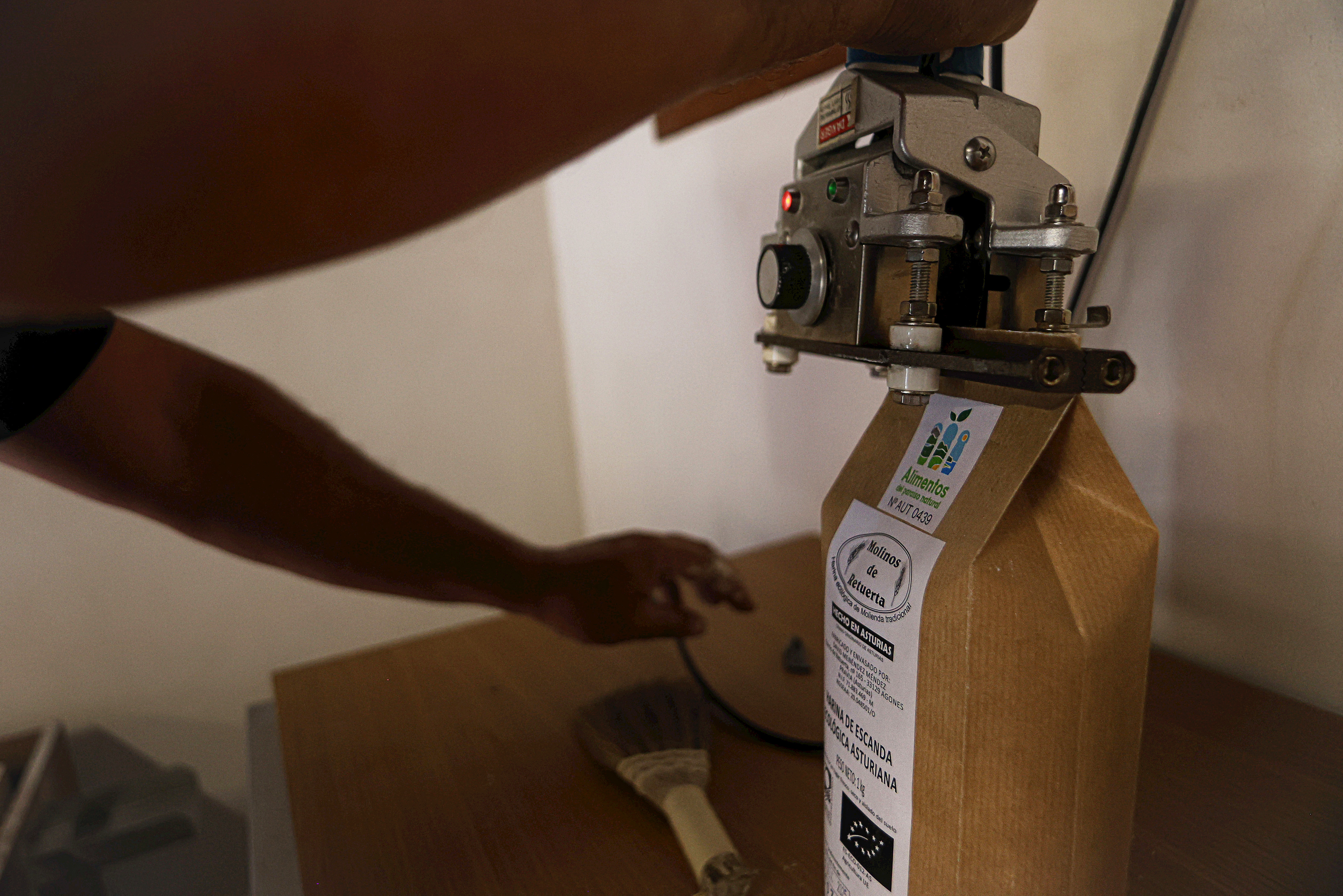
Sobrevive uno de los últimos molinos hidráulicos en funcionamiento en España, con más de 300 años de historia y reconocido por la calidad de sus piedras y la pericia de quienes lo operan. Tras más de siete décadas inactivo, David decidió restaurarlo, contando con la ayuda de Luis Fernández, heredero de varias generaciones de molineros, y dedicando doce años a devolverle la vida. Hoy, el molino muele exclusivamente granos autóctonos y ecológicos, respetando la biodiversidad y preservando las propiedades originales mediante la molienda en piedra. Todo el proceso, desde el trillado hasta el envasado en papel según la tradición, asegura una harina muy valorada por la alta cocina.
Este oficio forma parte de los inventarios de Patrimonio Cultural Inmaterial Asturiano.
📍 Agones
David, miller
One of the last working watermills in Spain survives here—over 300 years old and renowned for the quality of its millstones and the skill of those who operate it. After more than seven decades of inactivity, David set out to restore it, with the help of Luis Fernández, heir to generations of millers, dedicating twelve years to bringing it back to life.
Today, the mill grinds exclusively native, organic grains, respecting biodiversity and preserving their original properties through stone milling. The entire process—from threshing to paper packaging, following tradition—ensures a flour highly valued by fine dining.
This trade is included in the inventories of Asturian Intangible Cultural Heritage.
Pravia
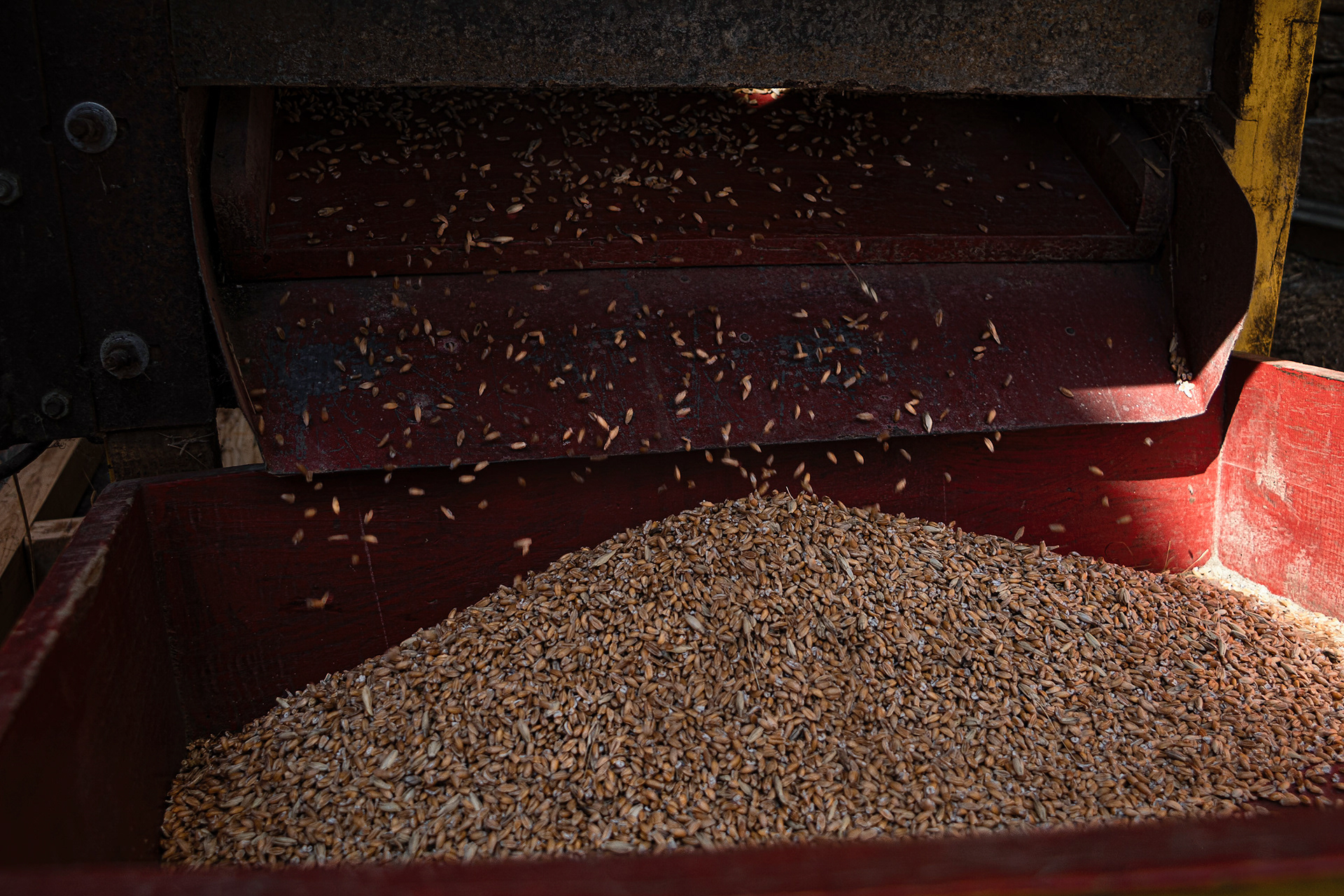
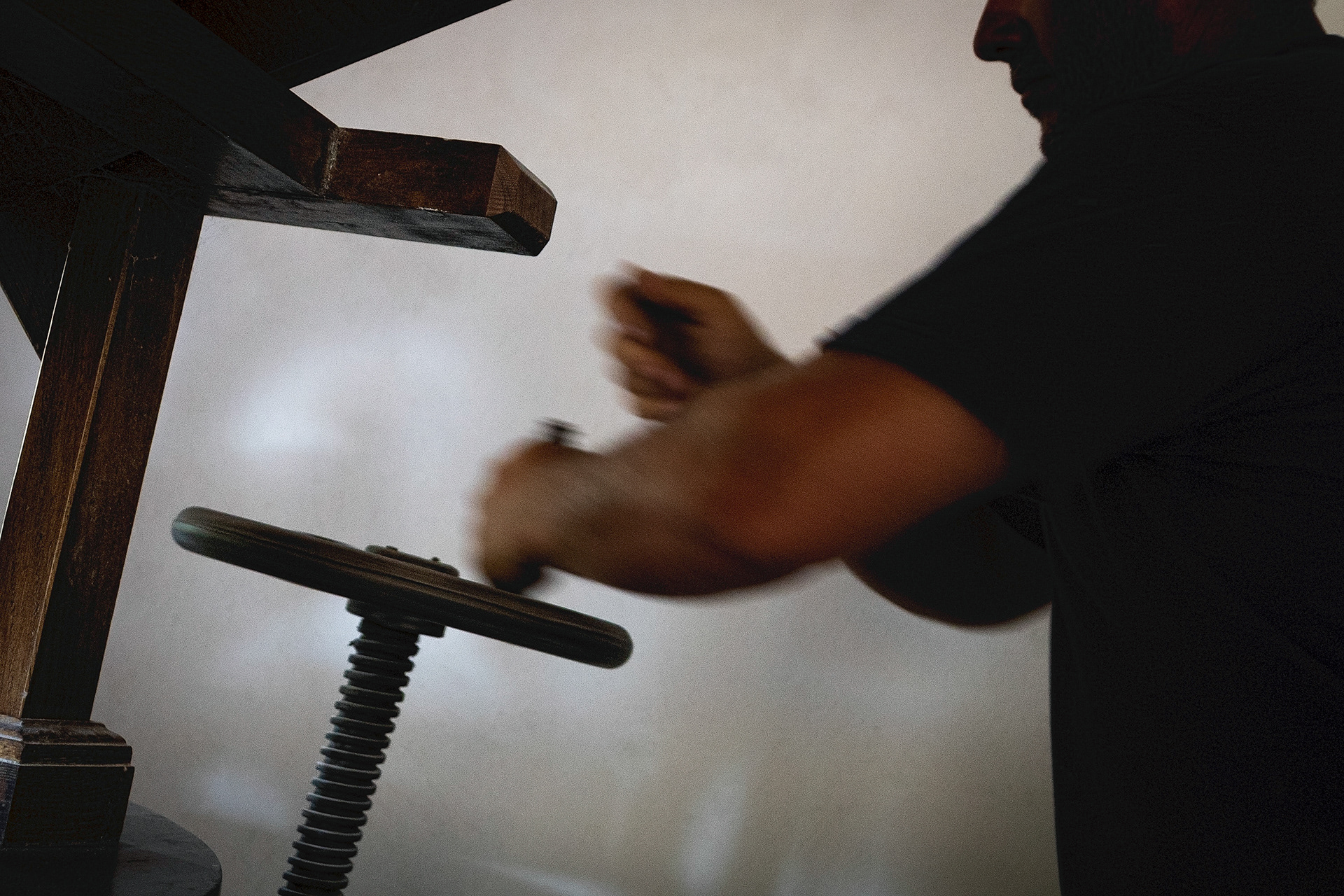
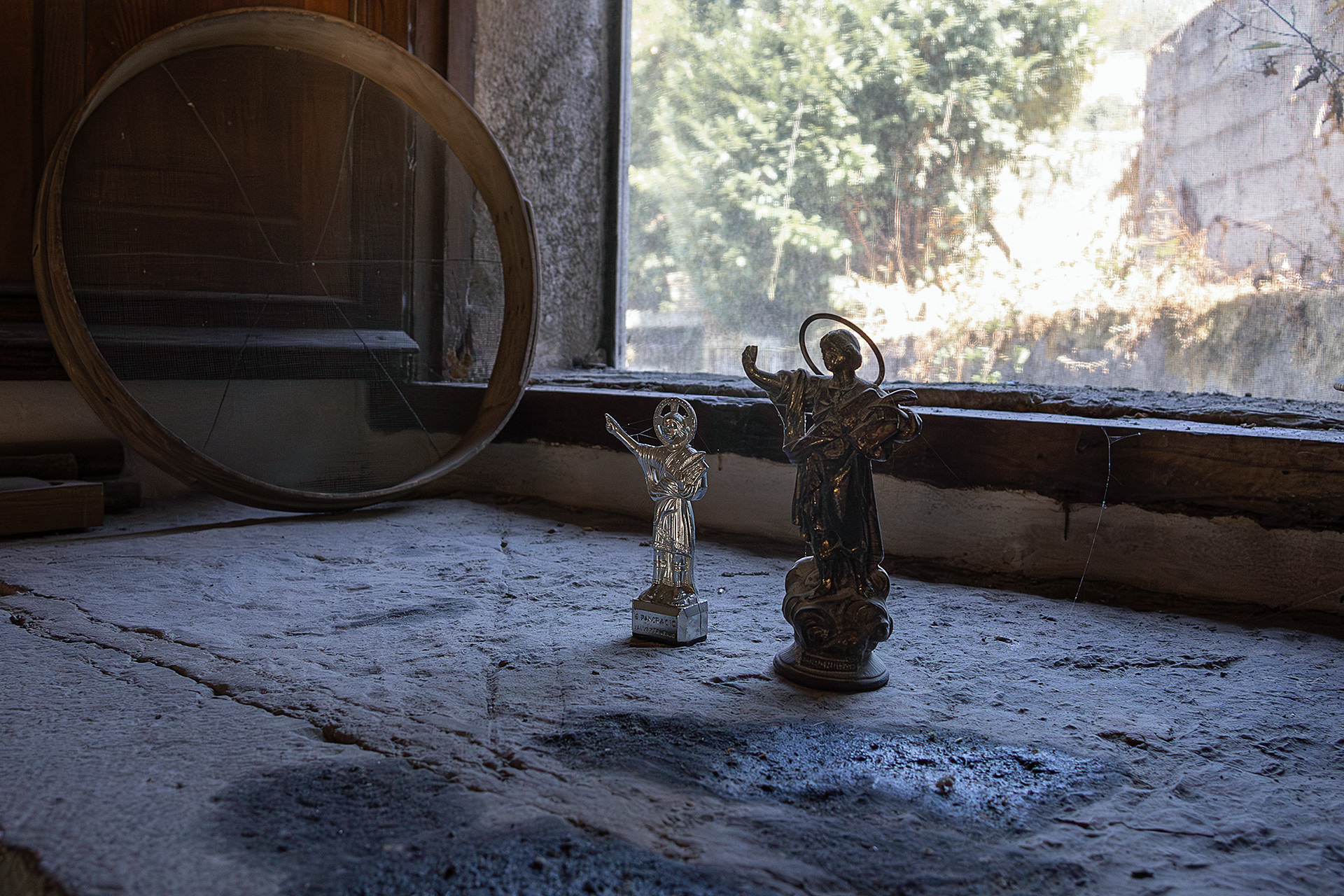
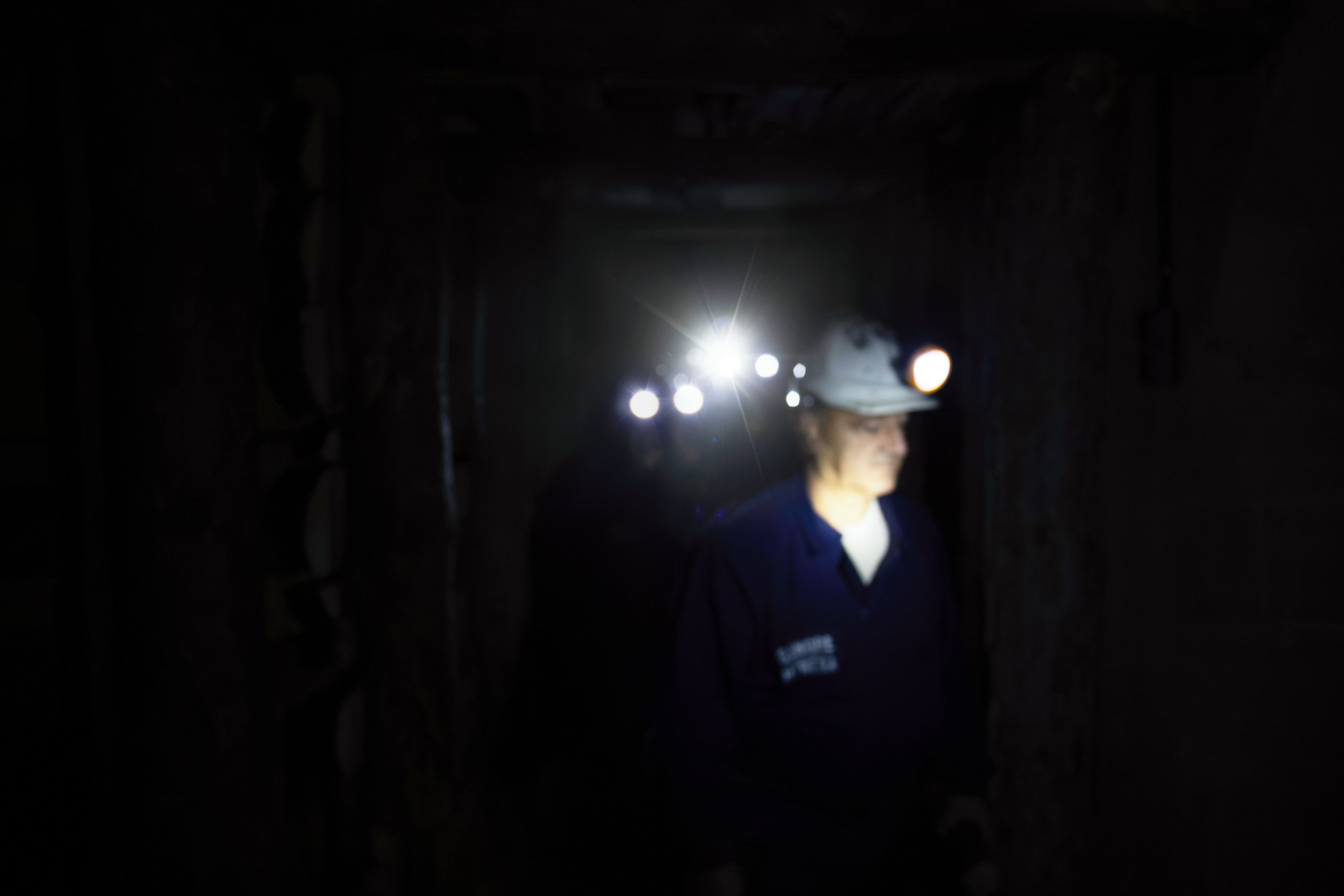
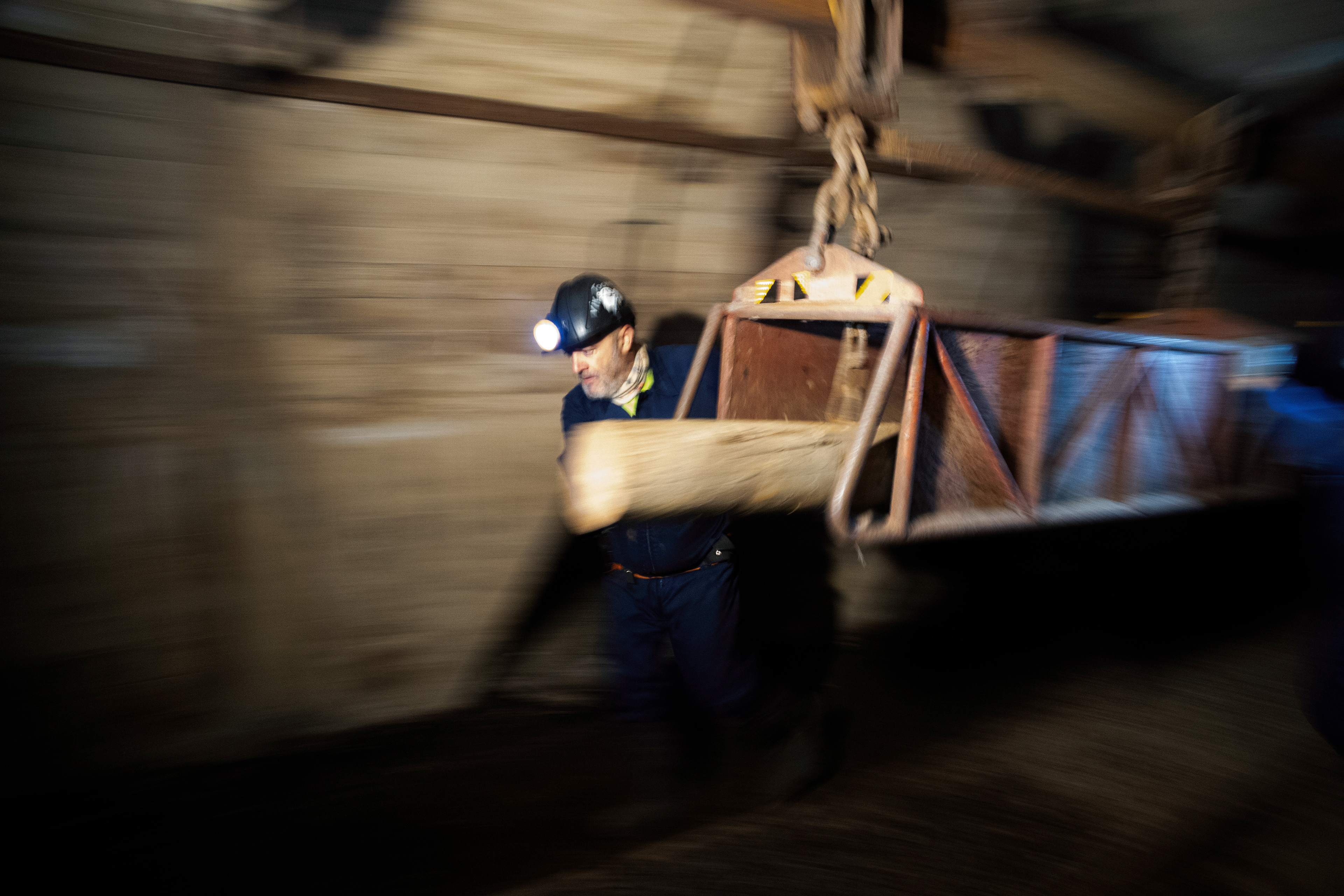
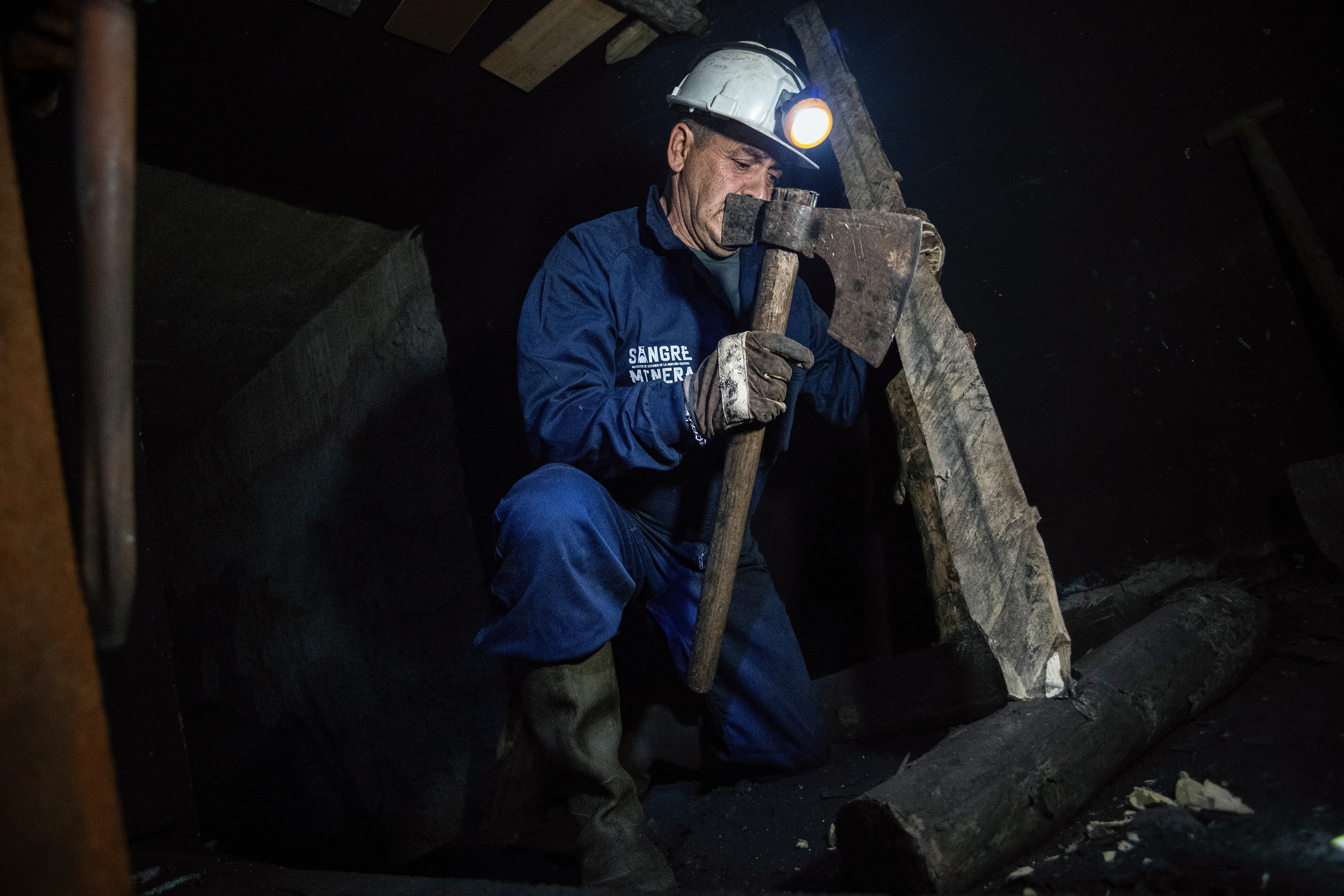
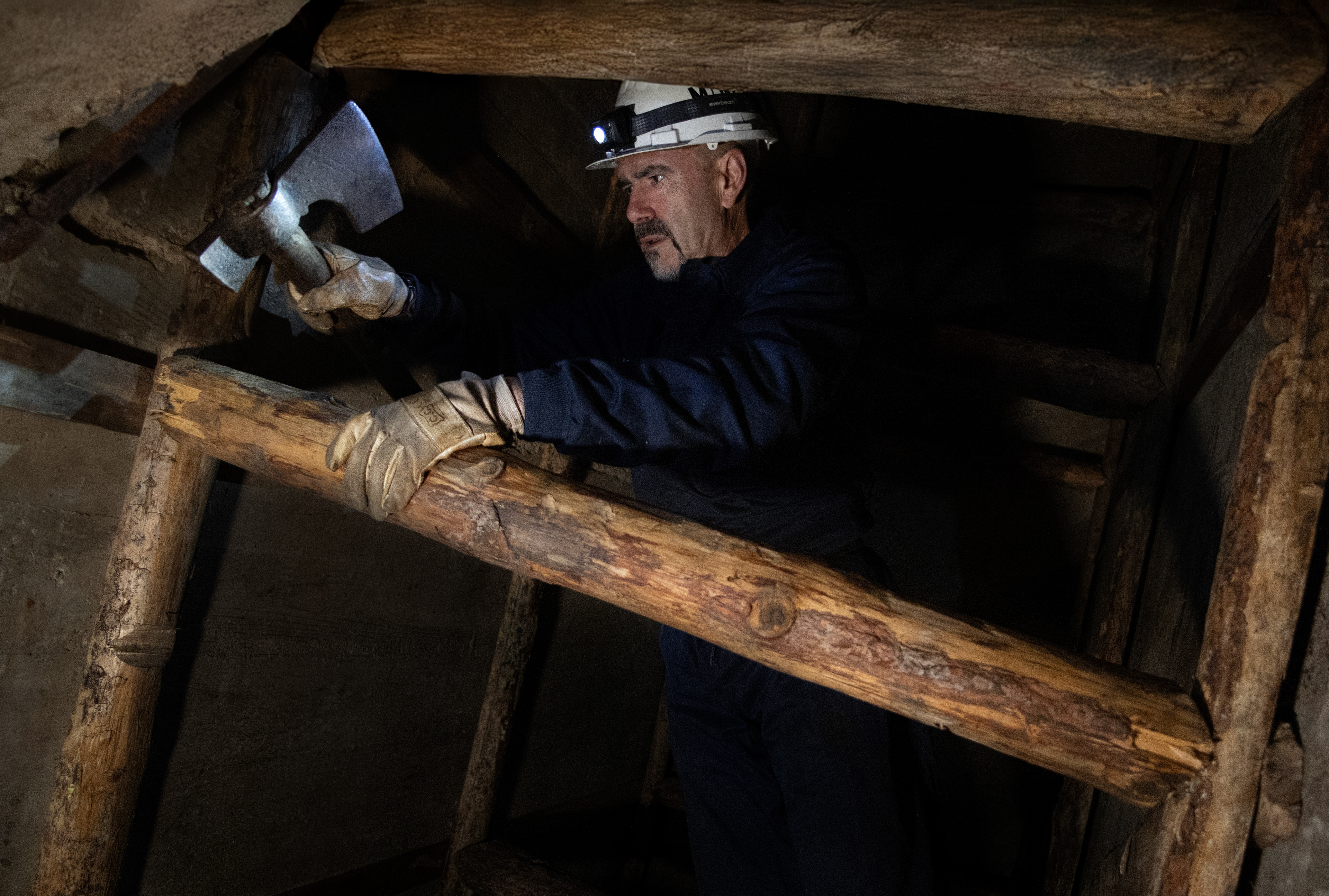
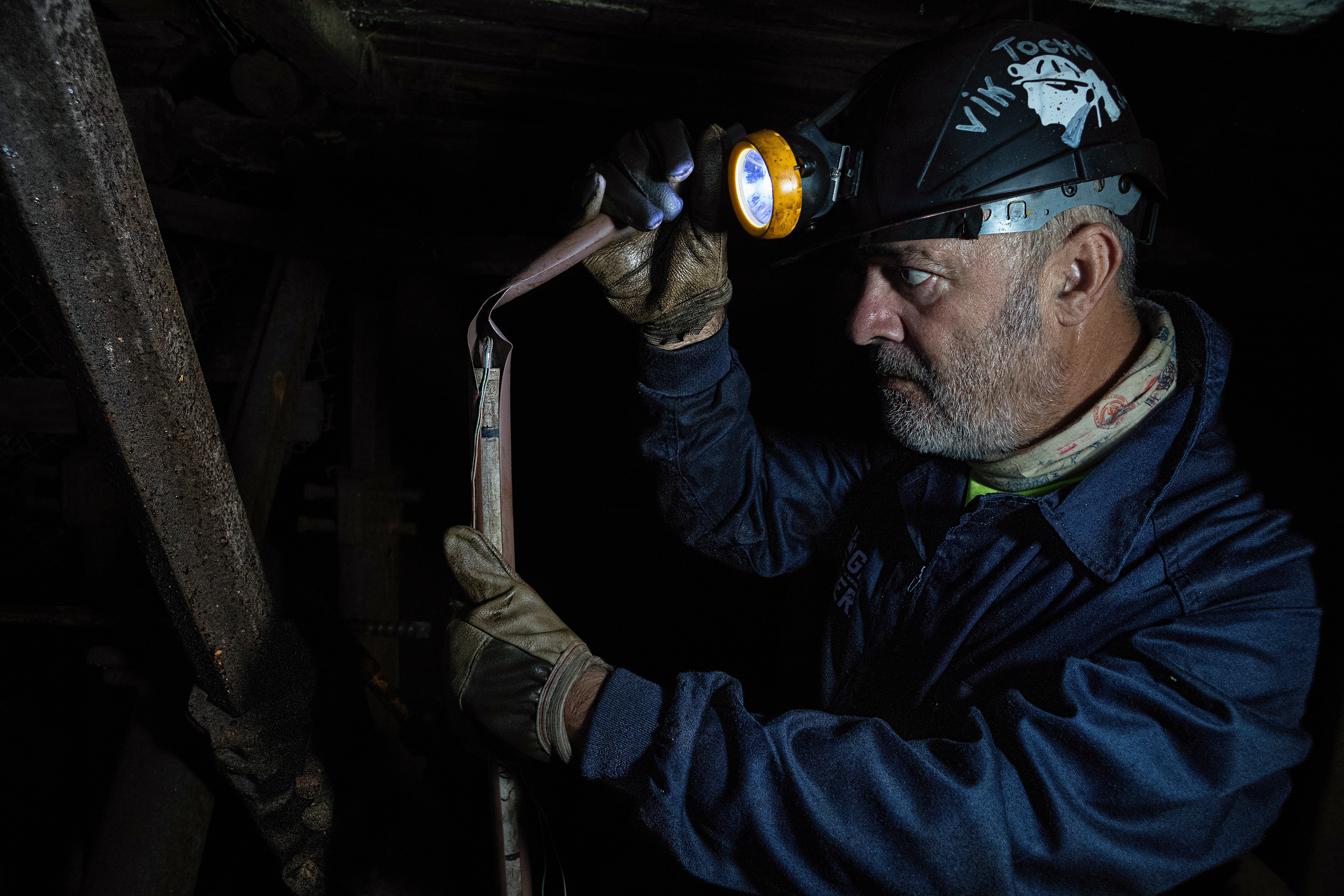
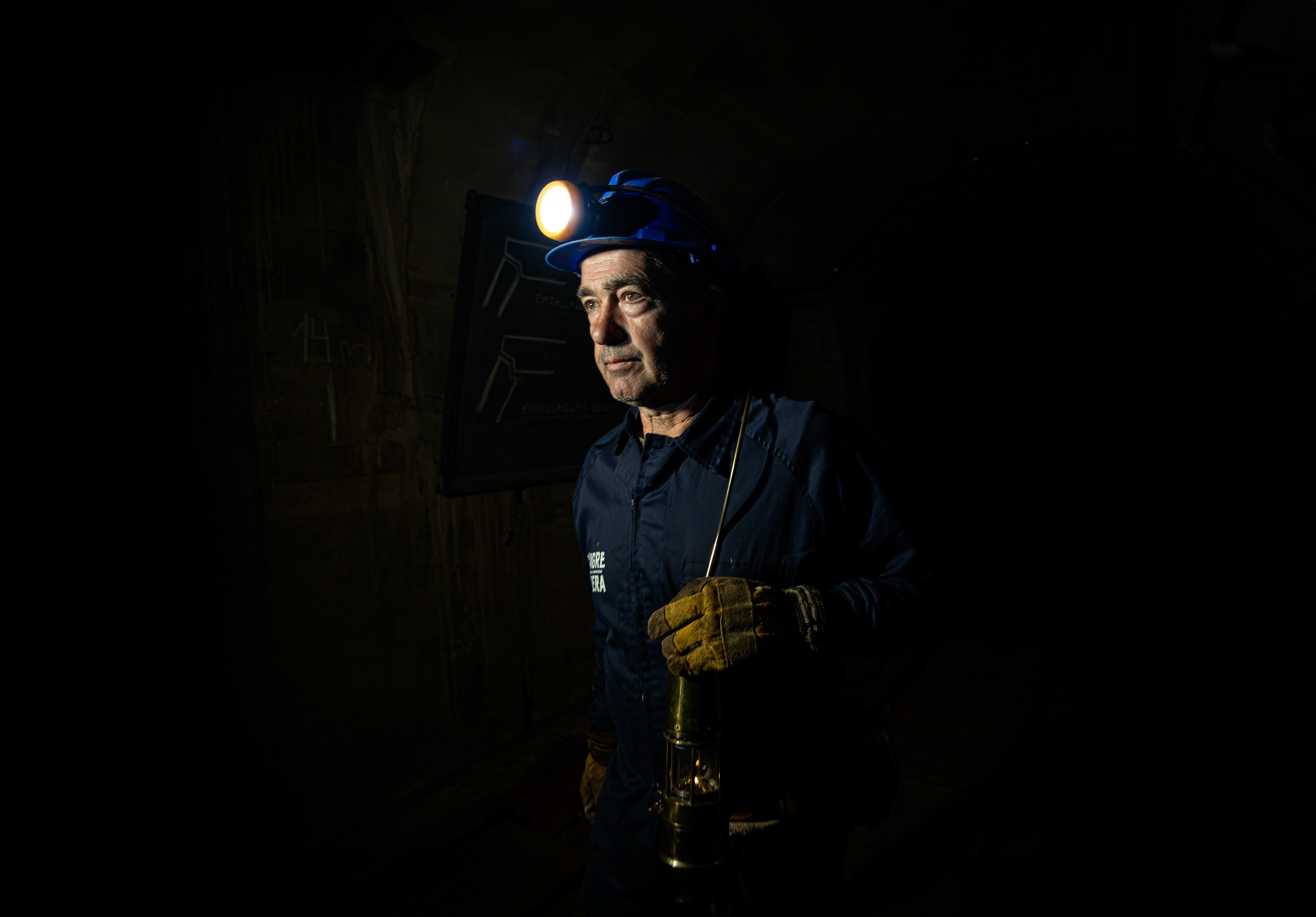
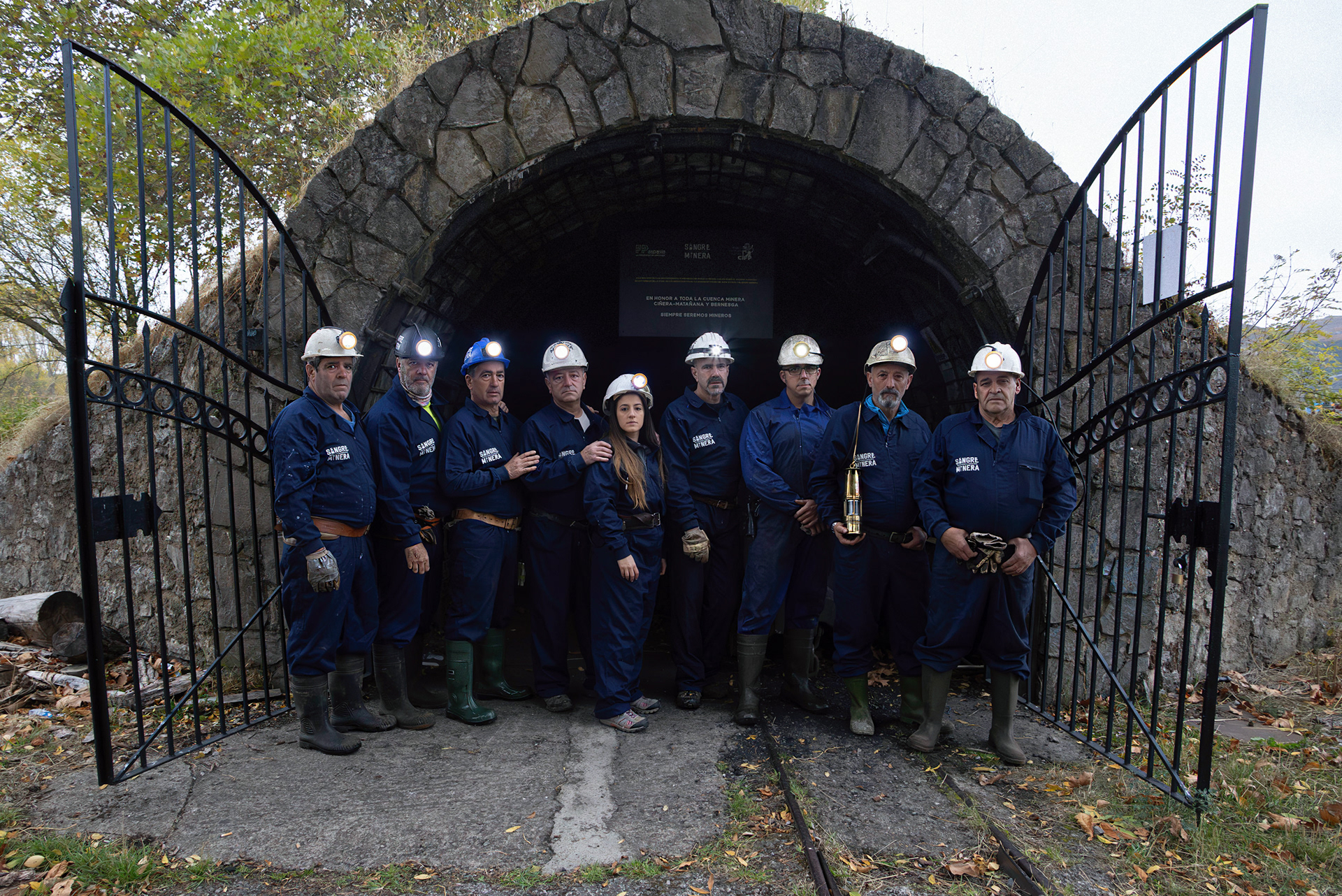
Sangre Minera
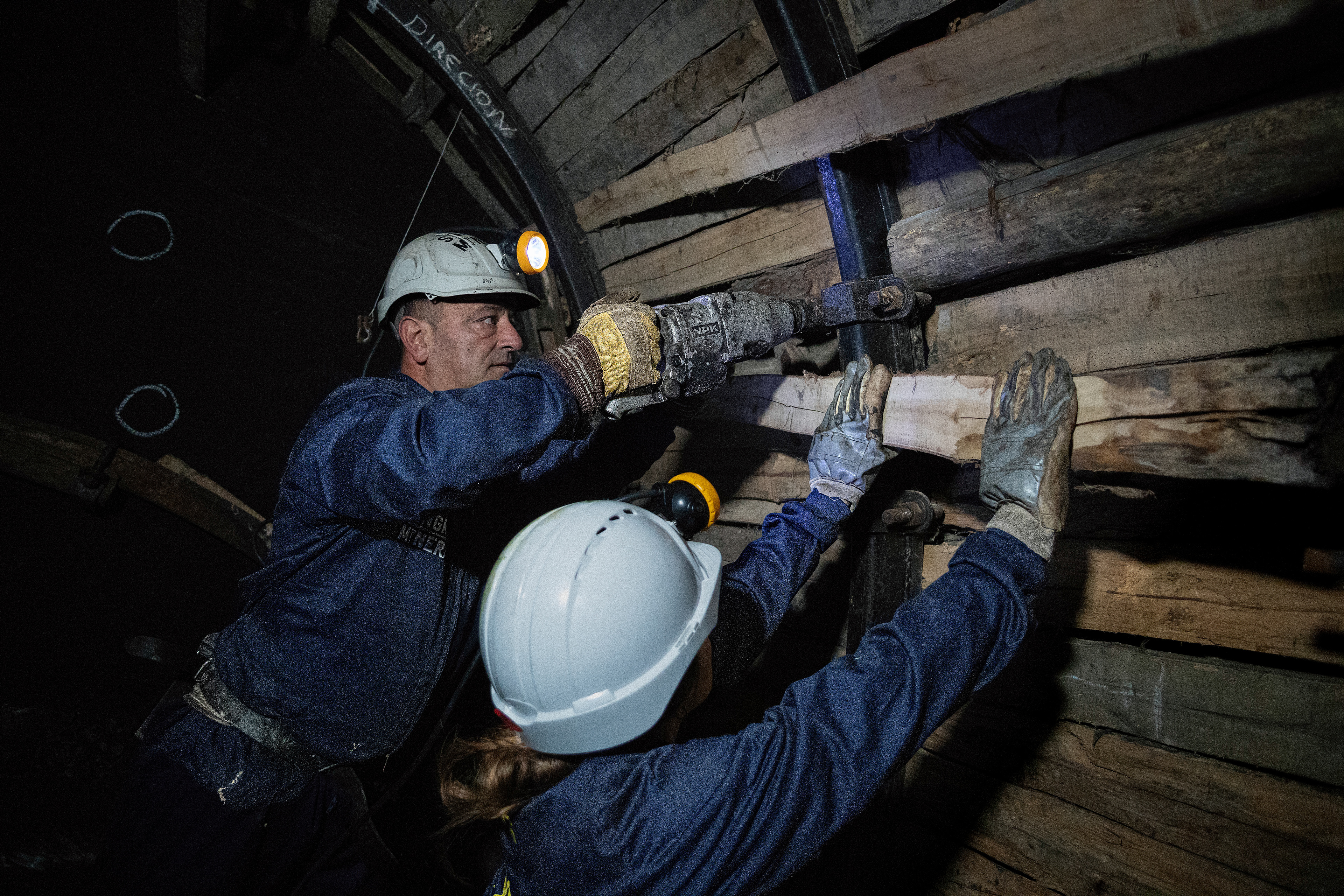
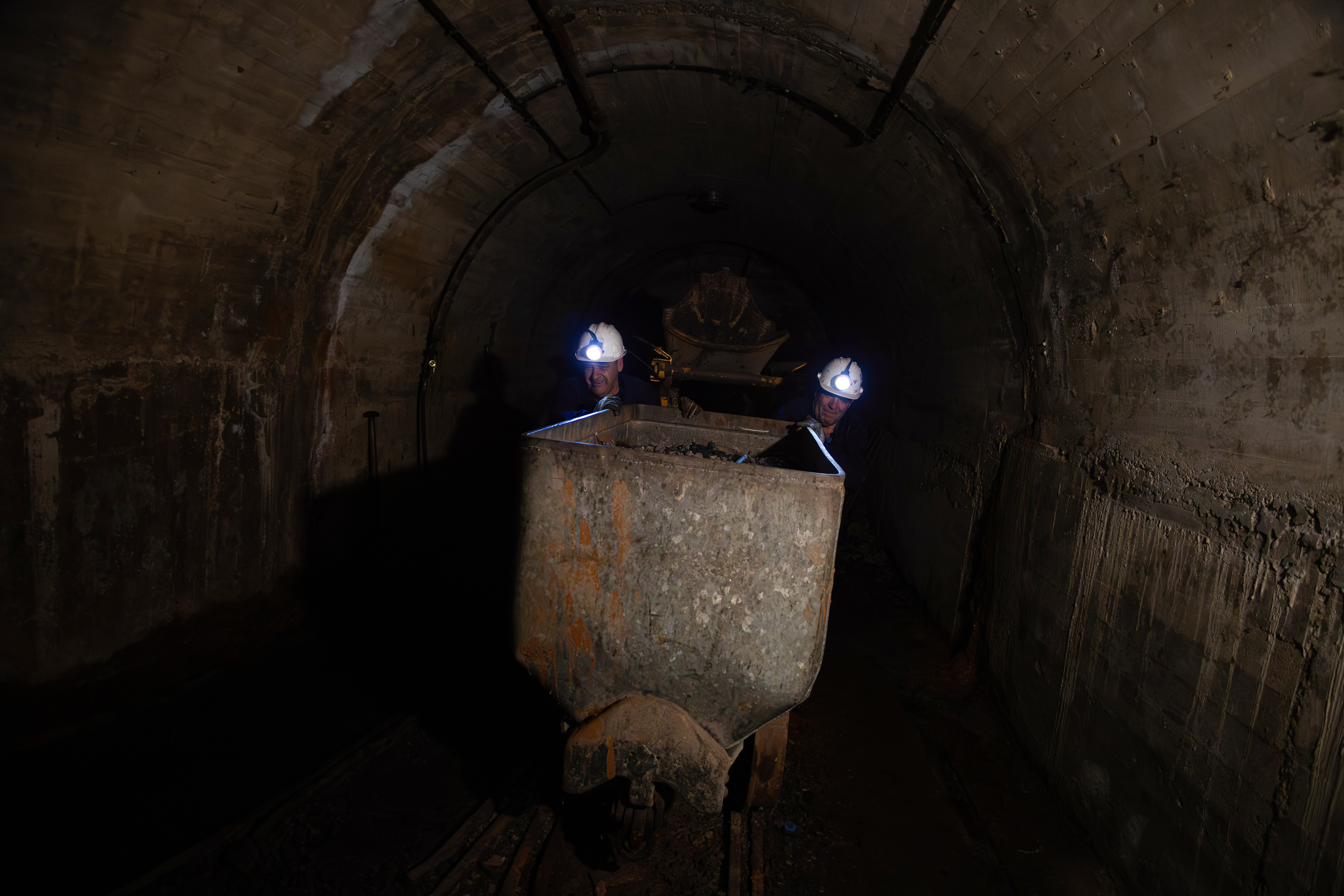
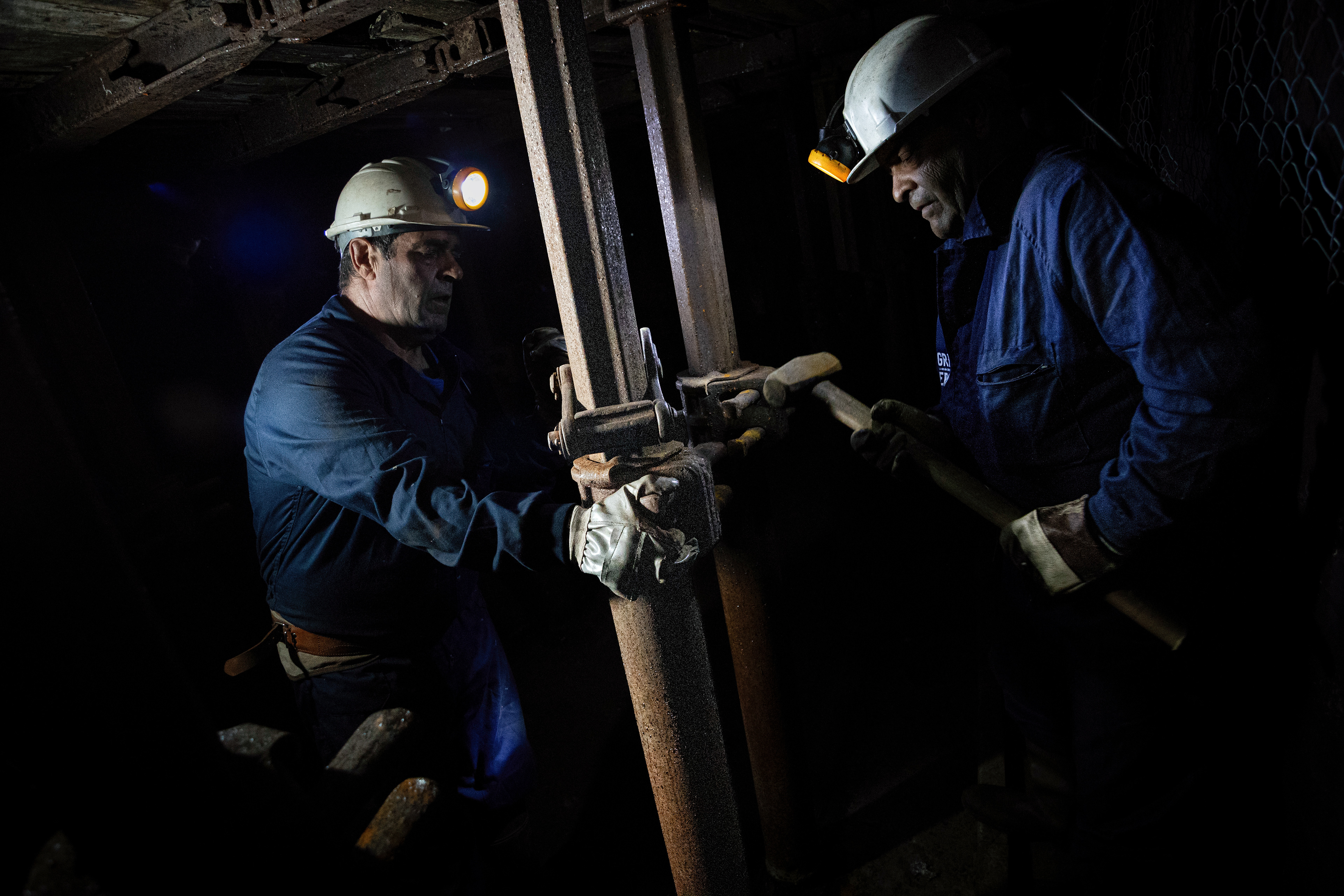
En La Robla, León, un grupo de mineros prejubilados ha reconstruido una antigua mina-escuela, utilizada en su origen para formar a los trabajadores antes de su descenso a la explotación real. Hoy, este espacio acoge visitas guiadas para colegios, escuelas de ingeniería y otros visitantes interesados en conocer de cerca la memoria minera de la zona.
La Robla fue una de las cuencas mineras más prósperas de León. Sin embargo, cuando la empresa que gestionaba los pozos entró en concurso de acreedores, todos los materiales, incluidos los emblemáticos castilletes, fueron vendidos como chatarra.
En la actualidad, apenas quedan vestigios de aquella actividad minera que marcó la identidad del territorio. Ante esa desaparición, este grupo de antiguos artilleros, barrenistas, picadores y vigilantes decidió unir fuerzas para rescatar la mina y devolver a su tierra una parte esencial de su memoria colectiva.
Mining Blood
In La Robla, León, a group of retired miners has rebuilt an old training mine, originally used to prepare workers before descending into the real shafts. Today, the site offers guided tours for school groups, engineering students, and other visitors interested in experiencing the mining heritage of the area.
La Robla was once one of the most prosperous mining basins in León. However, when the company managing the mines went into administration, all equipment—including the iconic headframes—was sold off as scrap metal.
Today, only a few traces of that mining past remain in the area. Faced with this disappearance, a group of former blasters, drillers, coal cutters, and watchmen joined forces to rescue the mine and restore a vital part of their territory’s identity.

Javi e Isma, azabacheros
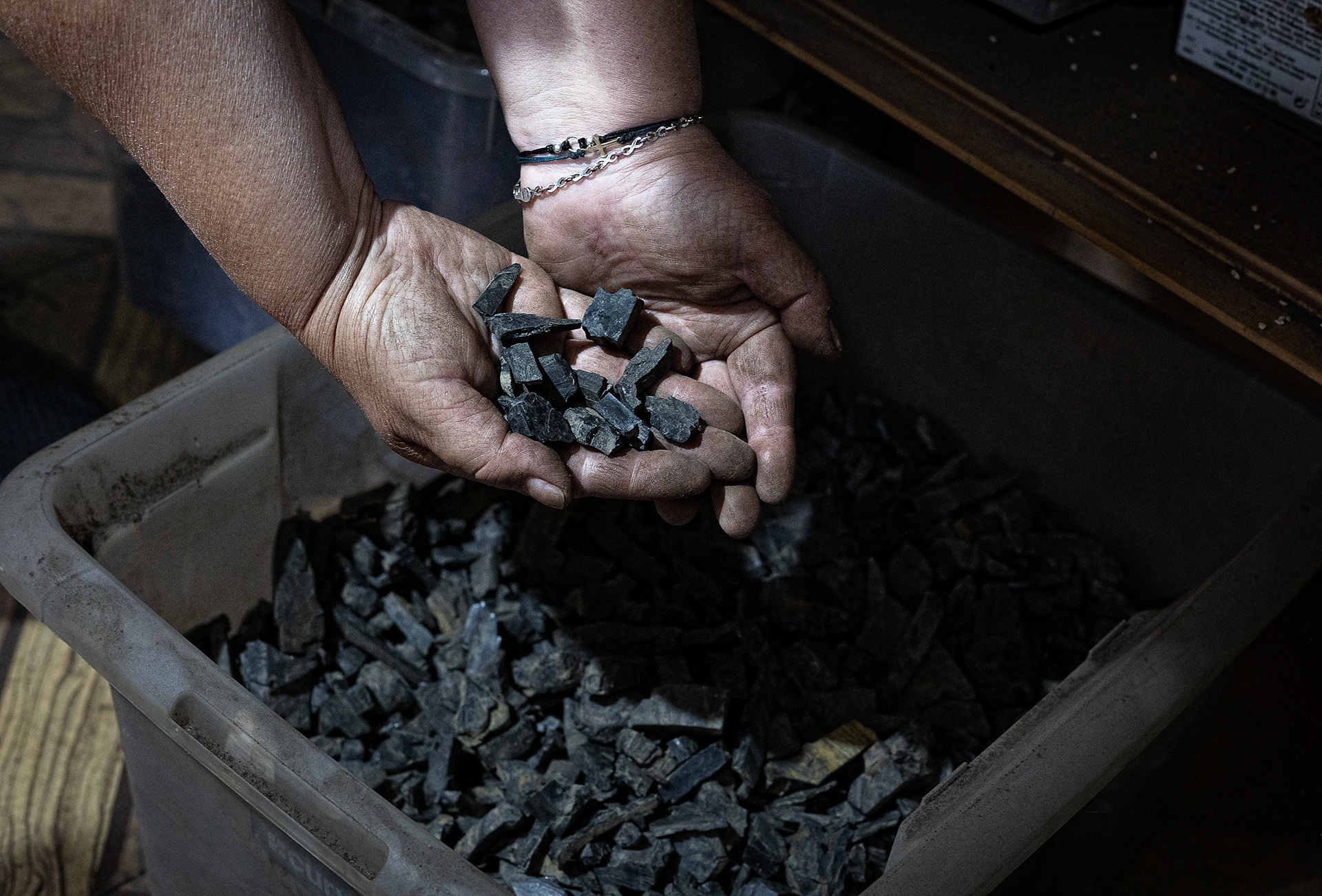
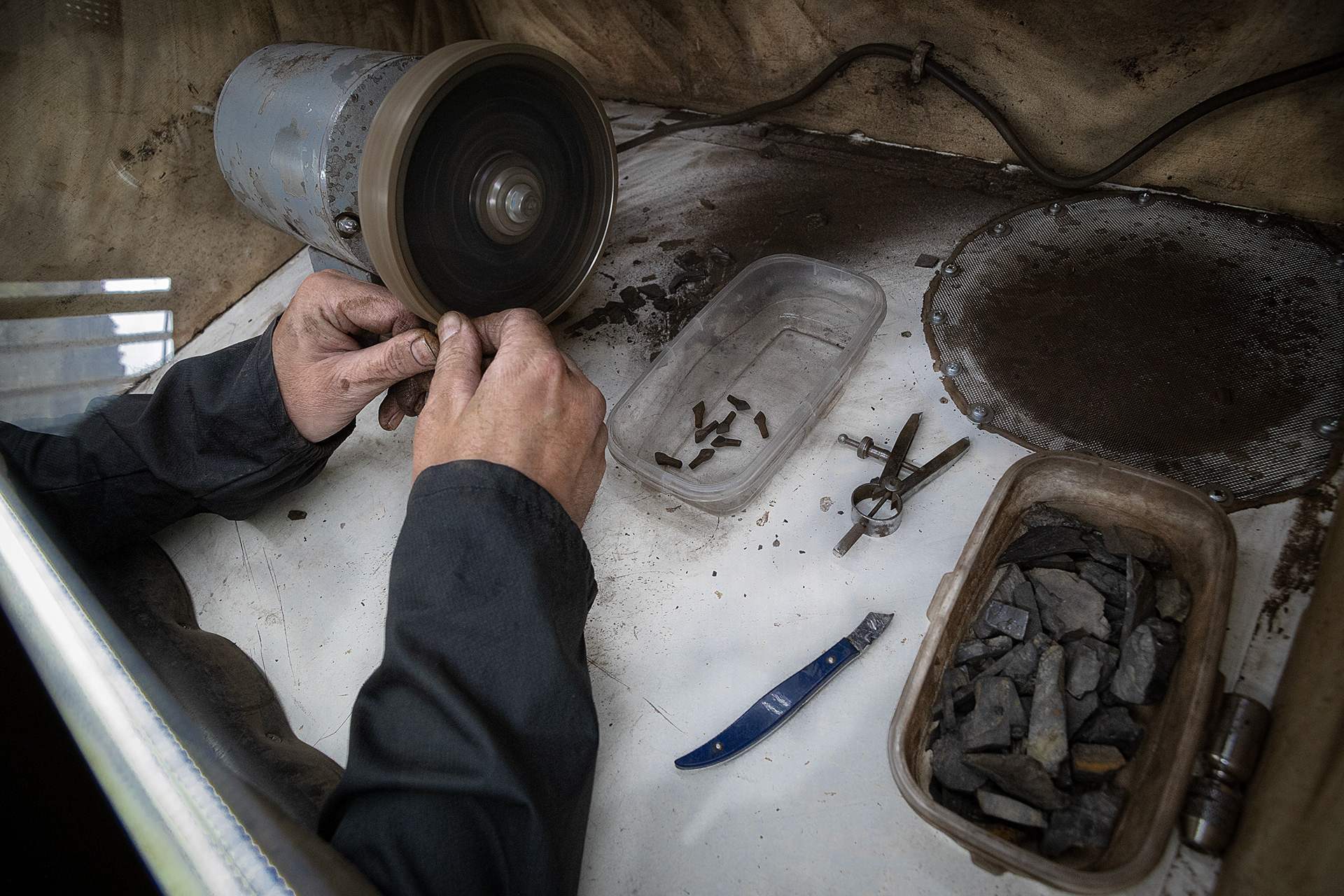
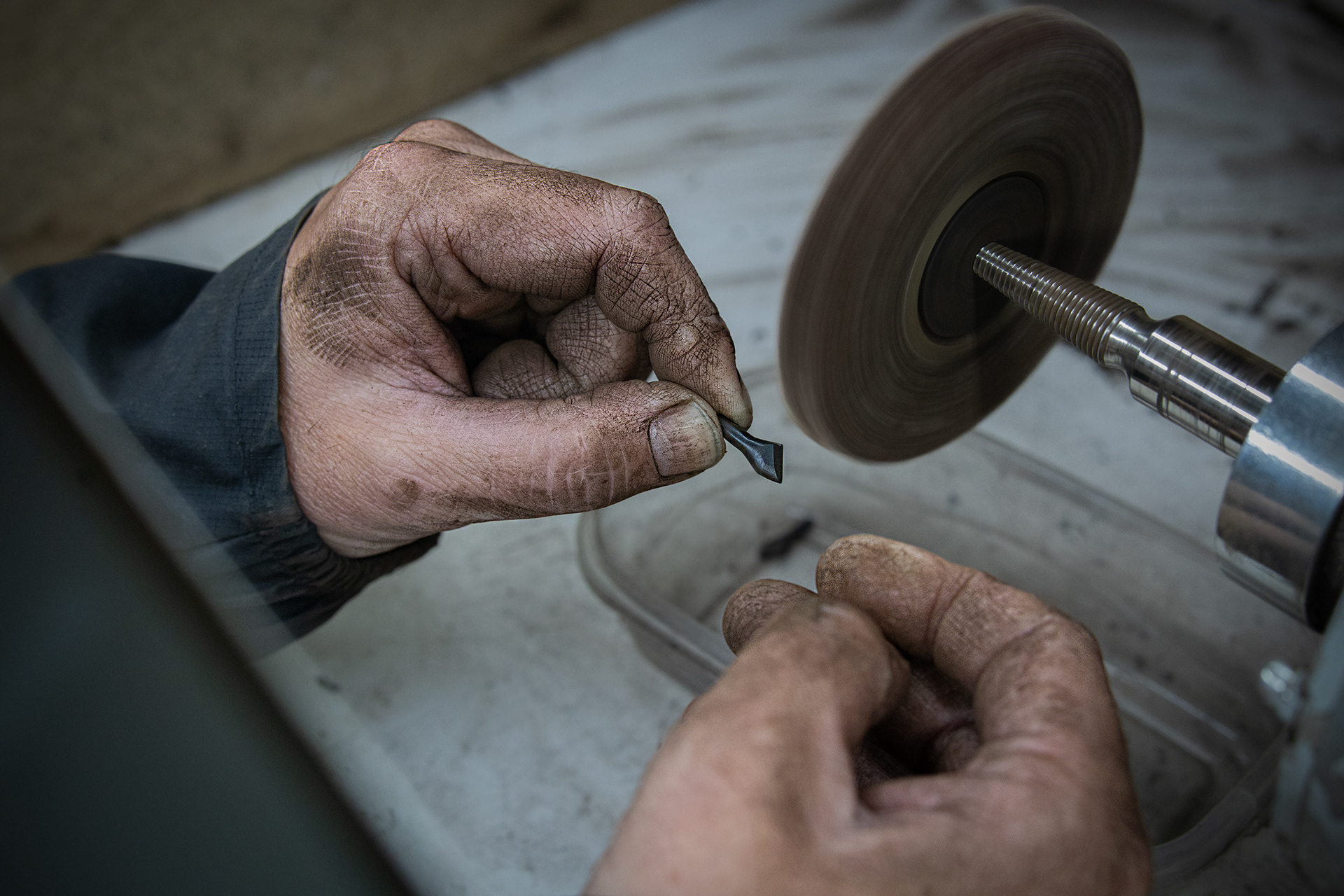
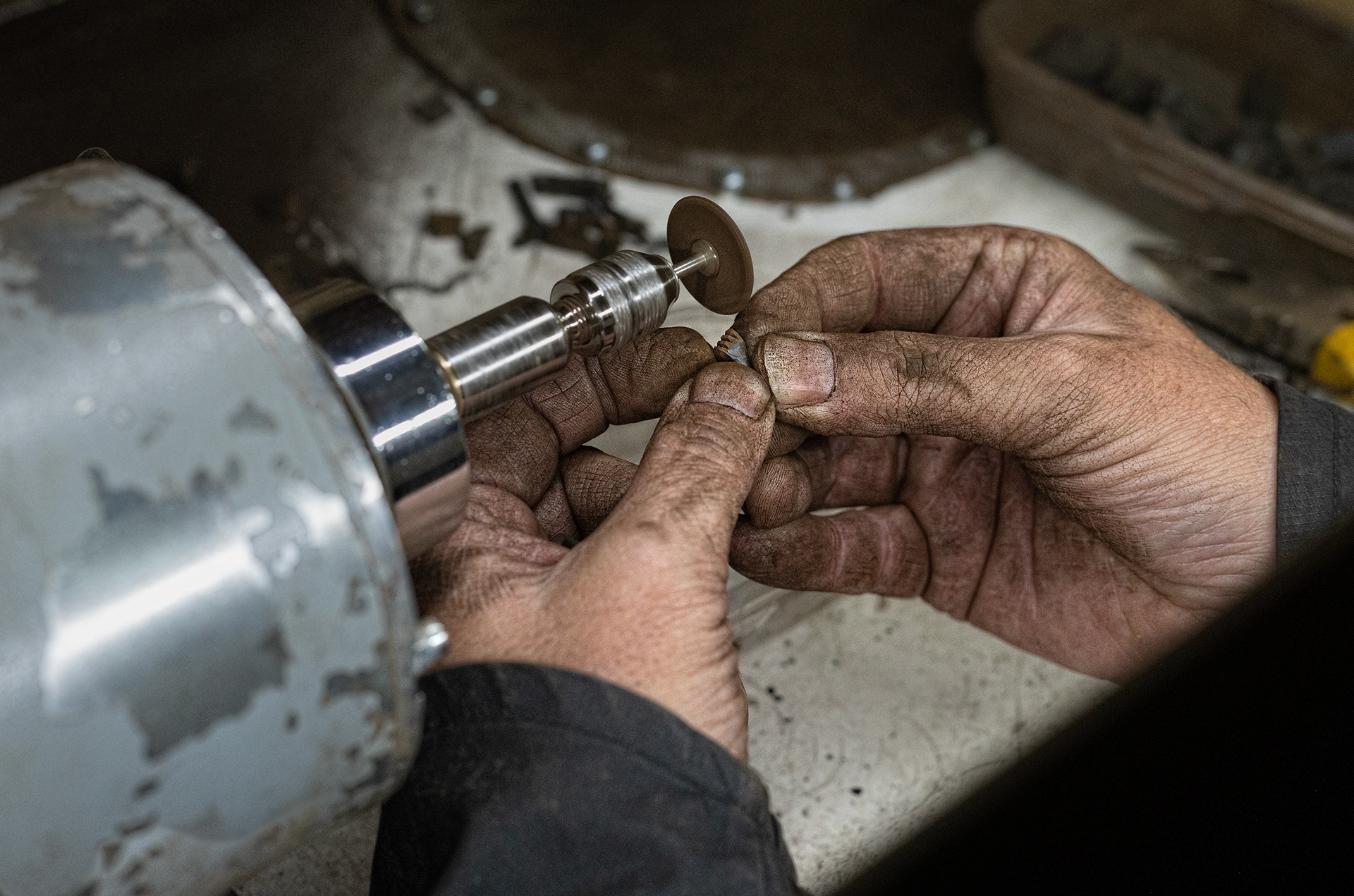
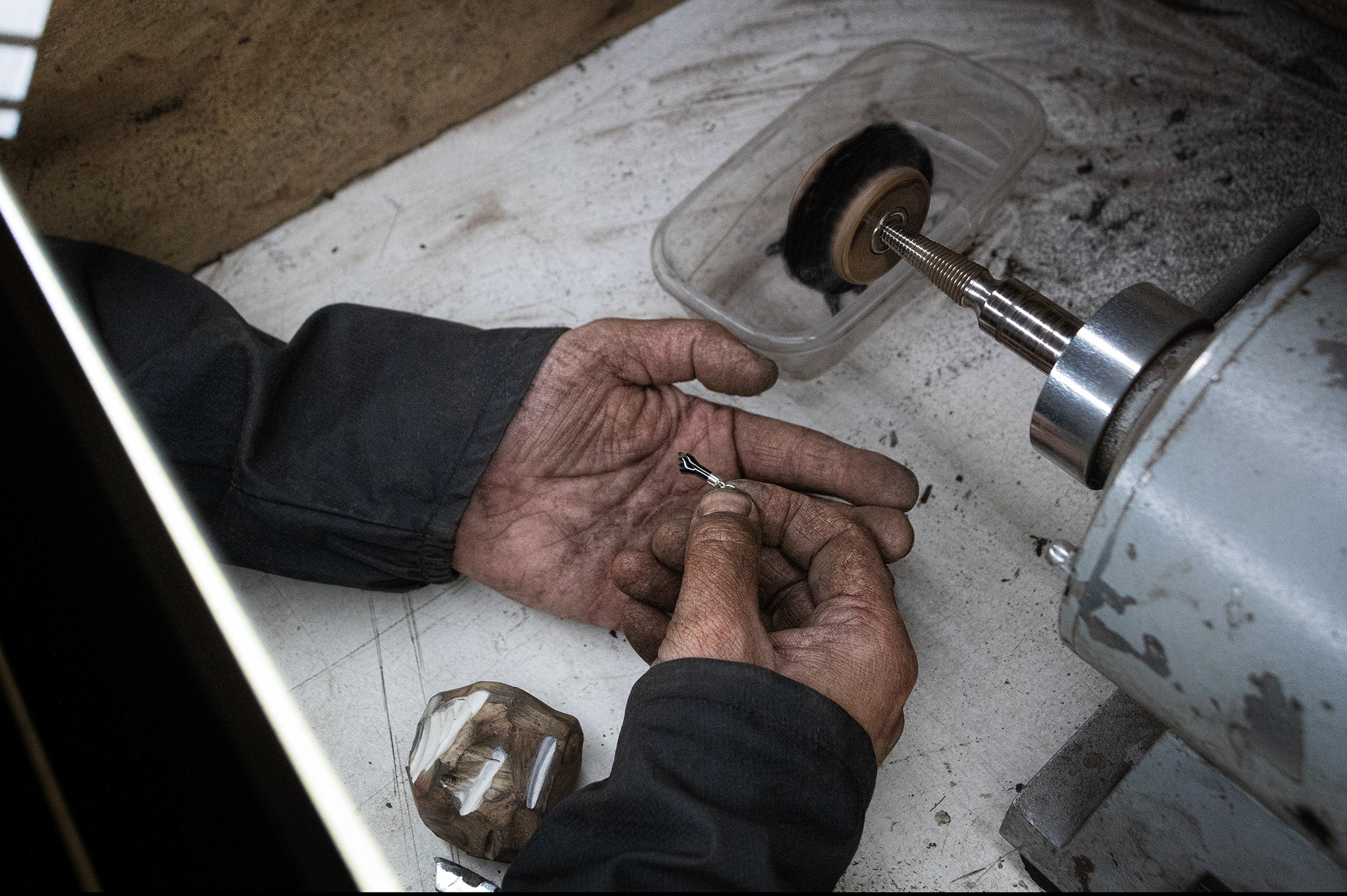
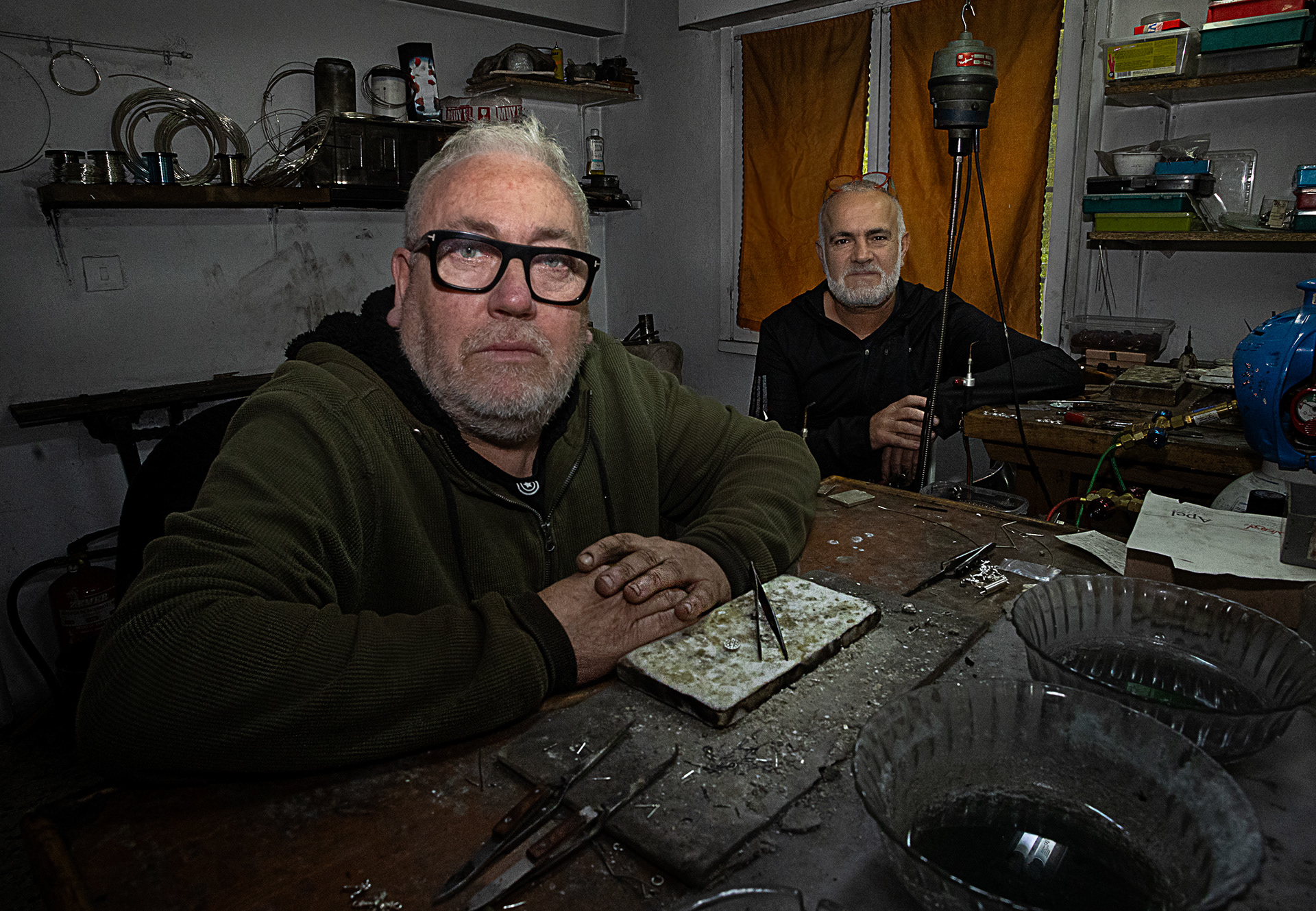
El azabache, un mineral místico y casi exclusivo, es considerado uno de los mejores del mundo. Desde 1997, Javi e Isma dan vida a este material, tallando cada pieza a mano con herramientas que muchas veces fabrican ellos mismos. Su trabajo refleja no solo la maestría de la tradición, sino también un compromiso inquebrantable con la calidad y el detalle. En un contexto donde la extracción del azabache es cada vez más limitada, su oficio enfrenta desafíos constantes, incluyendo la dificultad de certificar el origen del mineral. Entre sus creaciones destacan piezas icónicas como la “cigua” o “mano negra”, un amuleto que se regala y que, según la tradición, protege contra el mal de ojo. Este saber artesanal está reconocido como Bien de Interés Cultural (BIC), que protege la técnica y la tradición, aunque el relevo generacional continúa en grave peligro.
📍 Llantones, Gijón
Javi and Isma, jet craftsmen
Jet, a rare and almost exclusive mineral, is considered among the finest in the world. Since 1997, Javi and Isma have brought this material to life, carving each piece by hand with tools they often make themselves. Their work reflects not only the mastery of tradition, but also an unwavering commitment to quality and detail.
At a time when jet extraction is increasingly limited, their craft faces constant challenges, including the difficulty of certifying the mineral’s origin. Among their creations are iconic pieces such as the cigua, or “black hand,” an amulet traditionally given as a gift and believed to protect against the evil eye.
This artisanal knowledge is recognized as a Cultural Heritage Asset (BIC), protecting both the technique and the tradition, although generational continuity remains under serious threat.
Gijón
Jose Luis, pastor elaborador de Gamoneu del Puerto
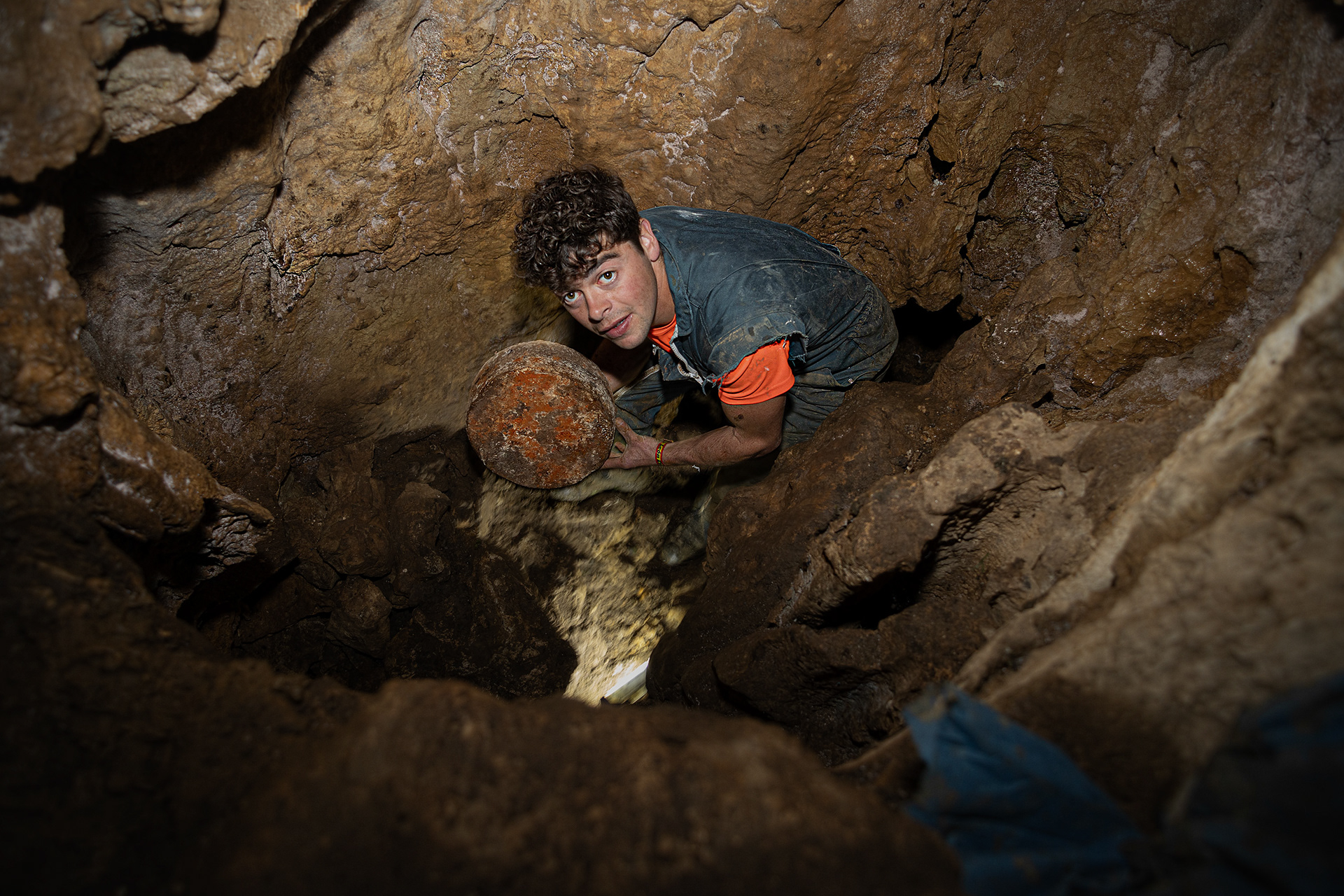
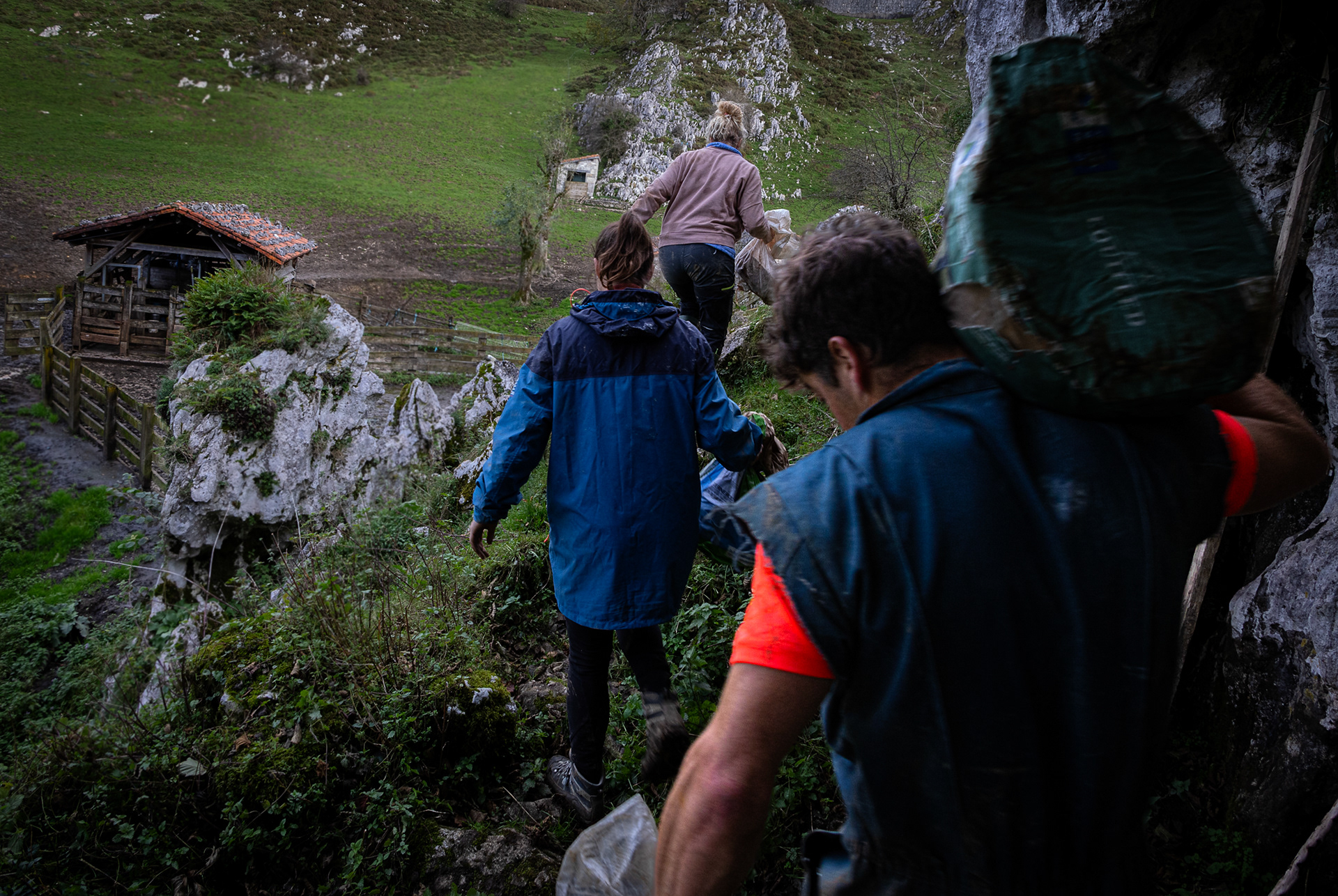
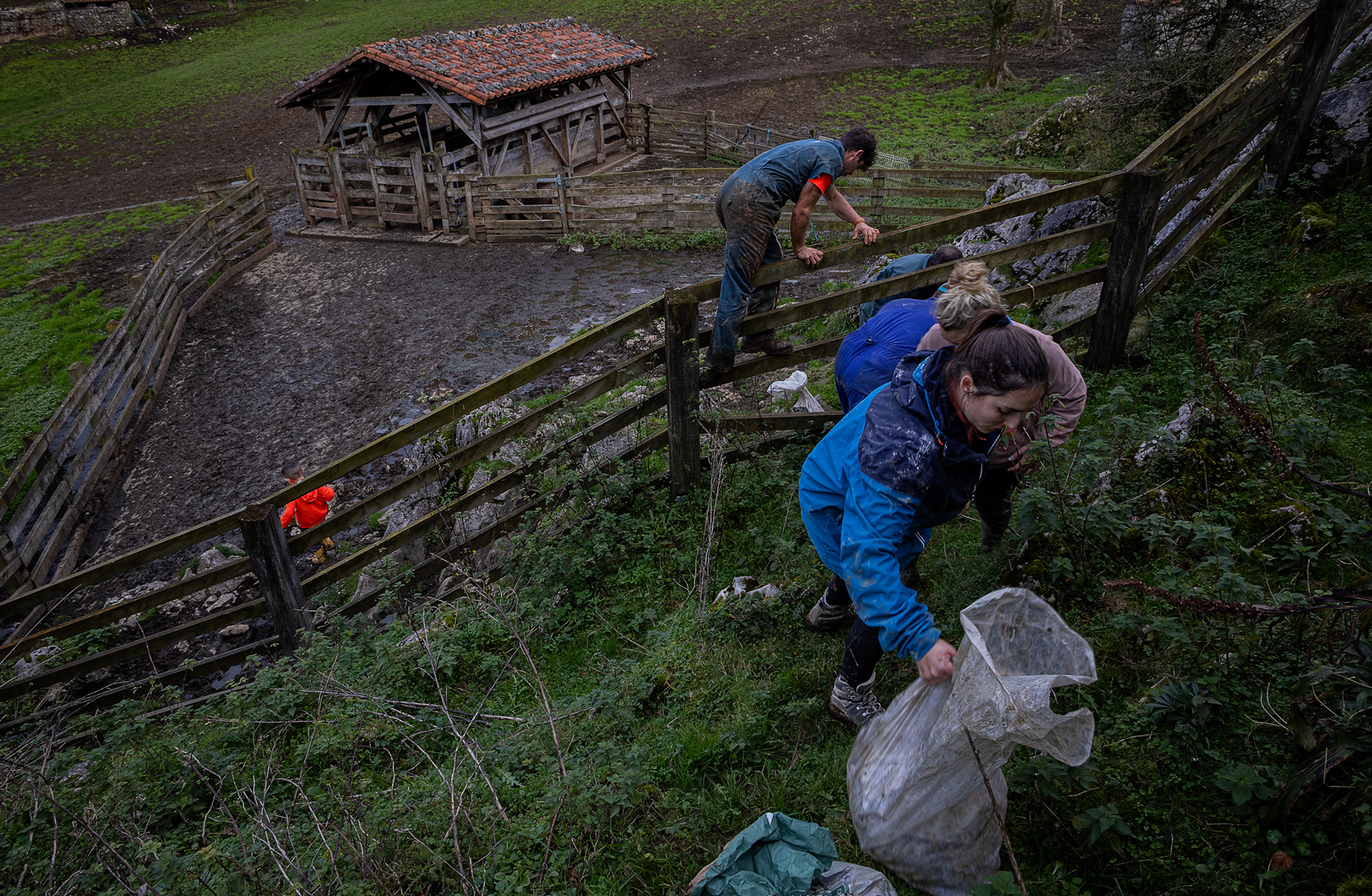
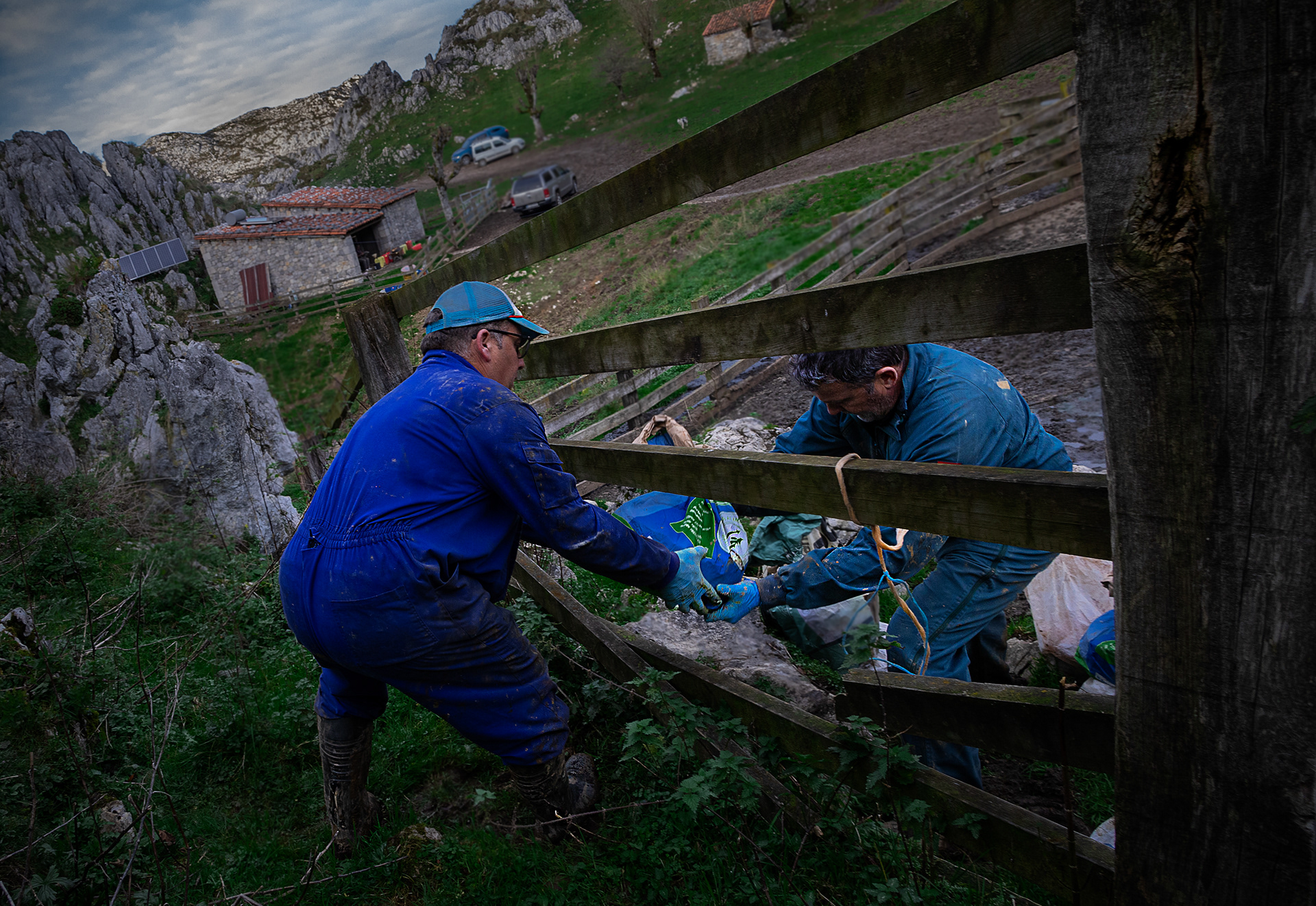
El queso Gamoneu del Puerto es uno de los más codiciados y escasos del mundo, y actualmente solo quedan tres pastores lo elaboren. Jose Luis, el pastor más joven que mantiene este oficio. Retomó el oficio de su abuelo y ejerce la trashumancia con su ganado, que proporciona la leche para esta joya gastronómica.
Cada día ordeña a mano y sigue un proceso artesanal: fermentación natural, moldeado, salado, ahumado con leña de haya y maduración en cuevas durante más de dos meses, volteando y limpiando los quesos para asegurar su calidad. Un trabajo intenso, ligado al territorio y a los saberes ancestrales, que requiere paciencia y compromiso.
Este oficio y su tradición forman parte del Patrimonio Cultural Inmaterial, aunque la falta de relevo generacional, las duras condiciones y las amenazas naturales ponen en serio peligro su continuidad.
📍 Lagos de Covadonga
José Luis, shepherd and maker of Gamoneu del Puerto cheese
Gamoneu del Puerto is one of the most sought-after and scarce cheeses in the world, and today only three shepherds still produce it. José Luis, the youngest among them, carries this tradition forward. He returned to his grandfather’s trade and practices transhumance with his herd, which provides the milk for this gastronomic rarity.
Each day, he milks by hand and follows a fully artisanal process: natural fermentation, molding, salting, smoking over beechwood, and aging in caves for more than two months, turning and cleaning each cheese to ensure its quality. It is demanding work, deeply tied to the land and to ancestral knowledge, requiring patience and commitment.
This craft and its tradition are part of Intangible Cultural Heritage, yet the lack of generational renewal, harsh working conditions, and environmental threats place its continuity at serious risk.
Picos de Europa



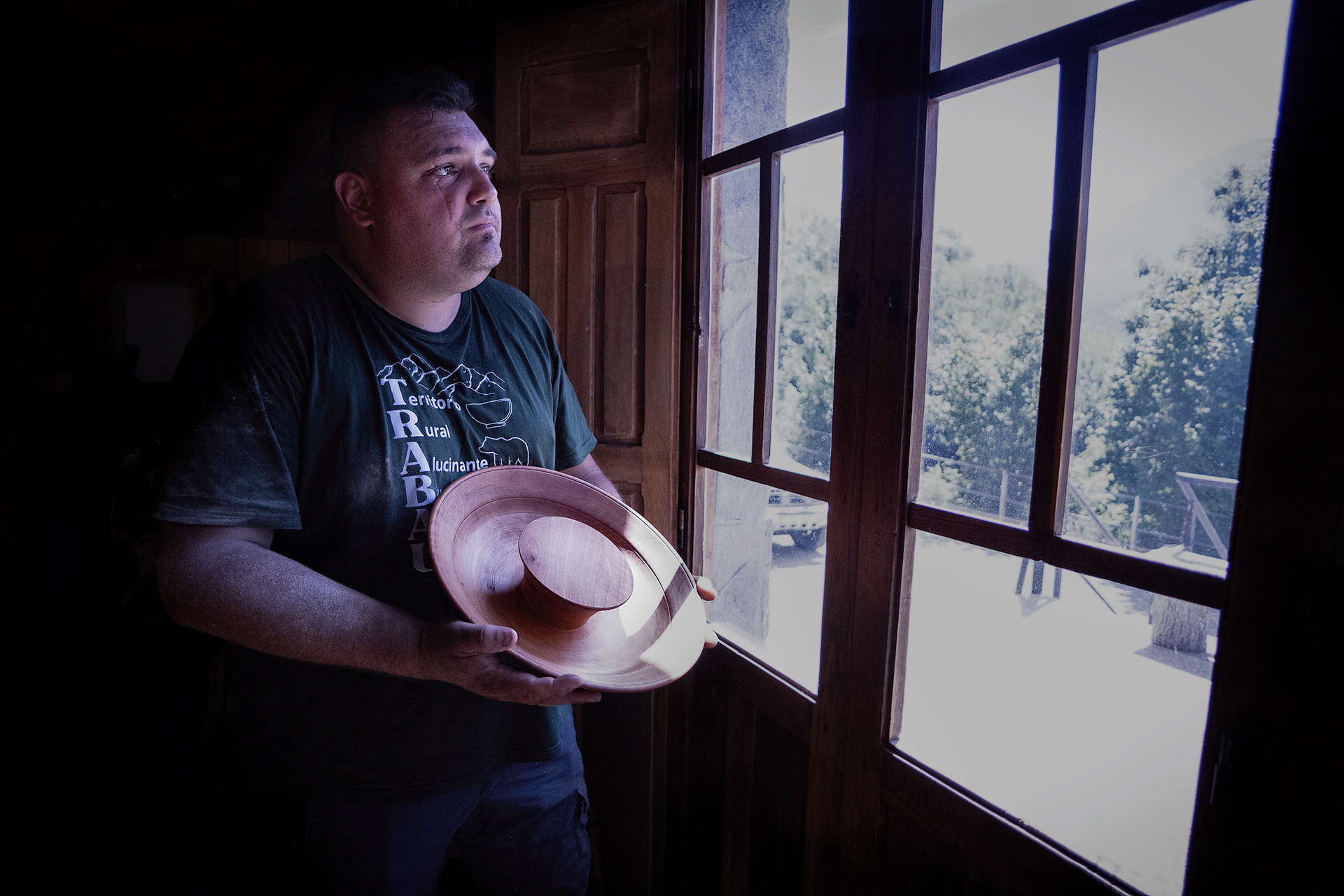
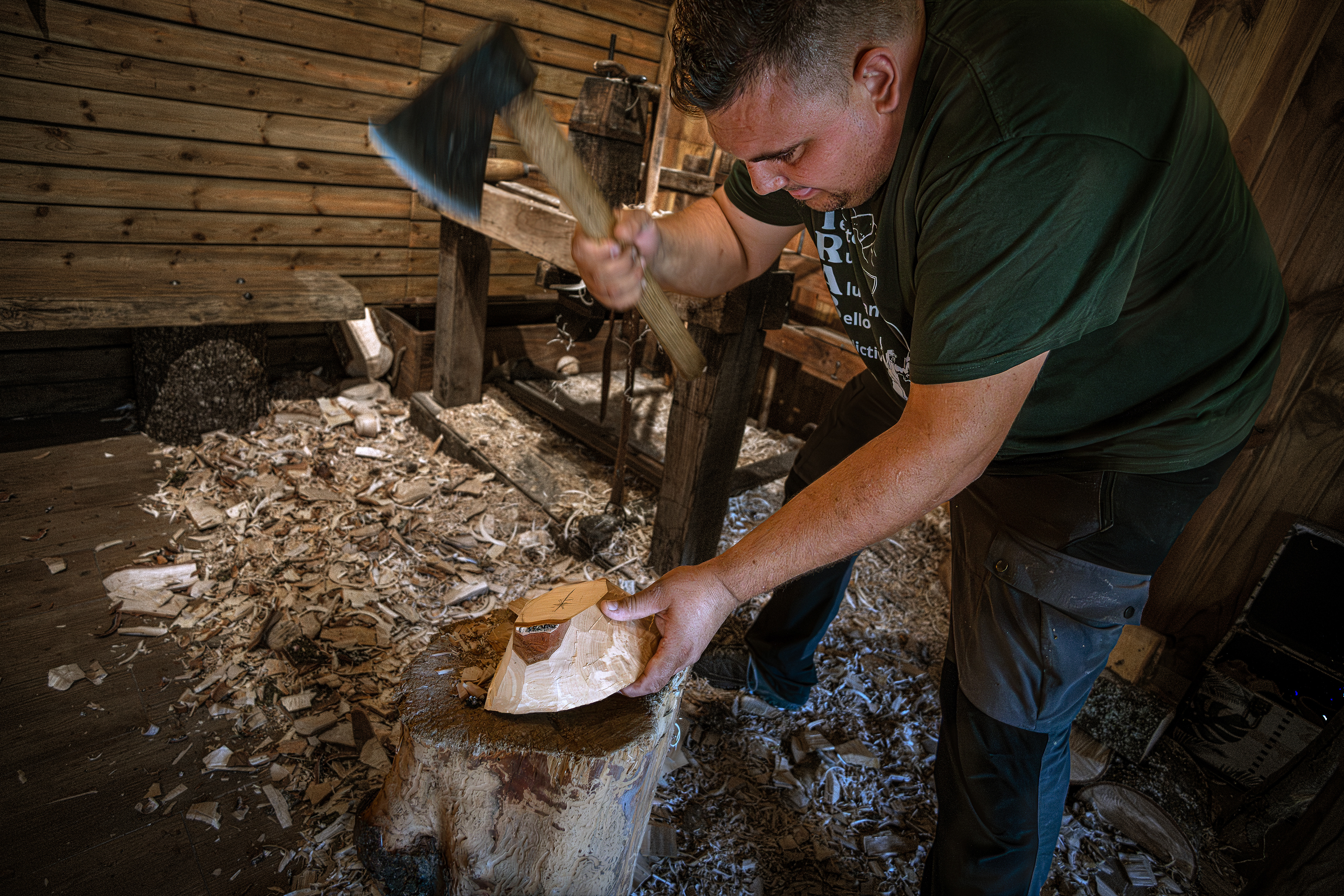
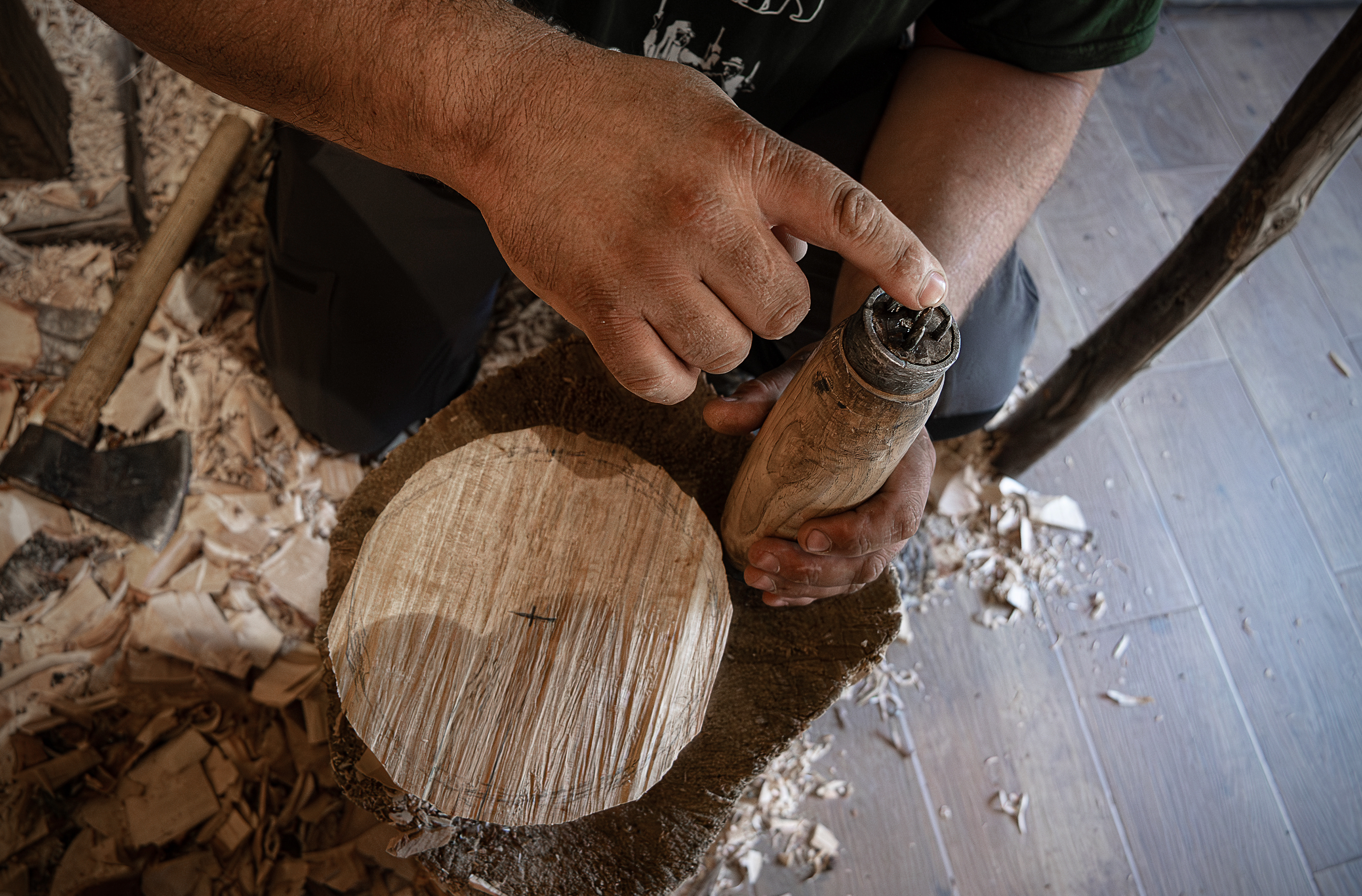
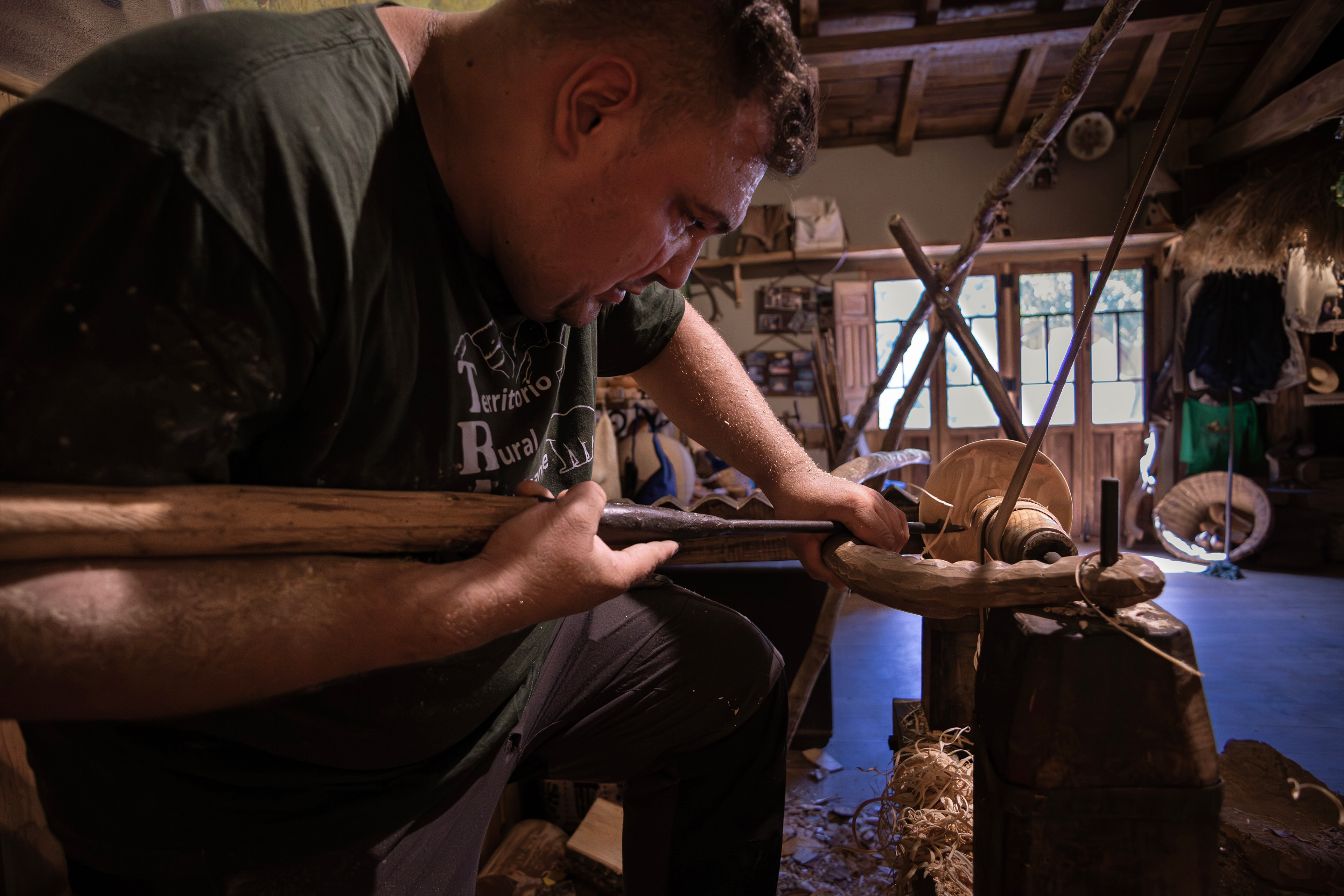
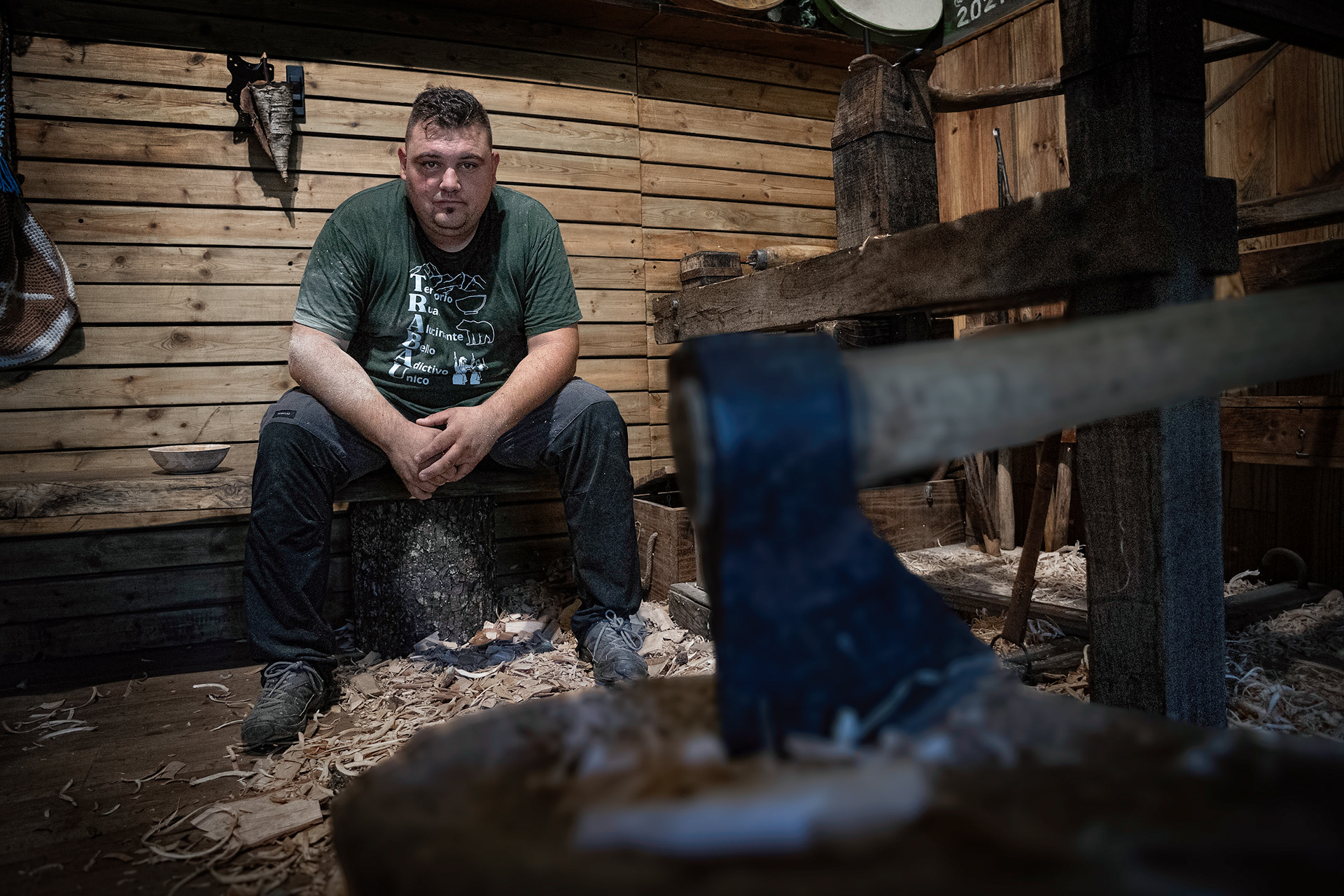
Víctor, el último cunqueiru
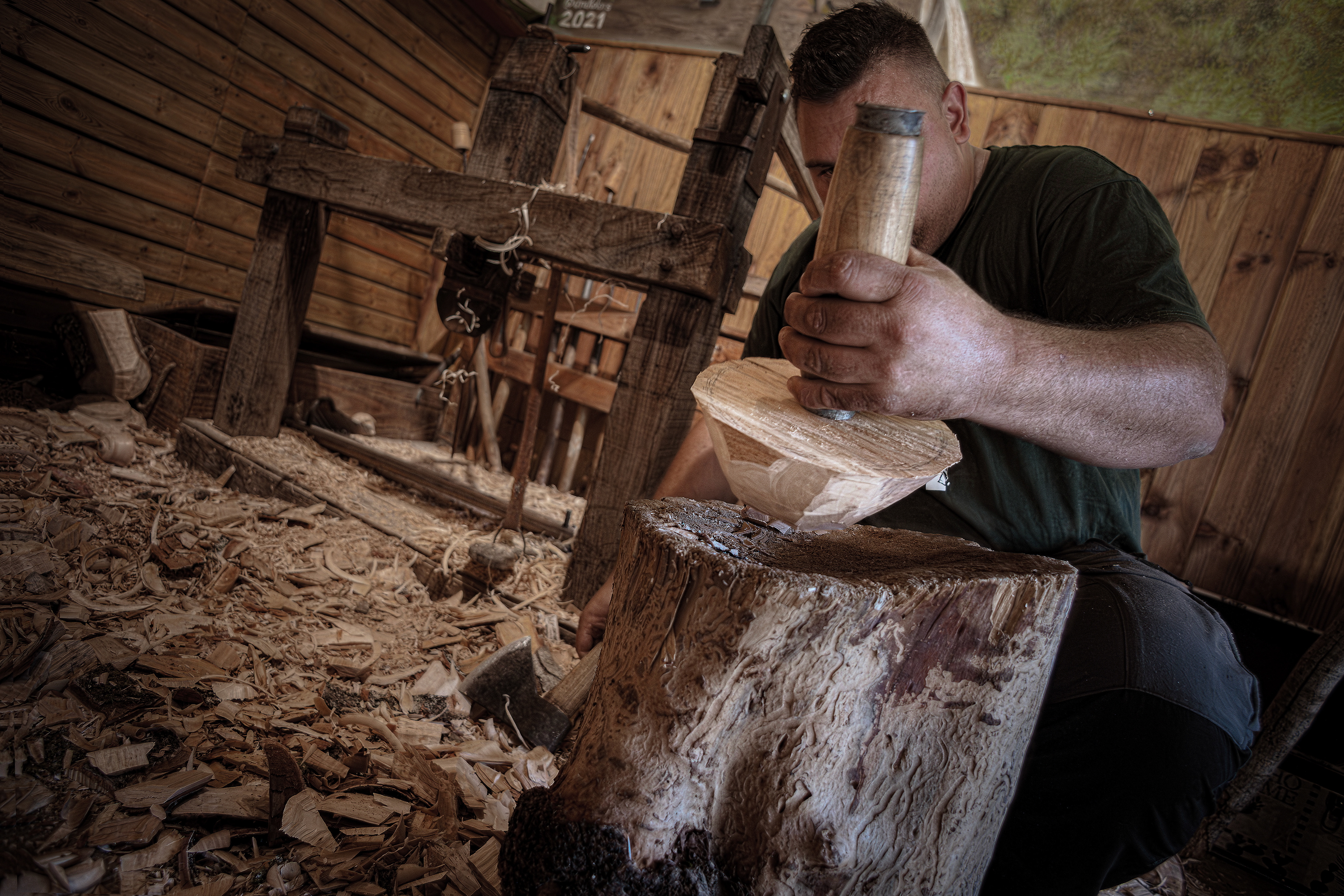
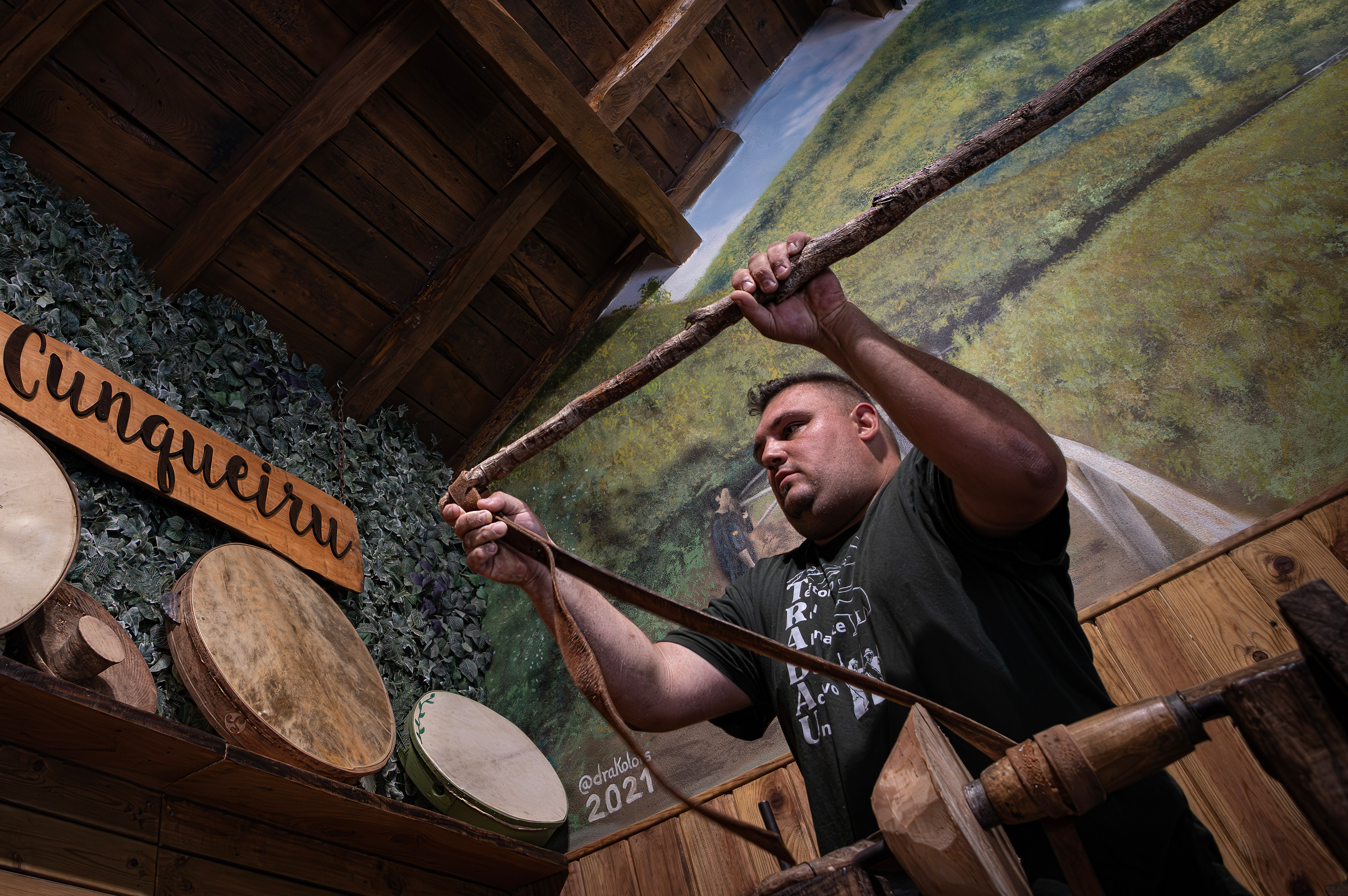
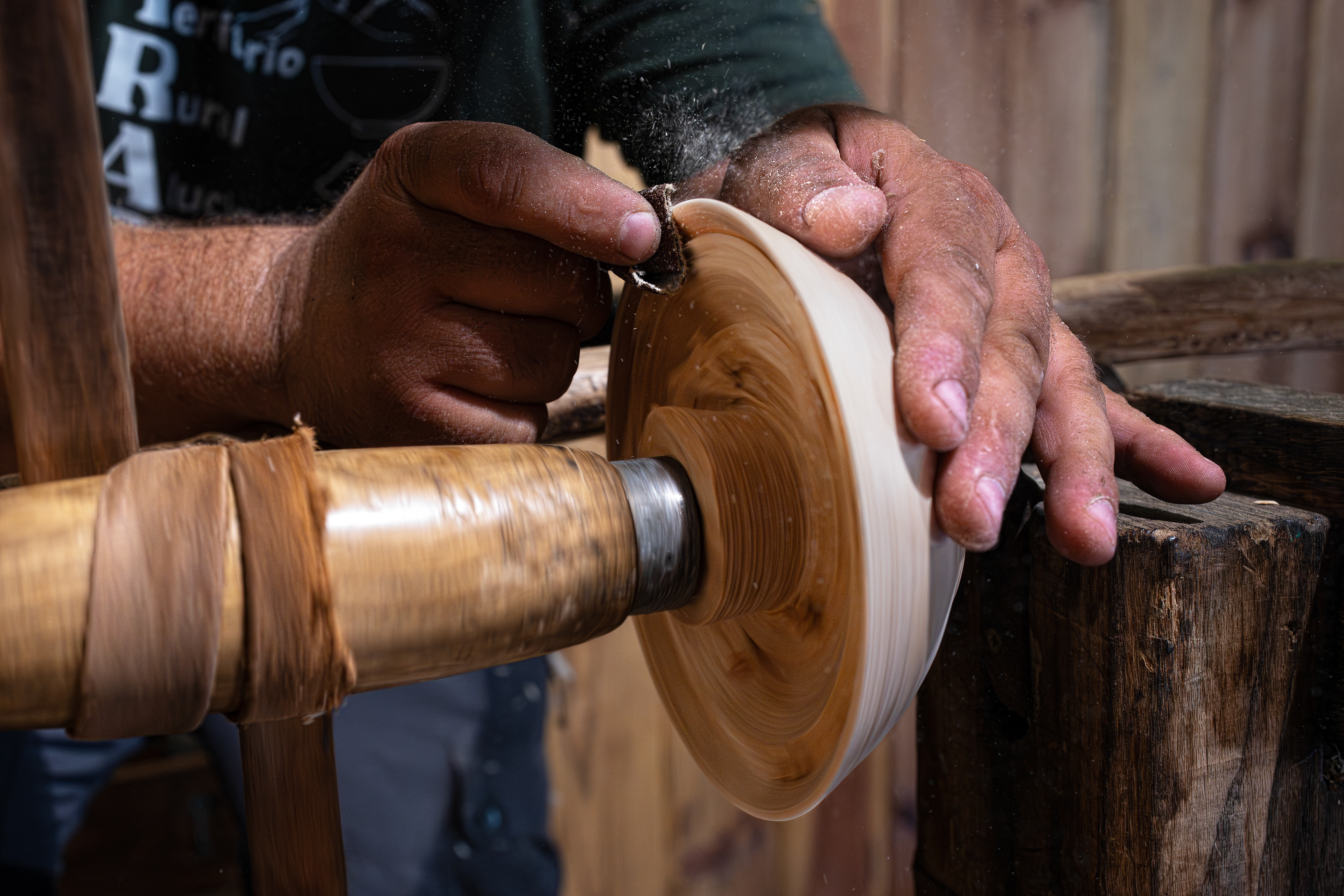
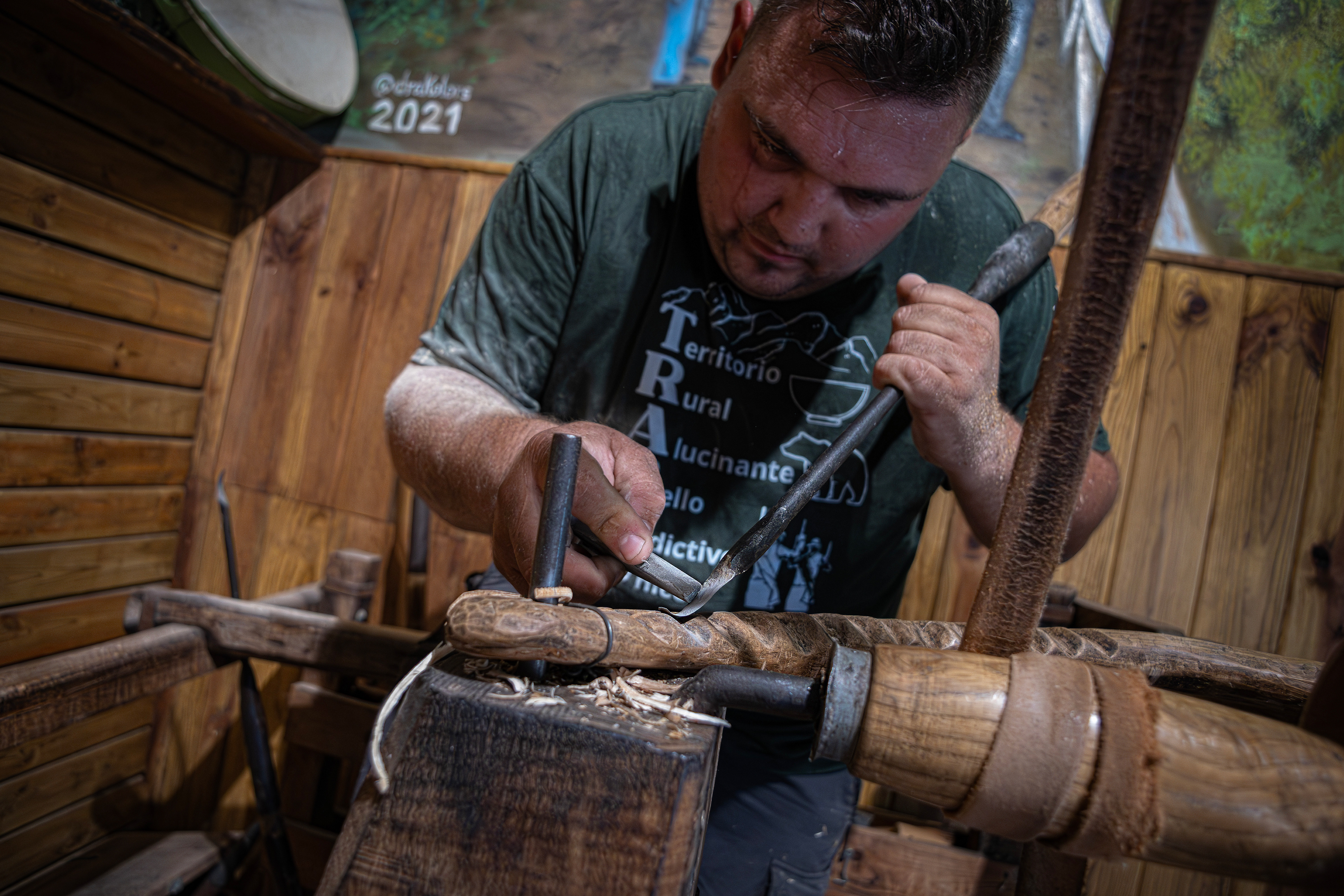
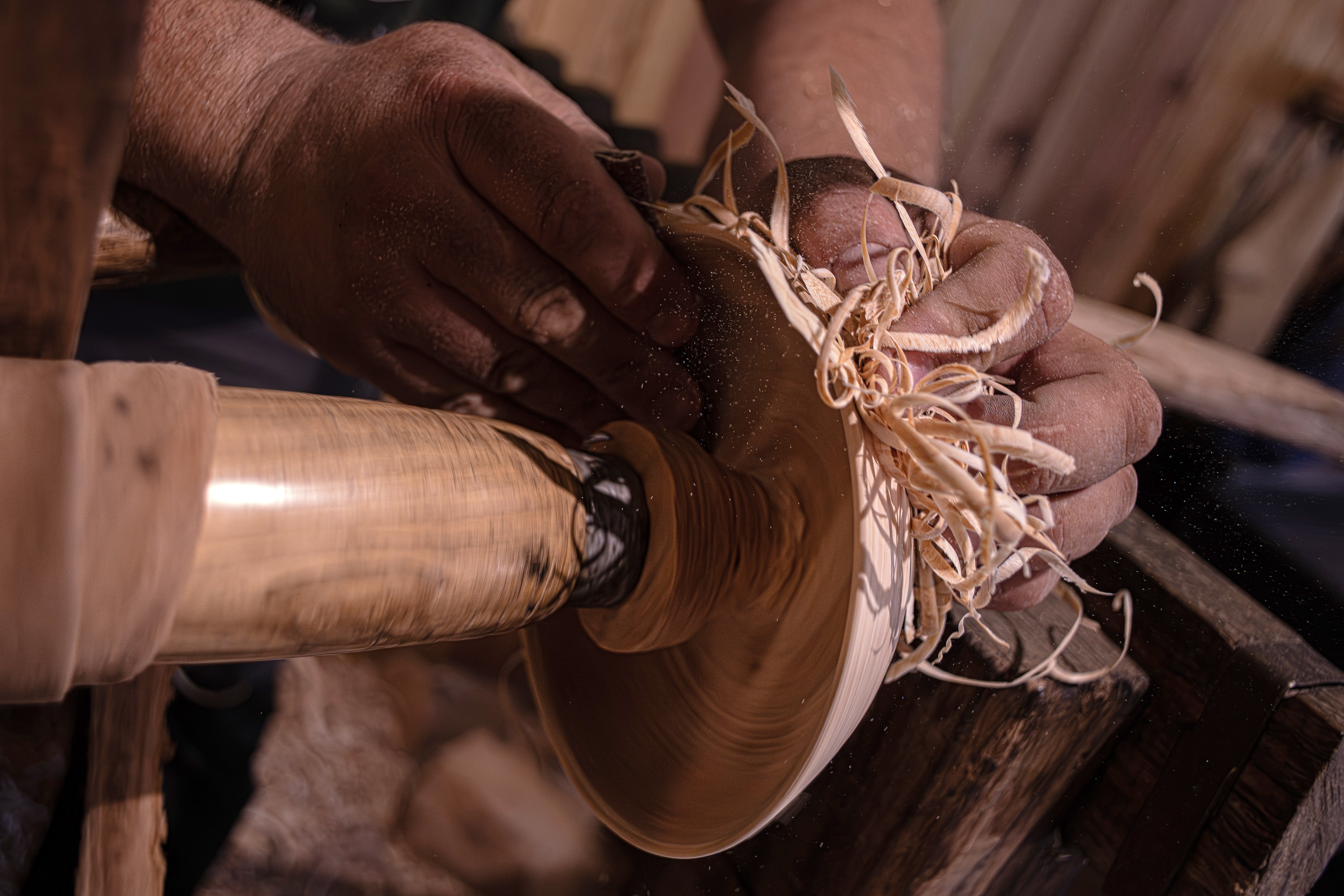
Los cunqueiros, también llamados txixileiros, fueron durante siglos los artesanos que daban forma a cuencos y vajillas de madera utilizando un torno tradicional de pedal y correa de cuero.
Víctor aprendió el oficio de su tío. Un trabajo que combina fuerza, precisión y paciencia, con técnicas apenas modificadas en los últimos siglos. Desde 2021, ofrece demostraciones en vivo del proceso a visitantes, buscando dar visibilidad y continuidad a una de las tradiciones artesanales más desconocidas y antiguas de la región.
“Reconocido como Patrimonio Cultural Inmaterial, este saber artesanal enfrenta un futuro incierto sin la transmisión a nuevas generaciones.”
📍 Trabáu
Víctor, the last cunqueiru
Cunqueiros, also called txixileiros, were for centuries the craftsmen who shaped wooden bowls and tableware using a traditional foot-powered lathe with a leather strap.
Víctor learned the craft from his uncle—a trade that combines strength, precision, and patience, with techniques barely changed over the centuries. Since 2021, he has offered live demonstrations of the process to visitors, aiming to raise awareness and ensure the continuity of one of the region’s oldest and least-known artisanal traditions.
“Recognized as Intangible Cultural Heritage, this artisanal knowledge faces an uncertain future without transmission to new generations.”
Degaña
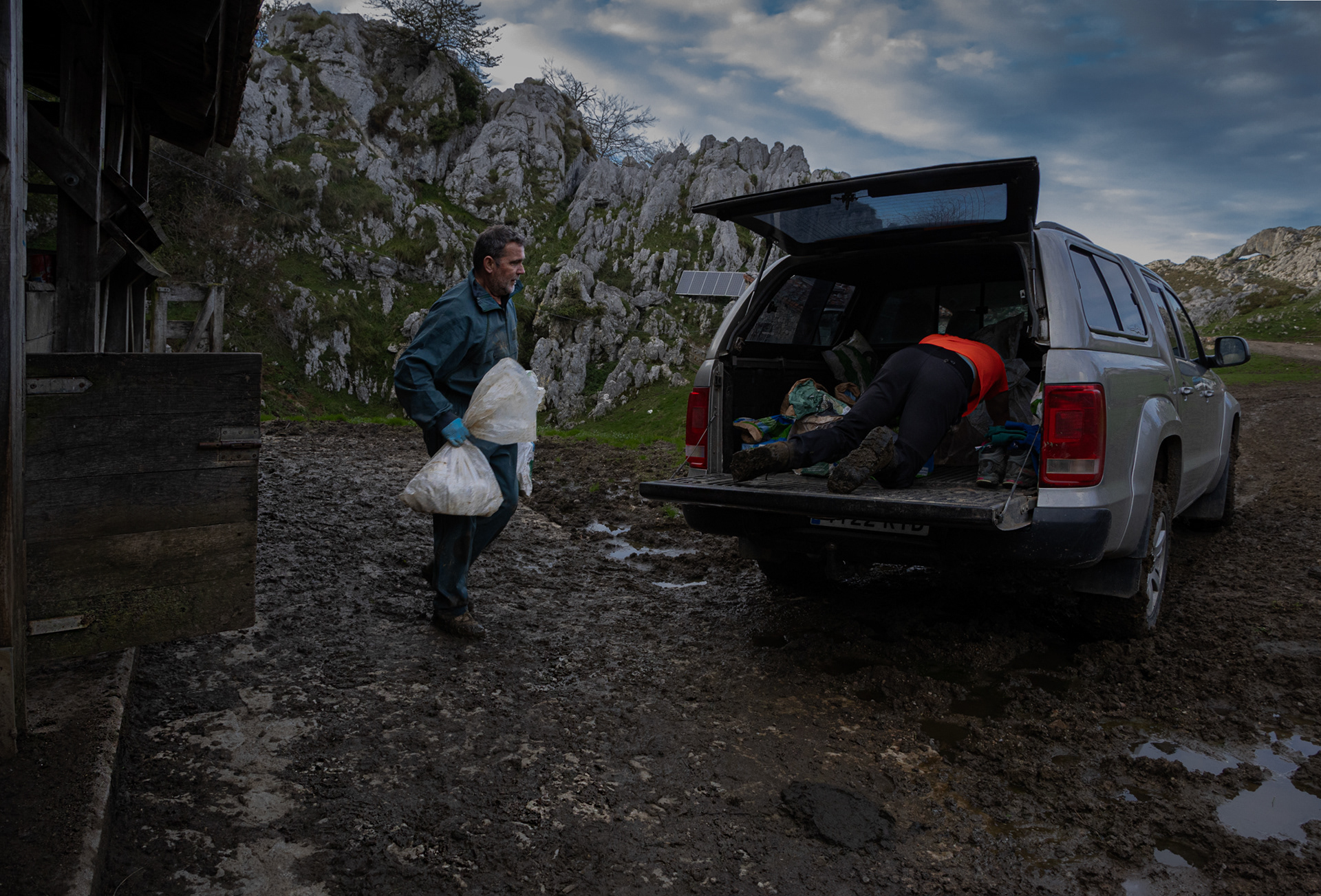
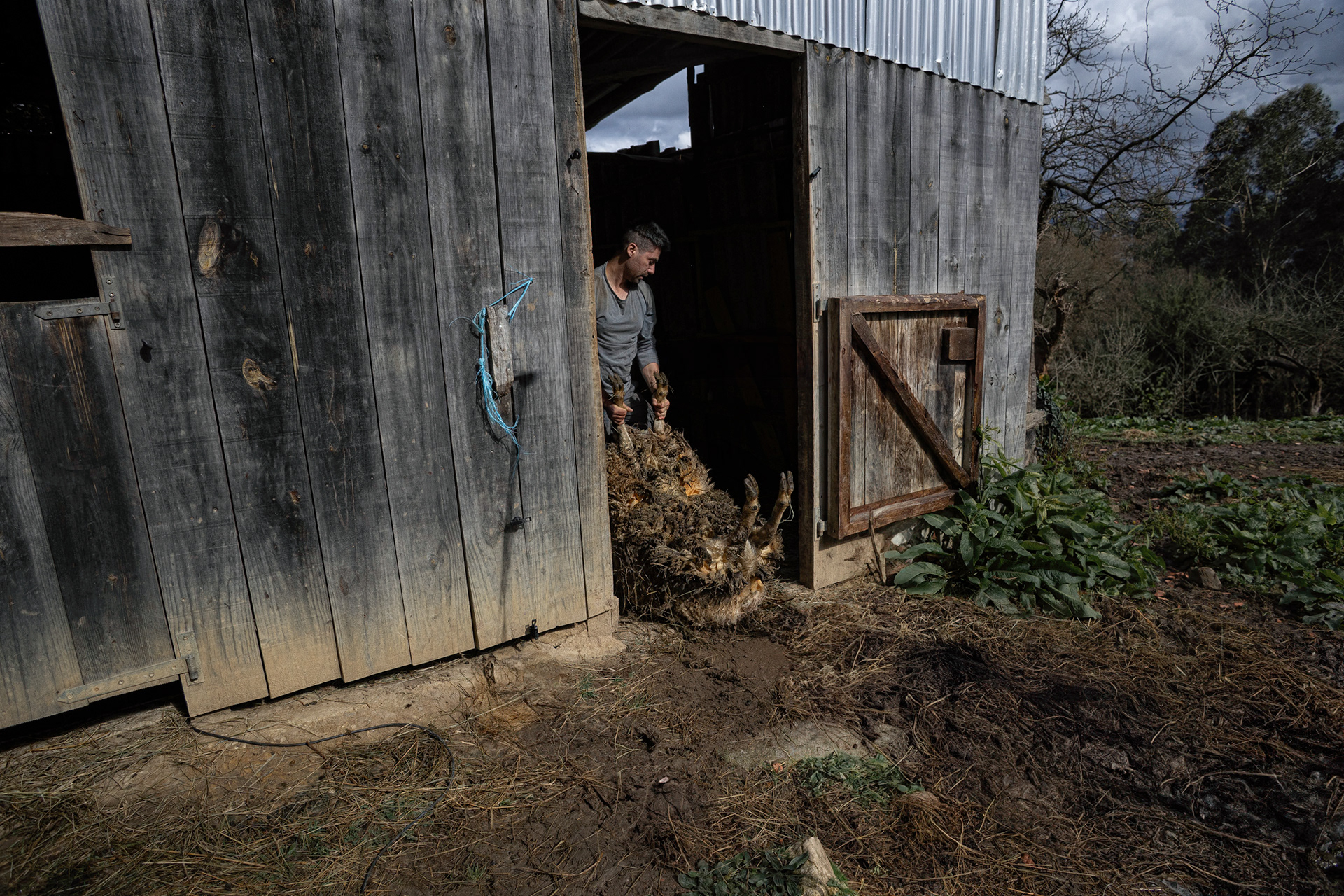
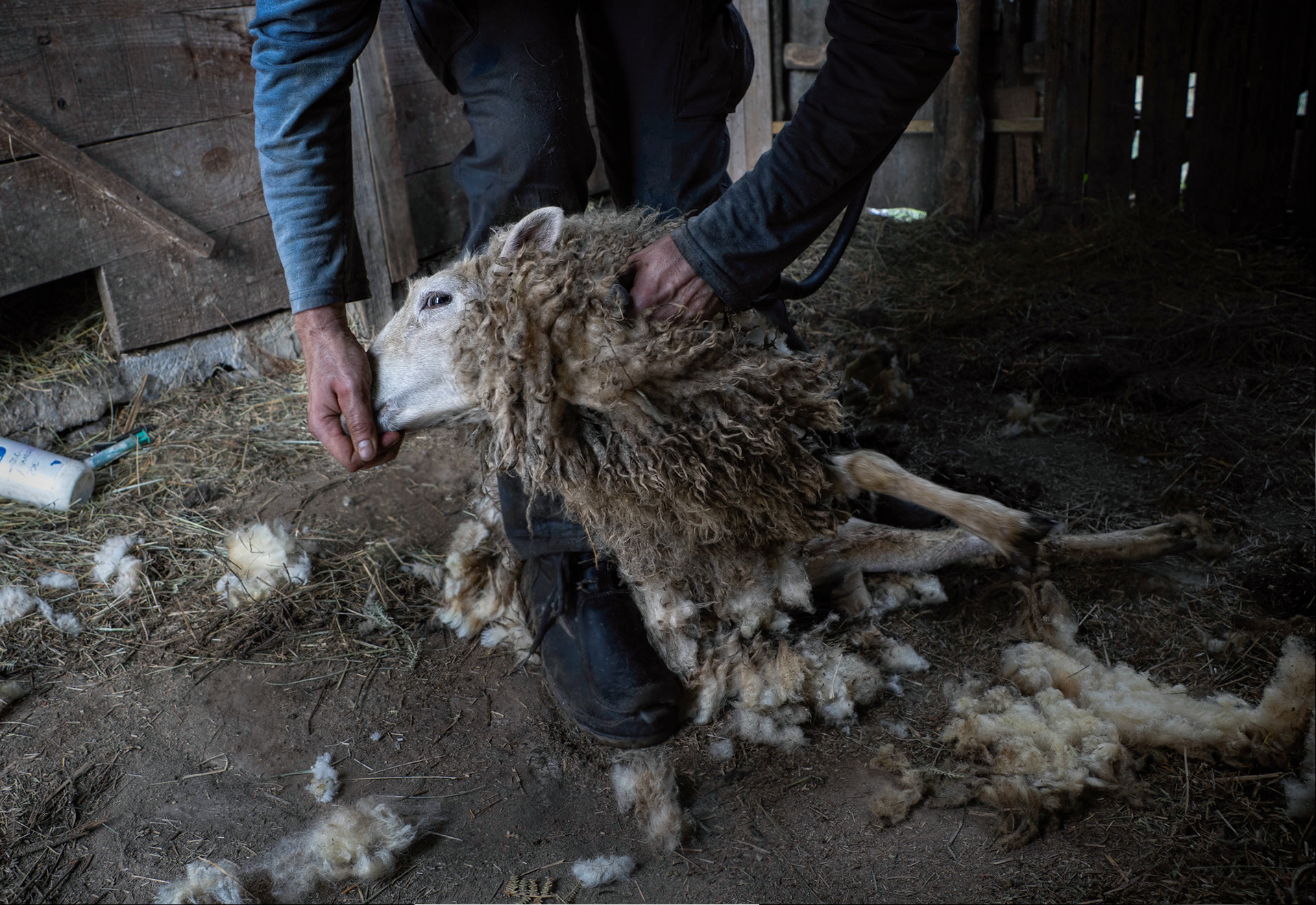
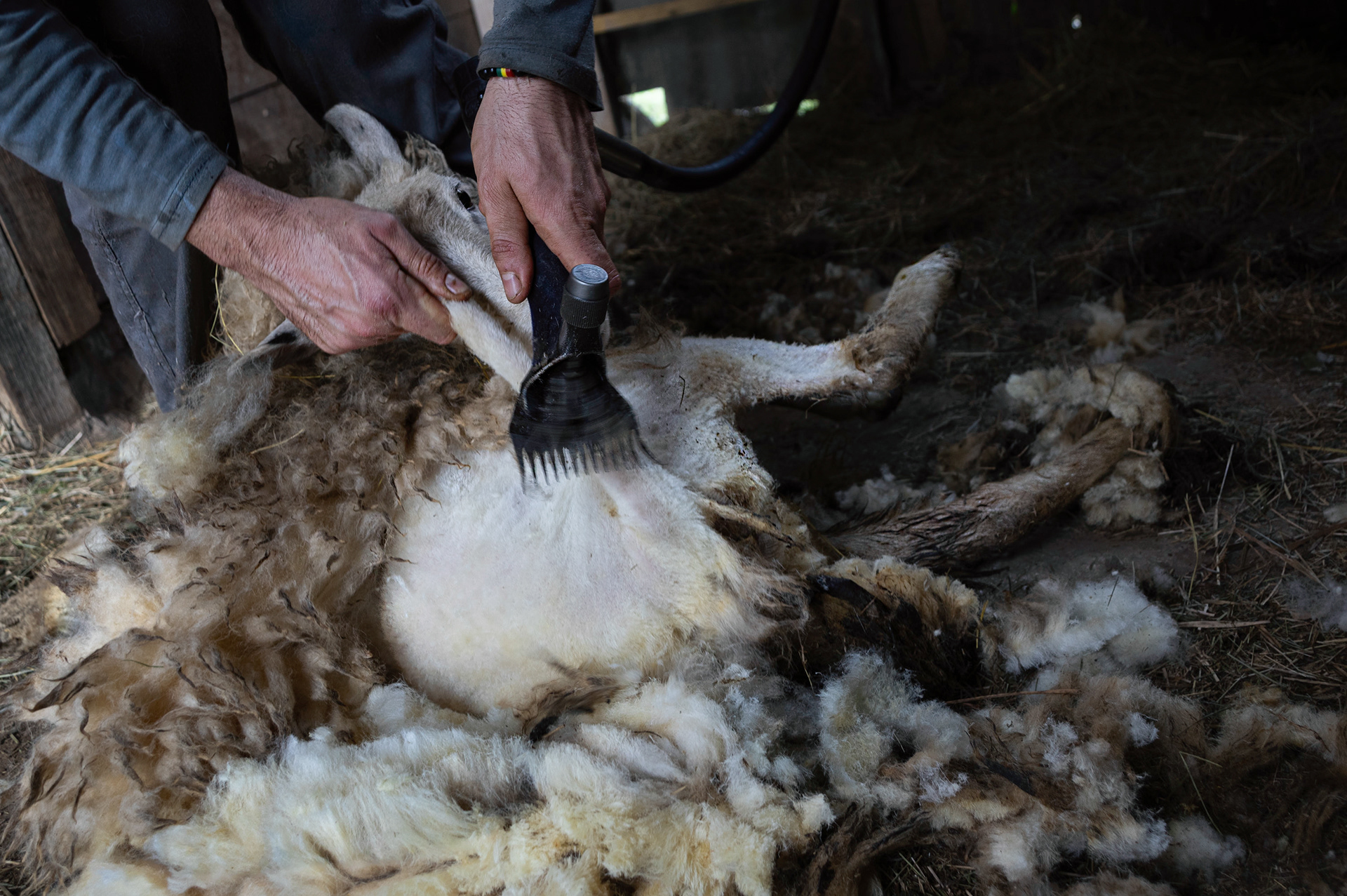
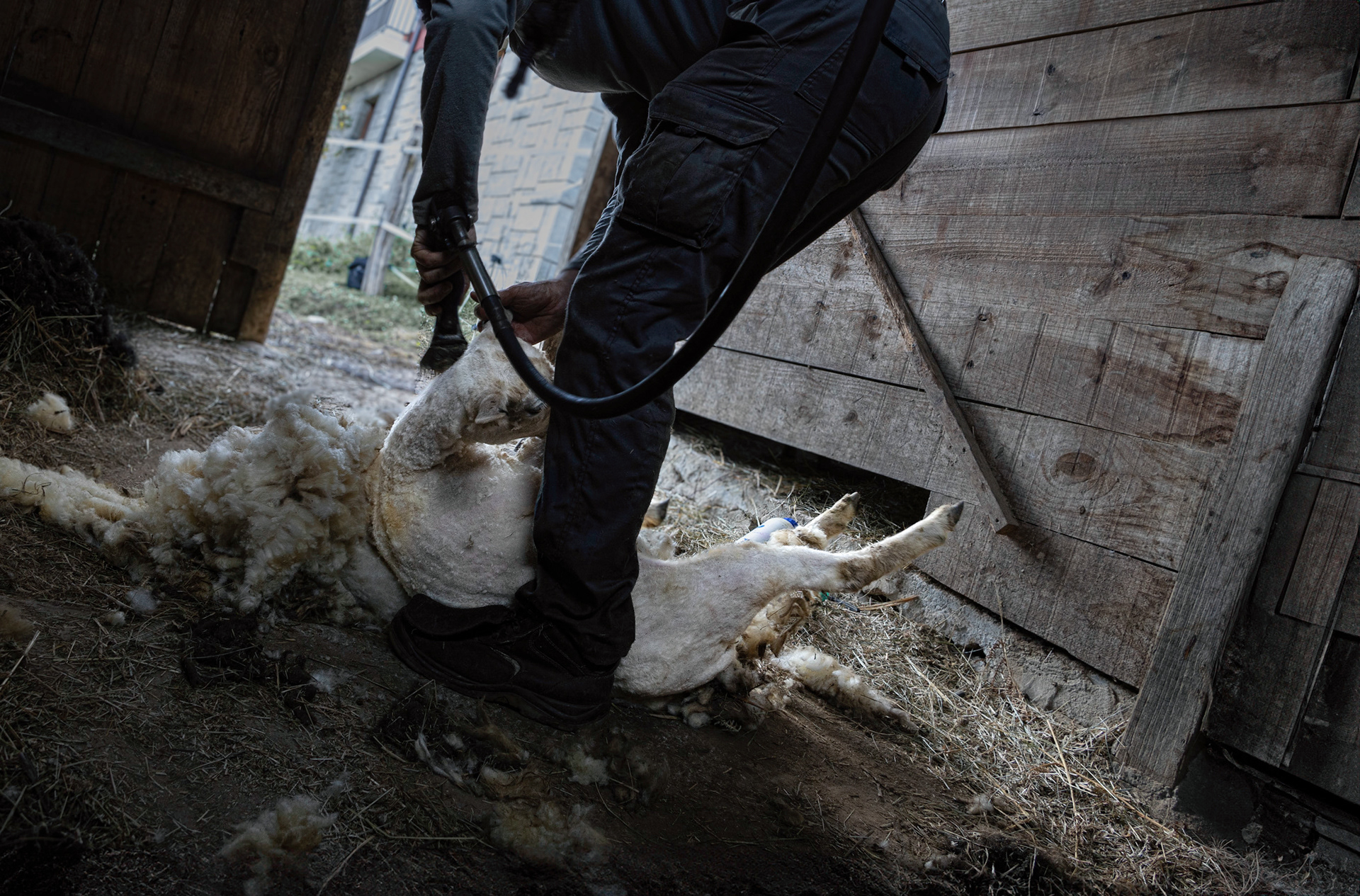
Marco, esquilador
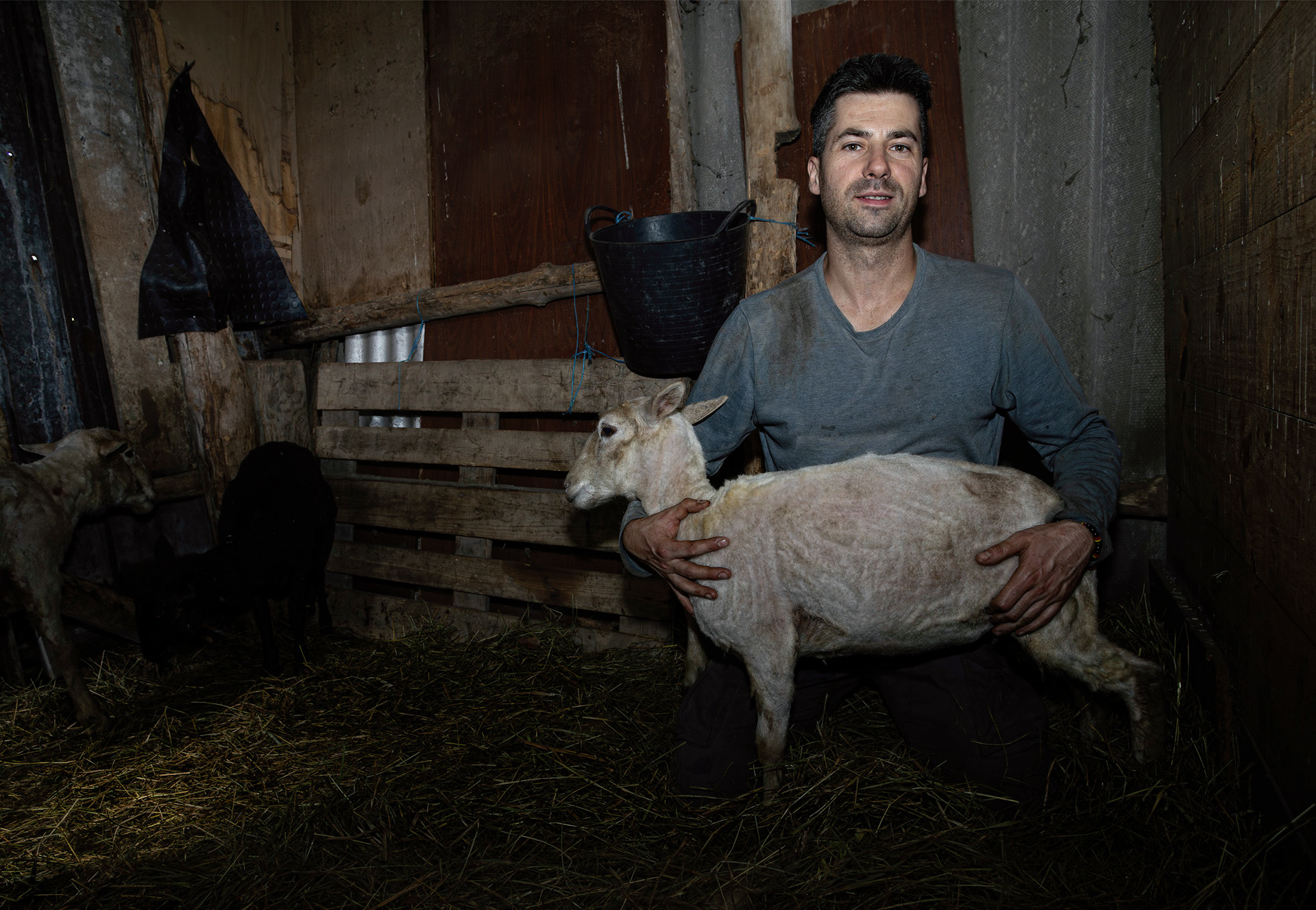
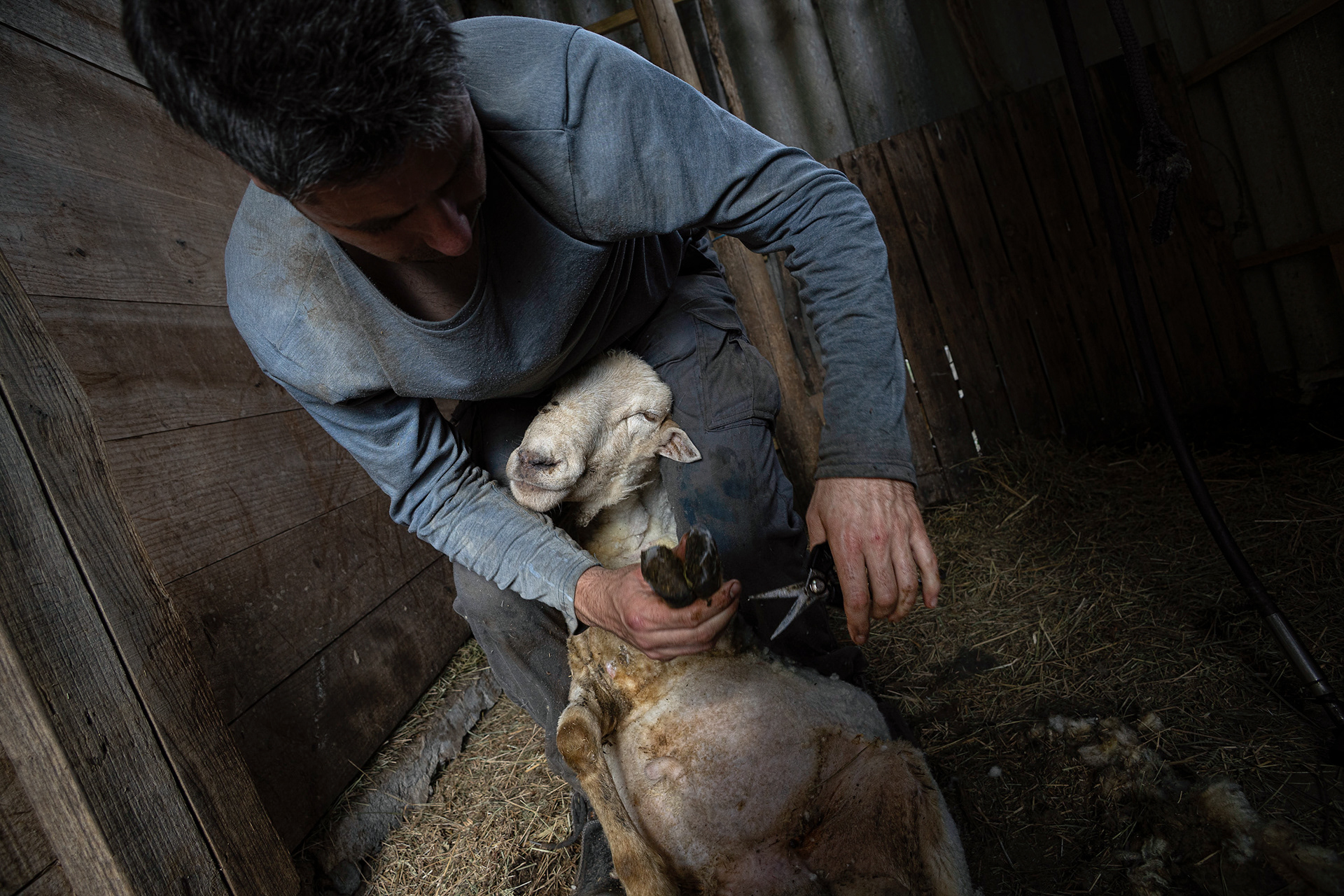
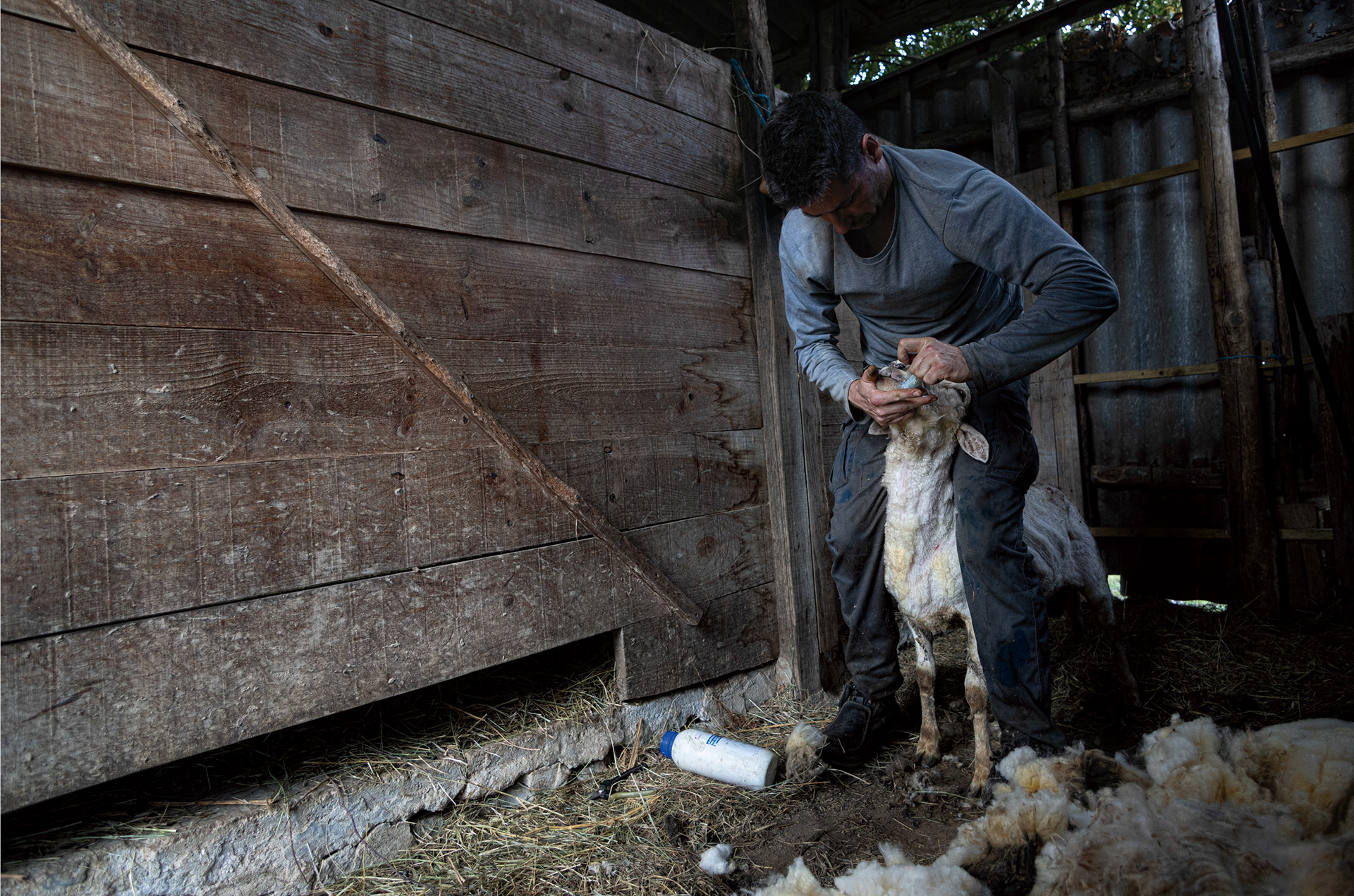
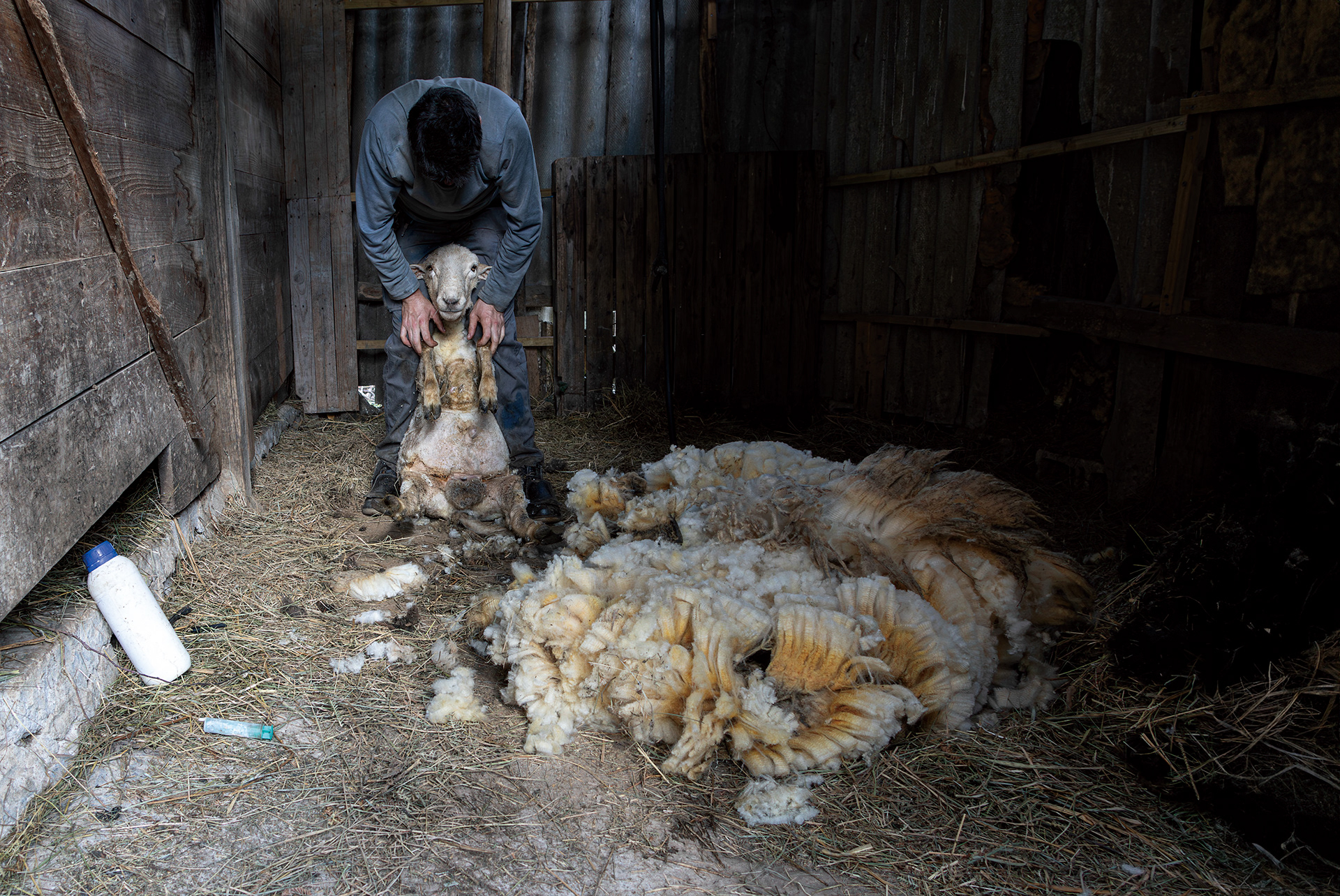
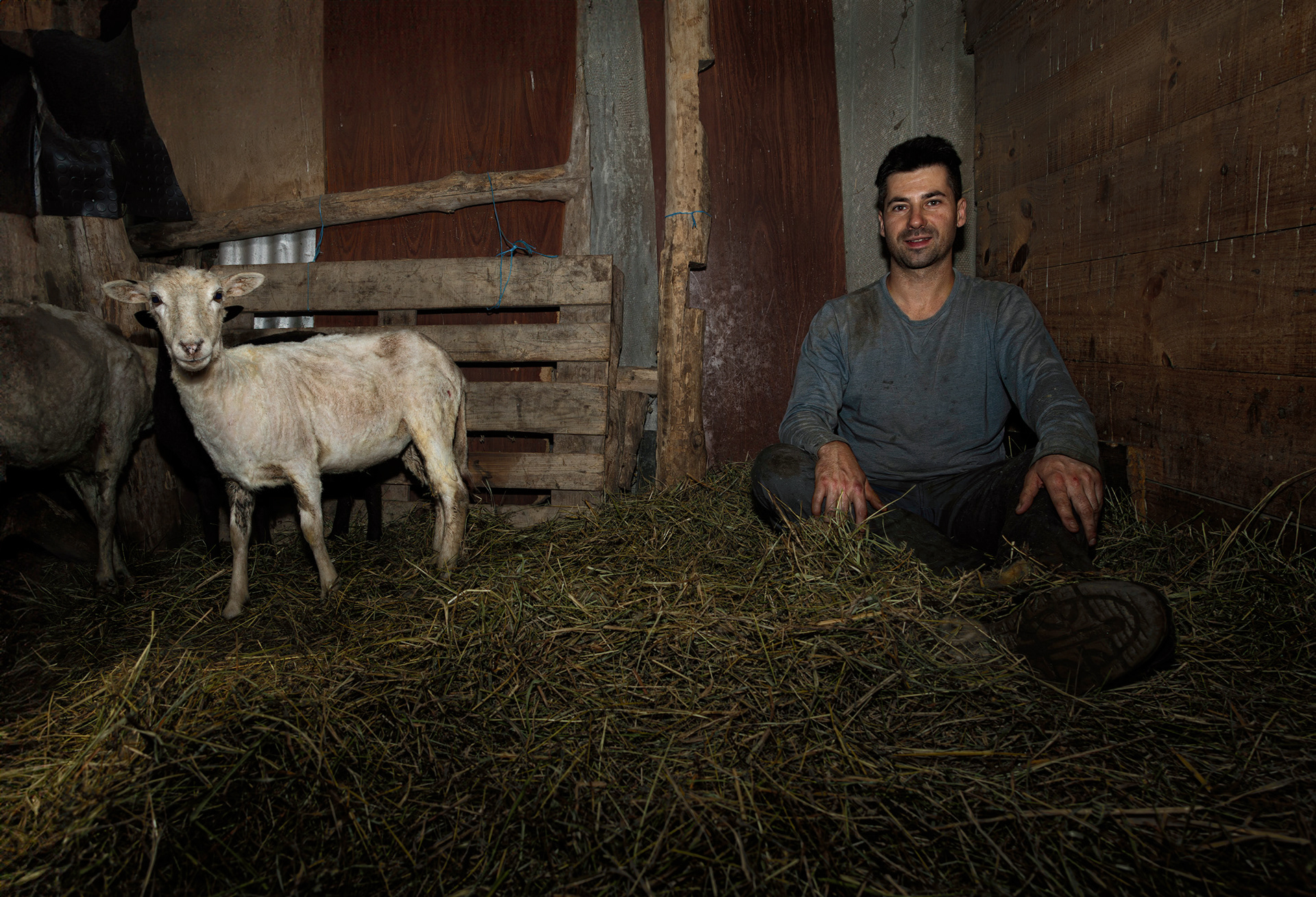
La esquila, práctica ancestral que se remonta miles de años, sigue viva gracias a profesionales como Marco. Su labor ha cobrado nuevo impulso con la recuperación del corderu xaldu y combina tradición y técnica en cada paso del proceso. Marco lleva más de 15 años realizando esta práctica con sus propios animales, que incluye el esquilado a máquina, el despezuñe y la desparasitación interna. Estas técnicas, aplicadas entre marzo y agosto, no solo mantienen limpias a las ovejas y reducen parásitos, sino que también previenen la ceguera de la lana, permiten mayor libertad de movimiento y ayudan a sobrellevar el calor. Este oficio, incluido en los inventarios de Patrimonio Cultural Inmaterial, depende de la transmisión a nuevas generaciones para no perderse.
📍 Belandres
Marco, sheep shearer
Sheep shearing, an ancestral practice dating back thousands of years, survives today thanks to professionals like Marco. His work has gained new momentum with the revival of the corderu xaldu breed, combining tradition and technique at every step of the process.
For more than 15 years, Marco has carried out these tasks with his own animals, including machine shearing, hoof trimming, and internal deworming. Applied between March and August, these techniques not only keep the sheep clean and reduce parasites, but also prevent wool blindness, allow greater freedom of movement, and help the animals cope with heat.
This craft, included in inventories of Intangible Cultural Heritage, depends on transmission to new generations to survive.
📍 Grao
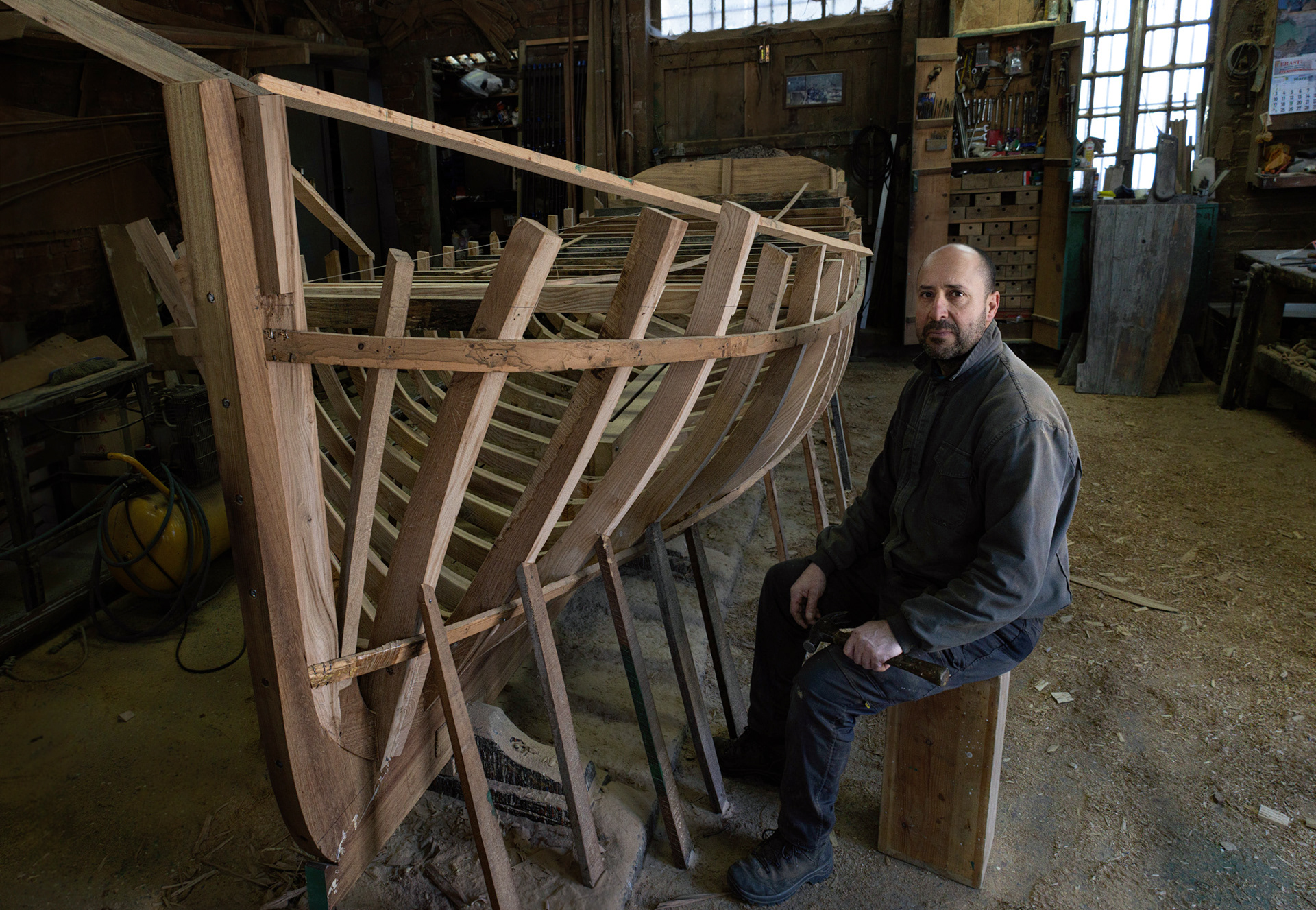
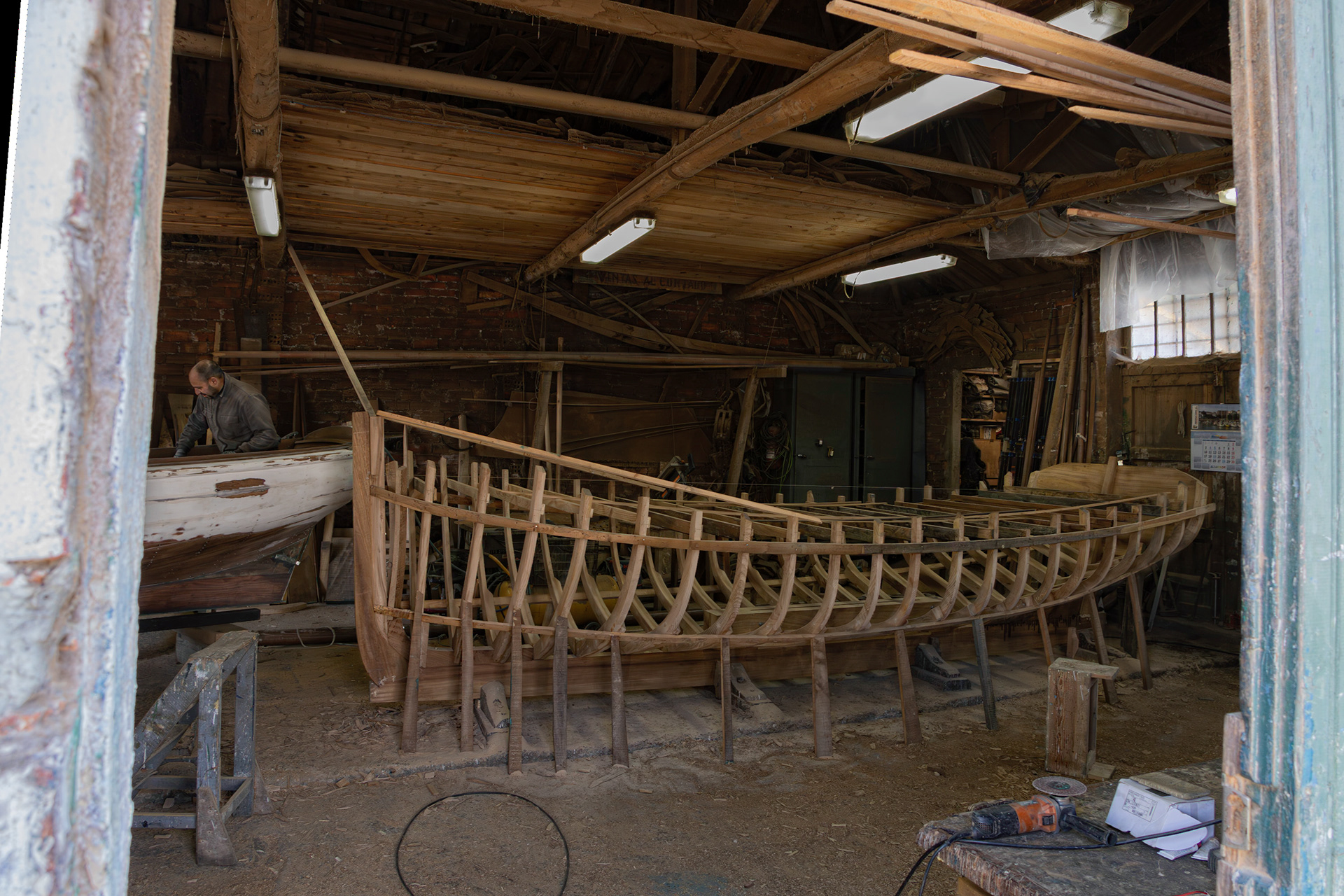
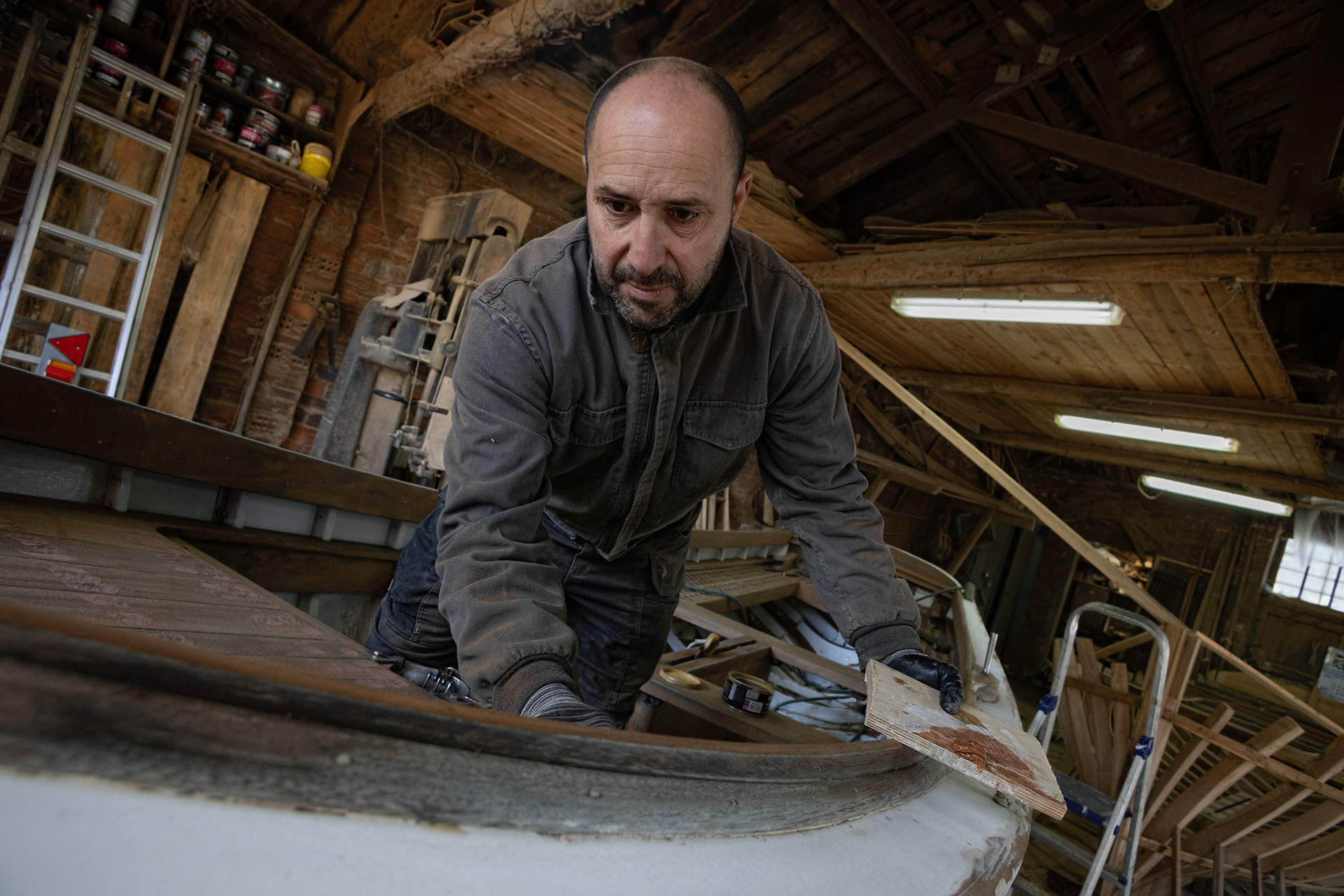
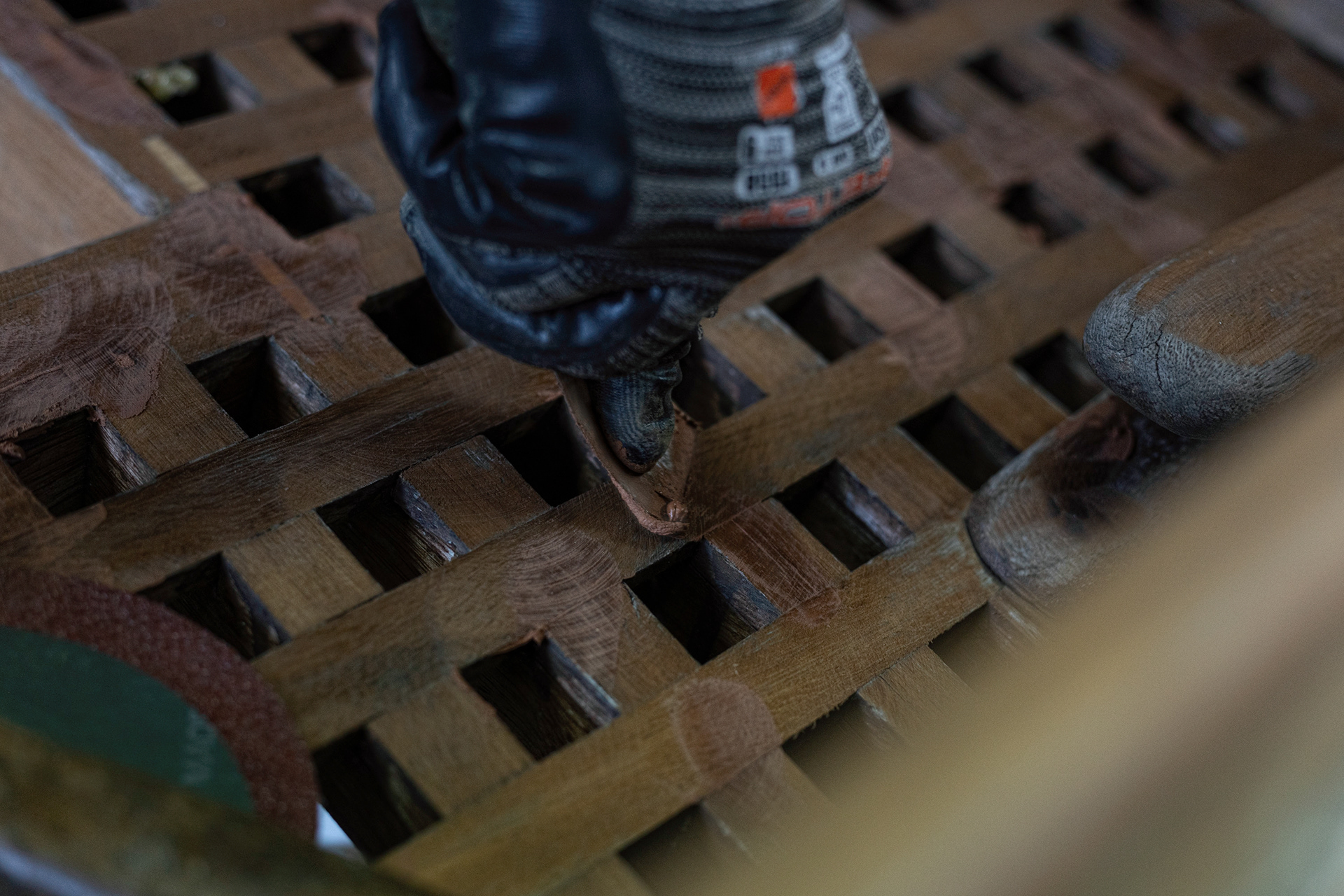
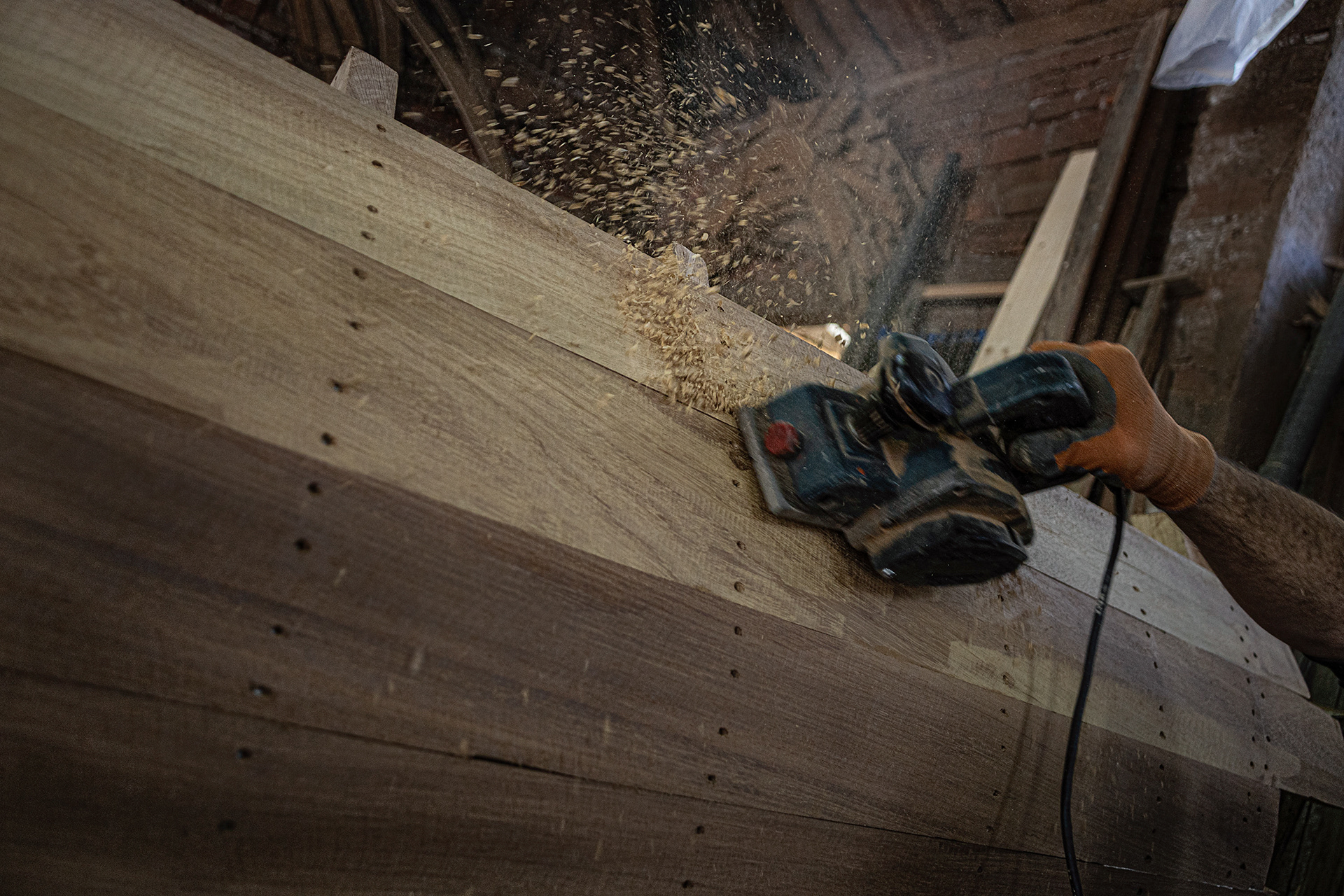
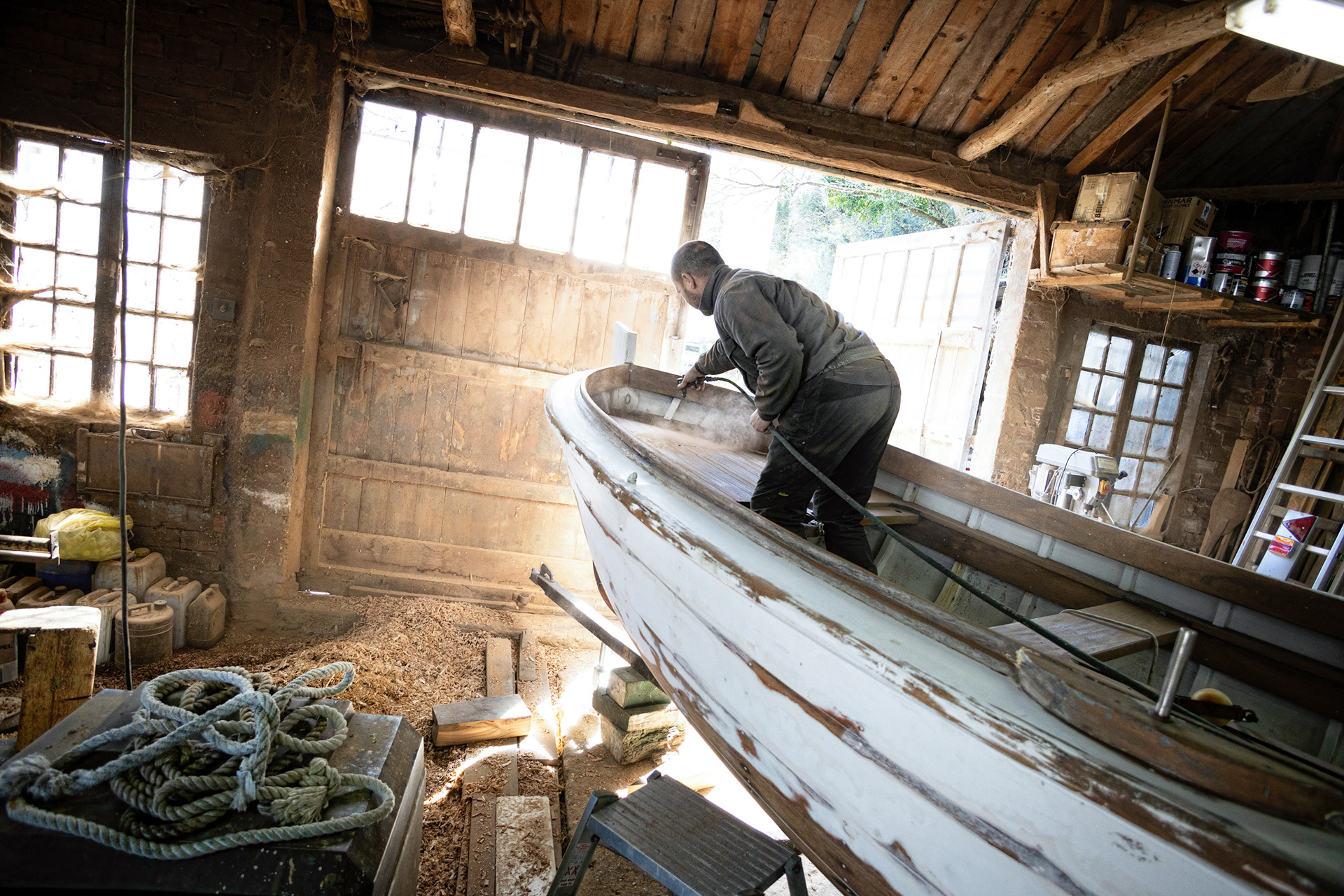
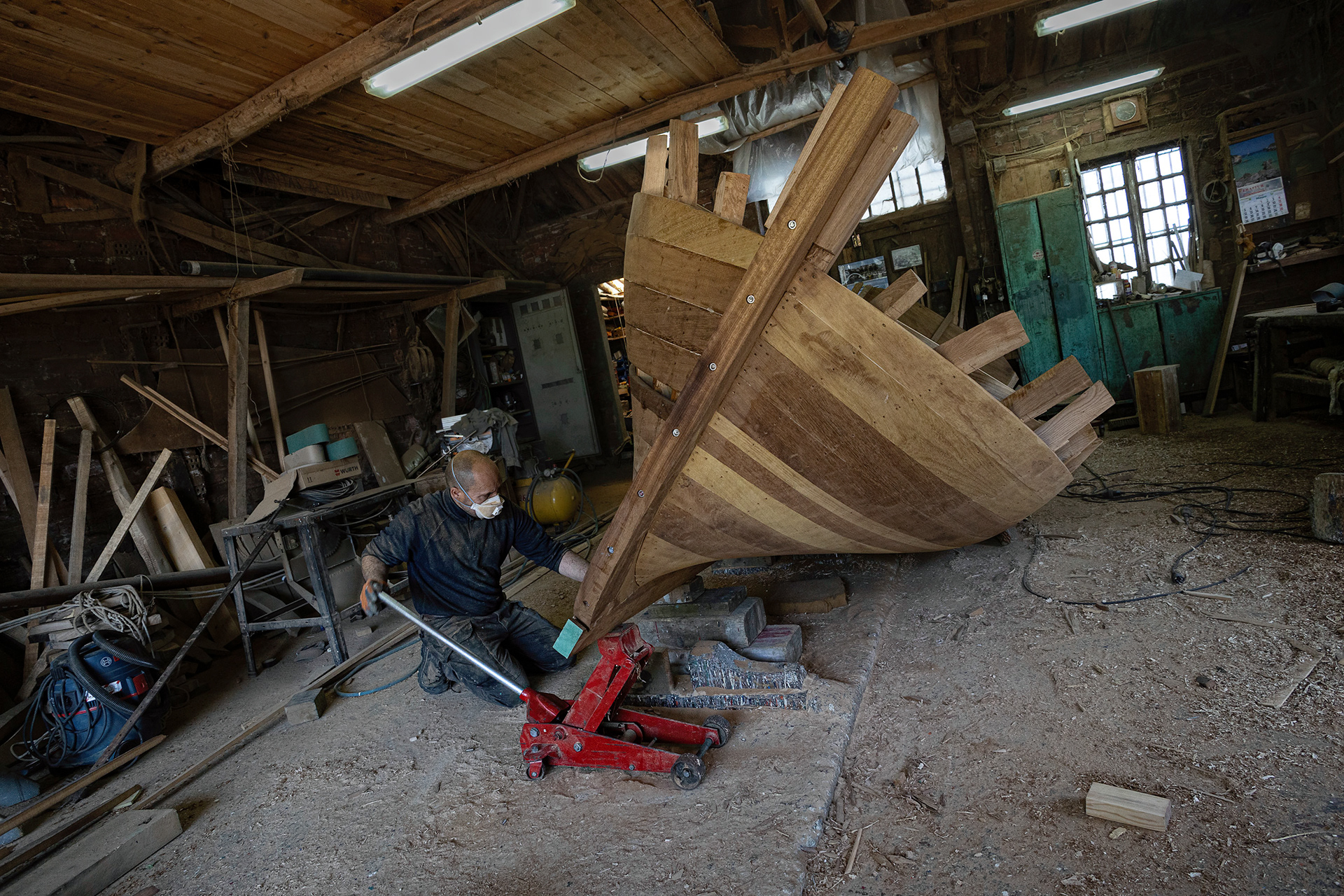
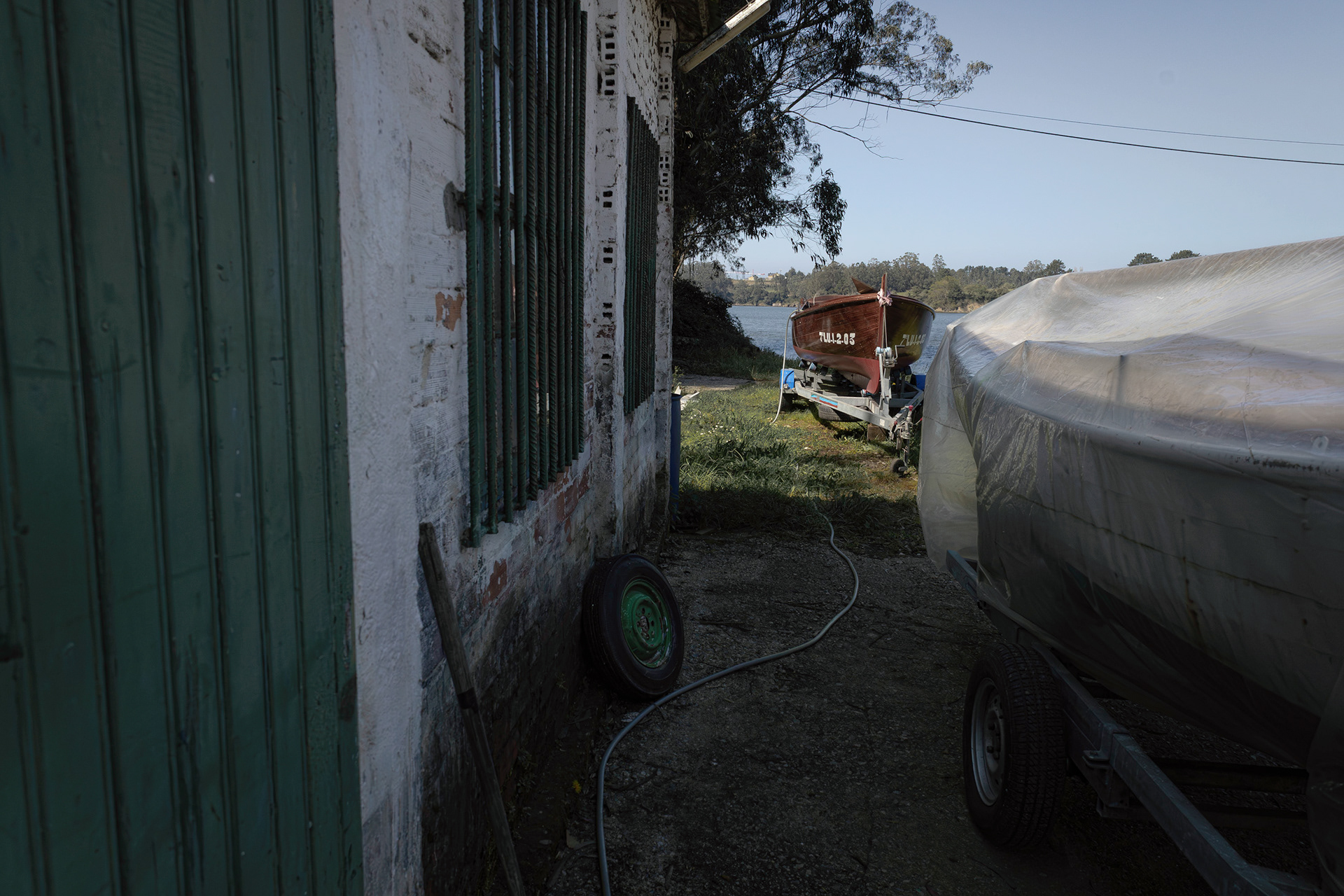
Martín, el último carpintero de ribera
Astilleros Pacho es la última carpintería de ribera en la región, y Martín González mantiene vivo un oficio que ha pasado de generación en generación durante más de 80 años. Cada embarcación se construye de manera artesanal, combinando técnicas tradicionales y materiales nobles, como la madera de Iroko, cuya protección complica cada vez más su adquisición y amenaza el acceso a este recurso en el futuro. El oficio está protegido como Bien de Interés Cultural (BIC) en Asturias dentro de los “Oficios de la ría del Eo: saberes ligados a la construcción y navegación de los botes de vela latina”, lo que asegura su reconocimiento y conservación, aunque limita las reformas necesarias en el taller para adaptarlo a las exigencias del trabajo moderno.
Su labor es un testimonio vivo de una tradición con más de dos siglos de historia, incluida también en los inventarios de Patrimonio Cultural Inmaterial, cuyo futuro depende no solo de que surja un relevo dispuesto a continuarla, sino también de clientes que valoren una embarcación de madera frente a las alternativas de fibra, más baratas, ligeras y fáciles de mantener.
📍 El Esquilo
Martín, the last river carpenter
Astilleros Pacho is the last river carpentry workshop in the region, and Martín González keeps alive a craft passed down through generations for more than 80 years. Each boat is built entirely by hand, combining traditional techniques with noble materials, such as Iroko wood—whose protection increasingly complicates acquisition and threatens access in the future.
The trade is protected as a Cultural Heritage Asset (BIC) in Asturias under “Trades of the Eo estuary: knowledge linked to the construction and navigation of lateen-sail boats,” ensuring its recognition and preservation, though limiting the modifications needed in the workshop to meet modern work demands. Martín’s work is a living testament to a tradition over two centuries old, also included in inventories of Intangible Cultural Heritage, whose future depends not only on the emergence of successors willing to continue it, but also on clients who value wooden boats over cheaper, lighter, and easier-to-maintain fiberglass alternatives.
📍 Castropol

Pelayo, el último barquillero
No se equivocaba la BBC cuando hace unos años, le dedicaron un reportaje. Pelayo es el último barquillero del mundo y no es de extrañar, ya que el suyo es un trabajo sacrificado como pocos.
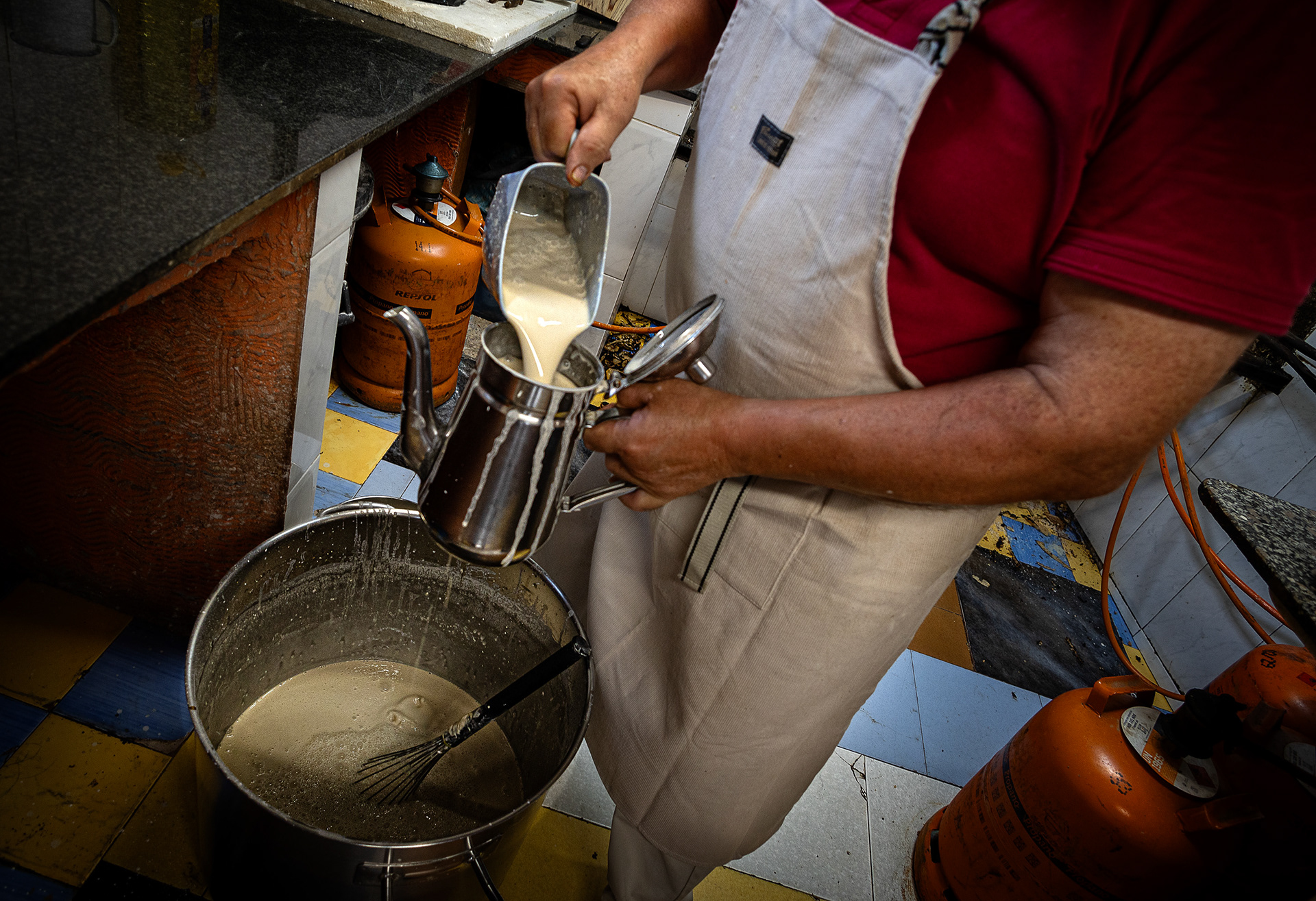
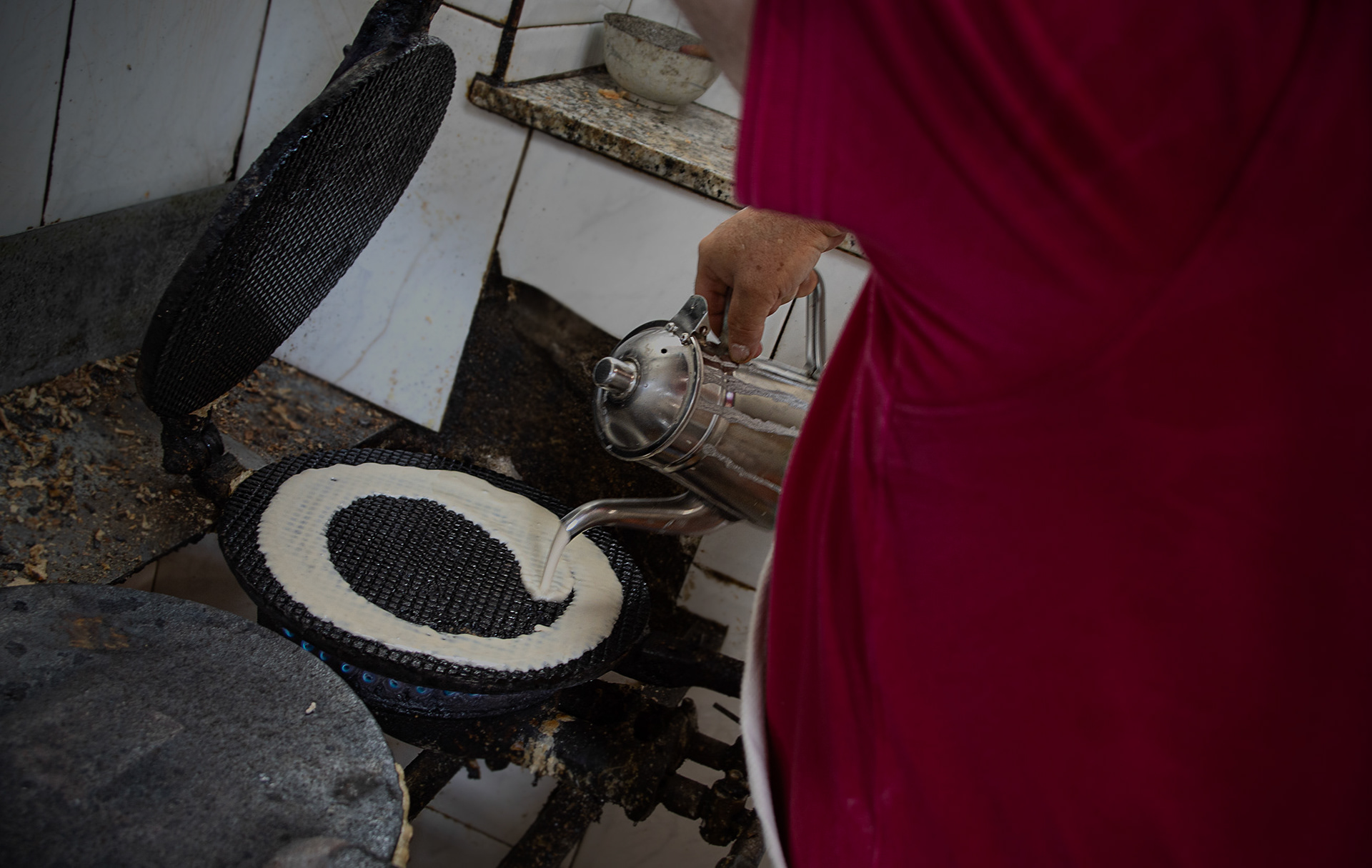
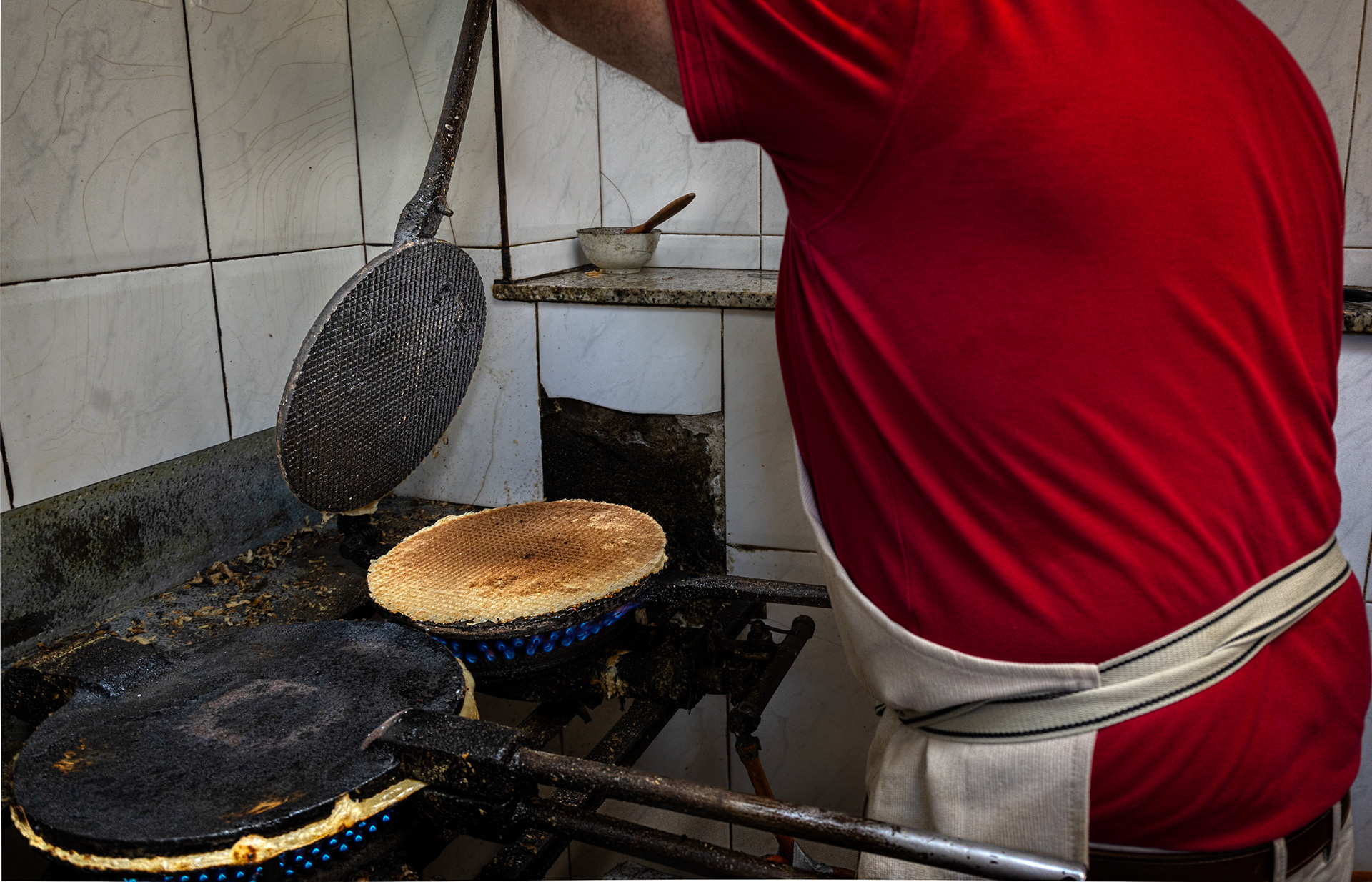
A las 5 de la mañana ya está en pie y poco después comienza a elaborar. Hace la masa (secreta) y va elaborando los barquillos en las antiguas sartenes como las que usaba su abuelo, allá por el 53.
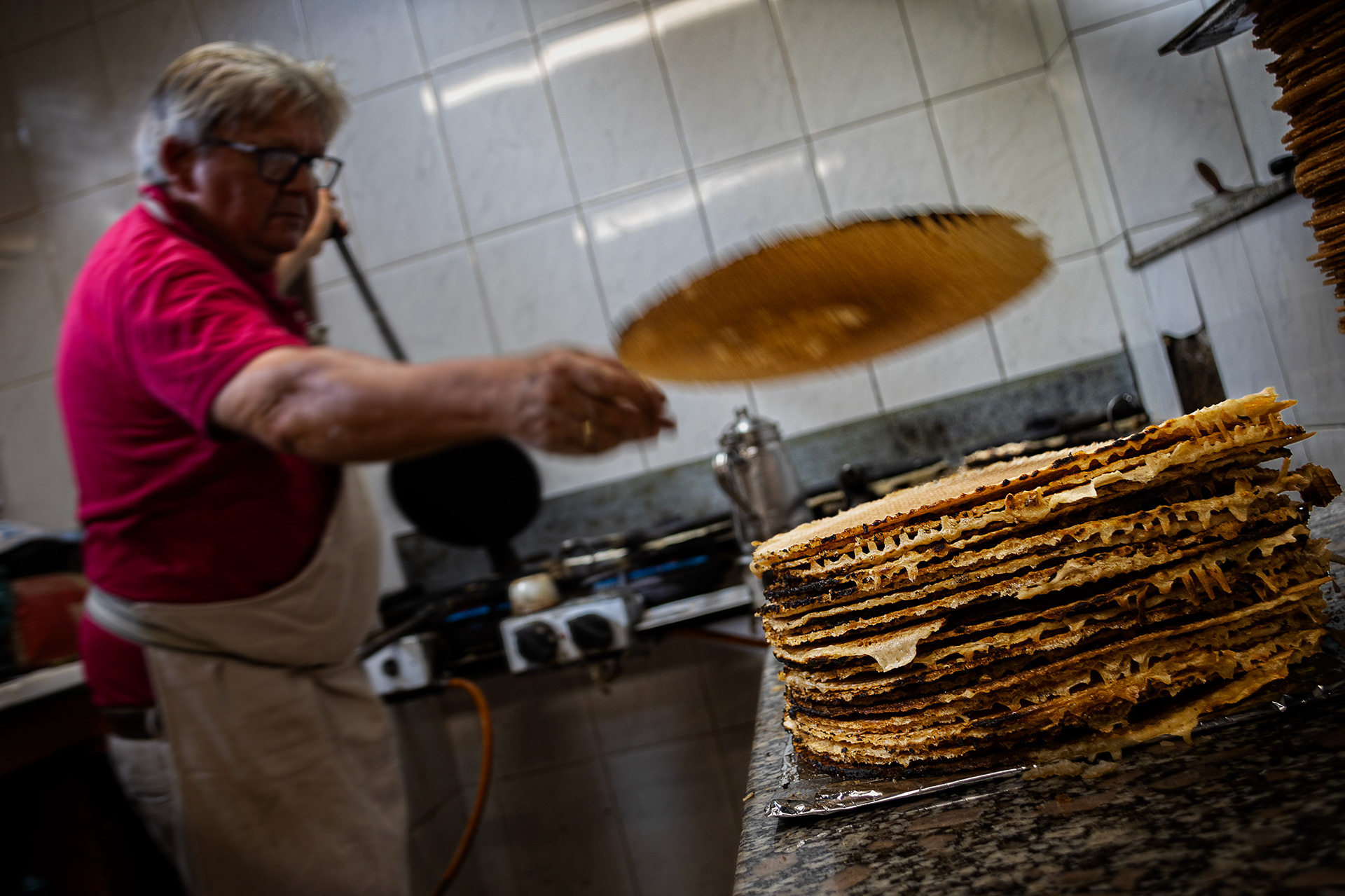
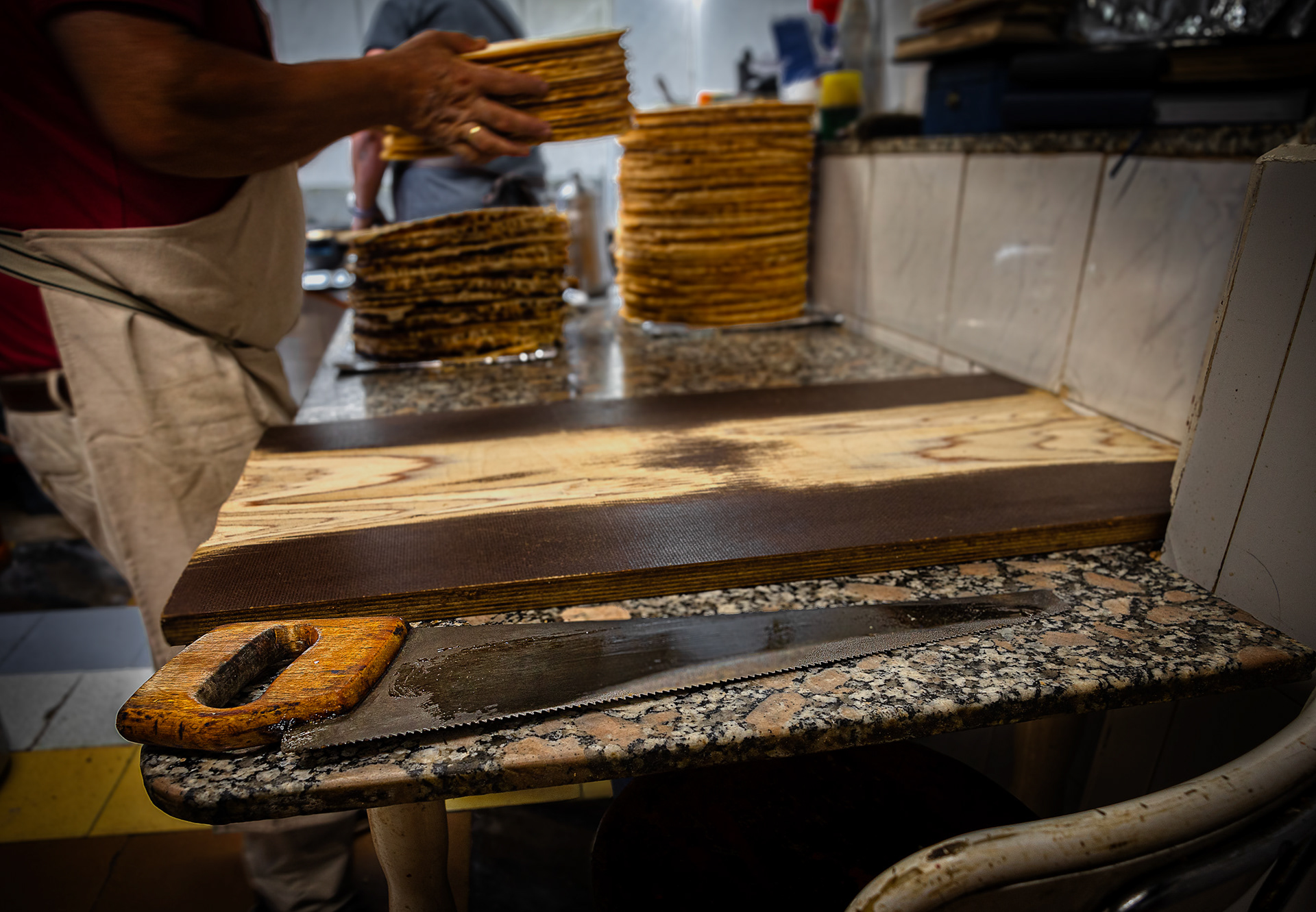
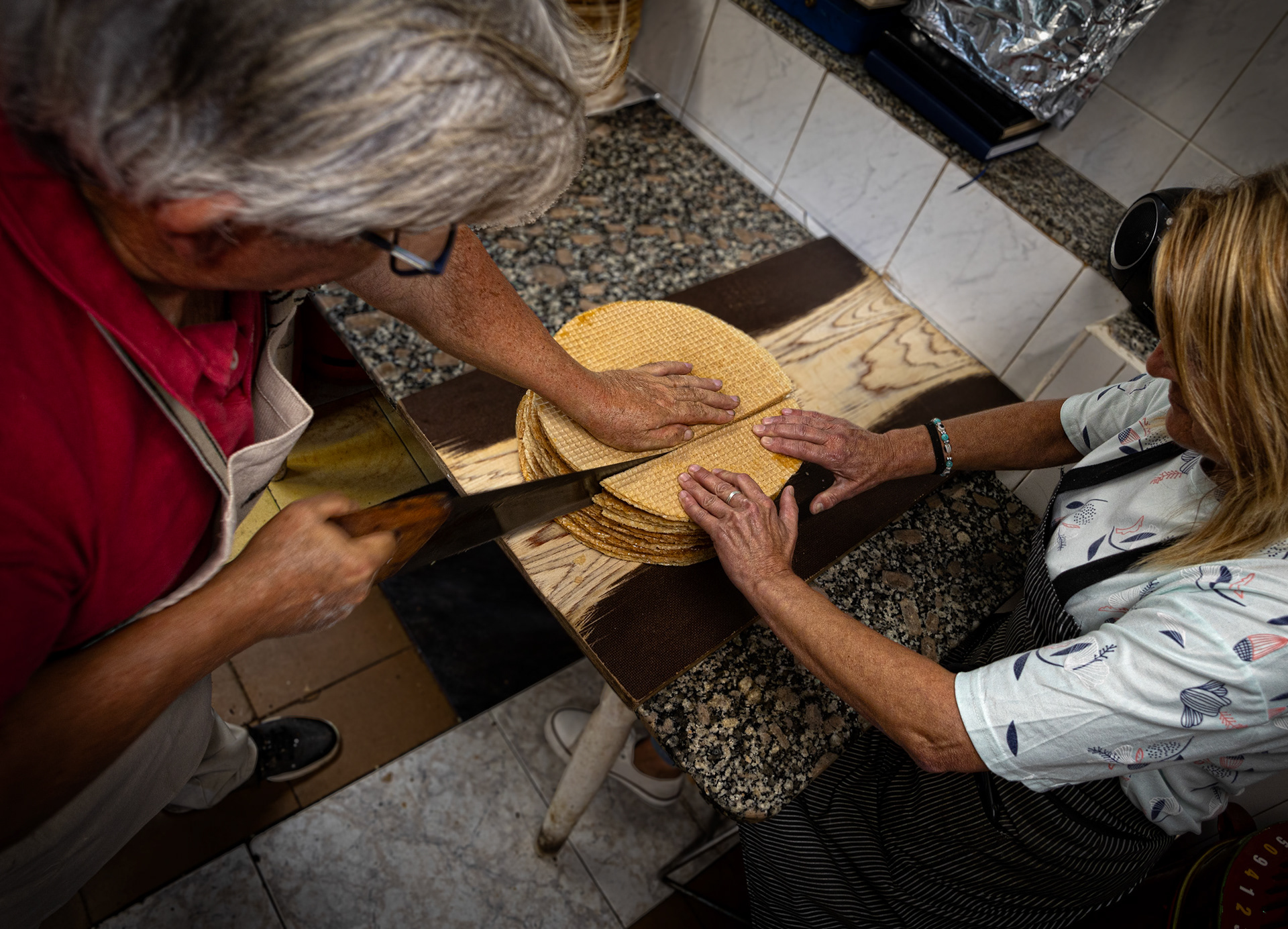
A eso de las 10 su mujer y su cuñada suben a ayudar en el proceso: recortan minuciosamente cada borde, untan con una mezcla de mieles aún calientes los barquillos y los colocan en bloques de 6. Después va el corte, a serrucho, como toda la vida, y tras eso hay que encajarlas en el maletín como si de un Tetris se tratara. Cada maletín lleno pesa unos 30 kg.
Tras comer algo, baja a la playa de Salinas a vender hasta las 7 y 8 de la tarde.
También es frecuente verlo por el centro de Avilés y por todas aquellas fiestas que muevan gente.
Guillermo, como así se llama, es el 4° de la generación de los barquilleros Pelayo (es el apellido que los une).
Creo que todos tenemos en nuestro recuerdo el ir al mercado o a la playa siendo niñ@s y encontrarnos con el barquillero. Yo aún recuerdo aquel olor tan característico que los hacía irresistibles.
Gracias al esfuerzo y la dedicación de esta familia, aún podemos disfrutar de algo tan delicioso y arraigado a nuestra niñez.
No se equivocaba la BBC cuando hace unos años, le dedicaron un reportaje. Pelayo es el último barquillero del mundo y no es de extrañar, ya que el suyo es un trabajo sacrificado como pocos.
A las 5 de la mañana ya está en pie y poco después comienza a elaborar. Hace la masa (secreta) y va elaborando los barquillos en las antiguas sartenes como las que usaba su abuelo, allá por el 53.
A eso de las 10 su mujer y su cuñada suben a ayudar en el proceso: recortan minuciosamente cada borde, untan con una mezcla de mieles aún calientes los barquillos y los colocan en bloques de 6. Después va el corte, a serrucho, como toda la vida, y tras eso hay que encajarlas en el maletín como si de un Tetris se tratara. Cada maletín lleno pesa unos 30 kg.
Tras comer algo, baja a la playa de Salinas a vender hasta las 7 y 8 de la tarde.
También es frecuente verlo por el centro de Avilés y por todas aquellas fiestas que muevan gente.
Guillermo, como así se llama, es el 4° de la generación de los barquilleros Pelayo (es el apellido que los une).
Creo que todos tenemos en nuestro recuerdo el ir al mercado o a la playa siendo niñ@s y encontrarnos con el barquillero. Yo aún recuerdo aquel olor tan característico que los hacía irresistibles.
Gracias al esfuerzo y la dedicación de esta familia, aún podemos disfrutar de algo tan delicioso y arraigado a nuestra niñez.
📍 Avilés
Pelayo, the last wafer maker
The BBC wasn’t wrong a few years ago when they dedicated a report to him. Pelayo is the last wafer maker in the world—and it’s easy to see why, as his is one of the most demanding crafts.
By 5 a.m., he is already up, and shortly after, he begins preparing the dough (a secret recipe) and cooking the wafers in the old pans his grandfather used back in 1953. Around 10 a.m., his wife and sister-in-law join in: carefully trimming each edge, brushing the wafers with a warm honey mixture, and stacking them in blocks of six. Next comes the cutting, done with a saw as it has been for decades, and then fitting the wafers into the case like a game of Tetris—each full case weighing around 30 kg.
After a quick meal, he heads to Salinas beach to sell until 7 or 8 p.m. He is also often seen in downtown Avilés and at local festivals. Guillermo—his given name—is the fourth generation of the Pelayo wafer-making family.
Many of us remember visiting the market or the beach as children and encountering the wafer maker, the scent making the treats irresistible. Thanks to the effort and dedication of this family, we can still enjoy something so delicious and deeply rooted in our childhood.
Avilés



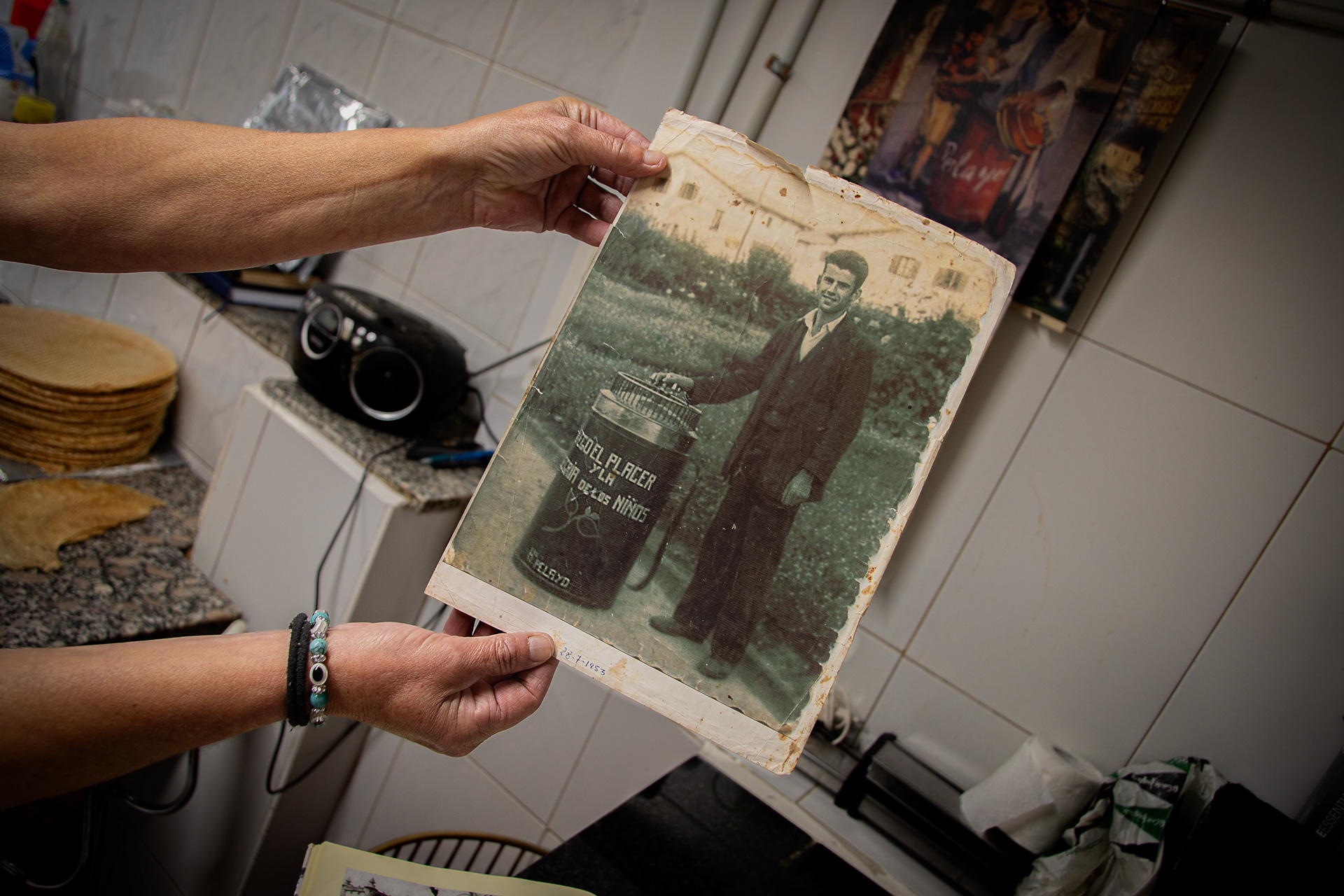
El abuelo Pelayo, primer barquillero 28-07-1953
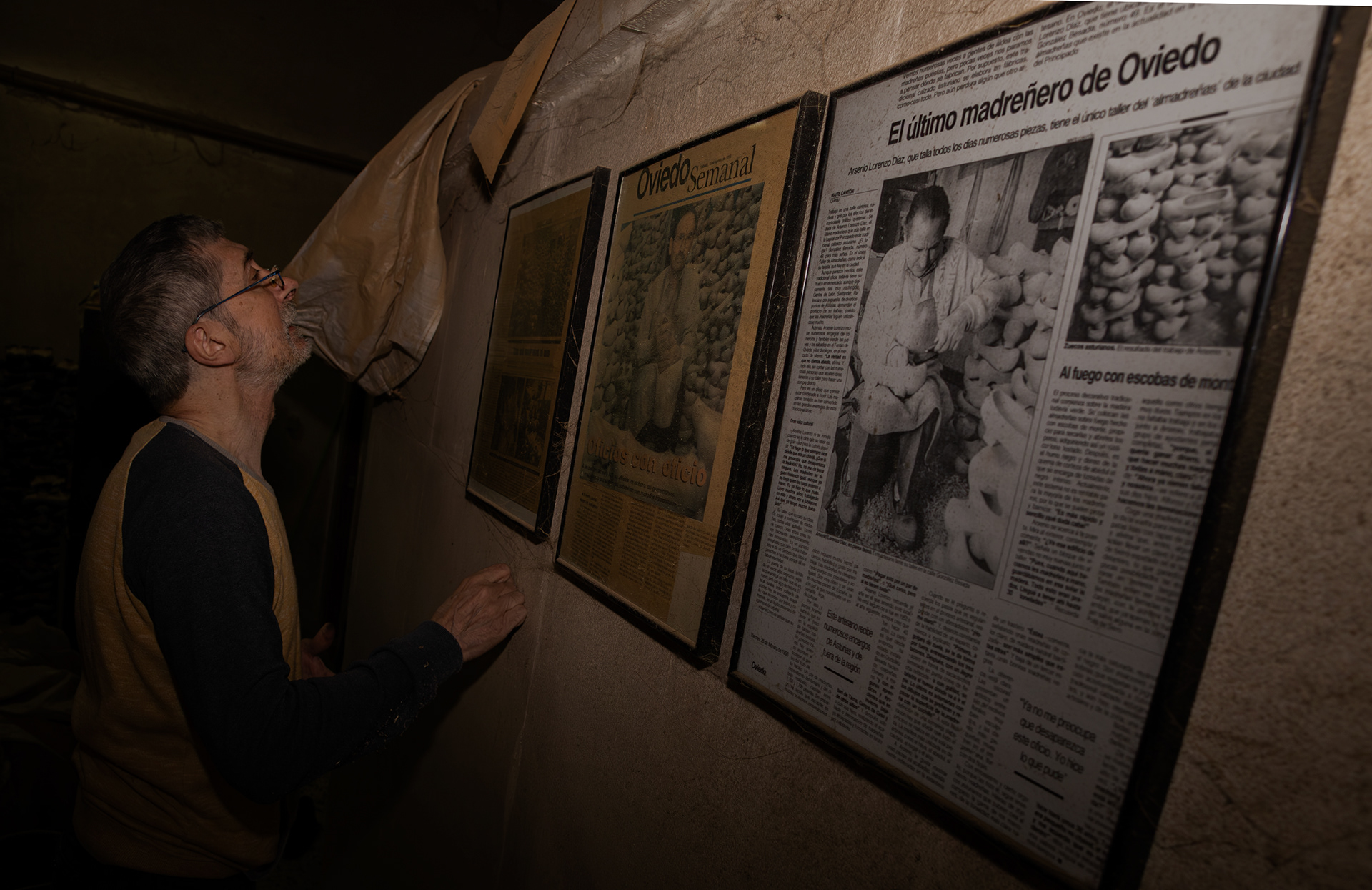
Alfonso, el último madreñero
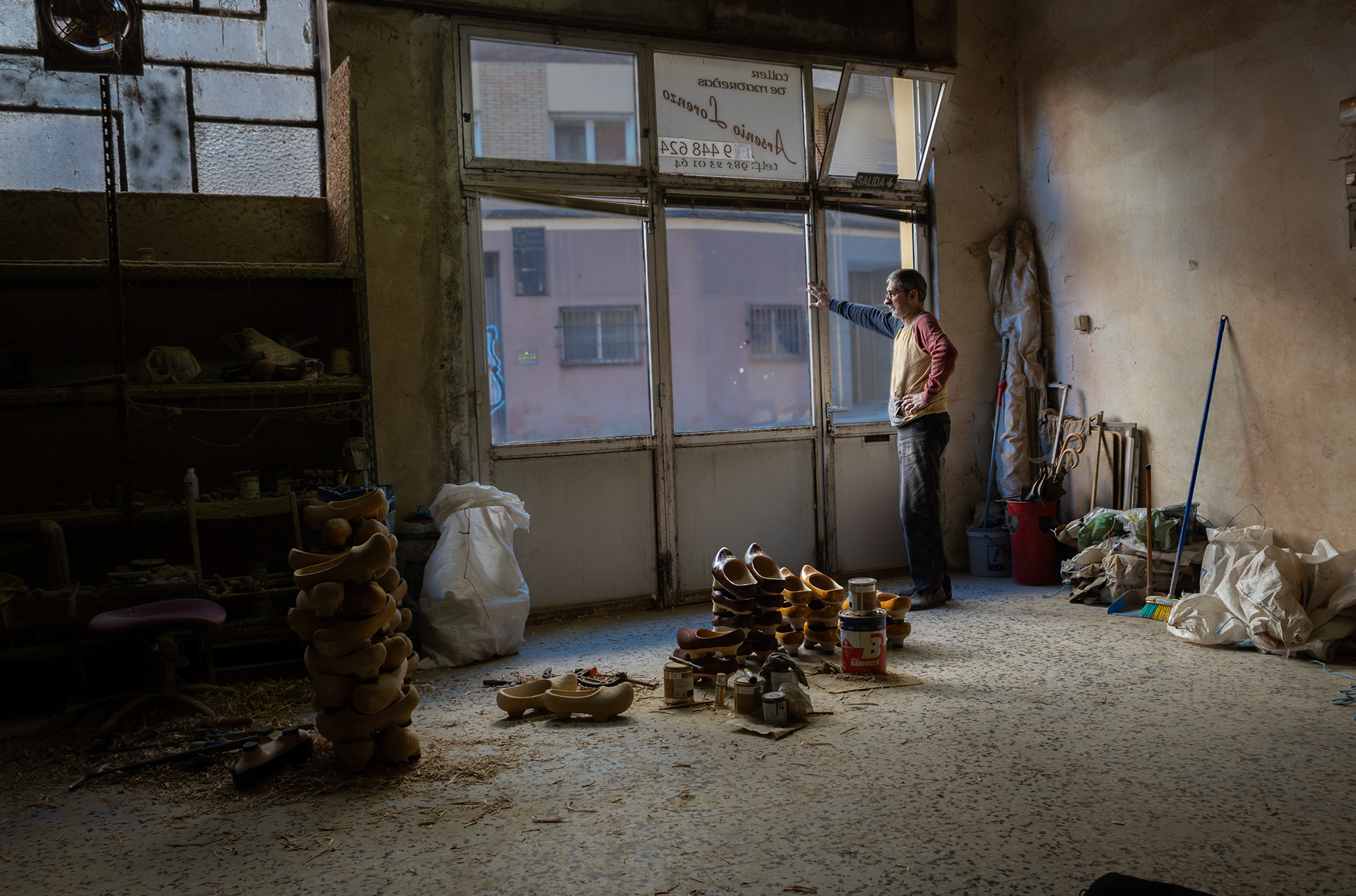
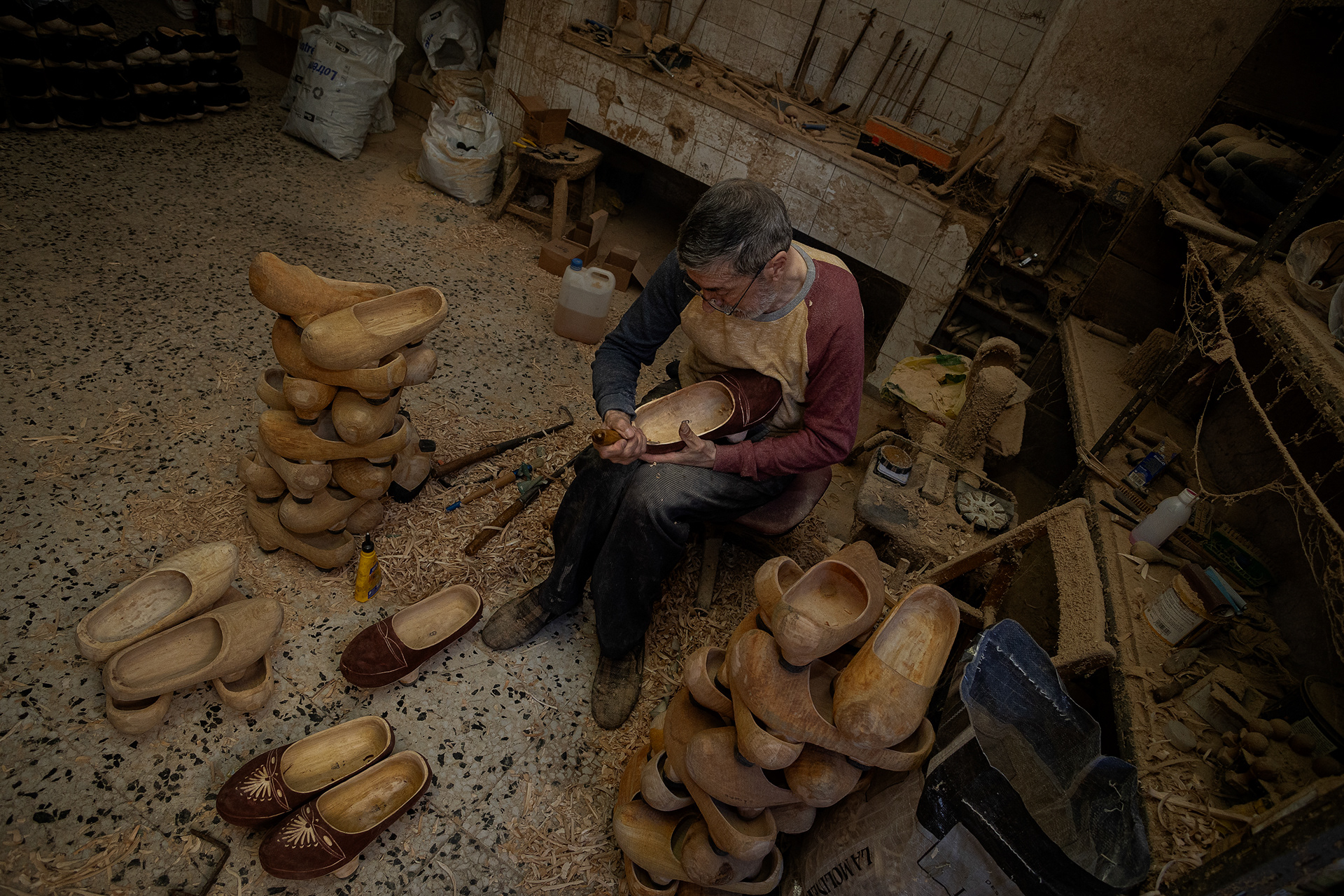
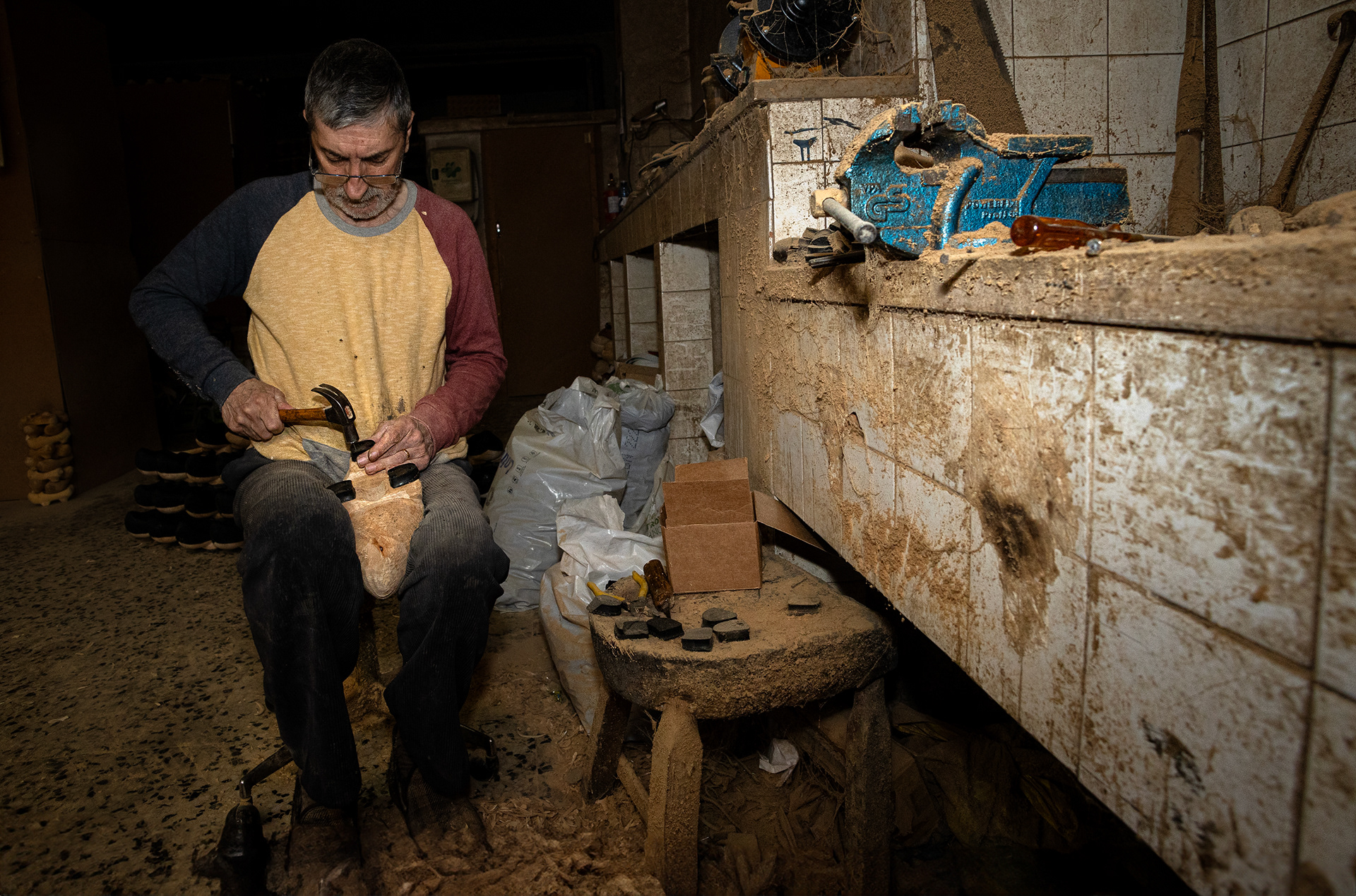
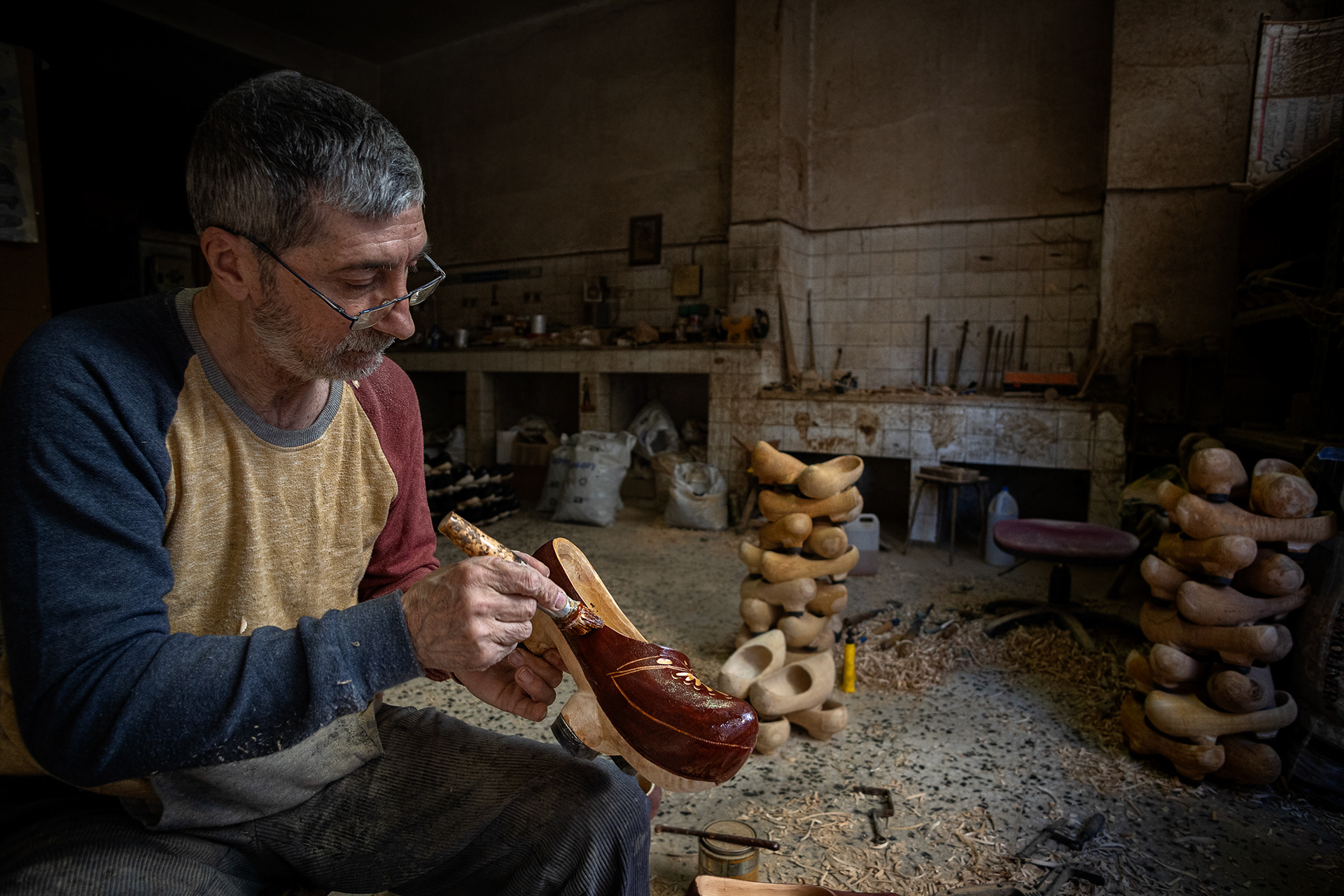
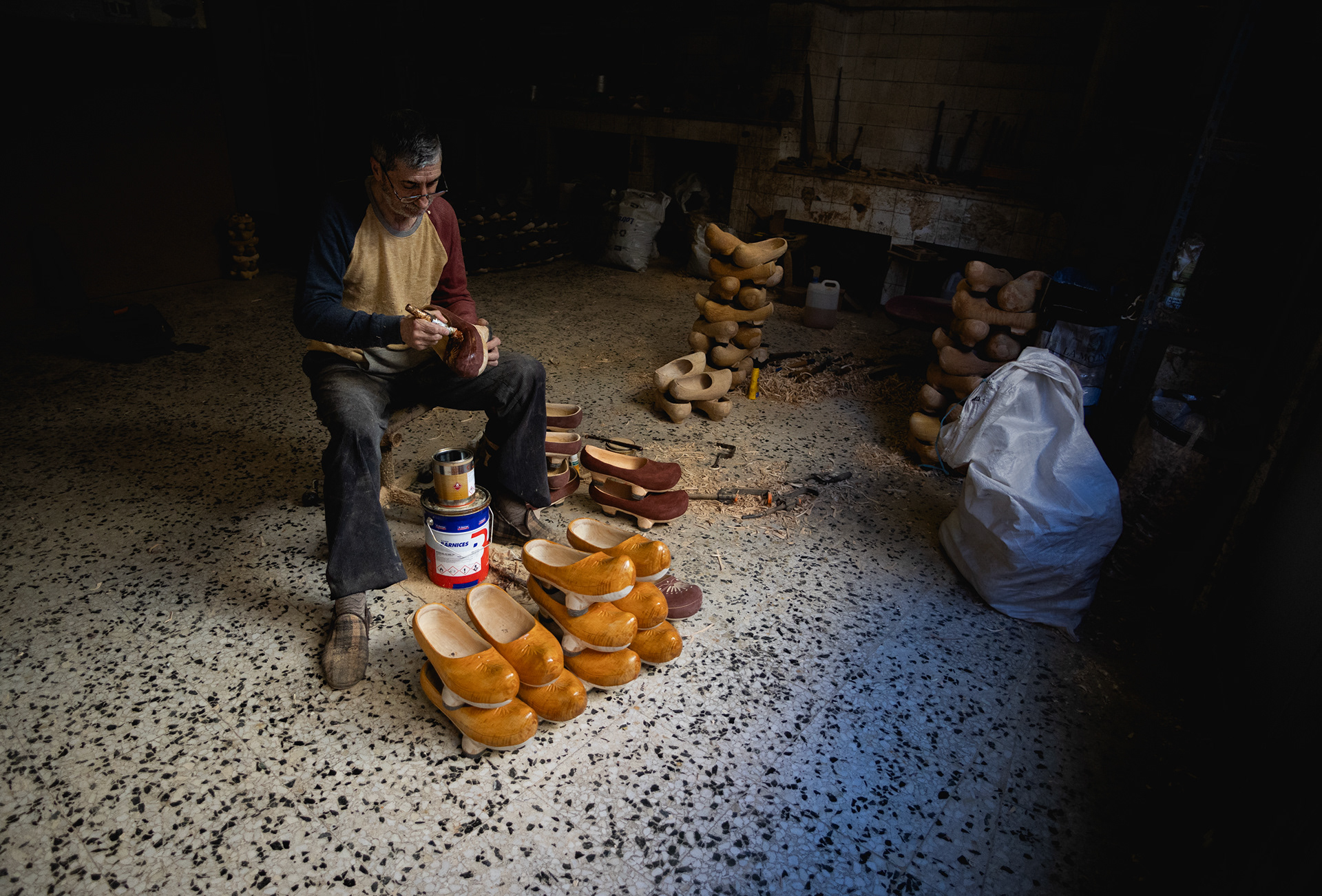
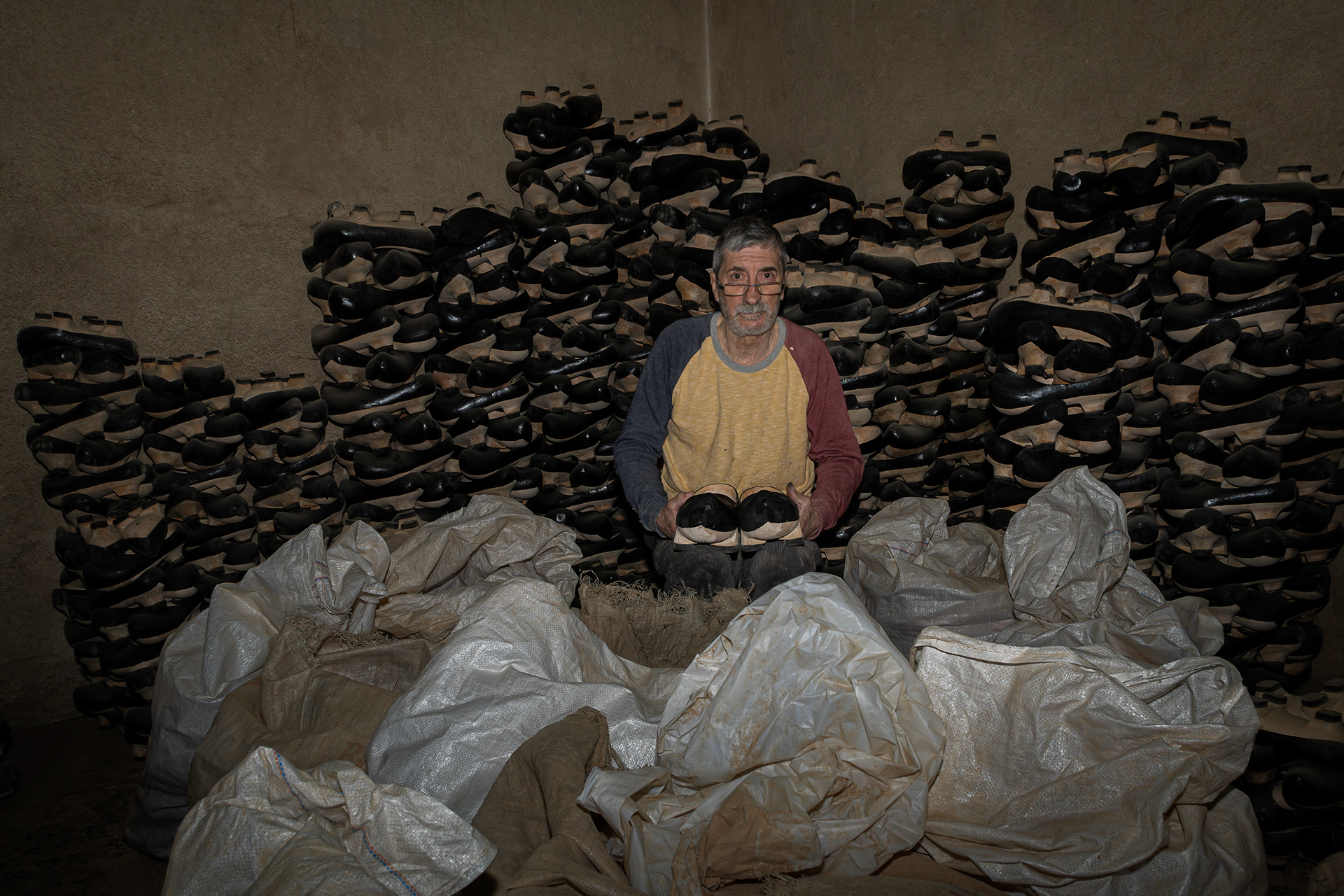
El oficio de madreñero, tradicionalmente ligado a la cultura rural, ha ido desapareciendo con los años. Alfonso, hijo de Arsenio Lorenzo —quien comenzó a tallar madreñas a los 12 años y se retiró a los 87—, sigue en activo produciendo unos 15 pares al día, que vende en tiendas de artesanía y agropecuarias. Con apenas unas horas diarias, mantiene vivo un saber que combina precisión, fuerza y paciencia, y que se transmite de manera casi artesanal desde la talla inicial hasta el acabado final.
Su taller atesora más de 2.000 pares, testimonio de décadas de trabajo. Aunque Alfonso disfruta de su oficio y aún no sabe cuándo lo dejará, reconoce que el relevo generacional es complicado: pocas personas jóvenes están dispuestas a dedicar las horas y esfuerzo que exige para ganarse la vida.
Hoy en día solo existen alrededor de cinco madreñeros activos, todos de avanzada edad, lo que hace que la continuidad de este oficio sea cada vez más incierta.
📍 Hijos de Arsenio Lorenzo. Oviedo
Alfonso, the last wooden clog maker
The craft of making madreñas, traditionally linked to rural culture, has gradually disappeared over the years. Alfonso, son of Arsenio Lorenzo—who began carving clogs at age 12 and retired at 87—remains active, producing around 15 pairs a day, sold in craft and agricultural shops. With just a few hours of work each day, he keeps alive a skill that combines precision, strength, and patience, passed down almost entirely by hand from the initial carving to the final finish.
His workshop holds over 2,000 pairs, a testament to decades of work. Although Alfonso enjoys his craft and does not yet know when he will stop, he acknowledges that generational renewal is difficult: few young people are willing to dedicate the hours and effort required to make a living from it. Today, only about five madreñeros remain active, all elderly, making the continuity of this craft increasingly uncertain.
Oviedo

Jose, cesteru
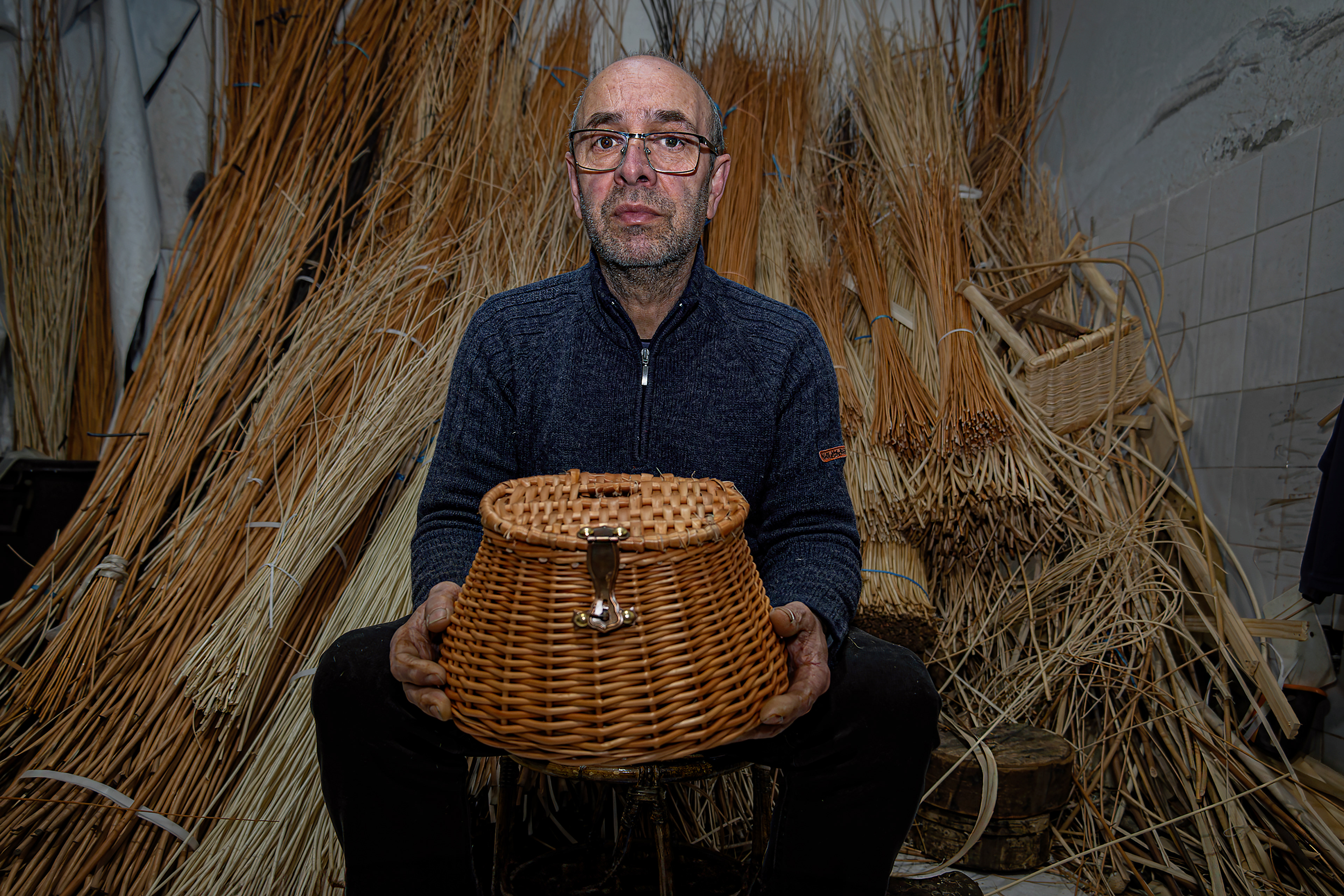
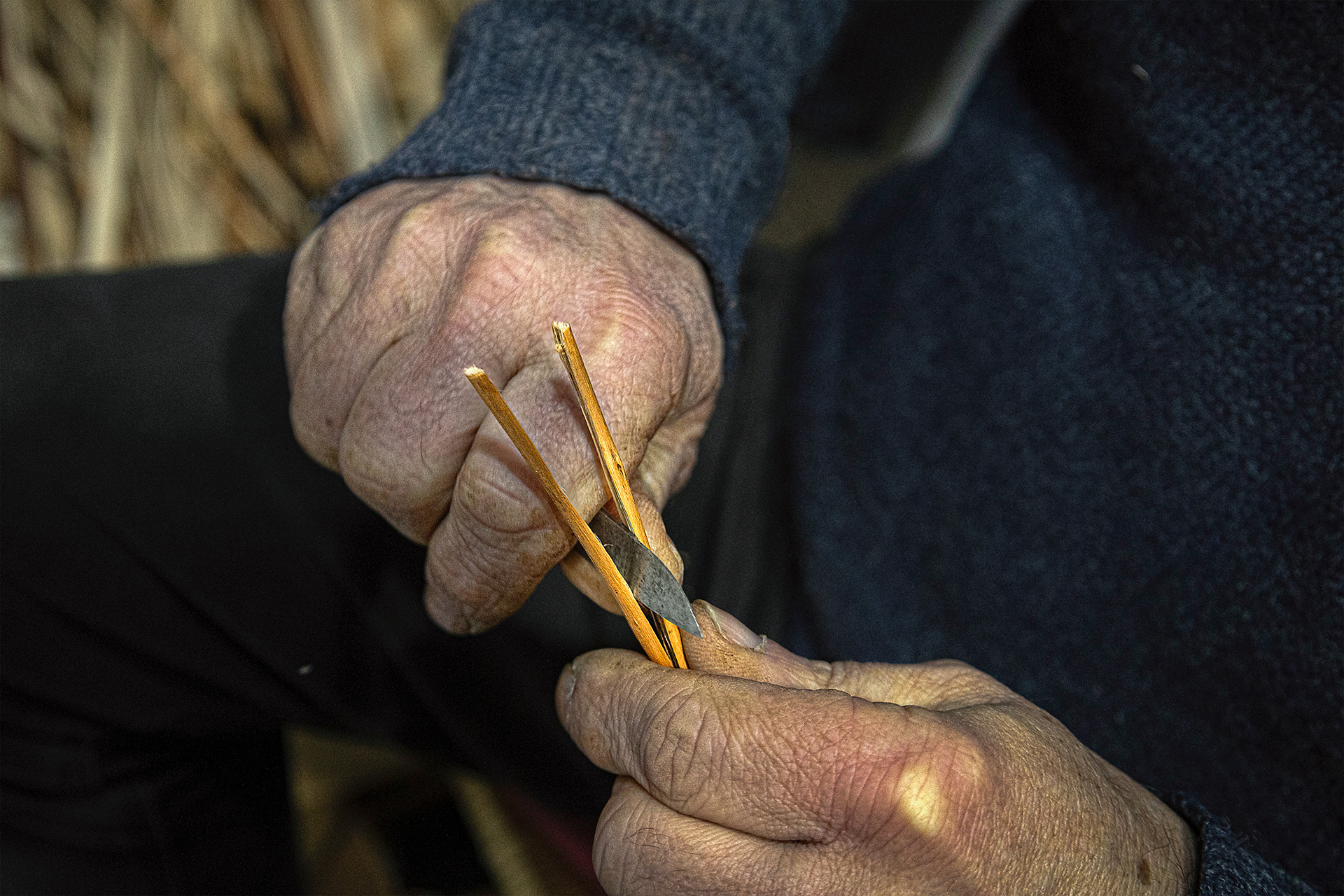
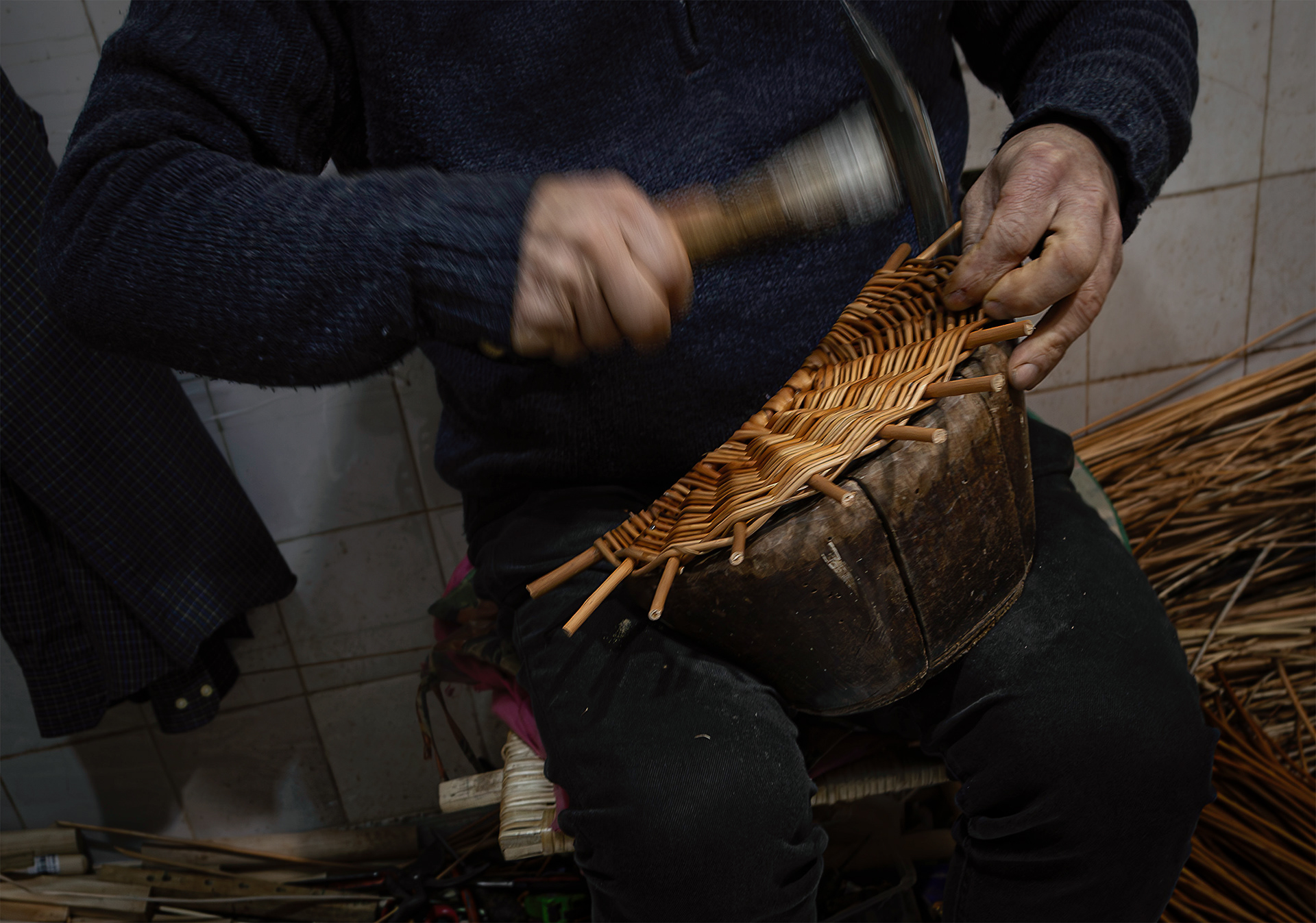
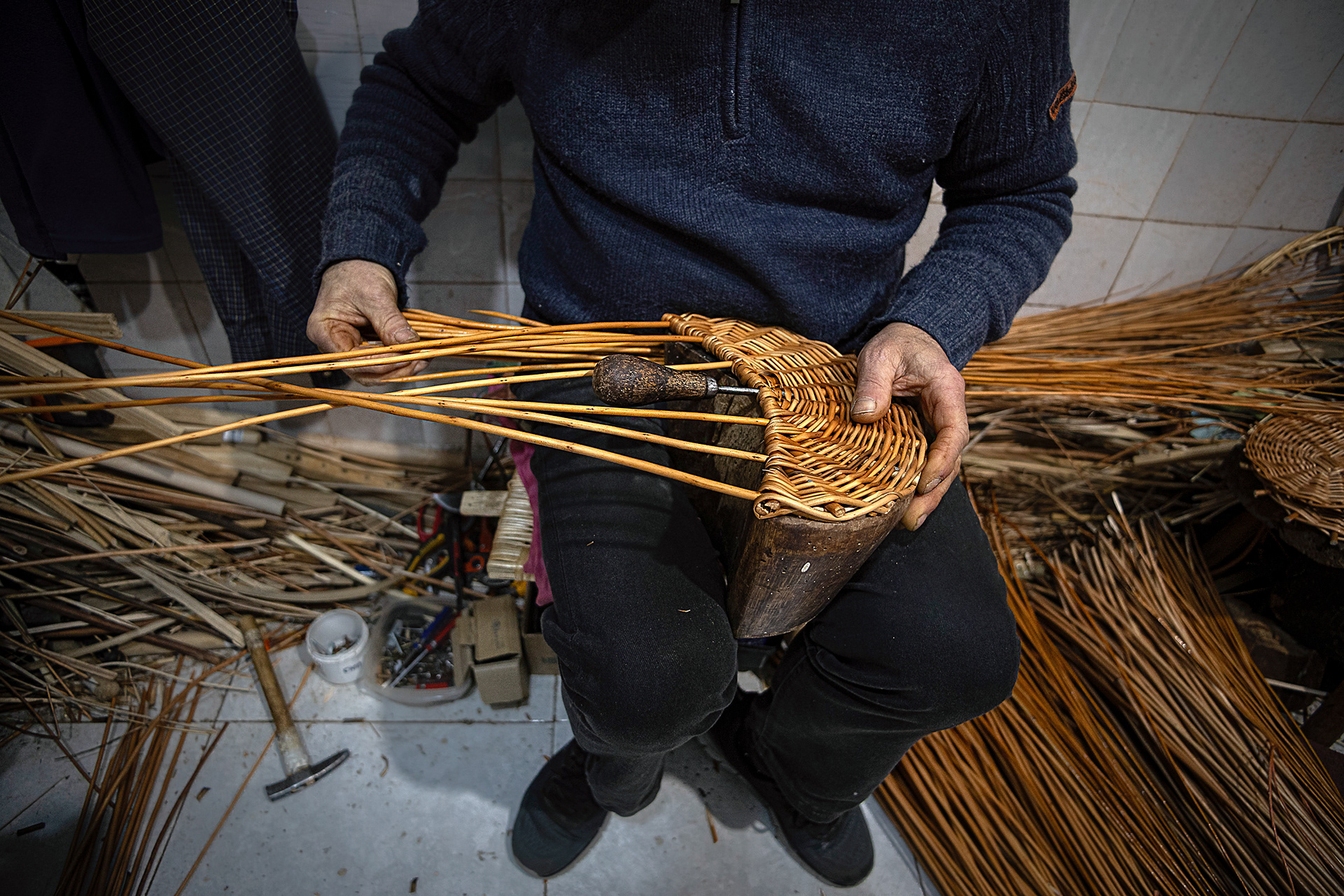
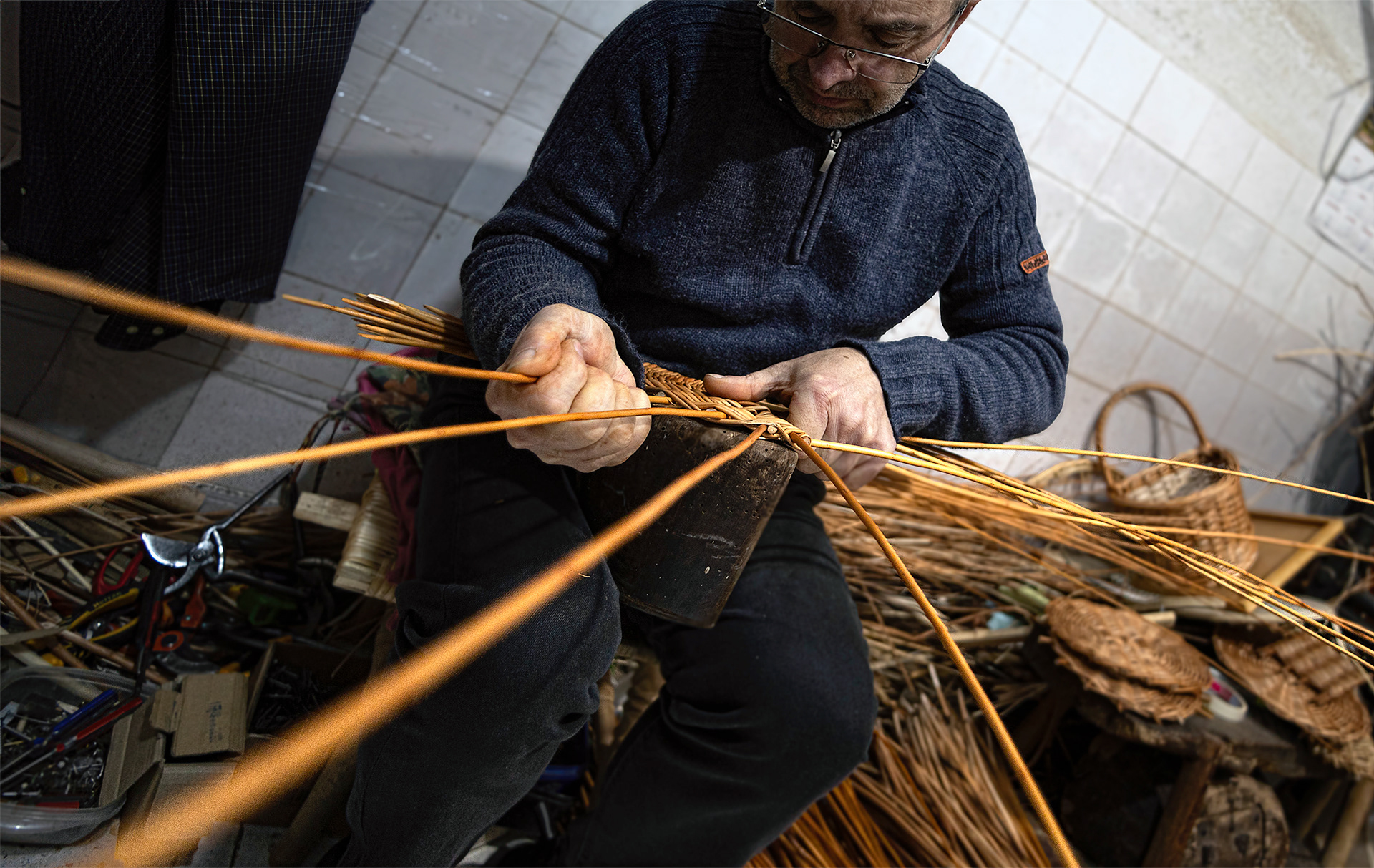
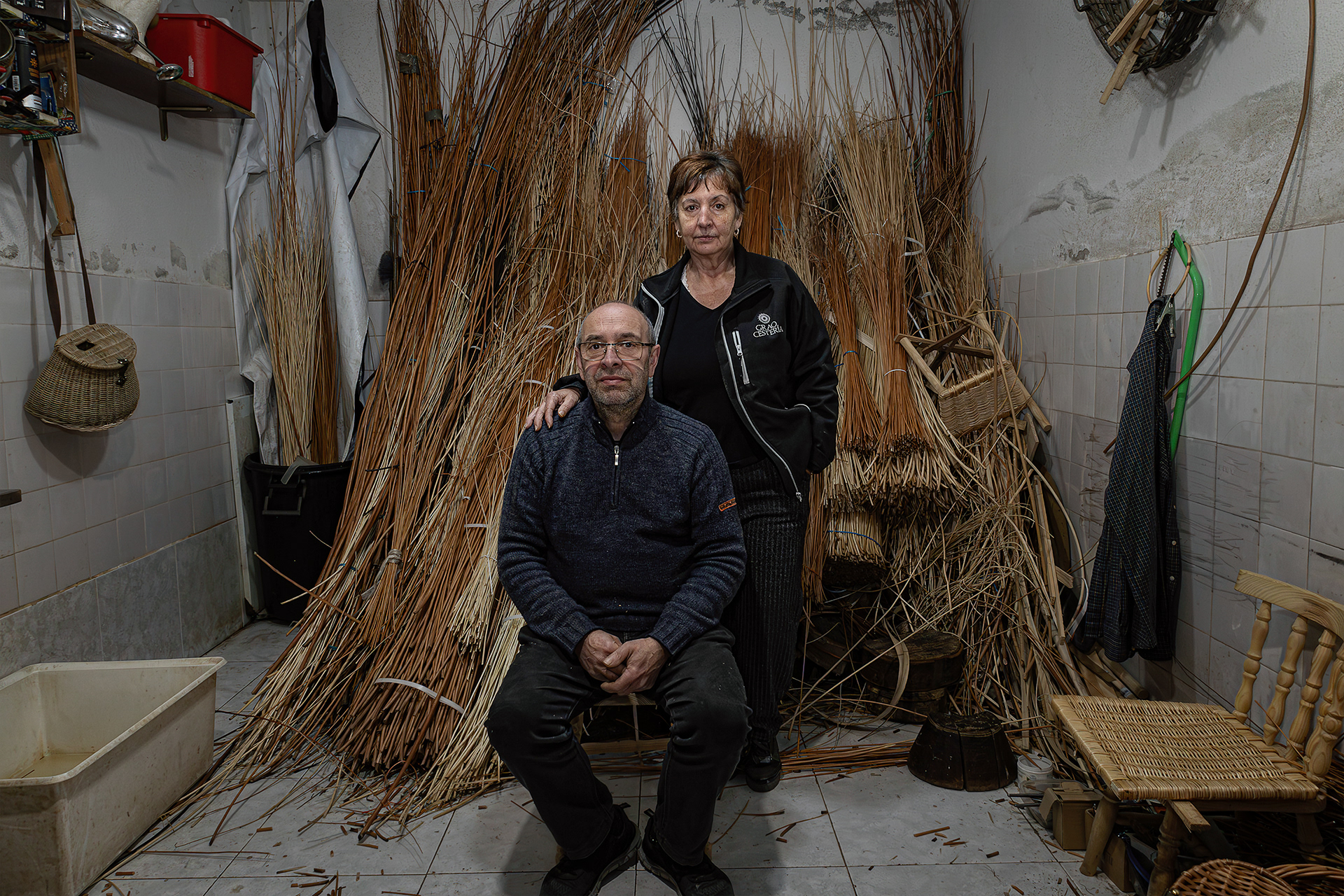
Jose y Mari representan la tercera generación de cesteros en su familia. Con más de 100 años de historia, este oficio comenzó con su abuelo en una época en la que el mimbre y el avellano abundaban en el territorio; hoy la materia prima debe adquirirse en otras comunidades autónomas, complicando la continuidad del trabajo.
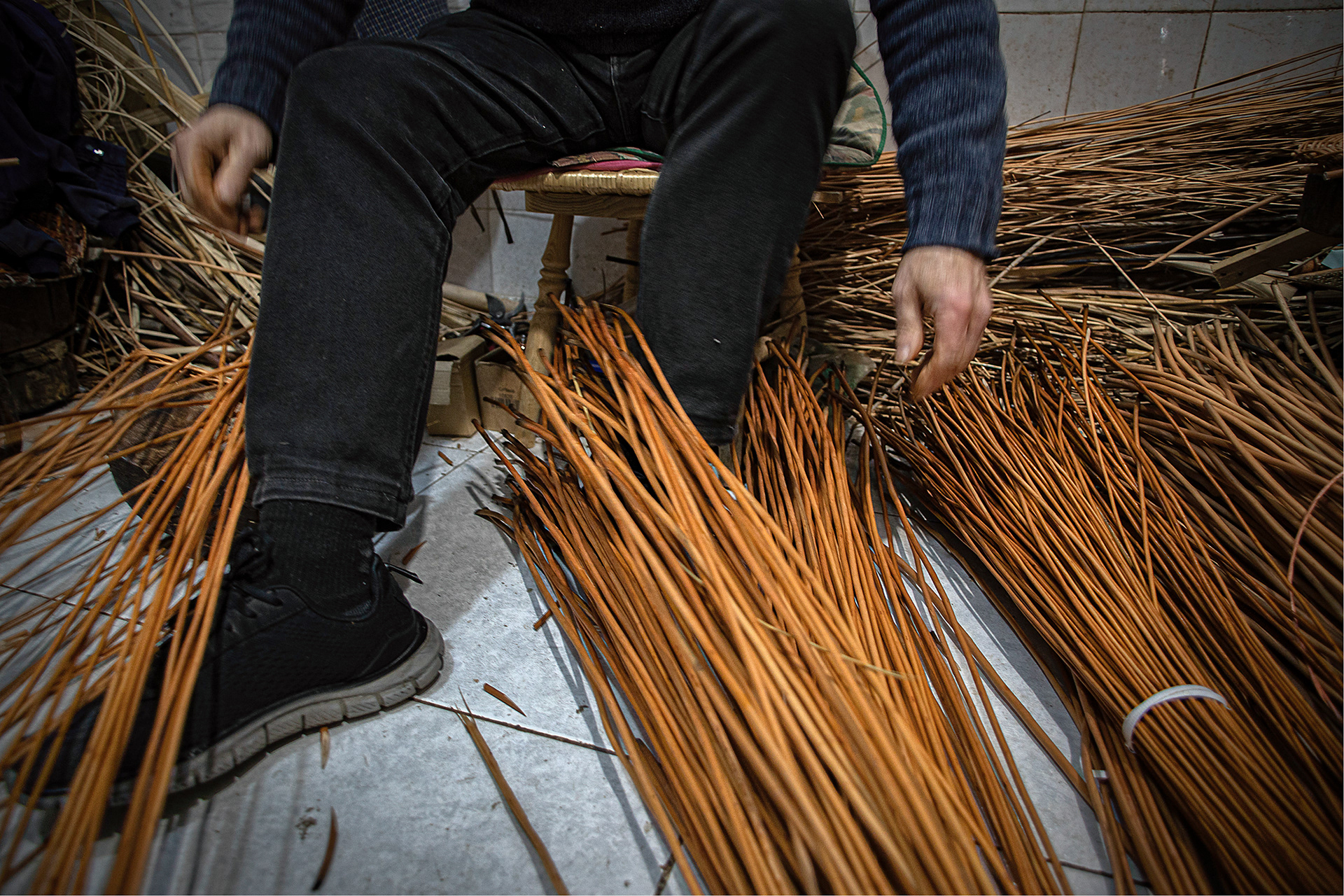
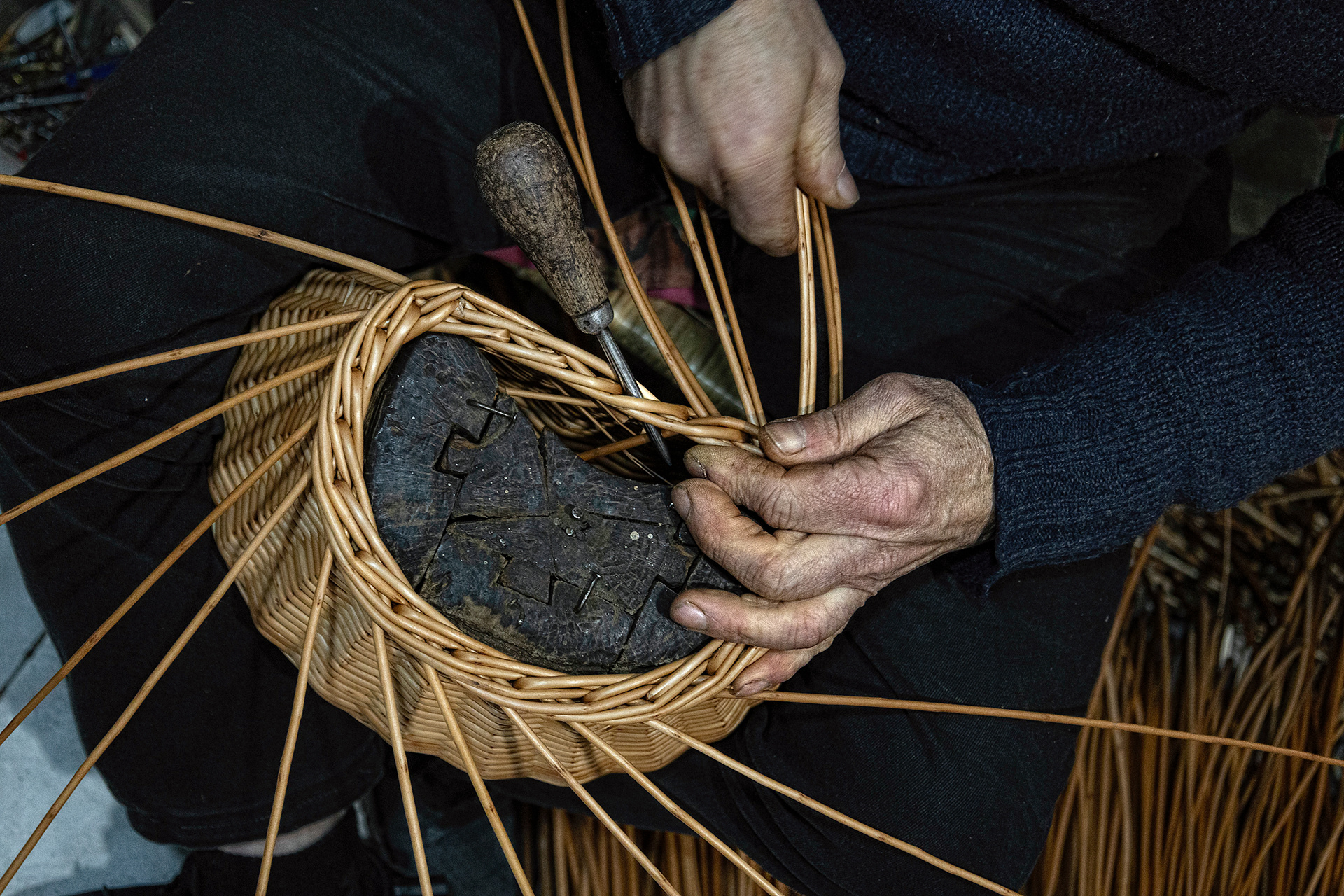
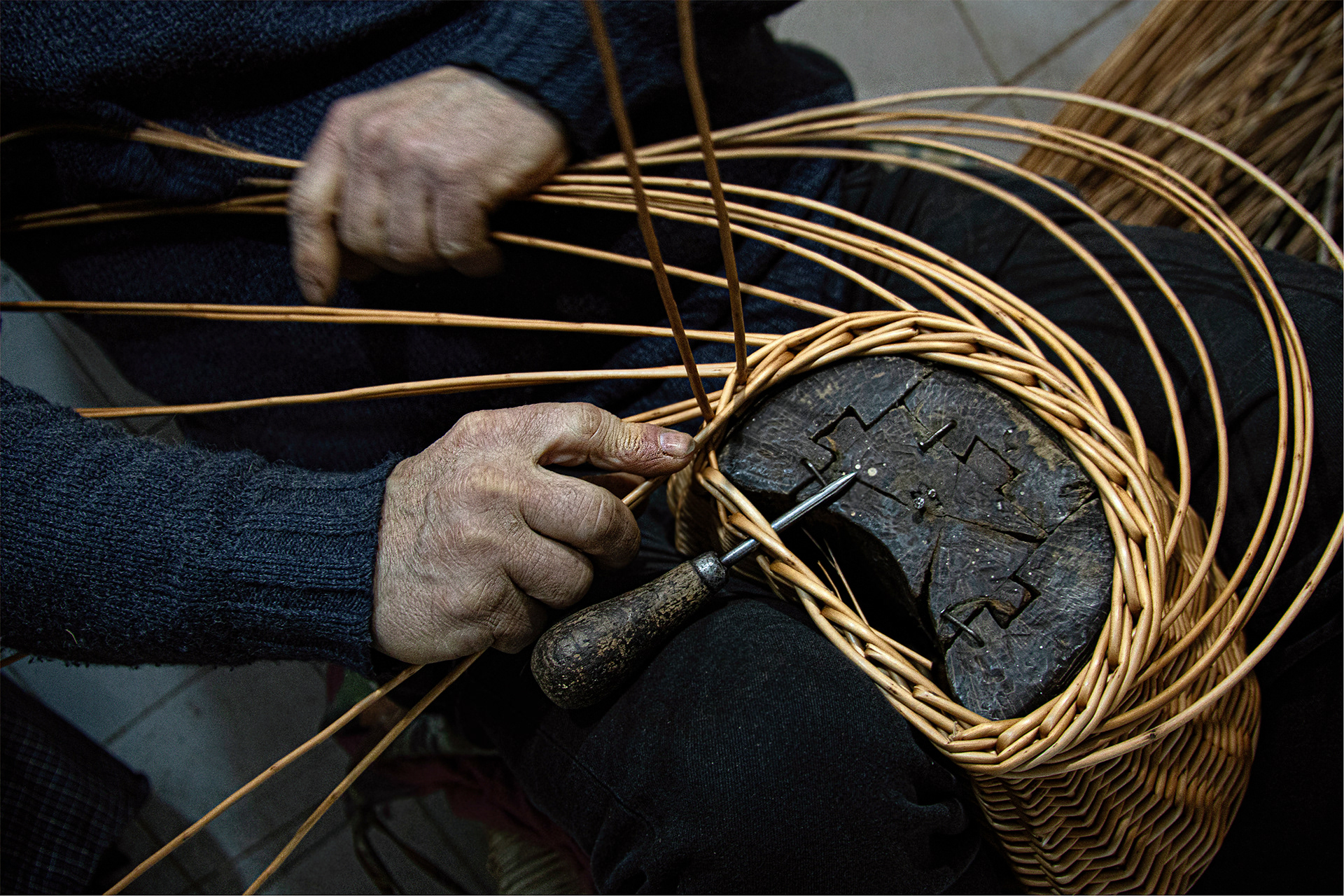
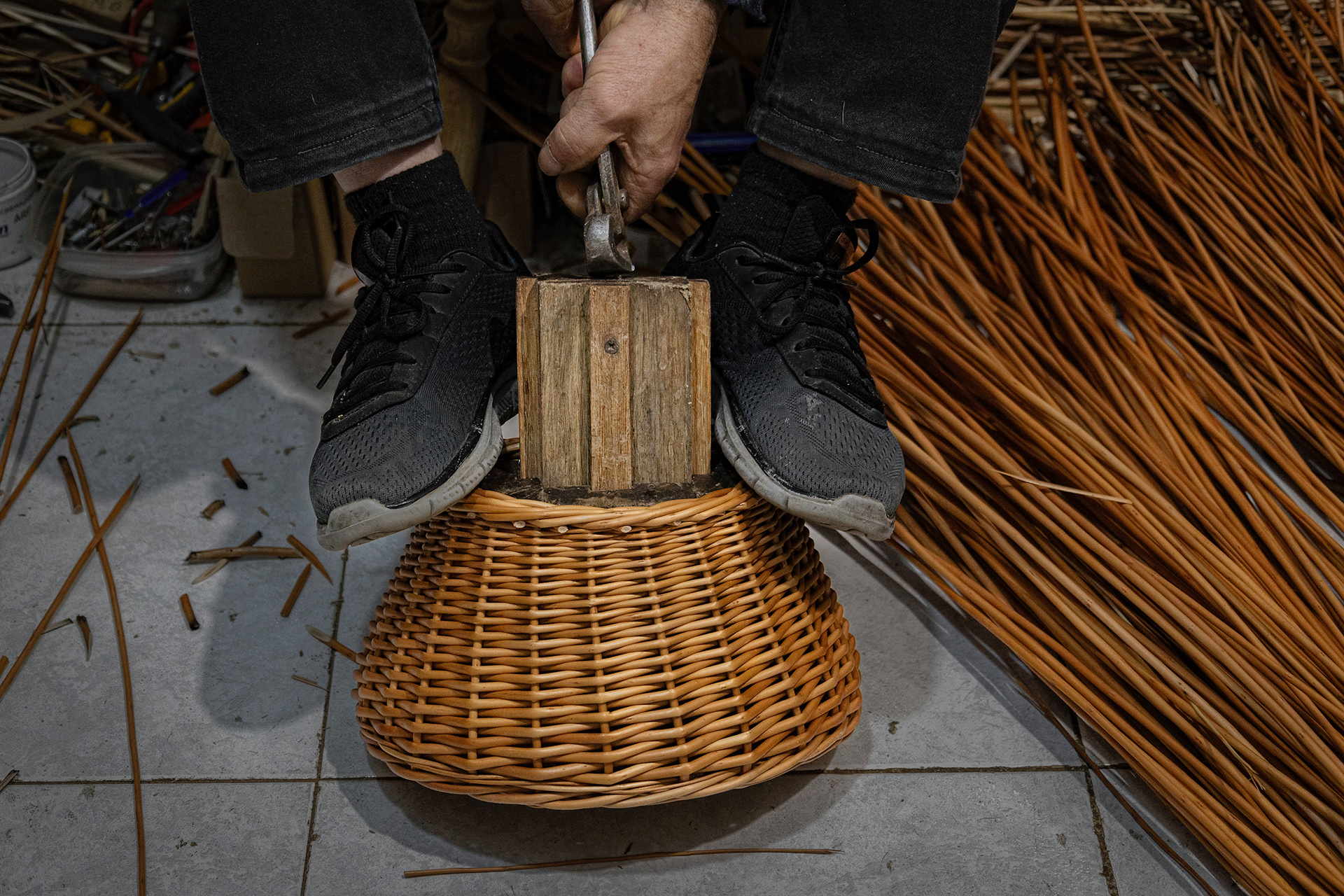
La elaboración de cada cesta es un proceso minucioso: los estambres se remojan para ganar flexibilidad, se abren y aplanan, se insertan en la base con punzón, se urde el cuerpo y se remata con un cordón final llamado arvín, antes de retirar el molde de madera y completar la tapa tejida.
El negocio perdura gracias a la coordinación de los hermanos: Jose elabora y Mari se encarga de la venta.
Su oficio forma parte de los inventarios de Patrimonio Cultural Inmaterial, su futuro parece incierto ante la falta de relevo generacional y la venta online de productos más económicos llegados de Asia.
📍 Cestería Grao, Plaza de las Dos Vías 19, Grao
Jose, basket maker
Jose and Mari represent the third generation of basket makers in their family. With over 100 years of history, the craft began with their grandfather, at a time when willow and hazel were abundant locally; today, raw materials must be sourced from other regions, complicating the continuity of the trade.
The making of each basket is a meticulous process: the strands are soaked to gain flexibility, opened and flattened, inserted into the base with a punch, the body is woven, and finished with a final cord called arvín, before removing the wooden mold and completing the woven lid.
The business survives thanks to the siblings’ coordination: Jose makes the baskets, and Mari handles sales.
Their craft is included in inventories of Intangible Cultural Heritage, but its future seems uncertain due to the lack of generational renewal and competition from cheaper online products from Asia.
Grao
Danielle, hilandera
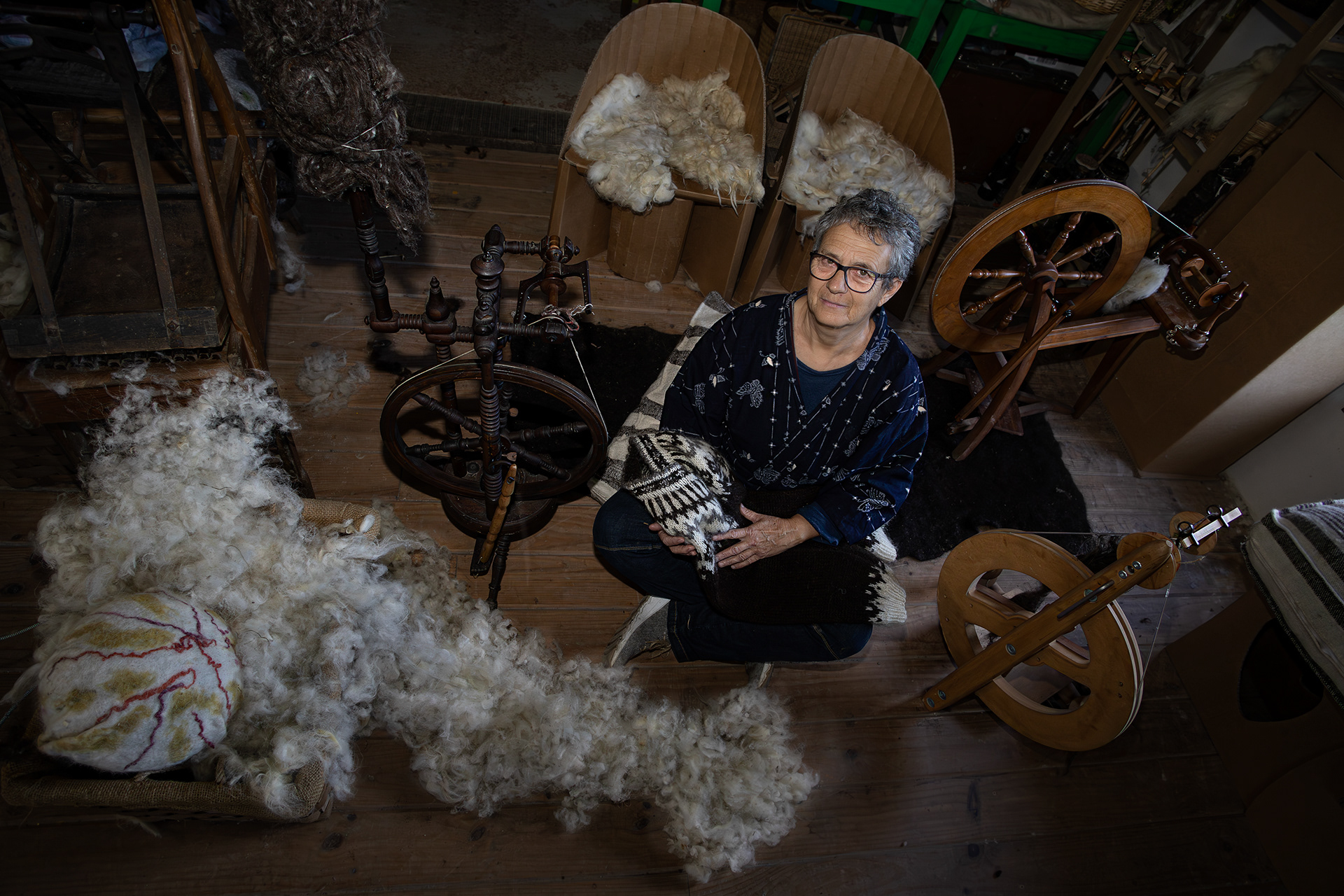
Danielle nació en Suiza y comenzó trabajando en un banco, pero pronto descubrió que ese mundo no era para ella. Su pasión por la artesanía la llevó a estudiar cerámica y a viajar, explorando mercadillos donde conoció a su esposo. Juntos se establecieron en Villaviciosa, con sus dos hijos. Allí restauraron un antiguo caserón que convirtieron en un refugio rural donde enseñan a trabajar la lana desde su origen.
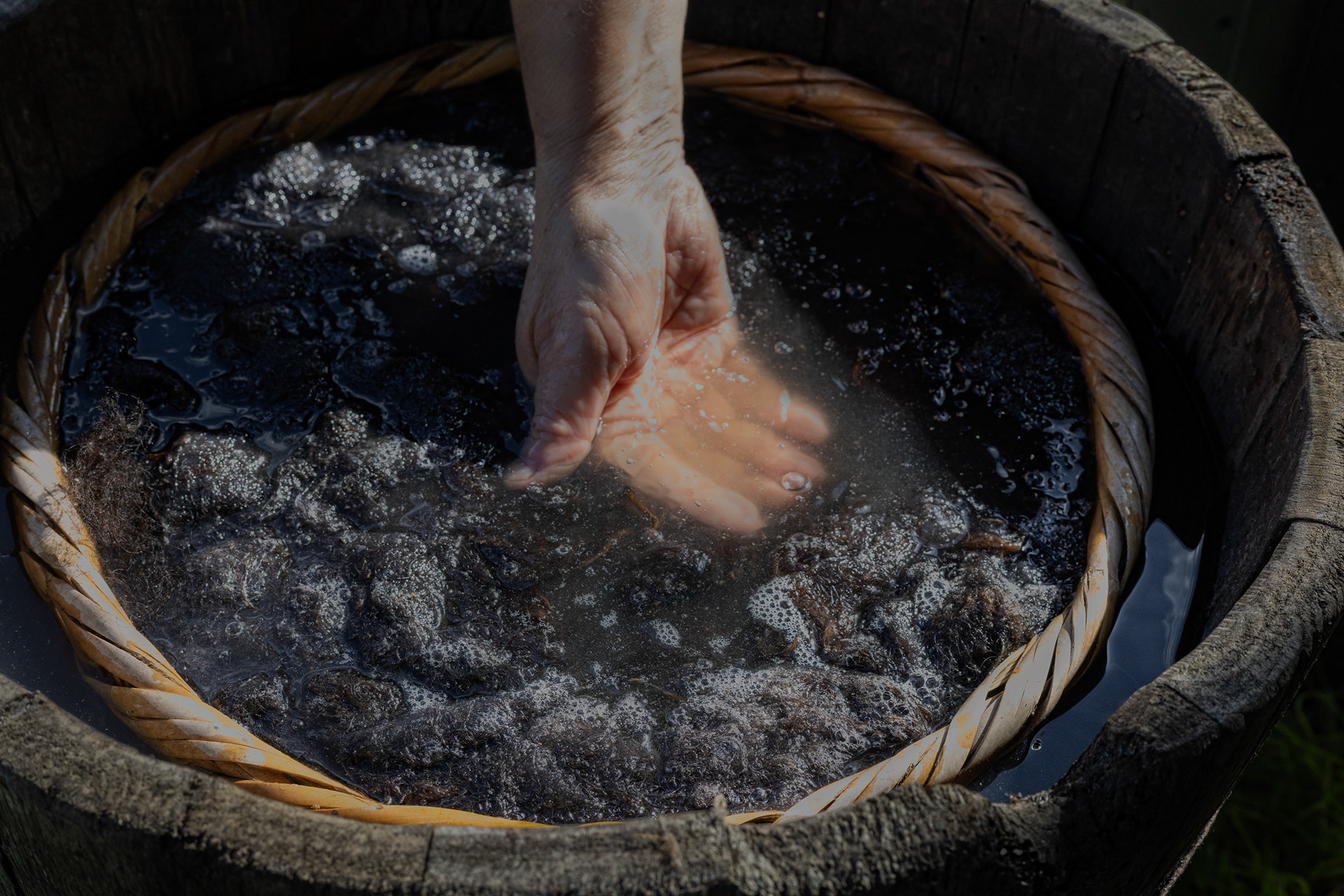
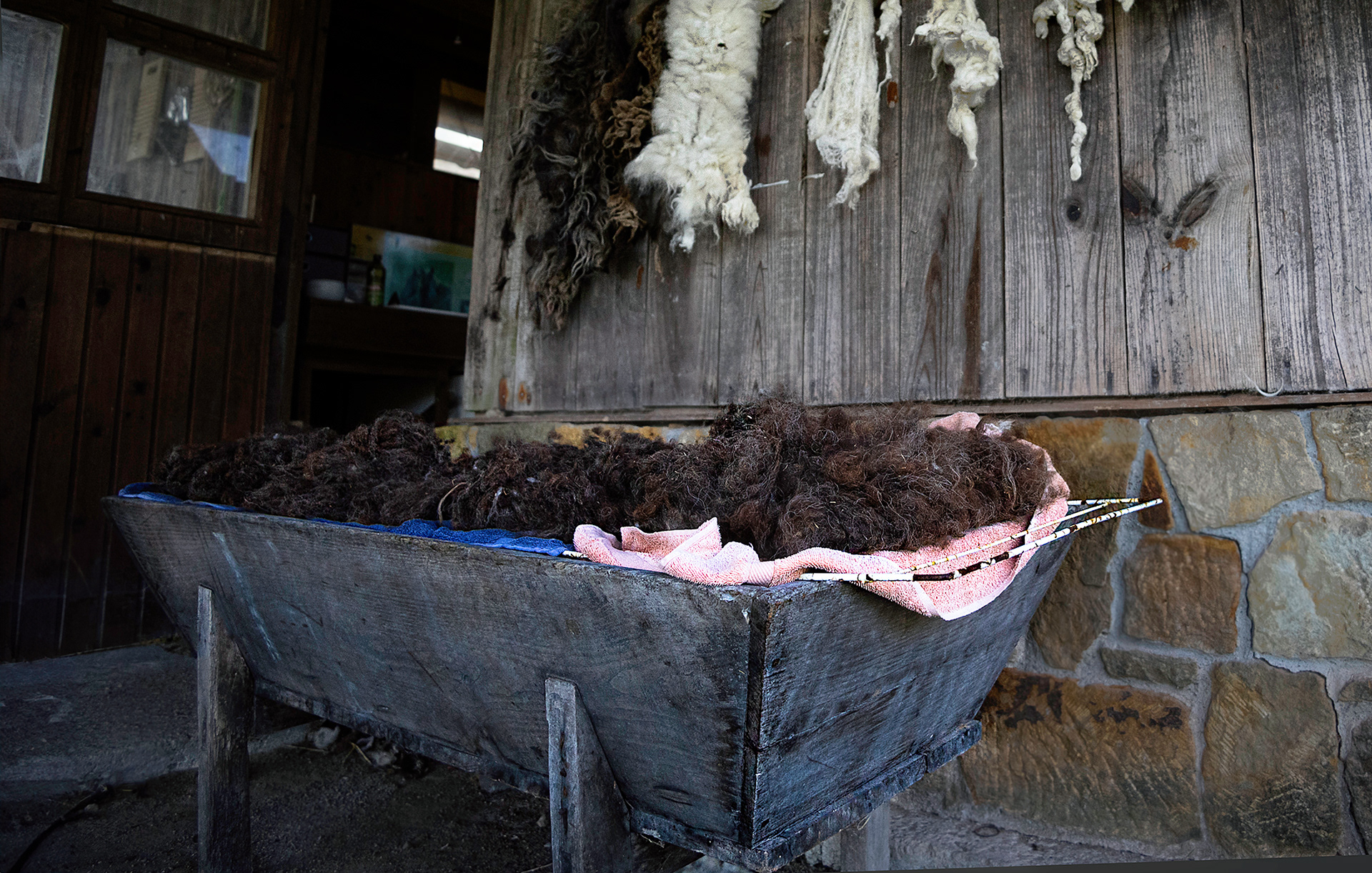
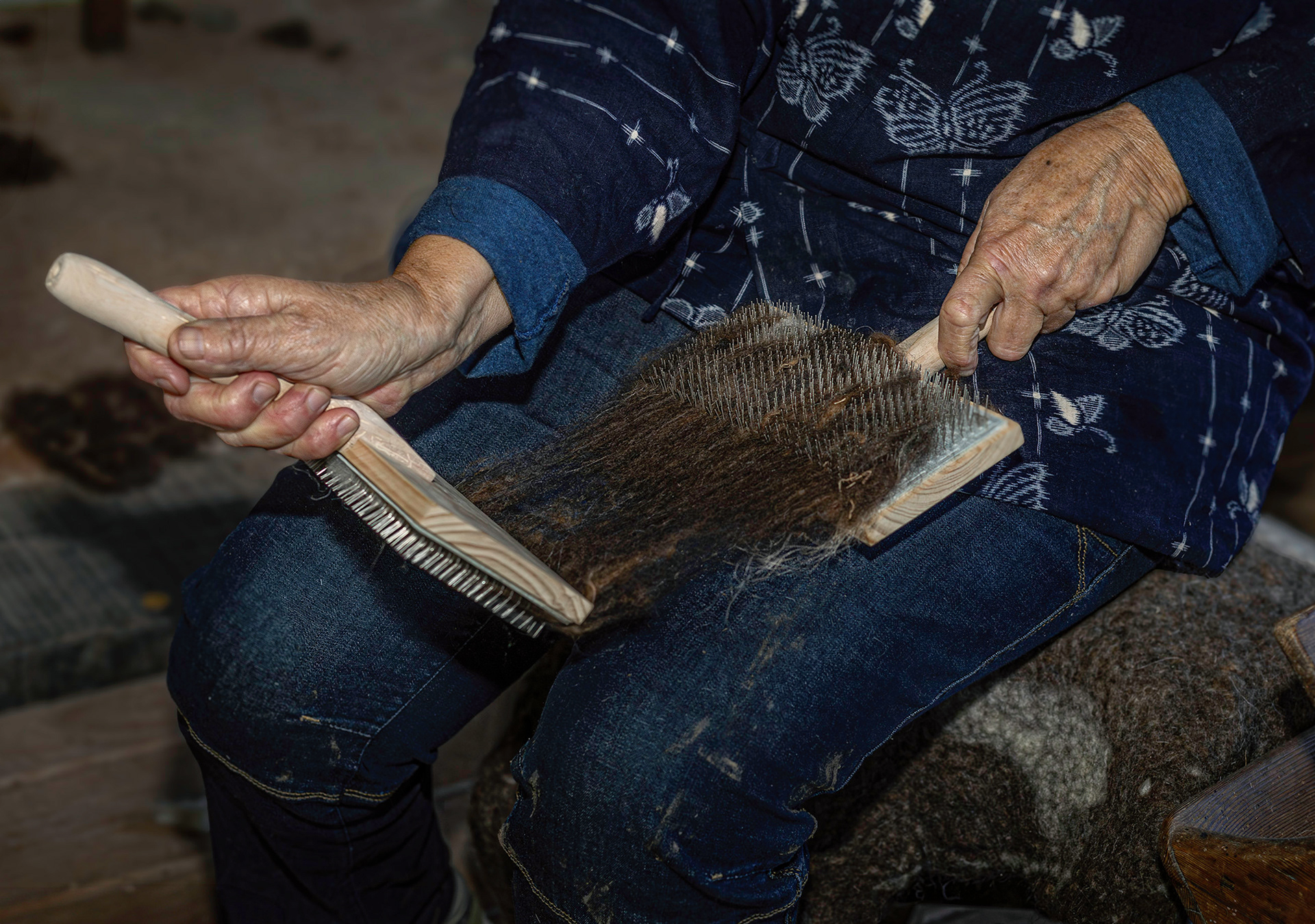
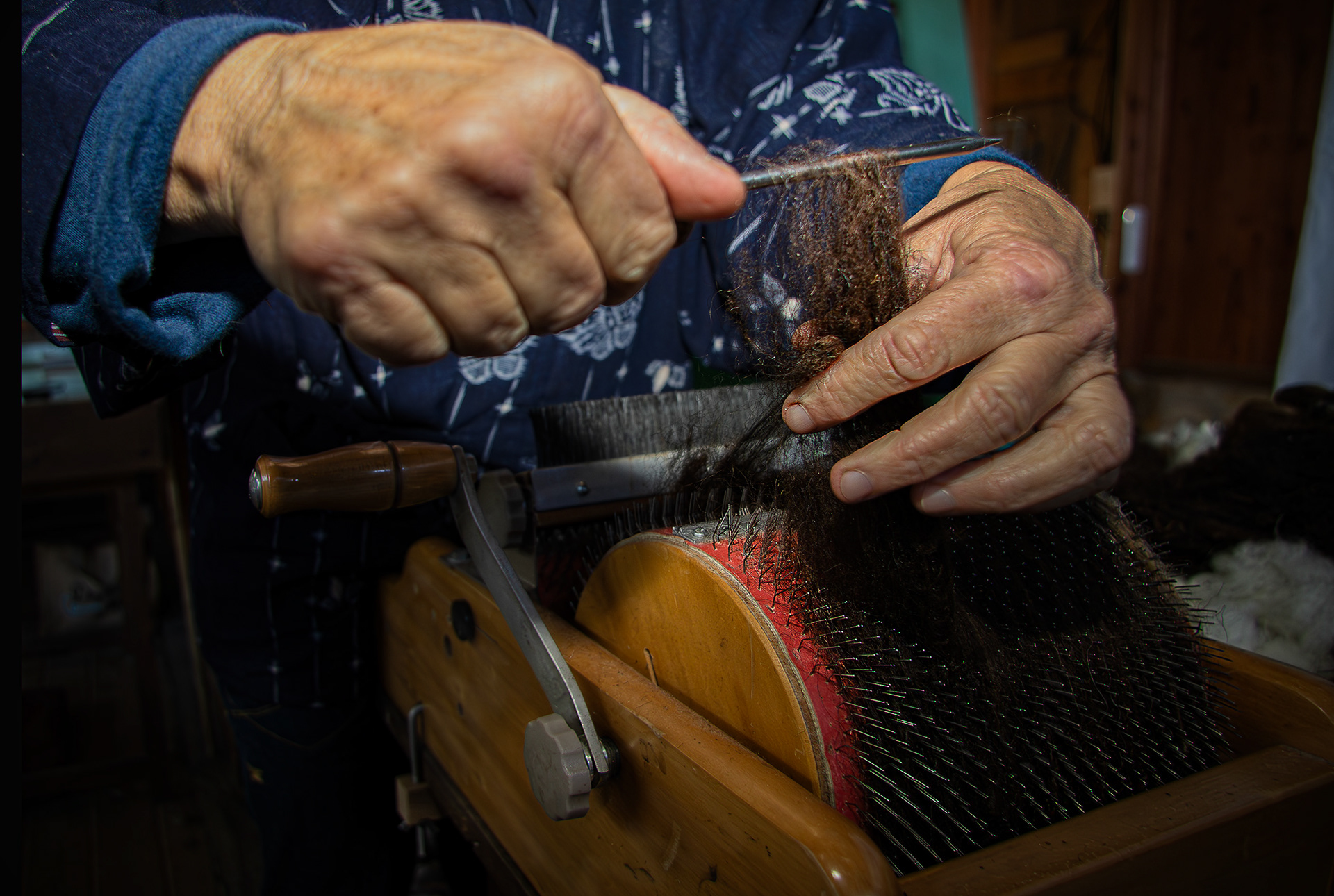
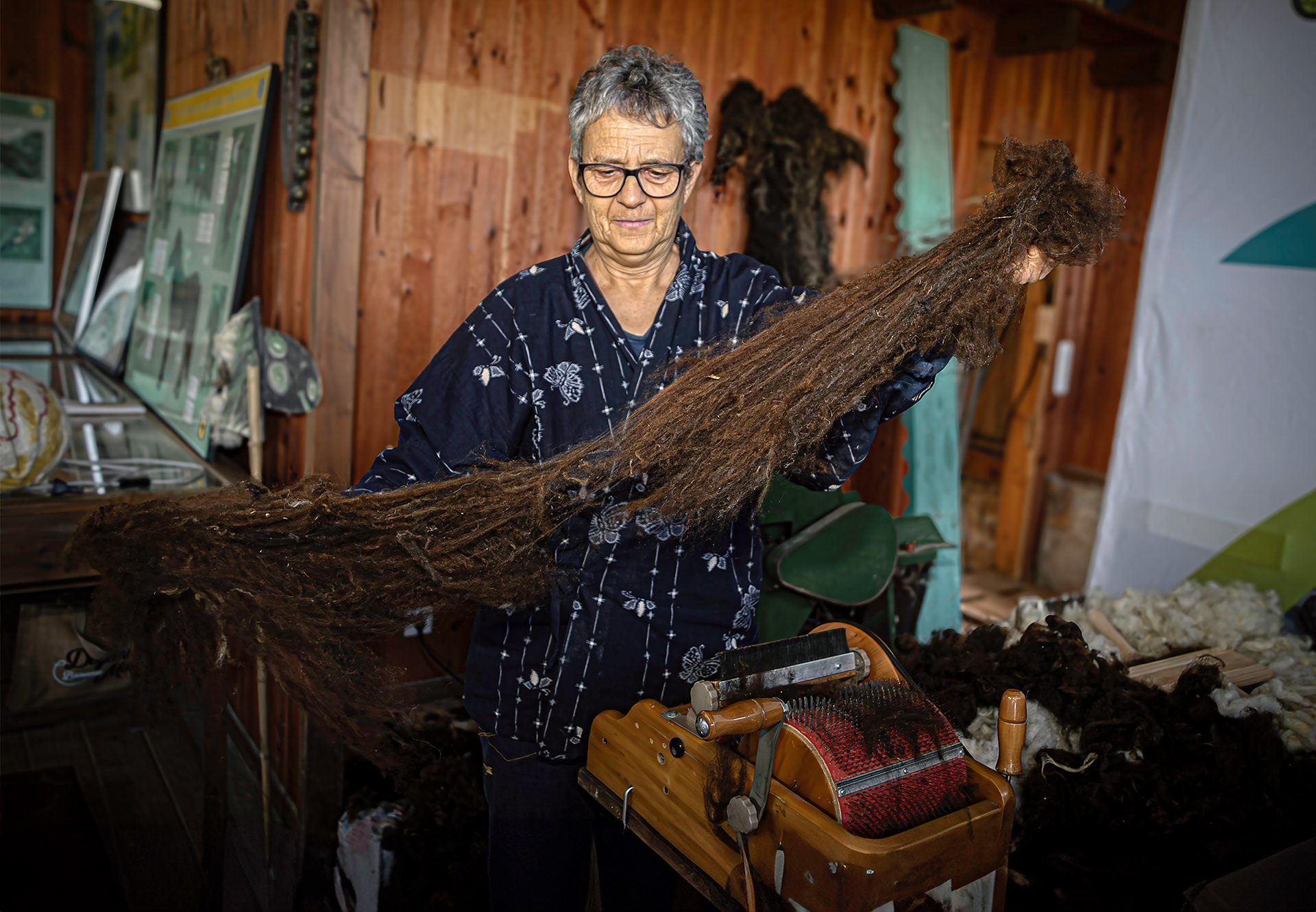
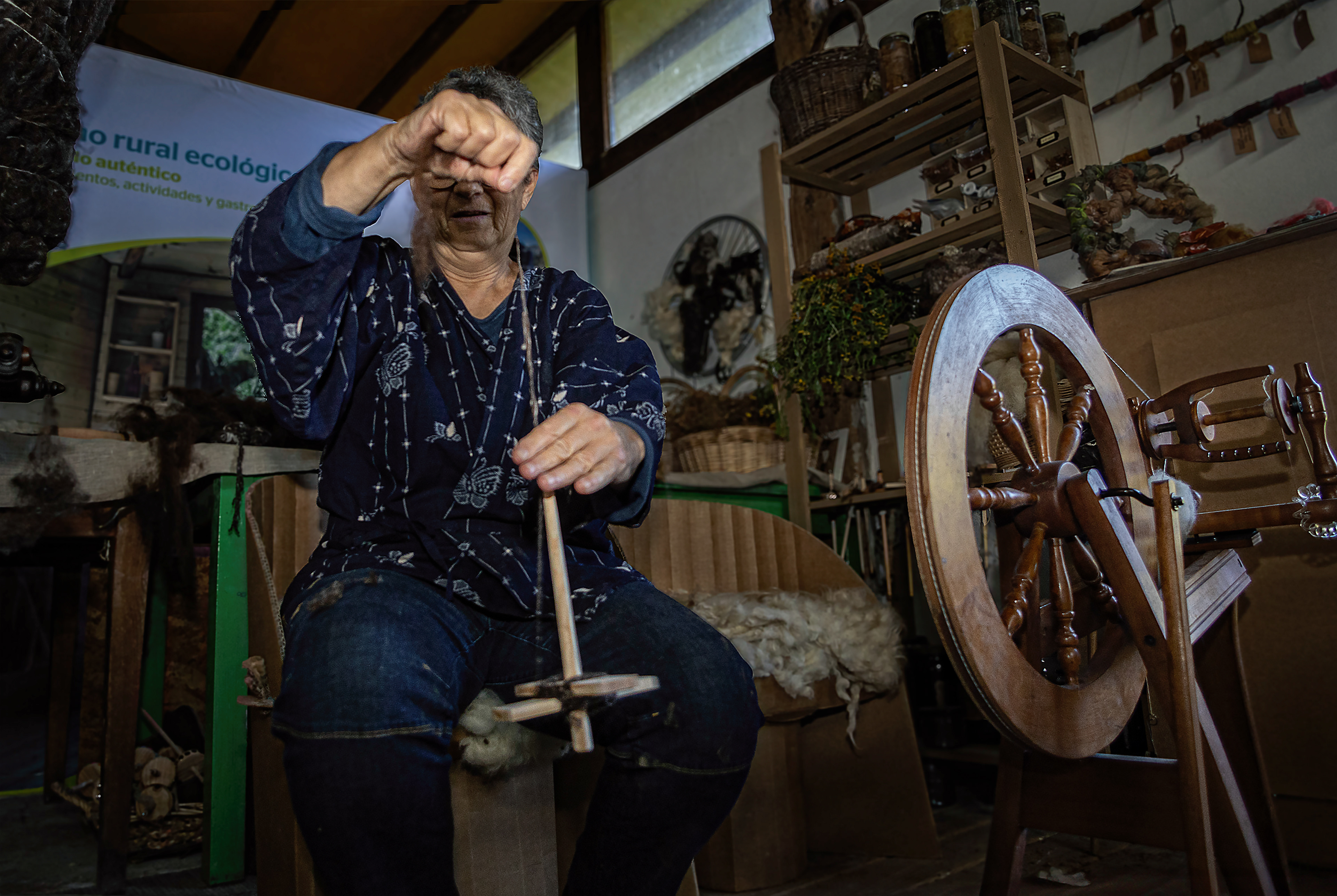
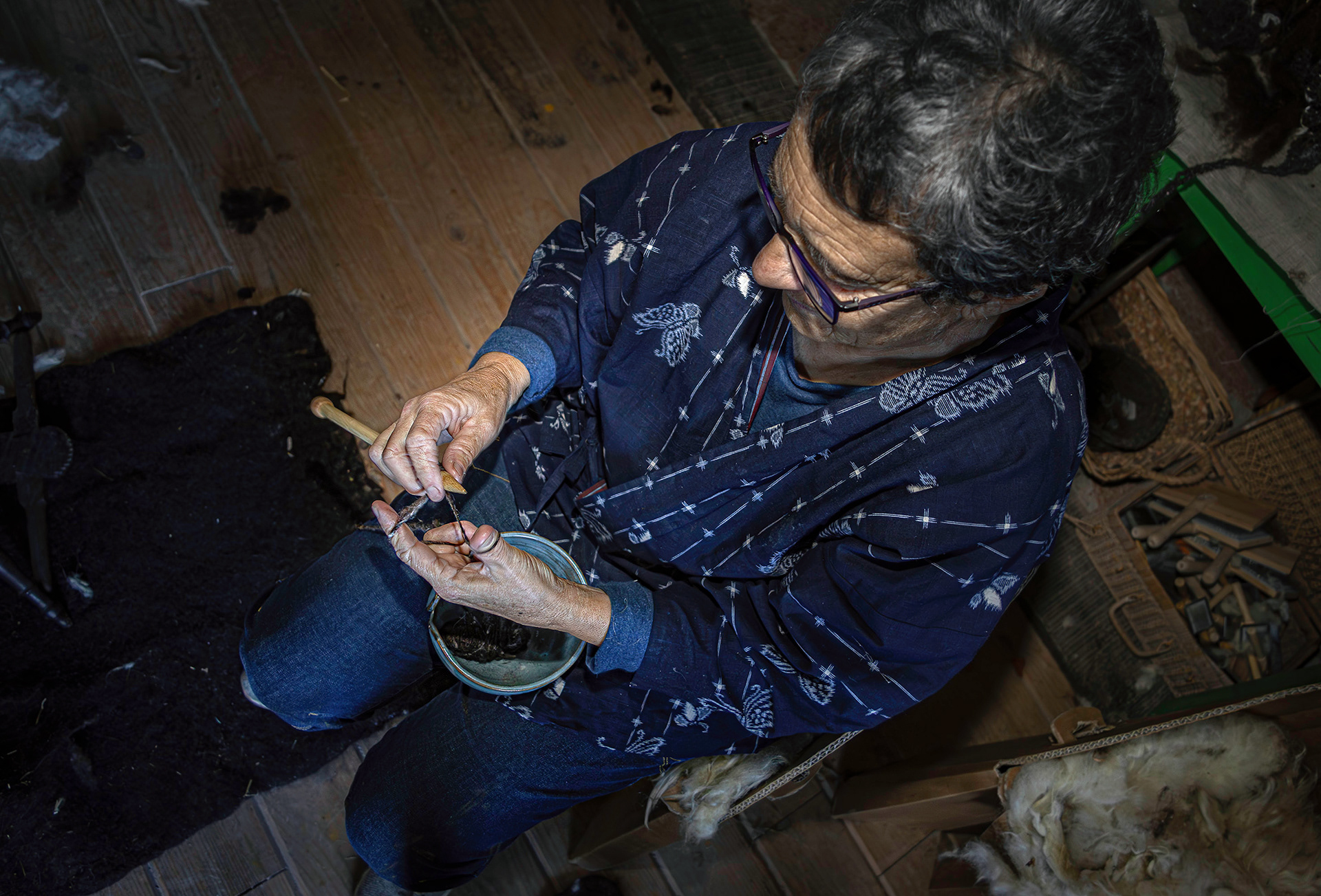
Con su propio rebaño de corderos xaldos, Danielle guía a quienes desean aprender el proceso completo: desde el escogido inicial de la lana, lavado con agua de lluvia, secado y posterior tratamiento como el paso por el “lobo” para escarmenar (soltar) la lana, hasta la cardadura de tambor o manual, con los cardadores de mano. Tras ese proceso solo queda el hilar, bien con la rueca o el huso de mano.
Este oficio, incluido en los inventarios de Patrimonio Cultural Inmaterial tiene un futuro cada vez más prometedor gracias a los nuevos hábitos de consumo responsable y "ecofriendly".
📍 “Con Xaldas y a lo loco” Argüero.
Danielle, spinner
Danielle was born in Switzerland and began her career working in a bank, but she soon realized that world wasn’t for her. Her passion for crafts led her to study ceramics and travel, exploring markets where she met her husband. Together, they settled in Villaviciosa with their two children. There, they restored an old manor, turning it into a rural retreat where they teach how to work wool from its origin.
With their own flock of corderu xaldo lambs, Danielle guides students through the entire process: from selecting the raw wool, washing it with rainwater, drying, and then preparing it with the lobo to loosen the fibers, to drum or hand carding. After this, the final step is spinning—either on a spinning wheel or with a hand spindle.
This craft, included in inventories of Intangible Cultural Heritage, has an increasingly promising future thanks to new habits of responsible and eco-friendly consumption.
Villaviciosa
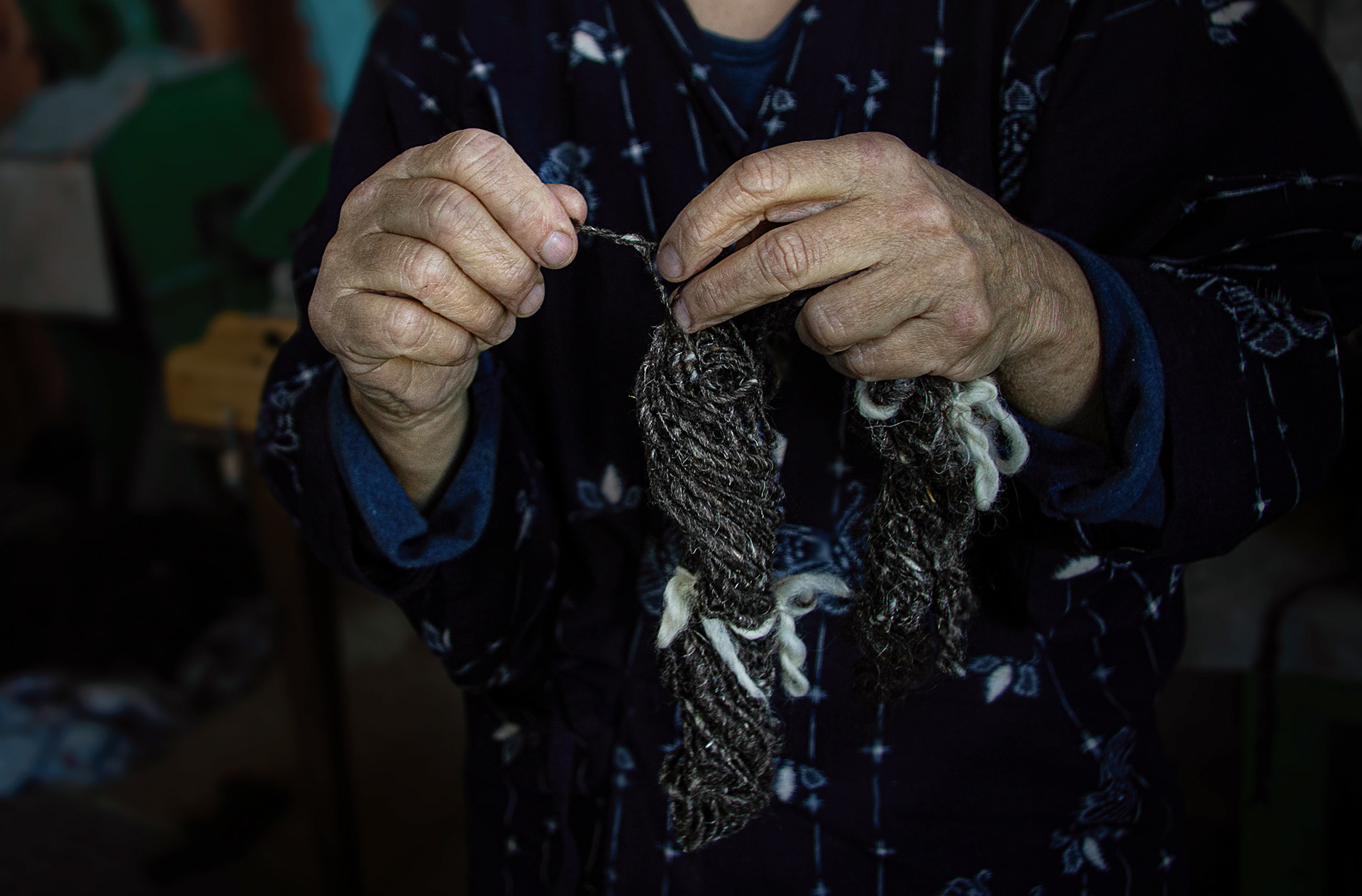
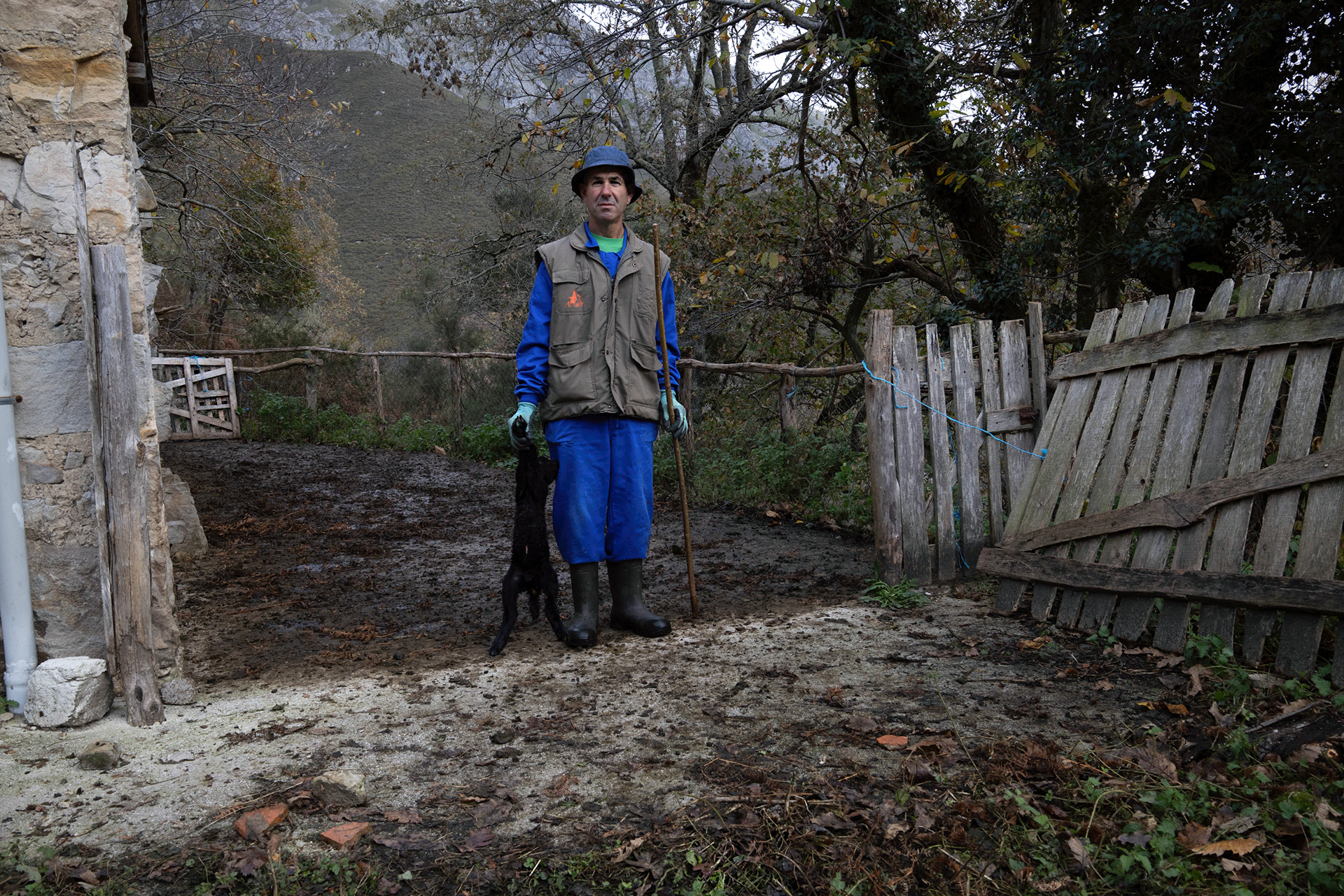
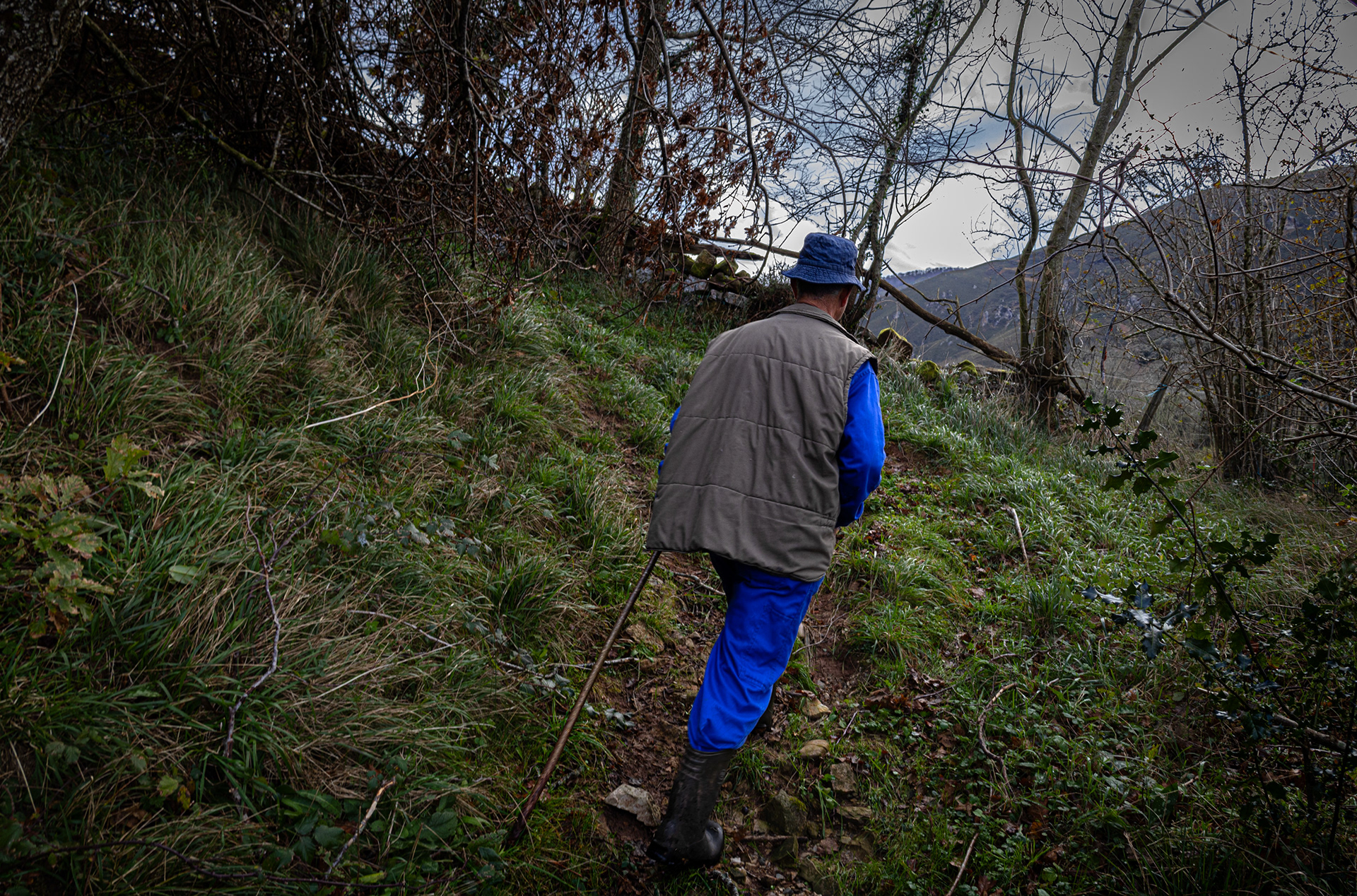
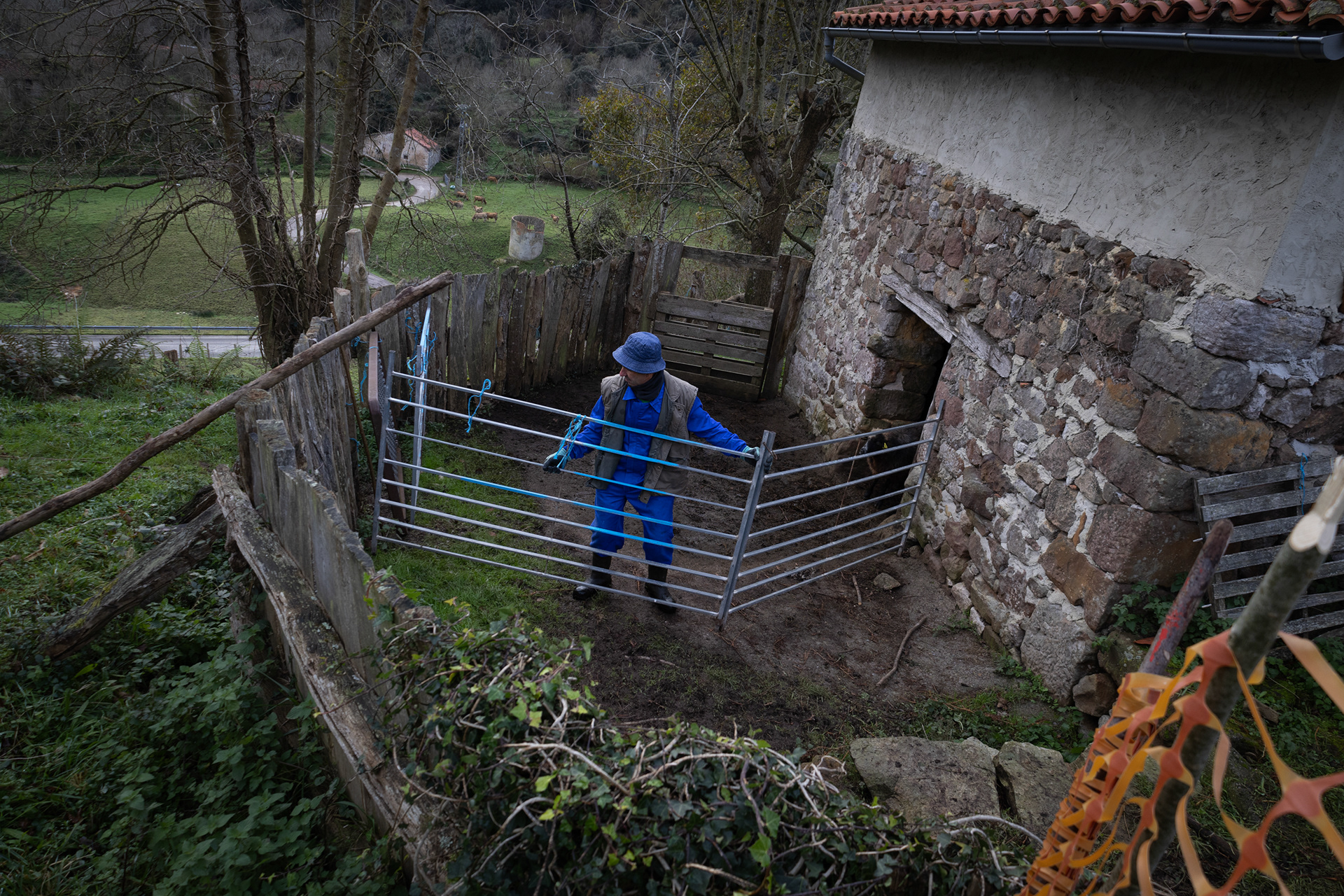
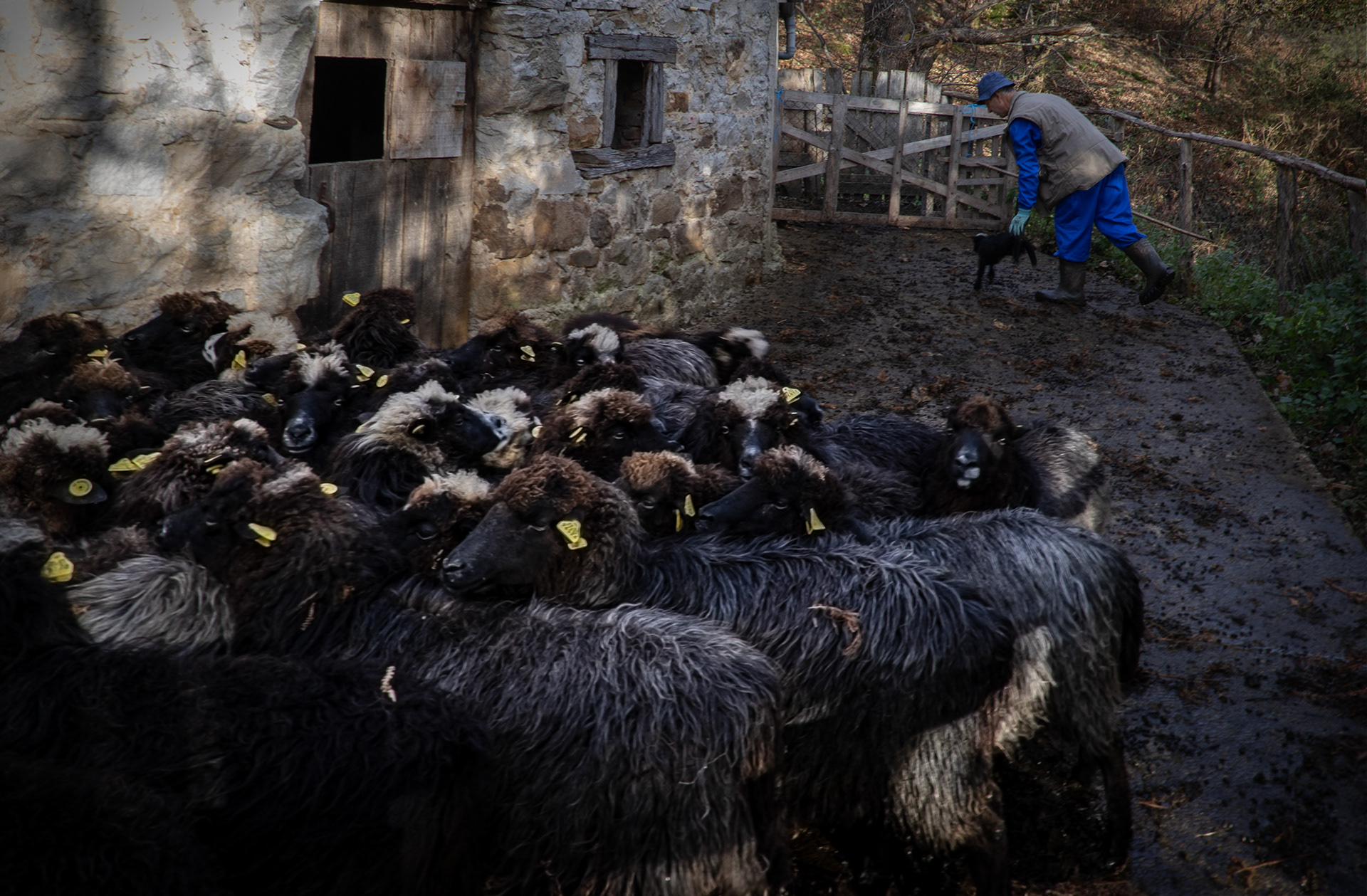
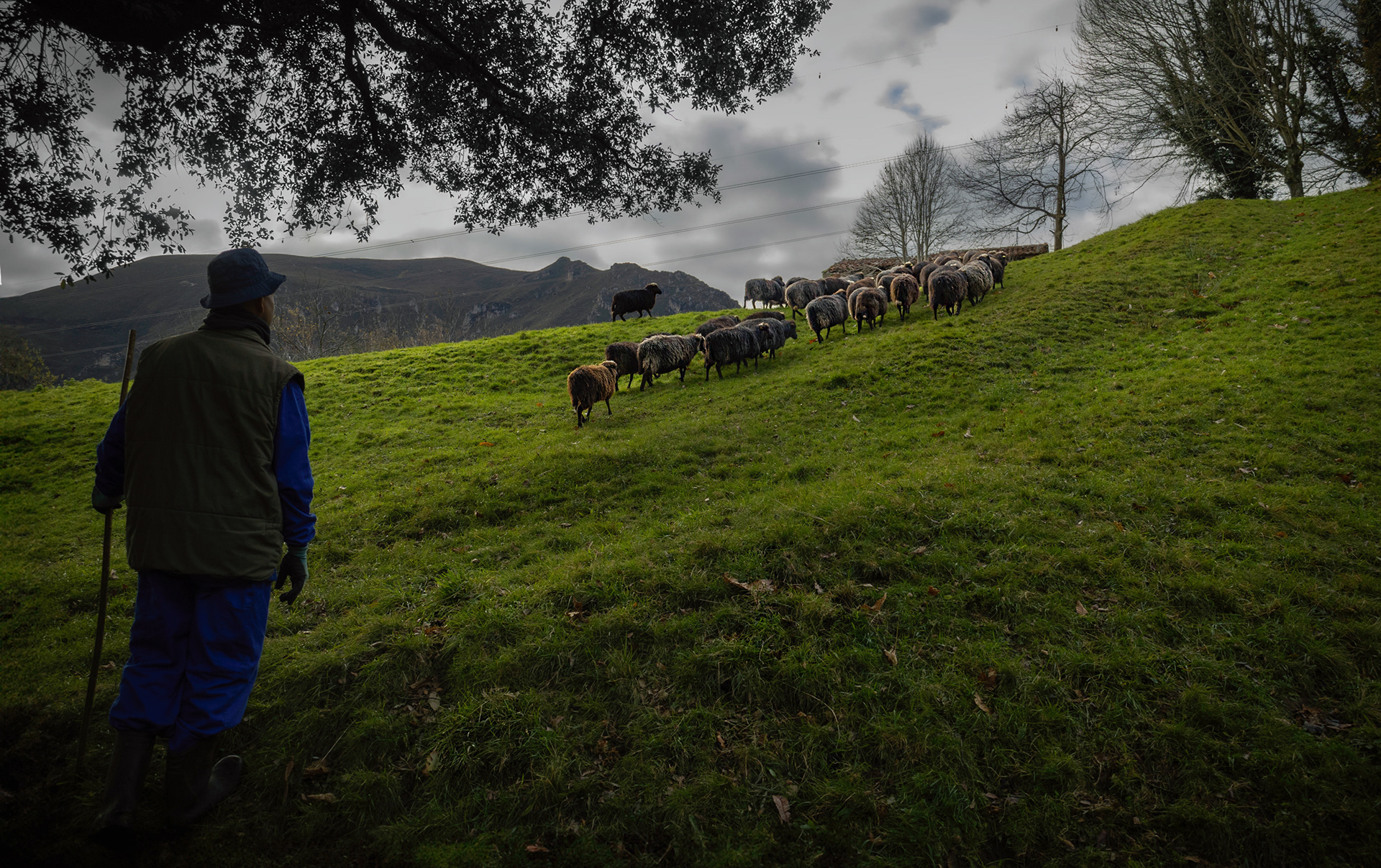
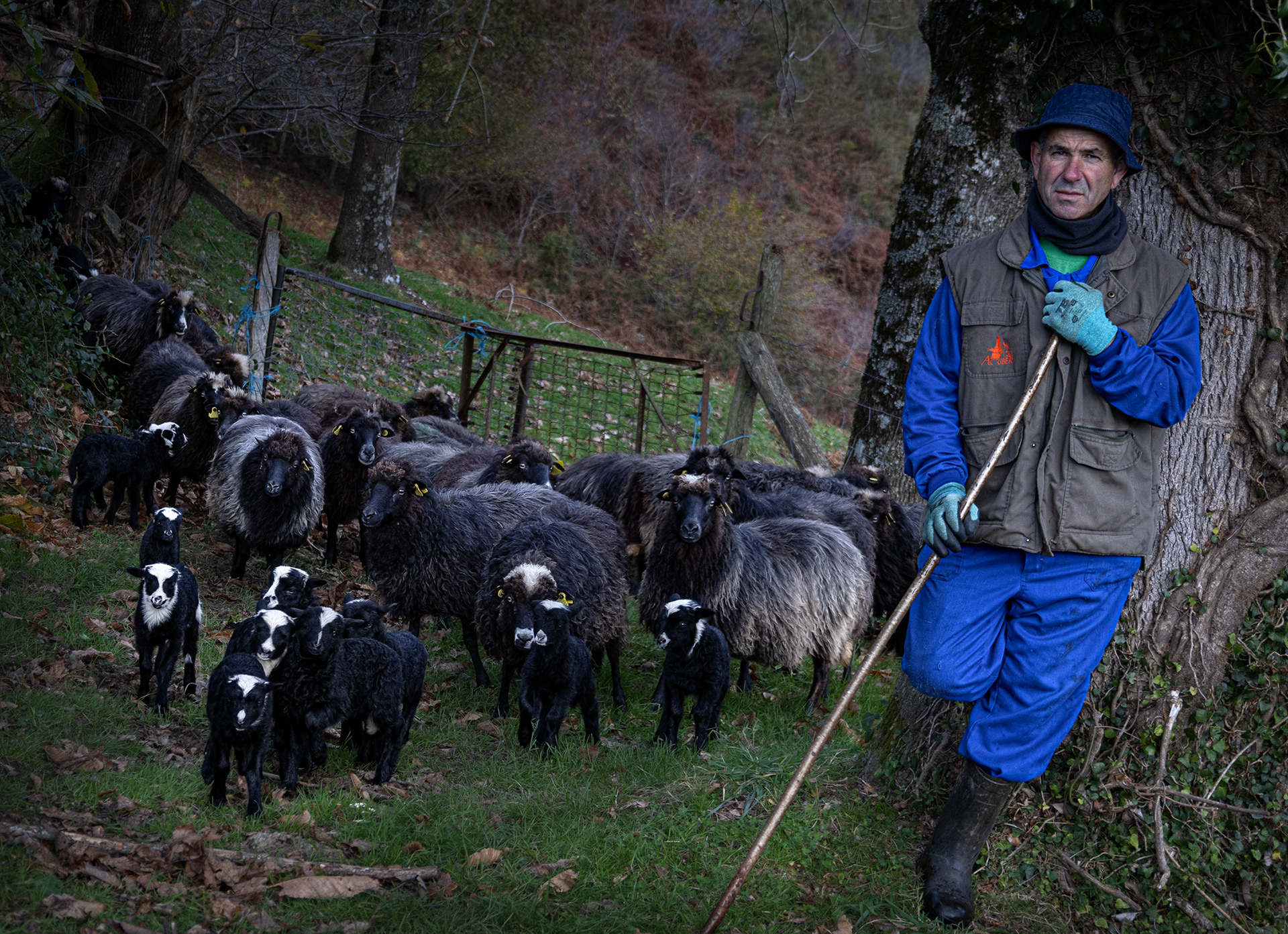
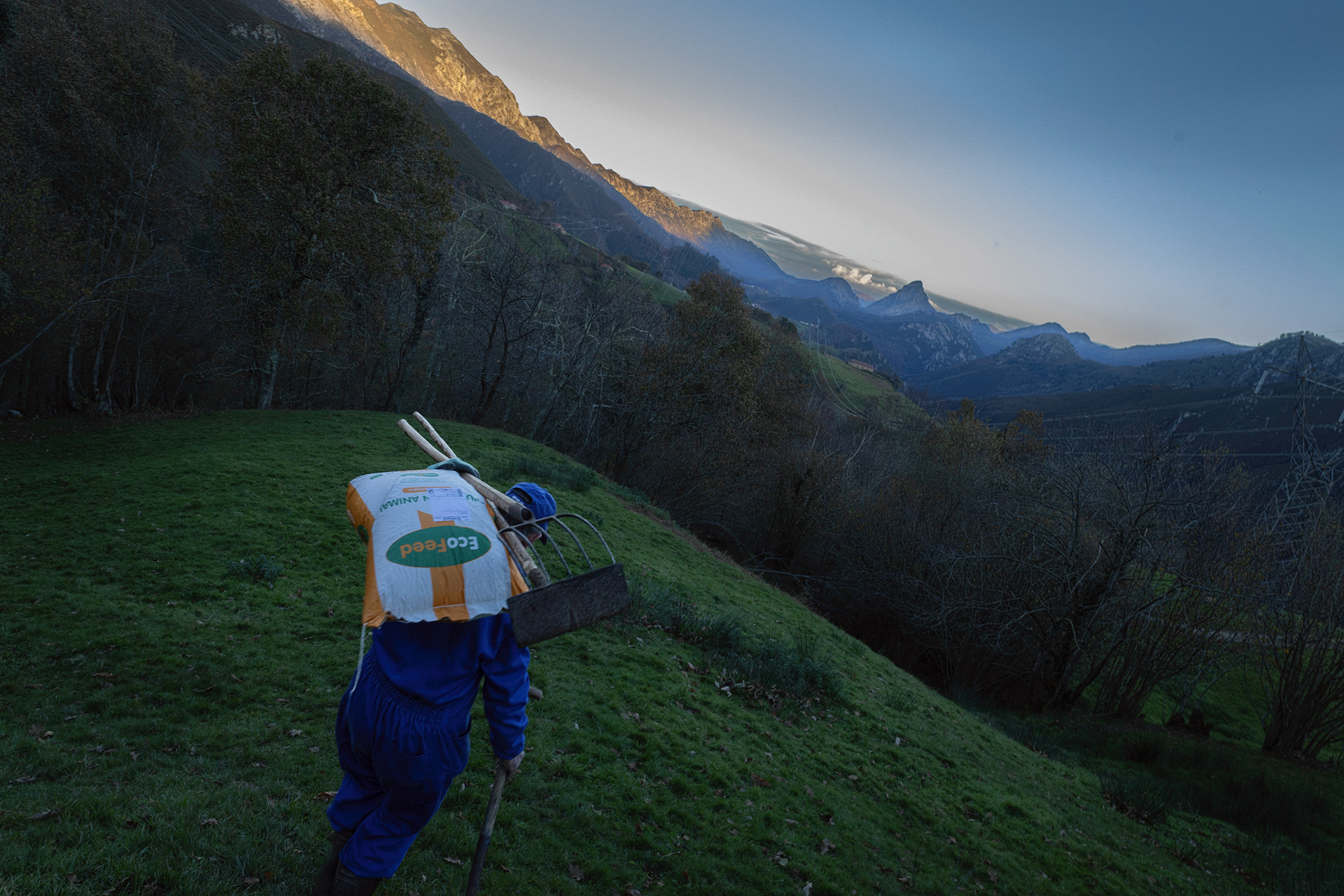
César, Pastor de Corderu Xaldu
El corderu Xaldu, es una raza de oveja más antigua de Europa y autóctona asturiana, que se encuentra en grave peligro de extinción. Se sabe con seguridad que los astures allá por la Edad de Hierro, ya pastoreaban estas ovejas descendientes del muflón y pertenecientes al tronco celta “Ovis aries celticus”.
Se fue dejando de criar por diversas causas: Plantaciones de especies foráneas en los bosques, fin de la vecera (pastoreo comunitario) y sustitución de esta raza por otras más lecheras (letxa, carranzana..)
En 1992 cuando la raza ya se encontraba en un punto crítico de unos 100 ejemplares, nace la Asociación de Criadores de Oveja Xalda (ACOXA) que desarrolla la ardua tarea de recuperación y documentación de la raza y el libro genealógico.
A día de hoy hay aproximadamente medio centenar de pastores que aún crían esta raza, en extensivo y ecológico. César es uno de ellos. De mayo a diciembre pastan libres por los montes de Peñamellera Alta y en diciembre las baja al terreno más cercano para tenerlas protegidas de las malas condiciones atmosféricas y los abundantes depredadores.
📍 Rozagás
César, Xaldu sheep shepherd
The corderu Xaldu is one of Europe’s oldest sheep breeds and native to Asturias, currently at severe risk of extinction. It is known that the Astures, back in the Iron Age, already herded these sheep—descendants of the mouflon and belonging to the Celtic lineage Ovis aries celticus.
The breed declined for various reasons: plantations of non-native species in the forests, the end of communal grazing (vecera), and replacement by more productive dairy breeds such as Letxa or Carranzana.
In 1992, when the population had fallen to around 100 animals, the Association of Xalda Sheep Breeders (ACOXA) was founded to undertake the arduous task of recovering and documenting the breed, maintaining its genealogical records.
Today, about fifty shepherds still raise this breed extensively and organically. César is one of them. From May to December, the sheep graze freely in the mountains of Peñamellera Alta, and in December they are moved to lower grounds for protection against harsh weather and abundant predators.
Peñamellera Alta
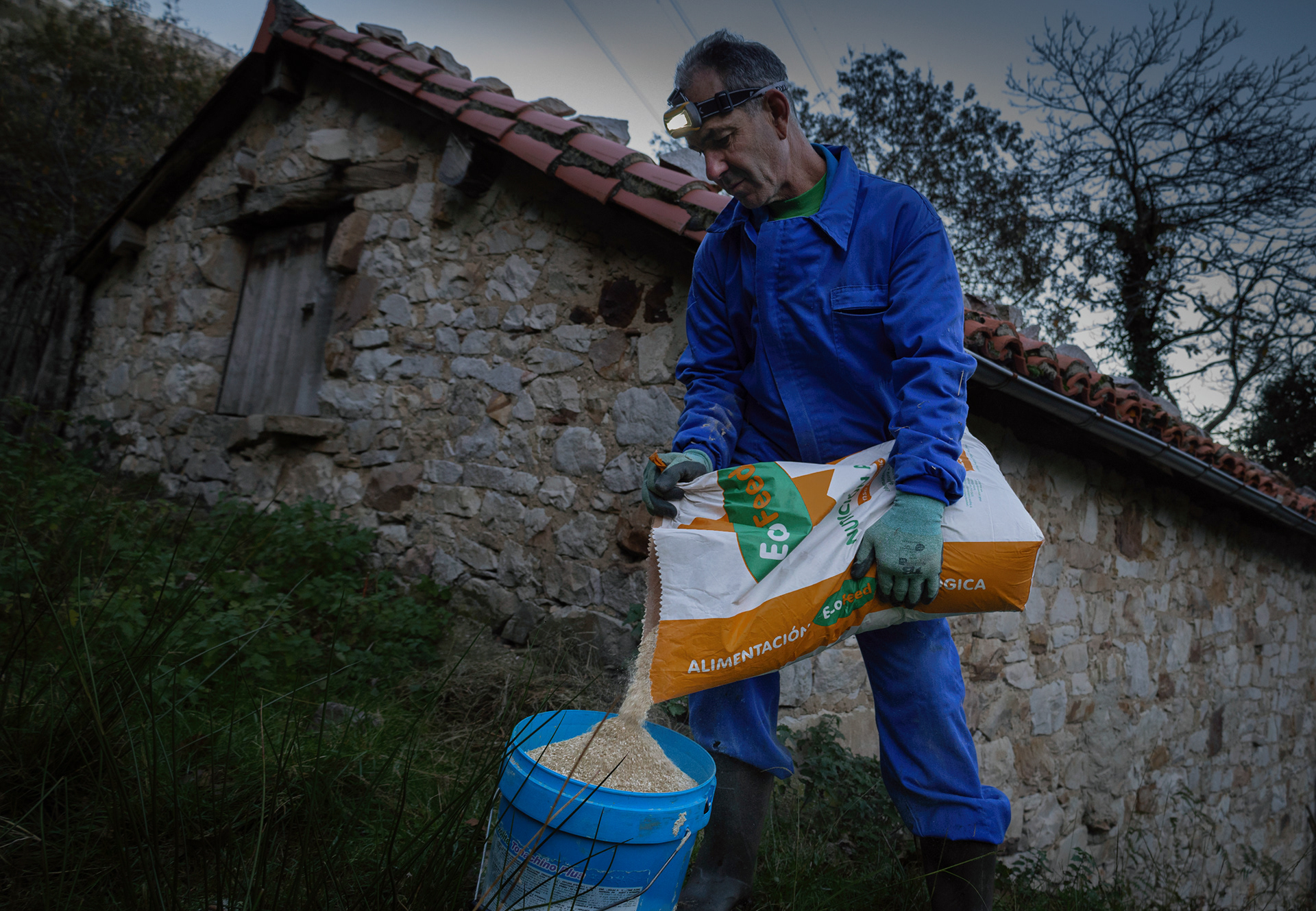
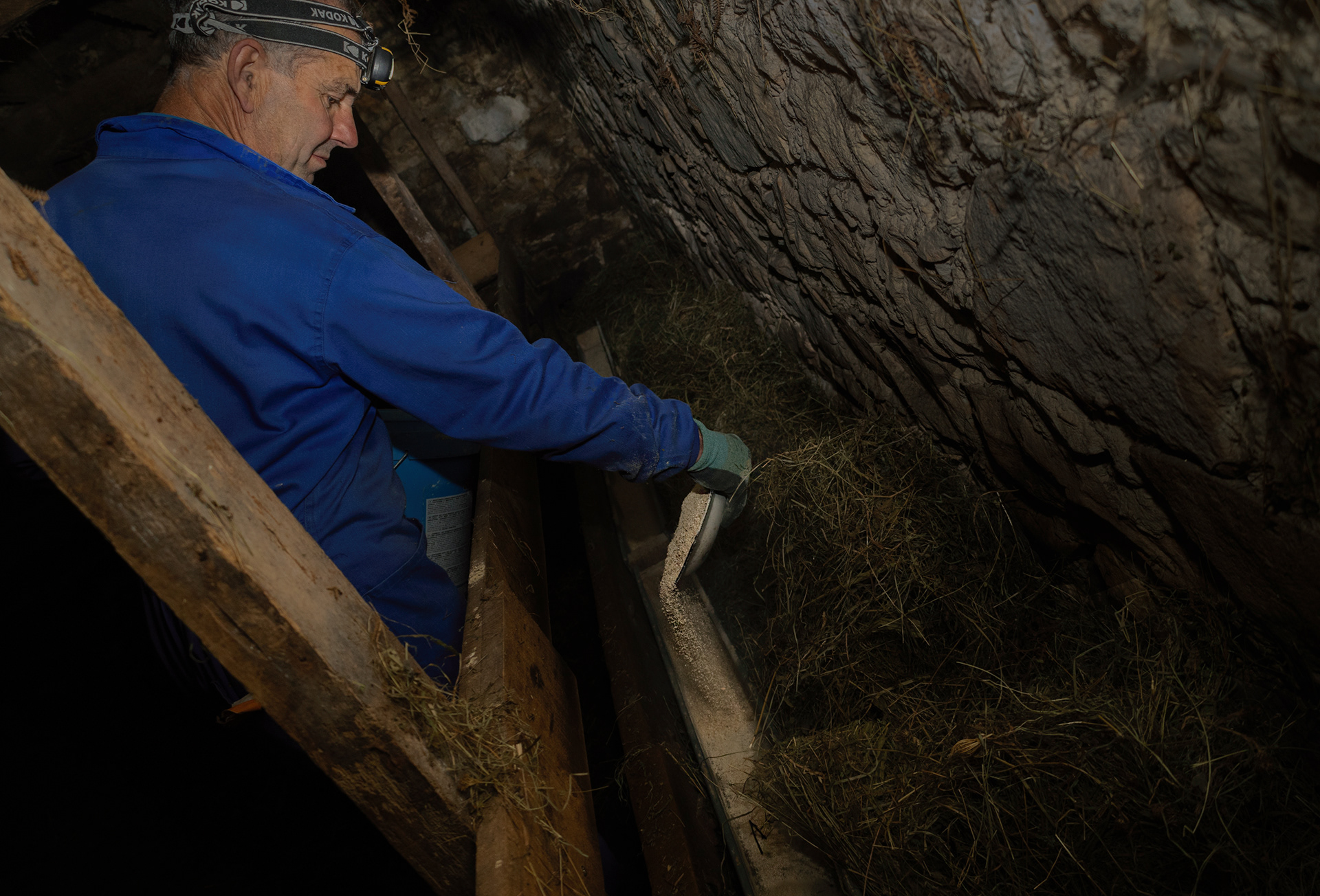
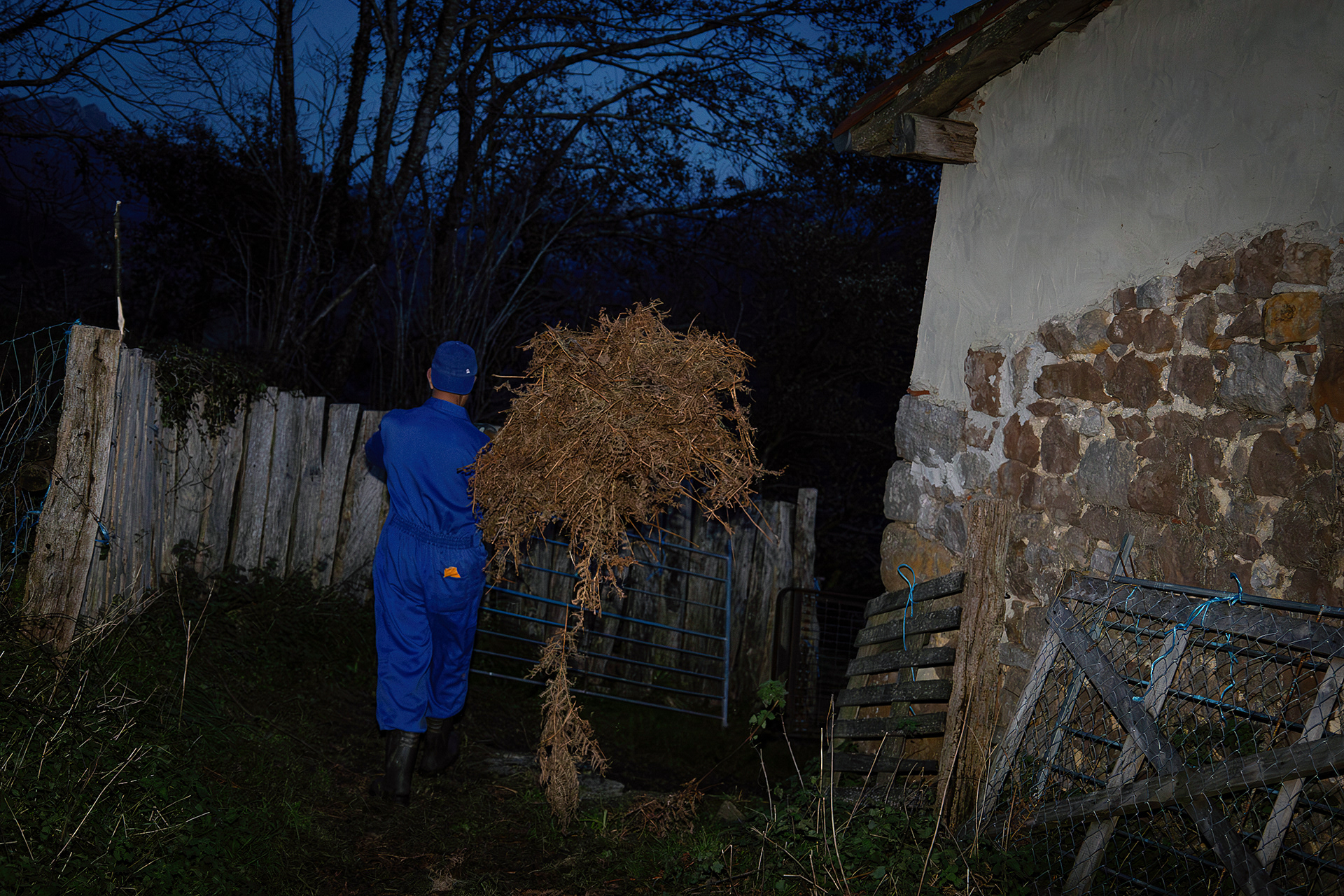
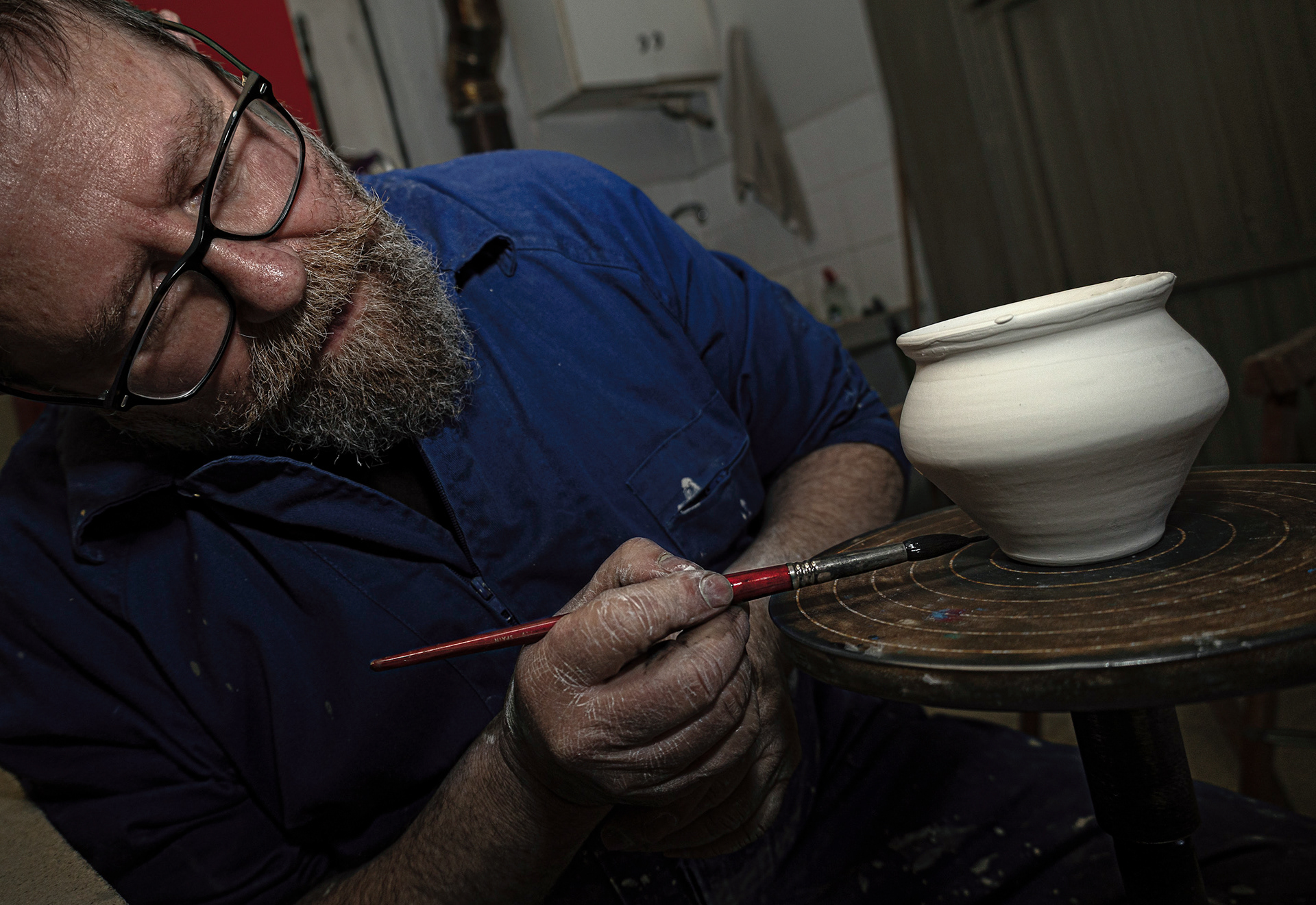
Florentino, cerámica “El Rayo”
La cerámica El Rayo se desarrolló en Vega de Poja (Asturias) hacia 1725 y se mantuvo activa hasta el siglo XX. Durante décadas fue una loza popular, ligada al uso cotidiano, hasta que el oficio desapareció por completo. Durante más de 70 años se dio por oficialmente extinta.
En 1997, el taller Laborna recibe la propuesta del grupo El Ventolín para recuperar esta cerámica tradicional. El proceso no fue sencillo: a partir de piezas conservadas por coleccionistas y fotografías de museos, se reconstruyó la técnica original, adaptándola a las exigencias actuales tanto técnicas como sanitarias.
Hoy las piezas ya no se elaboran con esmaltes de plomo y se cuecen a 1130 °C, manteniendo la estética característica que la hizo reconocible, pero adecuándola a los estándares contemporáneos.
Un oficio recuperado del olvido, que demuestra que la tradición también puede volver a nacer cuando hay conocimiento, memoria y voluntad de mantenerla viva.
📍 Taller Laborna, Valbona.
Florentino, “El Rayo” ceramics
El Rayo ceramics developed in Vega de Poja (Asturias) around 1725 and remained active until the 20th century. For decades, it was a popular earthenware used in daily life, until the craft completely disappeared. For over 70 years, it was officially considered extinct.
In 1997, the Laborna workshop received a proposal from the group El Ventolín to revive this traditional ceramics. The process was not simple: using pieces preserved by collectors and museum photographs, the original technique was reconstructed and adapted to current technical and sanitary standards.
Today, the pieces are no longer made with lead glazes and are fired at 1130 °C, preserving the distinctive aesthetic that made them recognizable while complying with contemporary standards. A craft recovered from oblivion, demonstrating that tradition can be reborn when knowledge, memory, and the will to keep it alive are present.
📍 Siero
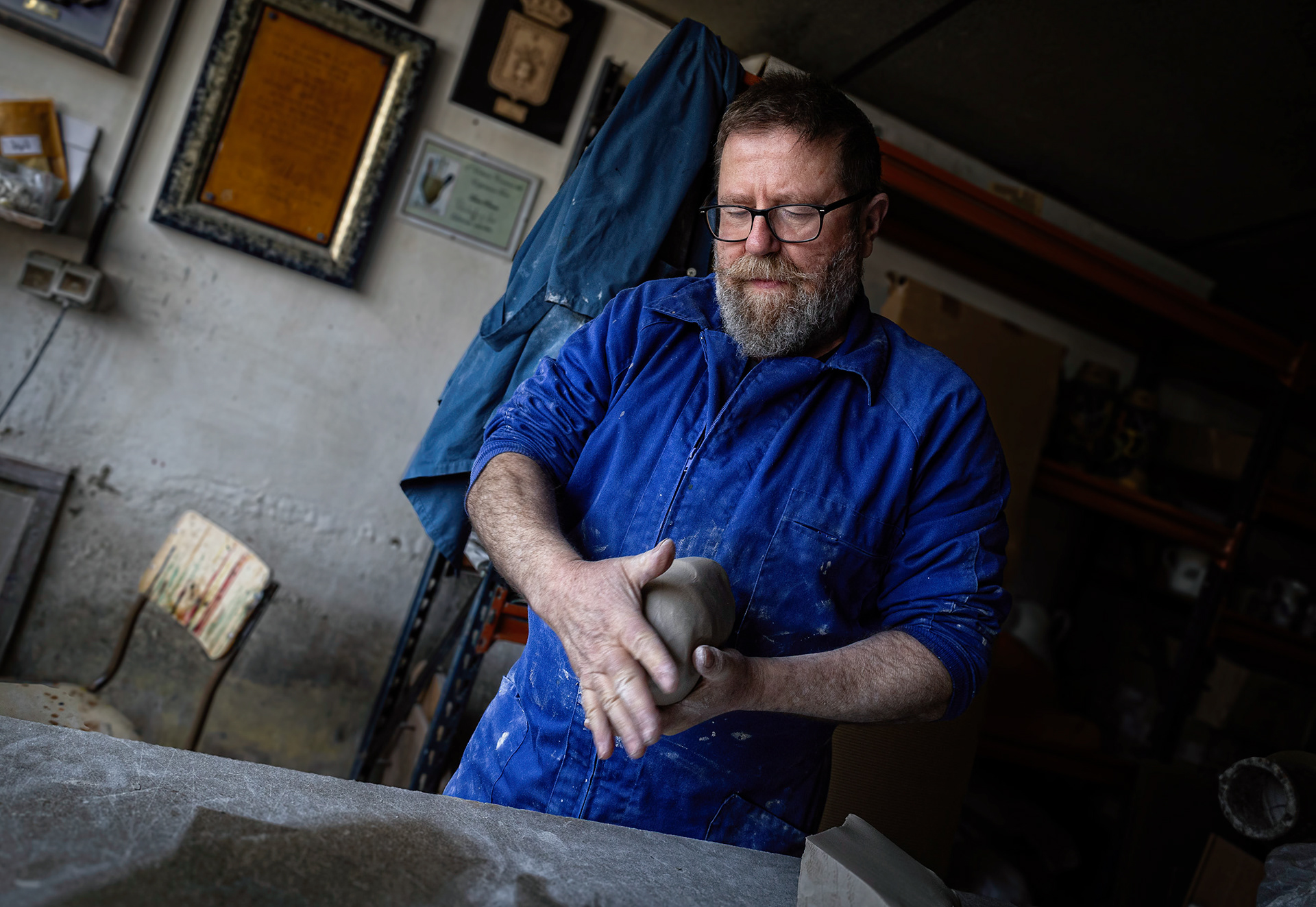
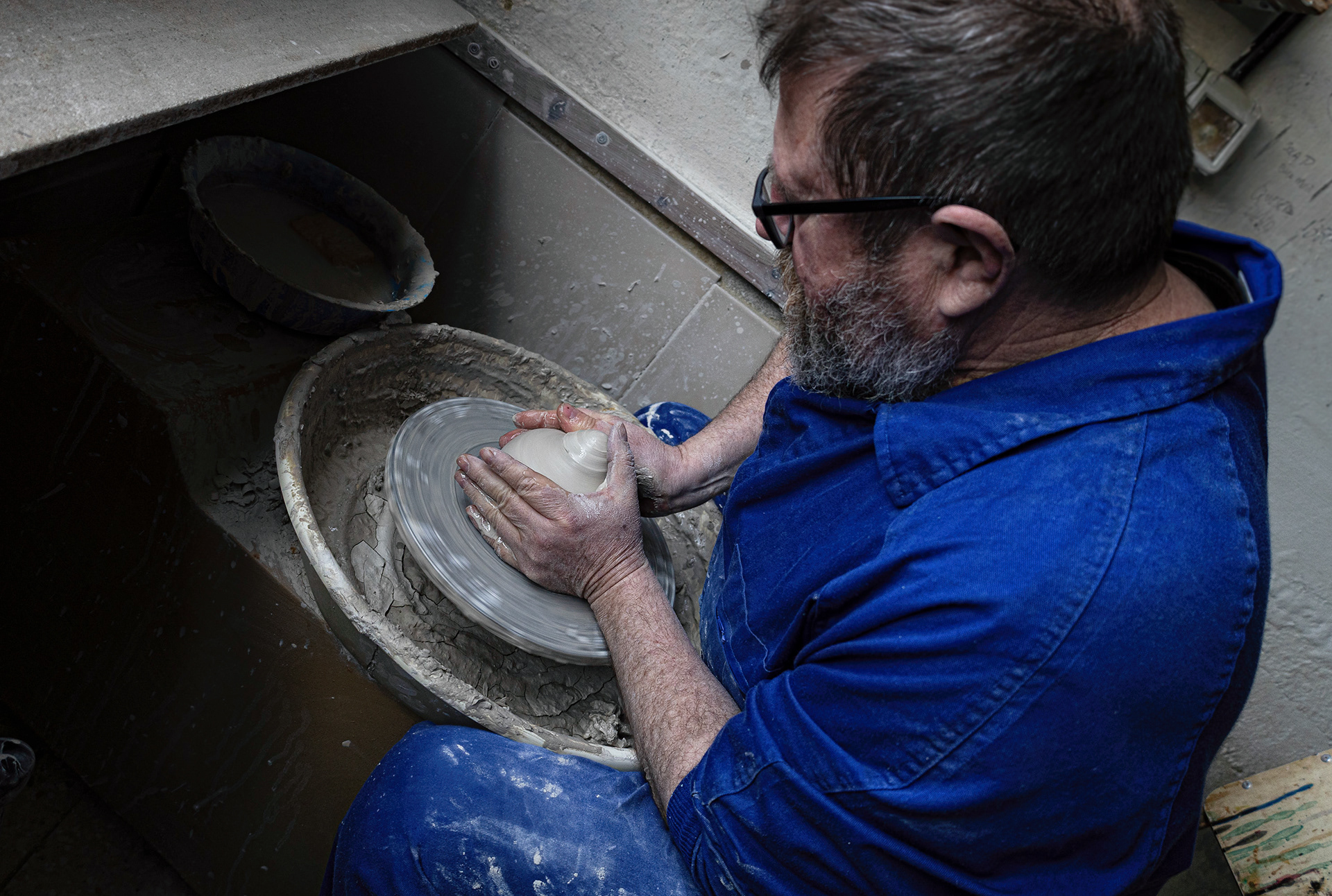
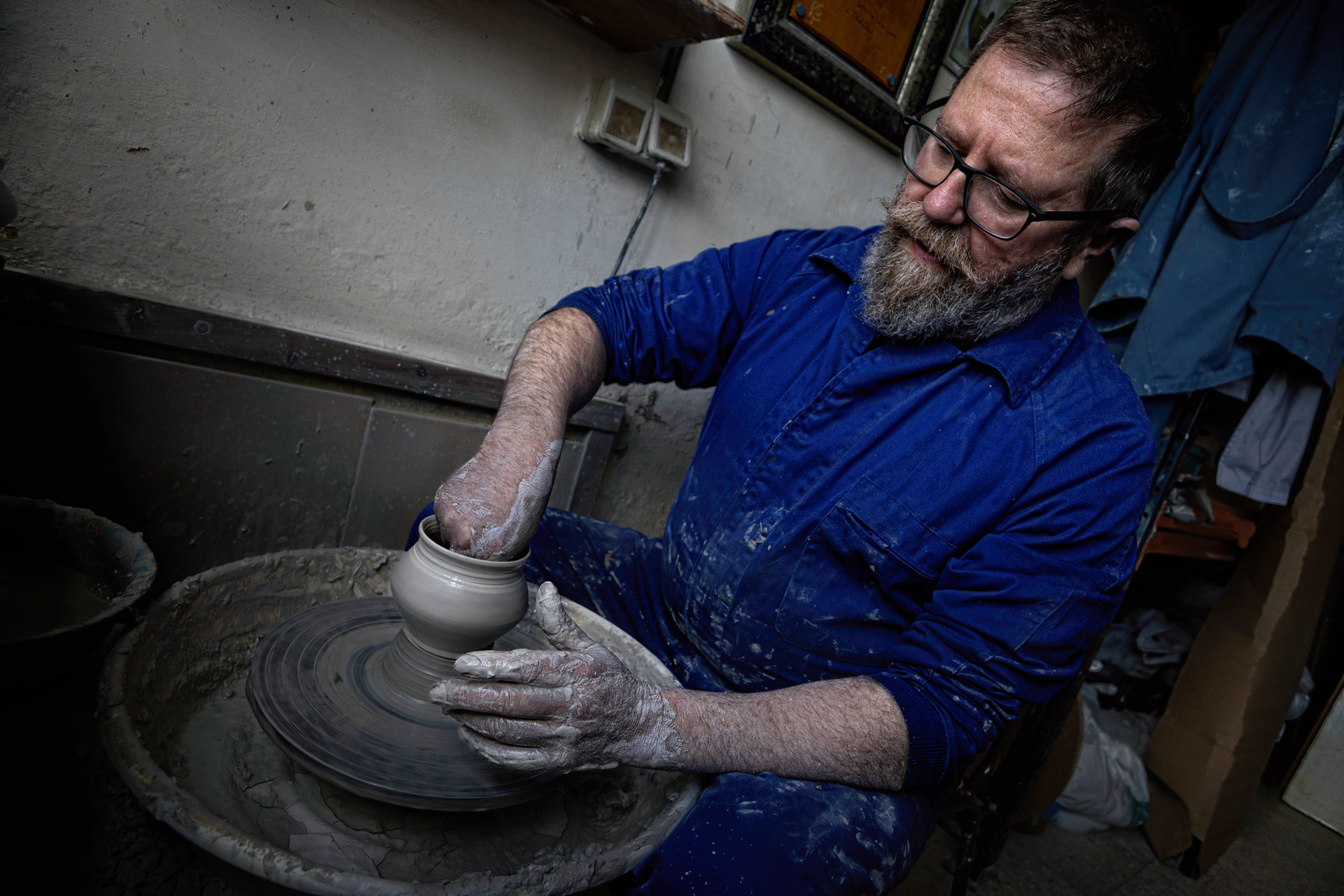
.................. Otros oficios en peligro de extinción ............
Los cambios en nuestros hábitos de consumo están transformando el tejido productivo y dejando al margen oficios que durante décadas formaron parte de nuestra vida cotidiana. Profesiones que, aunque no cuentan con reconocimientos oficiales, también han moldeado nuestra sociedad actual.
Su futuro depende de la curiosidad y del interés de las nuevas generaciones, dispuestas a rescatar formas pasadas de consumir, reparar, ver o disfrutar.
Oficios que poco a poco dejan de formar parte de los barrios, pero que siempre permanecerán en nuestra memoria colectiva.
.................. Other trades at risk of extinction ..........
Changes in our consumption habits are transforming the productive landscape, leaving behind trades that for decades were part of our everyday life. Professions that, even without official recognition, have shaped the society we live in today.
Their future depends on the curiosity and interest of new generations, willing to revive past ways of consuming, repairing, observing, or enjoying. Trades that are gradually disappearing from our neighborhoods, yet will always remain in our collective memory.
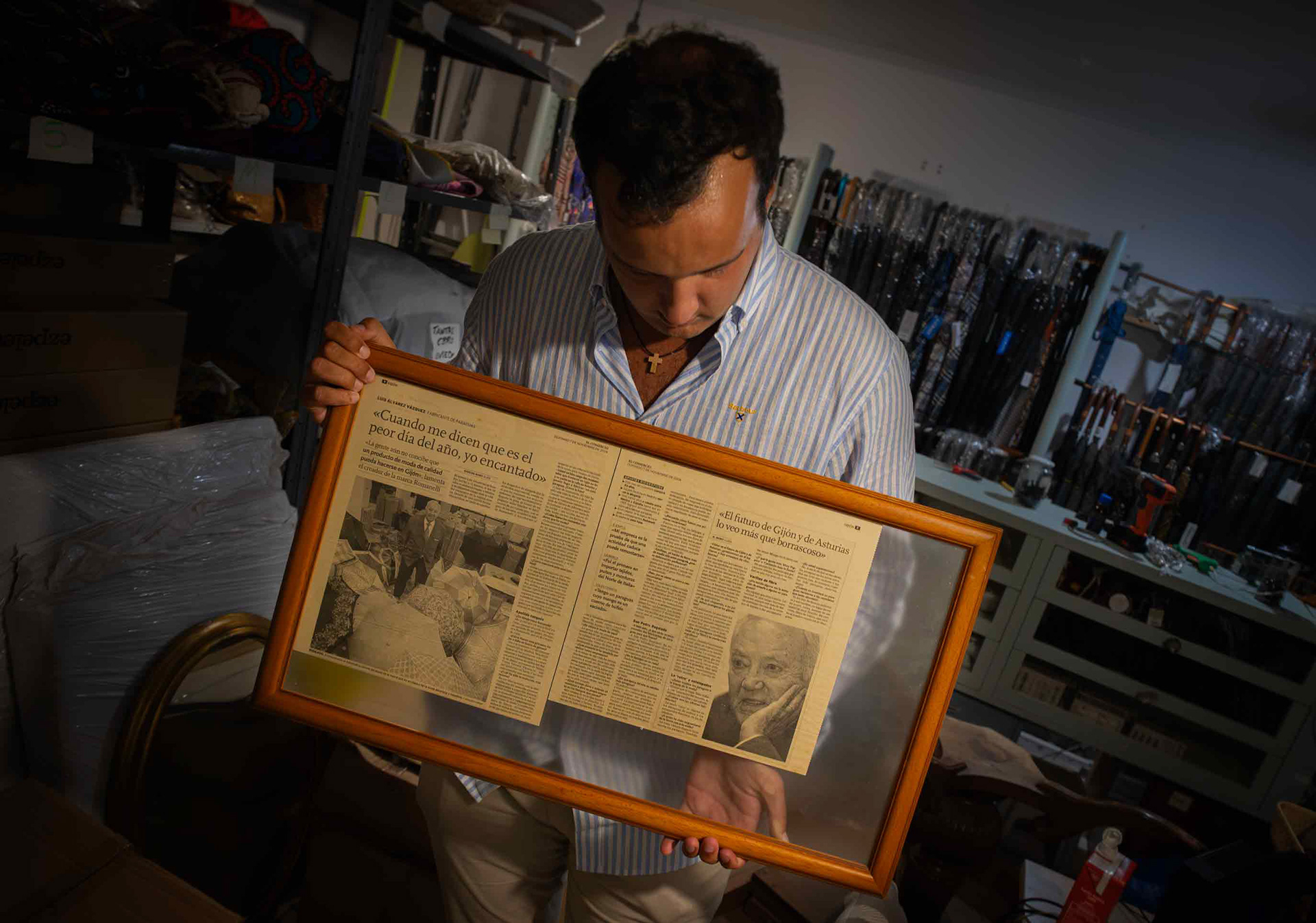
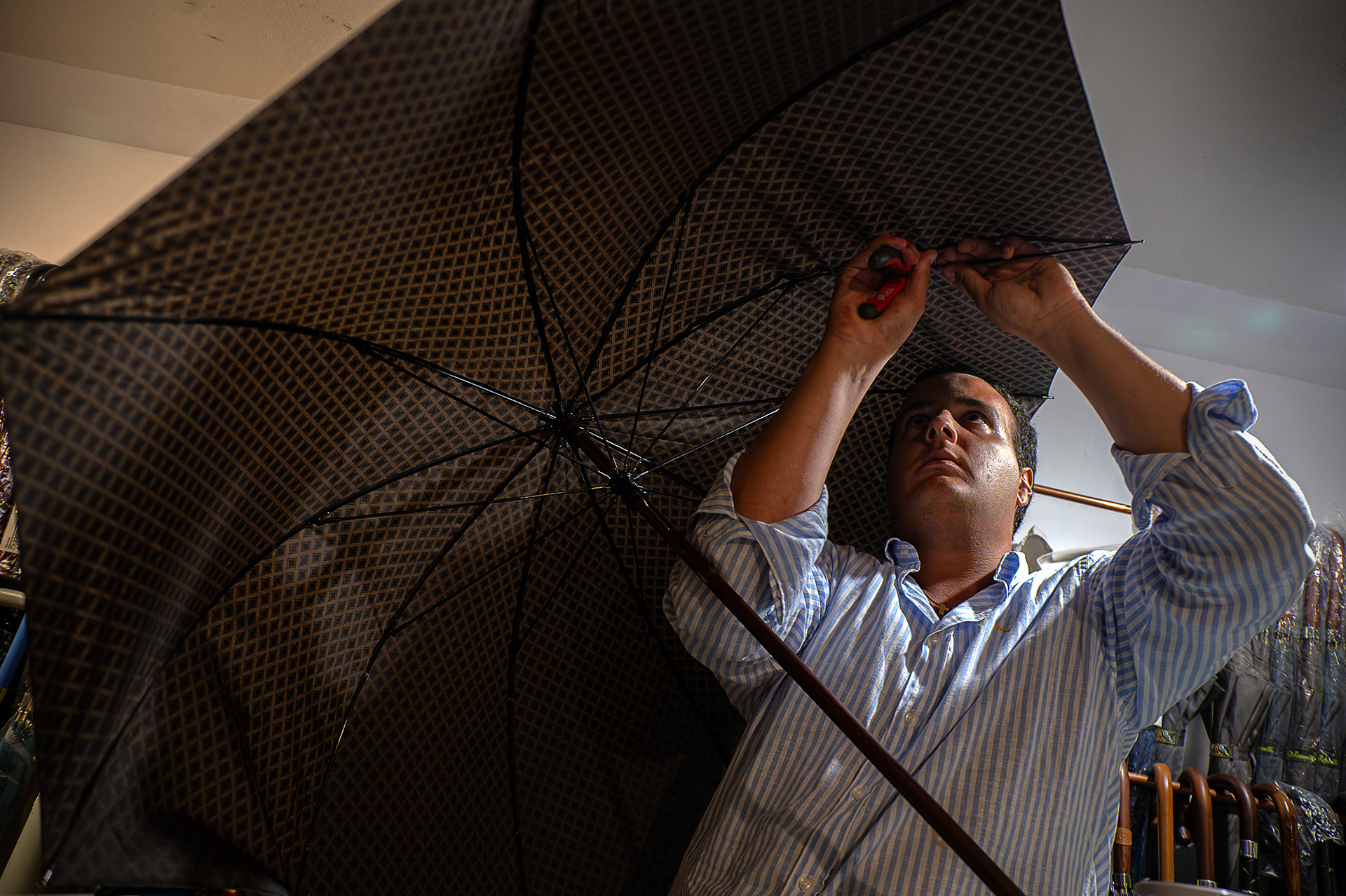
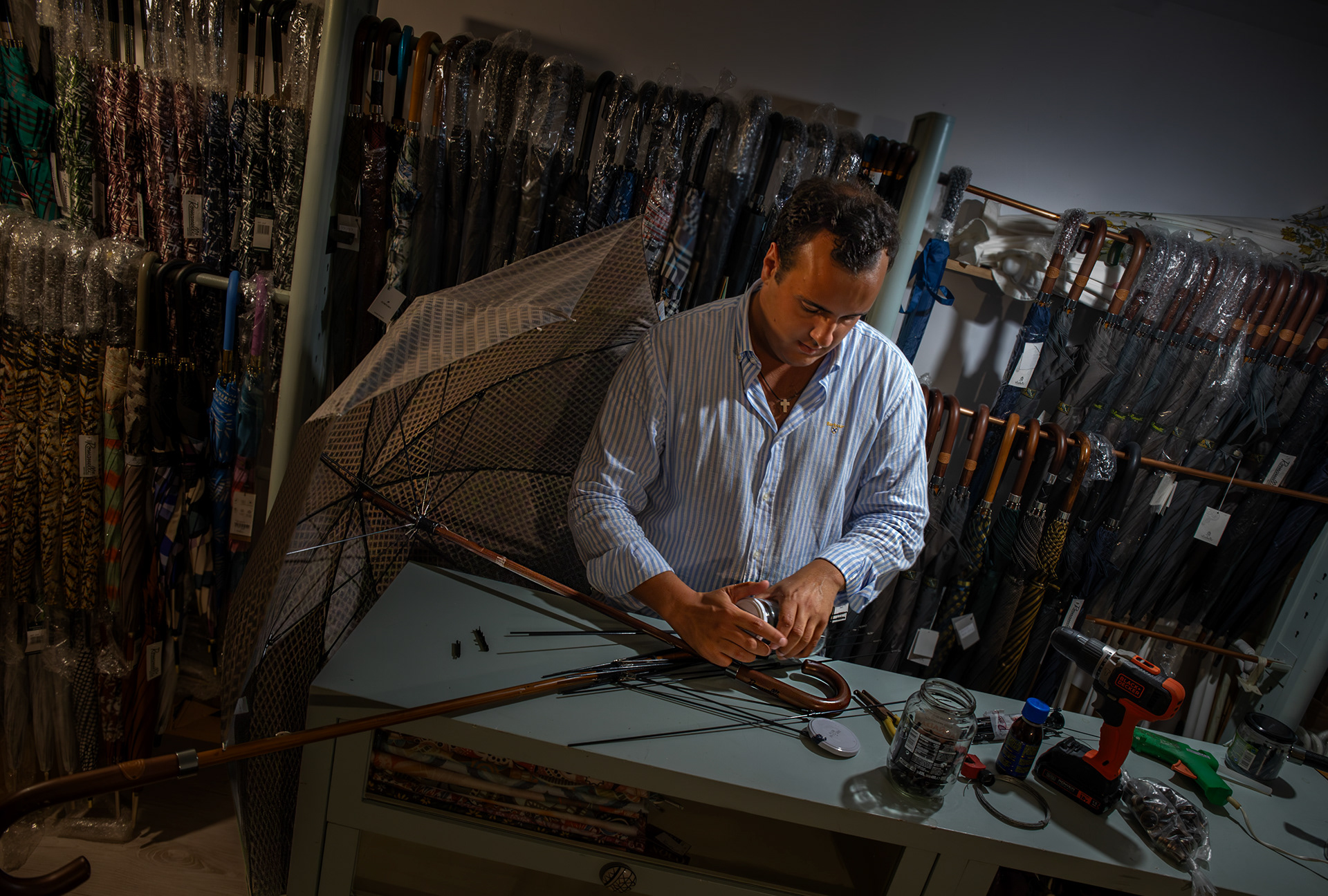
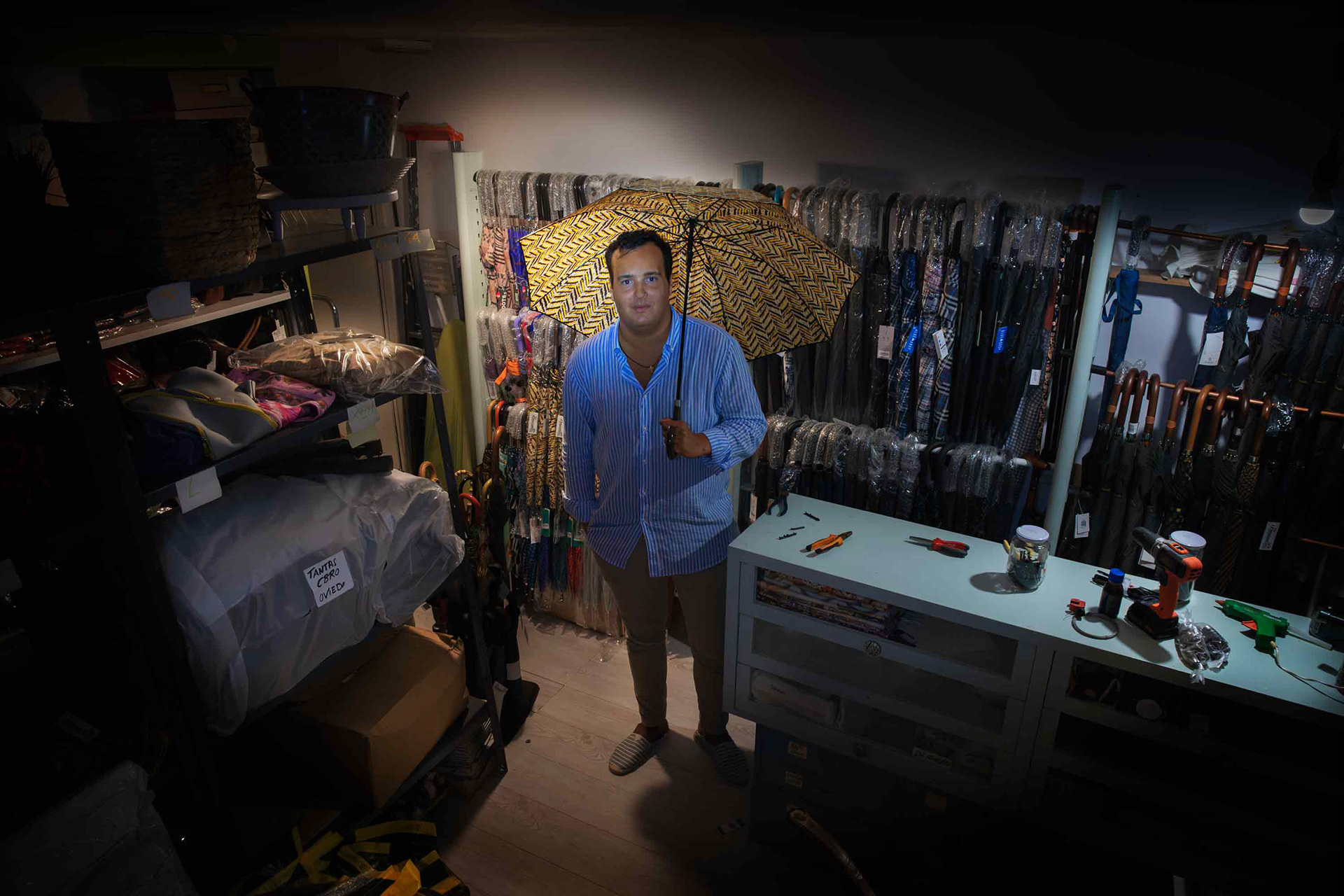
Álvaro, cuarta generación de paragüeros
En el corazón de la ciudad, junto a una tienda con casi un siglo de historia, encontramos a Álvaro, cuarta generación de una saga dedicada al mundo de los paraguas. Lo que comenzó en 1930 como un pequeño taller donde se fabricaban y reparaban paraguas sigue vivo hoy bajo su cuidado. Aunque la venta es ahora la principal fuente de ingresos, la reparación artesanal continúa siendo un servicio muy valorado por los clientes fieles. La tienda se ha adaptado a los nuevos tiempos y se ha expandido, manteniendo el legado familiar sin perder su esencia. A pesar de su éxito, Álvaro sabe que garantizar la continuidad del oficio requiere encontrar un relevo que pueda mantener vivo este saber único y artesanal.
📍 Calle Asturias, 9.
Álvaro, fourth-generation umbrella maker
In the heart of the city, next to a shop with nearly a century of history, we find Álvaro, the fourth generation of a family dedicated to the world of umbrellas. What began in 1930 as a small workshop producing and repairing umbrellas remains alive today under his care.
Although sales are now the main source of income, artisanal repair continues to be highly valued by loyal customers. The shop has adapted to modern times and expanded, preserving the family legacy without losing its essence. Despite his success, Álvaro knows that ensuring the continuity of the craft requires finding a successor who can keep this unique artisanal knowledge alive.
Gijón

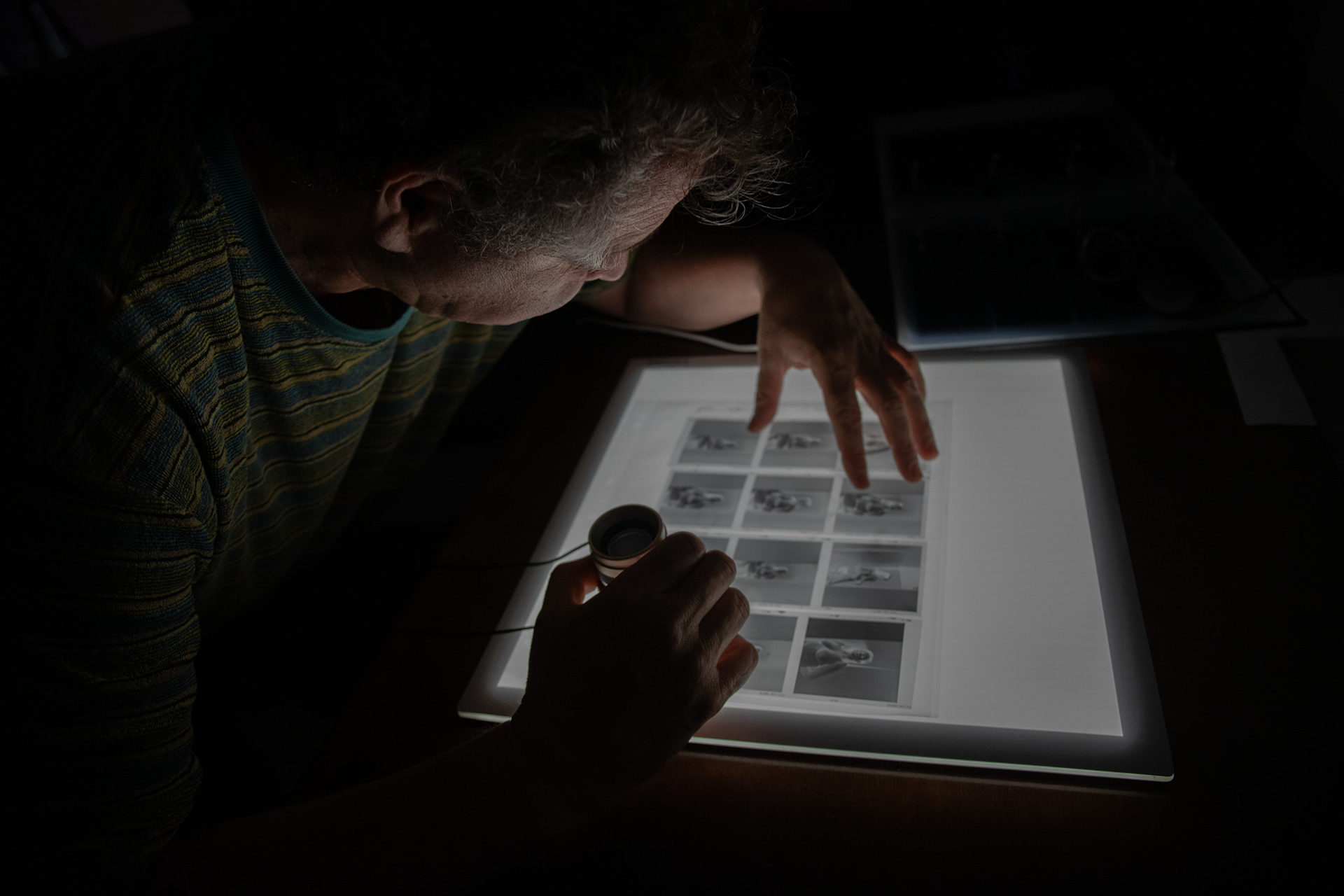
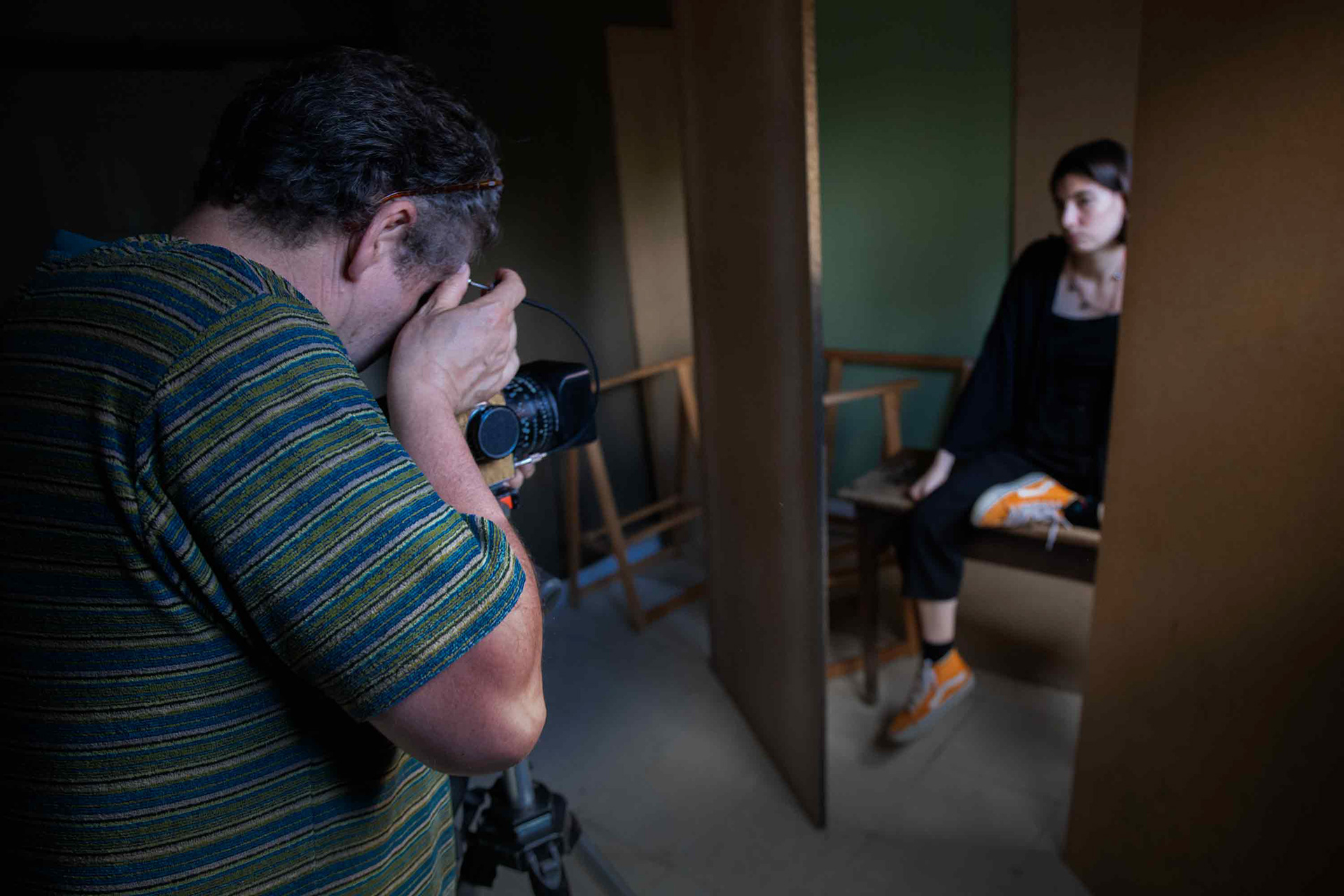
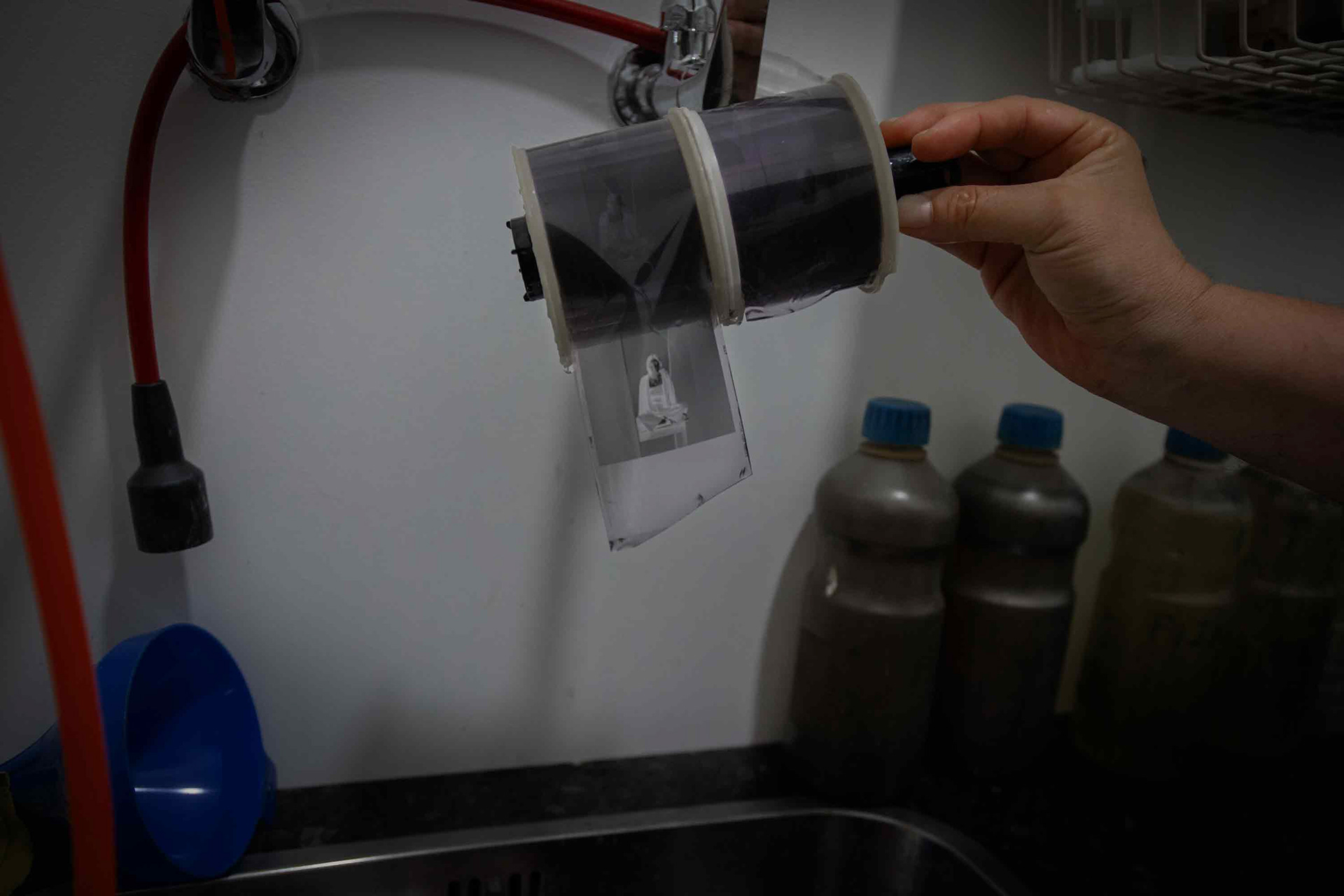
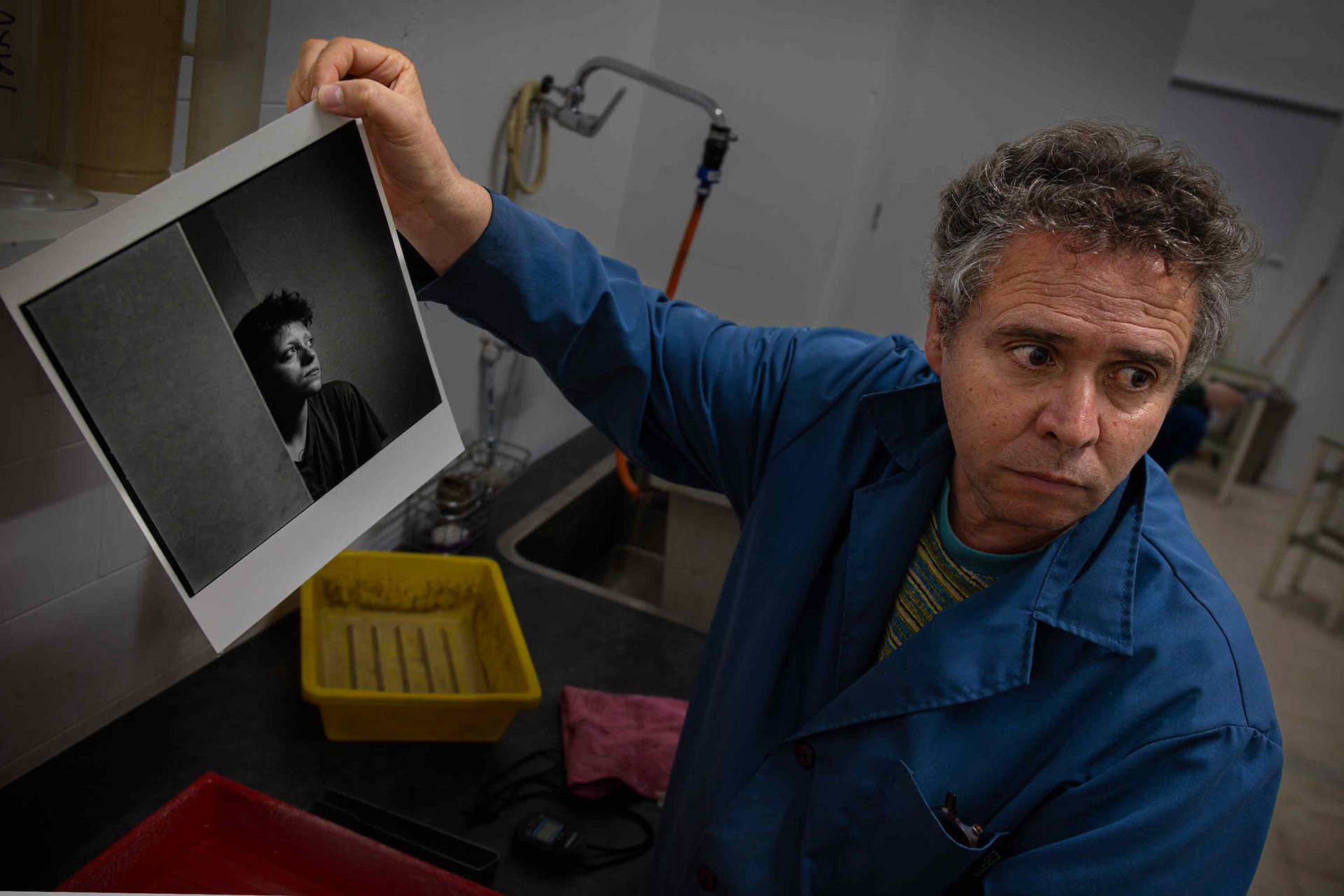
Ricardo Moreno, fotógrafo analógico
“El soporte en el que trabajas no cambia tu mirada. Es sólo una decisión para darle materialidad a tus fotos”, afirma Ricardo Moreno, cuyo compromiso con la fotografía analógica nunca ha flaqueado. Comenzó con la cámara que heredó de su padre y pronto se convirtió en su propio maestro: aprendió a revelar y positivar, y en 2000 asumió la dirección de la escuela de su mentor, transmitiendo desde entonces su experiencia a nuevas generaciones de fotógrafos. Su legado incluye una amplia colección de premios y reconocimientos a nivel nacional, así como el impacto en innumerables fotógraf@s formados bajo su guía.
Ricardo sigue impartiendo clases hoy, combinando la tradición del revelado analógico con la mirada contemporánea que define su obra.
📍 Escuela: “La Puerta Verde” Fotografía
Ricardo Moreno, analog photographer
“The medium you work on doesn’t change your vision. It’s just a choice to give your photos physical form,” says Ricardo Moreno, whose commitment to analog photography has never wavered. He began with the camera he inherited from his father and soon became his own teacher: learning to develop and print, and in 2000 taking over the school of his mentor, passing on his experience to new generations of photographers ever since.
His legacy includes an extensive collection of national awards and recognitions, as well as the impact on countless photographers trained under his guidance. Ricardo continues to teach today, combining the tradition of analog development with the contemporary vision that defines his work.
Oviedo



Montse, Videoclub85
"El último refugio del celuloide"
Videoclub85, inaugurado en 1985 y hoy posiblemente el último de su tipo en la región. Entre estanterías repletas de películas y clásicos de todos los tiempos, Montse custodia un tesoro cinematográfico que resiste al paso del tiempo y a la era del streaming. Más que un alquiler de películas, ofrece una experiencia única: una pequeña sala de cine, palomitas recién hechas y un ambiente donde los amantes del cine pueden reencontrarse con historias que marcaron generaciones.
Este espacio se ha convertido en un símbolo de resistencia frente a la obsolescencia cultural y la homogeneización de la oferta audiovisual. Su existencia subraya la necesidad de preservar los patrimonios culturales urbanos y sociales, únicos e insustituibles, que dan vida y memoria a nuestras ciudades y barrios.
📍Calle Eulalia Álvarez, 25
Montse, Videoclub85
"The last refuge of celluloid"
Videoclub85, opened in 1985 and possibly the last of its kind in the region, is filled with shelves of films and classics from every era. Montse guards a cinematic treasure that withstands the passage of time and the age of streaming.
Videoclub85, opened in 1985 and possibly the last of its kind in the region, is filled with shelves of films and classics from every era. Montse guards a cinematic treasure that withstands the passage of time and the age of streaming.
More than just a movie rental, it offers a unique experience: a small screening room, freshly made popcorn, and an atmosphere where film lovers can reconnect with stories that shaped generations.
This space has become a symbol of resistance against cultural obsolescence and the homogenization of audiovisual offerings. Its existence highlights the importance of preserving unique and irreplaceable urban and social cultural heritage that gives life and memory to our cities and neighborhoods.
Gijón

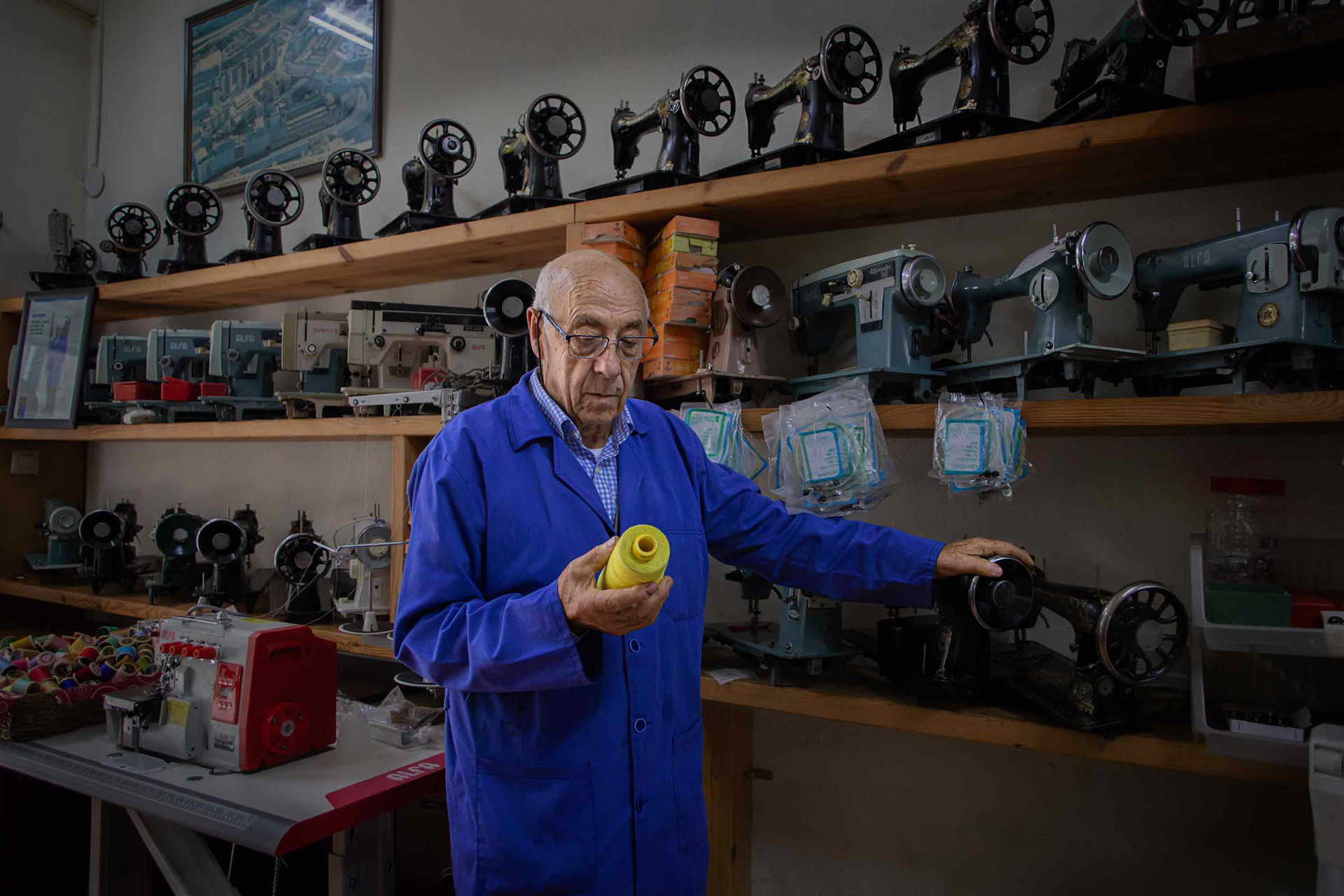
Manolo, reparador-restaurador de máquinas de coser
Manolo comenzó su propio negocio de máquinas de coser alrededor de los 30 años.
Pronto descubrió que reparaba más de lo que vendía, y con el tiempo aprendió a restaurarlas, acumulando unas 300 a lo largo de su carrera. Hoy, frente al auge de la ropa barata y la venta online, la costumbre de coser y reparar ha casi desaparecido: “La gente ya no cose, no compensa. Cuando algo rompe, se tira”, explica.
Aunque se jubiló hace años, volvió al taller para evitar su cierre y junto a Liliana, a quien formó para restaurar, reparar y vender máquinas, asegura que el oficio tendrá relevo.
Este saber artesanal, minucioso y exigente, depende ahora de que nuevas manos y nuevas generaciones lo mantengan vivo.
📍 Calle el Rosal
Manolo, sewing machine repairer-restorer
Manolo started his own sewing machine business around the age of 30. He soon realized that he repaired more machines than he sold, and over time he learned to restore them, accumulating around 300 machines throughout his career.
Today, with the rise of cheap clothing and online sales, the habit of sewing and repairing has nearly disappeared. “People don’t sew anymore; it’s not worth it. When something breaks, they throw it away,” he explains.
Although he retired years ago, Manolo returned to the workshop to prevent its closure. Together with Liliana, whom he trained to restore, repair, and sell machines, he ensures that the craft will have a successor.
This meticulous and demanding artisanal knowledge now depends on new hands and future generations to keep it alive.
Oviedo

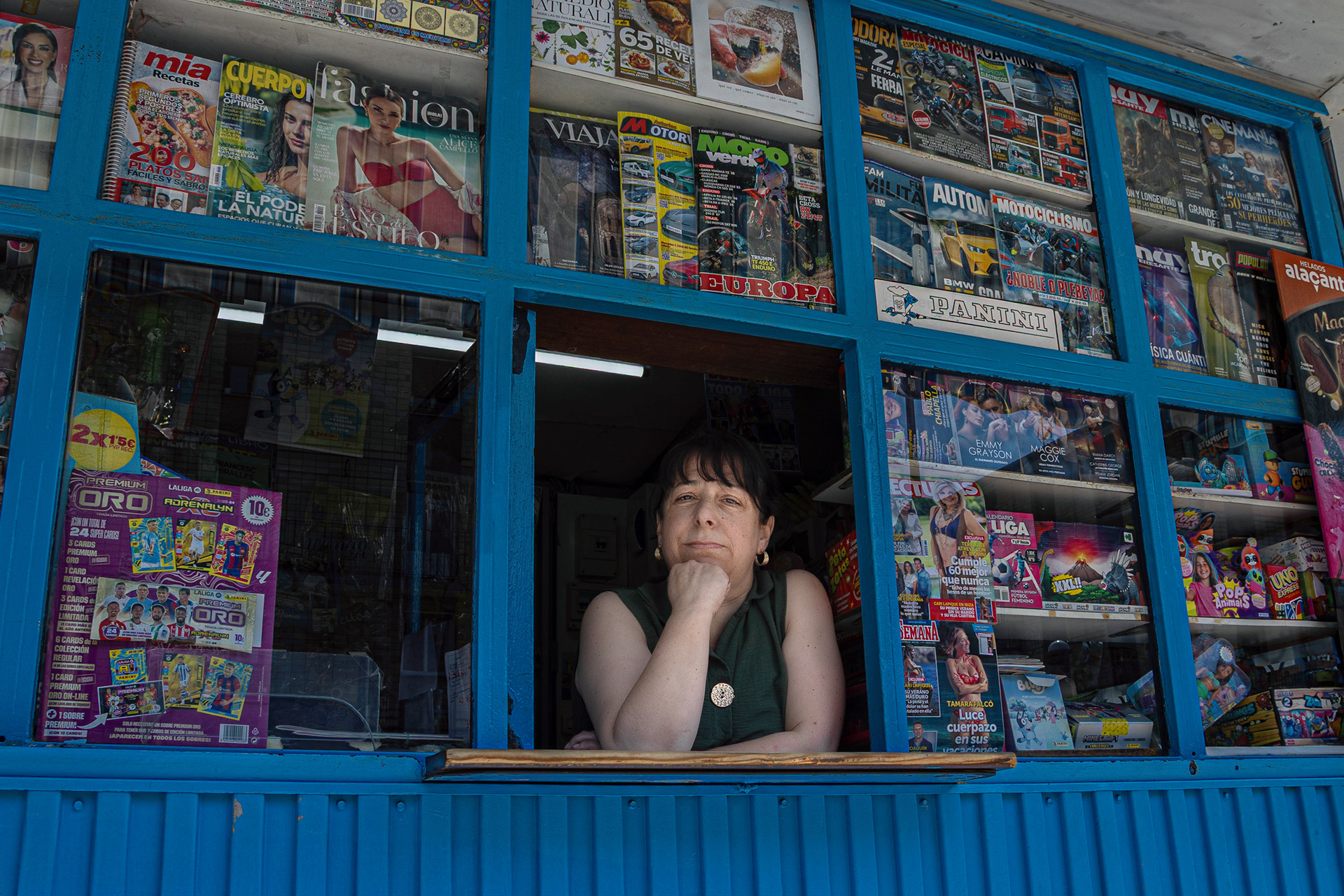
Orfelina, Kiosquera
Su kiosco lleva en Laviana desde 1984. Originalmente era el punto de distribución del grupo de prensa "La Voz de Asturias", desde ahí se distribuían los periódicos a los negocios de la zona.
Cuando su suegra que lo regentaba enfermó, ella y su cuñada lo atendieron hasta que finalmente se lo quedó. De eso hace ya 25 años. Un cuarto de siglo de sol a sol incluyendo las mañanas de los fines de semana. "Mi marido se queda algunos días que él no trabaja, así puedo tener algo de tiempo para mis cosas"
No ha sido fácil encontrar un kiosco de los de "toda la vida". El auge de las tiendas de conveniencia, la gentrificación y el declive de la prensa impresa hace que cada vez se vean menos.
📍 Kiosko Orfelina, Laviana
Orfelina, kiosk owner
Her kiosk has been in Laviana since 1984. Originally, it served as the distribution point for the newspaper group La Voz de Asturias, sending papers to local businesses. When her mother-in-law, who ran it, fell ill, Orfelina and her sister-in-law managed it until she finally took over. That was 25 years ago—a quarter century of early mornings and long days, including weekend mornings. “My husband covers some days when he’s off, so I can have a little time for my own things,” she says.
Finding a traditional kiosk like this has not been easy. The rise of convenience stores, gentrification, and the decline of print media means these kiosks are becoming increasingly rare.
Laviana
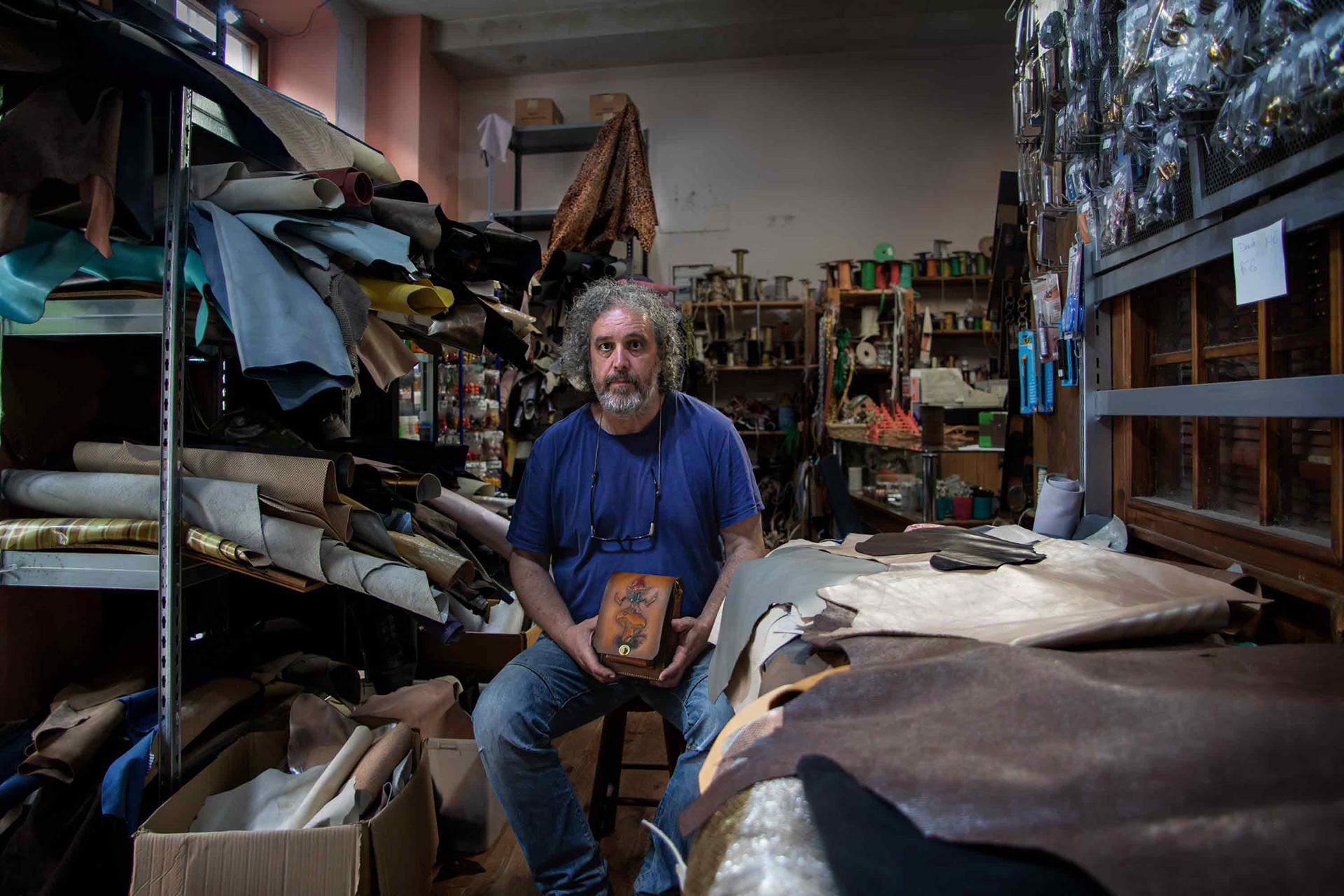
Joman, Talabartero
Seguro que tod@s en casa tenemos un bolso de cuero, una cartera, un llavero elaborado por un talabarter@.
Seguro que tod@s en casa tenemos un bolso de cuero, una cartera, un llavero elaborado por un talabarter@.
"Aún así, este oficio ya no da para vivir bien", me dice Joman.
Su tienda lleva más de 20 años abierta y actualmente aposta por el comercio online, donde genera la mayoría de los ingresos, a través de un canal de YouTube con tutoriales sobre cómo trabajar el cuero.
En su día a día, lo mismo repara un bolso de Prada que un antiguo baúl heredado del abuelo.
Aprendió el oficio hace tiempo y en cada viaje nuevo, conocía otros artesanos que le pasan sus conocimientos.
-"Si alguien viene y quisiera comprar el negocio, le diría que no lo hiciera, que se lo piense muy bien, esto ya no da para vivir."
"Mis hijos afortunadamente estudiaron y tienen otros oficios. No me gustaría que tuvieran que dedicarse a esto". Así de rotundo es cuando se habla de relevo generacional.
Si negocio es uno de los pocos supervivientes de la mítica calle El Rosal, en Oviedo.
Su tienda lleva más de 20 años abierta y actualmente aposta por el comercio online, donde genera la mayoría de los ingresos, a través de un canal de YouTube con tutoriales sobre cómo trabajar el cuero.
En su día a día, lo mismo repara un bolso de Prada que un antiguo baúl heredado del abuelo.
Aprendió el oficio hace tiempo y en cada viaje nuevo, conocía otros artesanos que le pasan sus conocimientos.
-"Si alguien viene y quisiera comprar el negocio, le diría que no lo hiciera, que se lo piense muy bien, esto ya no da para vivir."
"Mis hijos afortunadamente estudiaron y tienen otros oficios. No me gustaría que tuvieran que dedicarse a esto". Así de rotundo es cuando se habla de relevo generacional.
Si negocio es uno de los pocos supervivientes de la mítica calle El Rosal, en Oviedo.
Joman, saddler
We all probably have a leather bag, wallet, or keychain made by a saddler. “Even so, this craft no longer provides a good living,” Jomán tells me.
His shop has been open for over 20 years, and today he focuses on online sales, generating most of his income through a YouTube channel with tutorials on leatherworking. In his daily work, he might repair a Prada bag or an old trunk inherited from a grandfather.
He learned the craft long ago, and on every new trip, he met other artisans who shared their knowledge with him.
“If someone came wanting to buy the business, I would tell them not to—it’s something to think very carefully about. This no longer provides a living,” he says. “Fortunately, my children studied and have other careers. I wouldn’t want them to have to do this.” His words are firm when it comes to generational succession.
His business is one of the few survivors of the legendary El Rosal street in Oviedo.
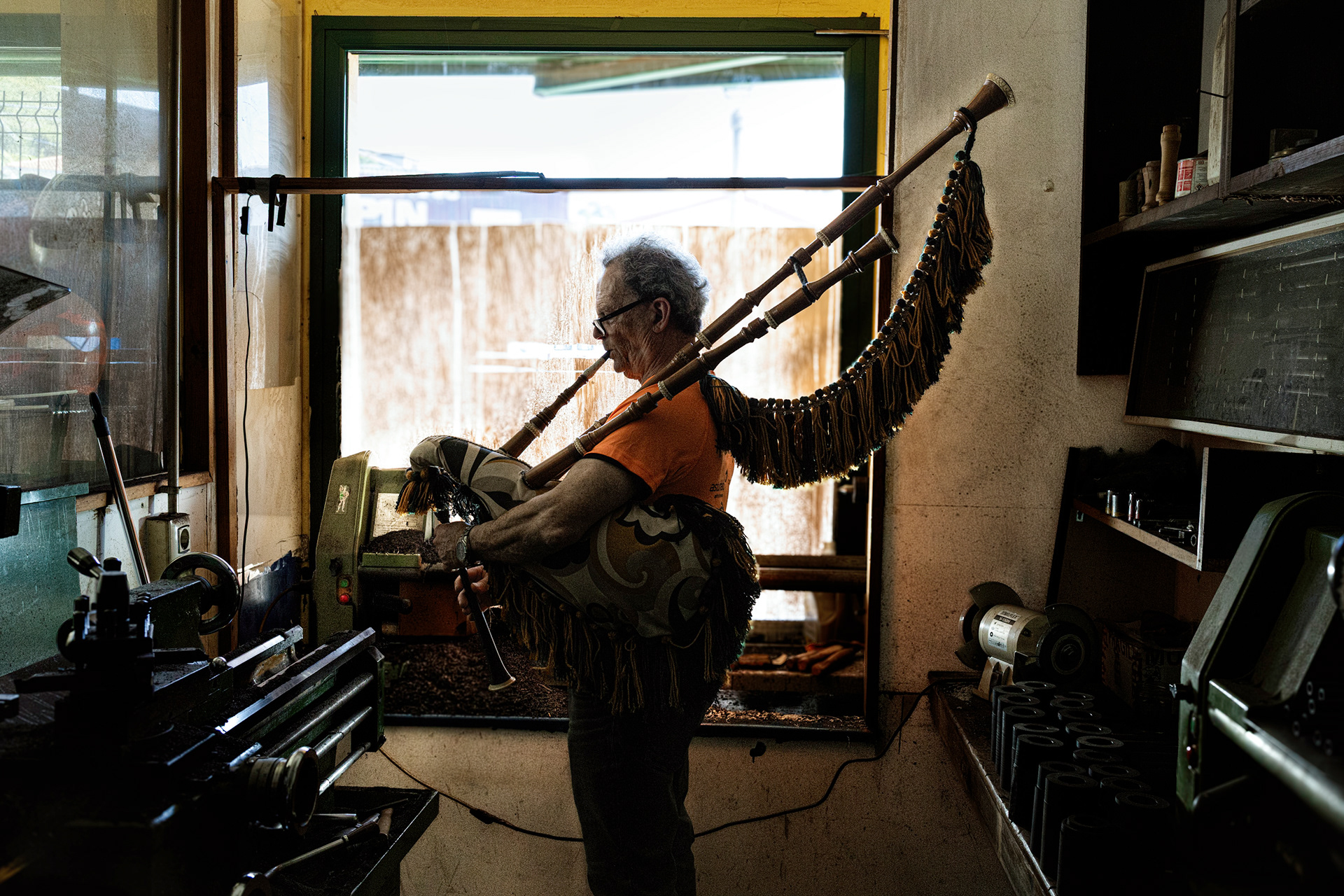
Miguel, lutier de gaitas
Hace veinte años, Miguel Ángel Alonso fabricó su primera gaita para su hijo, alumno de José Ángel Hevia. El éxito con el maestro le animó a dedicarse por completo a este oficio y abrió su taller en Colunga.
Autodidacta, aprendió a base de observar, medir, preguntar y experimentar, buscando siempre un instrumento homologable con las escuelas de música tradicional.
Ha elaborado gaitas asturianas y escocesas, cuidando afinación, materiales y acabado para lograr un sonido preciso.
Aunque ya está jubilado, sigue trabajando: actualmente tiene pendiente un encargo de 20 gaitas.
Intentó enseñar su oficio mediante cursos, pero la participación fue limitada. Hoy, su taller recibe visitas guiadas para dar a conocer la complejidad de este instrumento.
📍 Colunga
Miguel, bagpipe maker
Twenty years ago, Miguel Ángel Alonso made his first bagpipe for his son, a student of José Ángel Hevia. Encouraged by the master’s approval, he decided to dedicate himself fully to the craft and opened his workshop in Colunga.
Self-taught, he learned by observing, measuring, asking questions, and experimenting, always aiming to produce instruments compatible with traditional music schools.
He has crafted both Asturian and Scottish bagpipes, carefully attending to tuning, materials, and finish to achieve precise sound.
Although now retired, he continues working. He currently has an order for 20 bagpipes pending.
He once tried teaching the craft through courses, but participation was limited. Today, his workshop hosts guided visits to showcase the complexity of this instrument.
Colunga
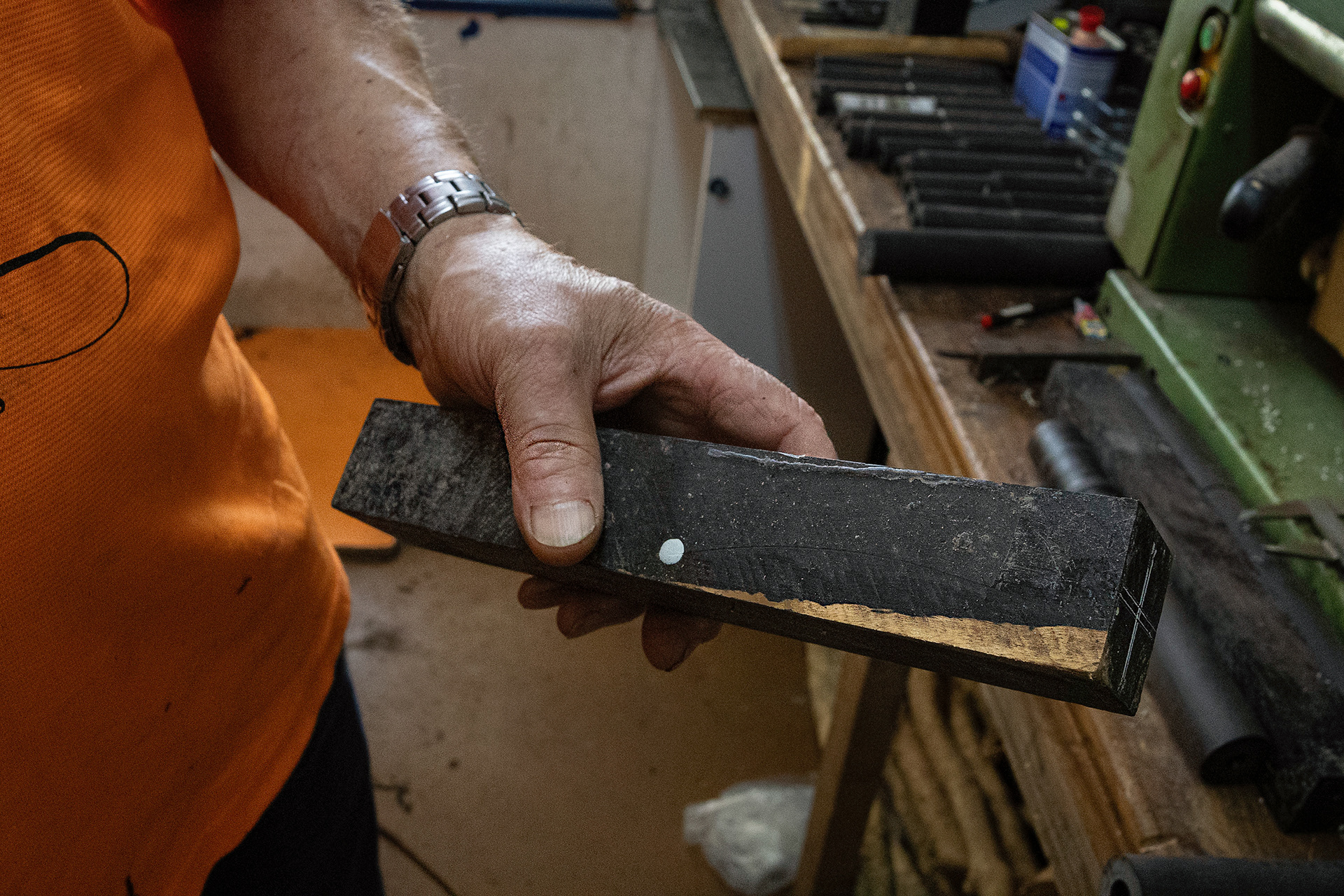
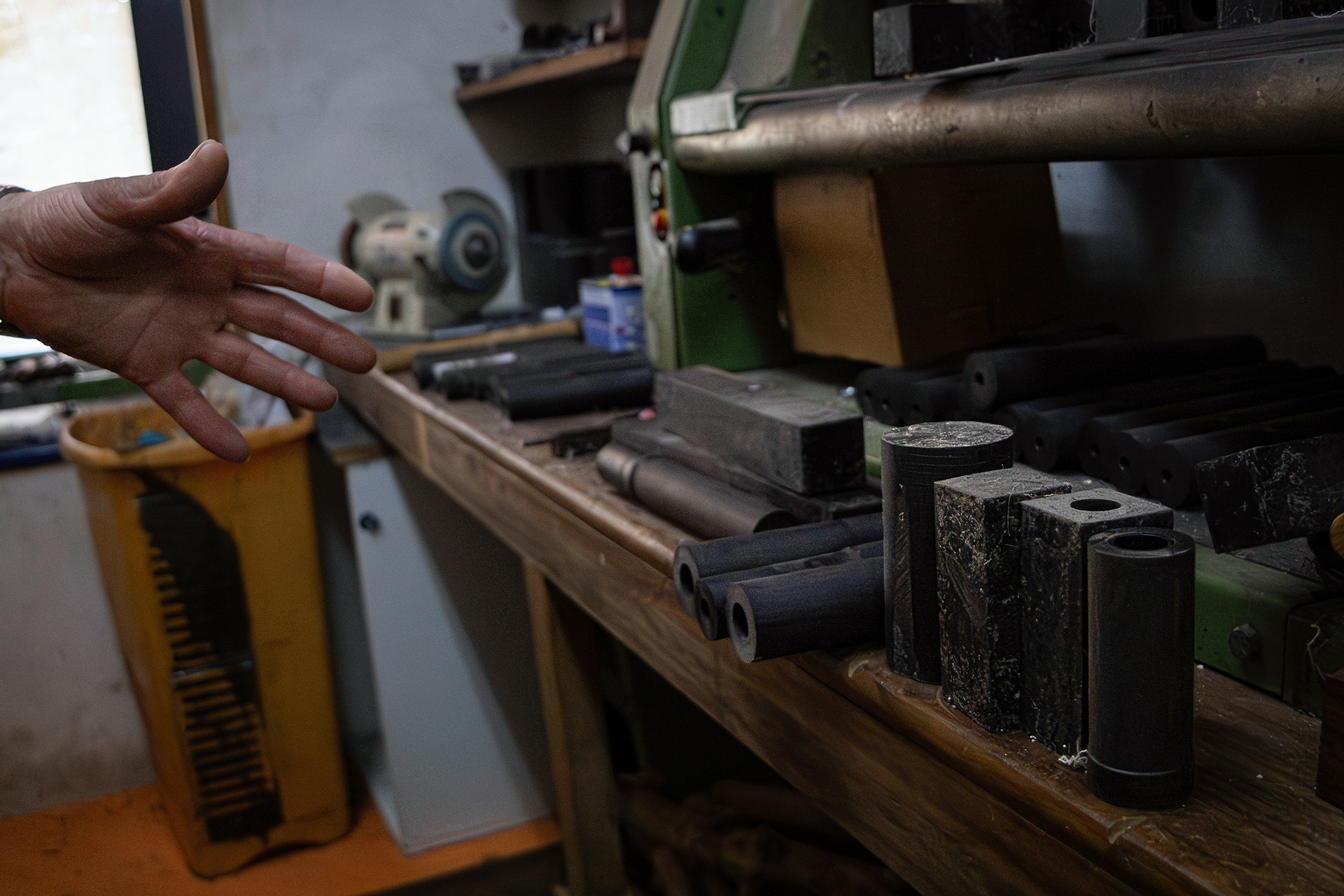
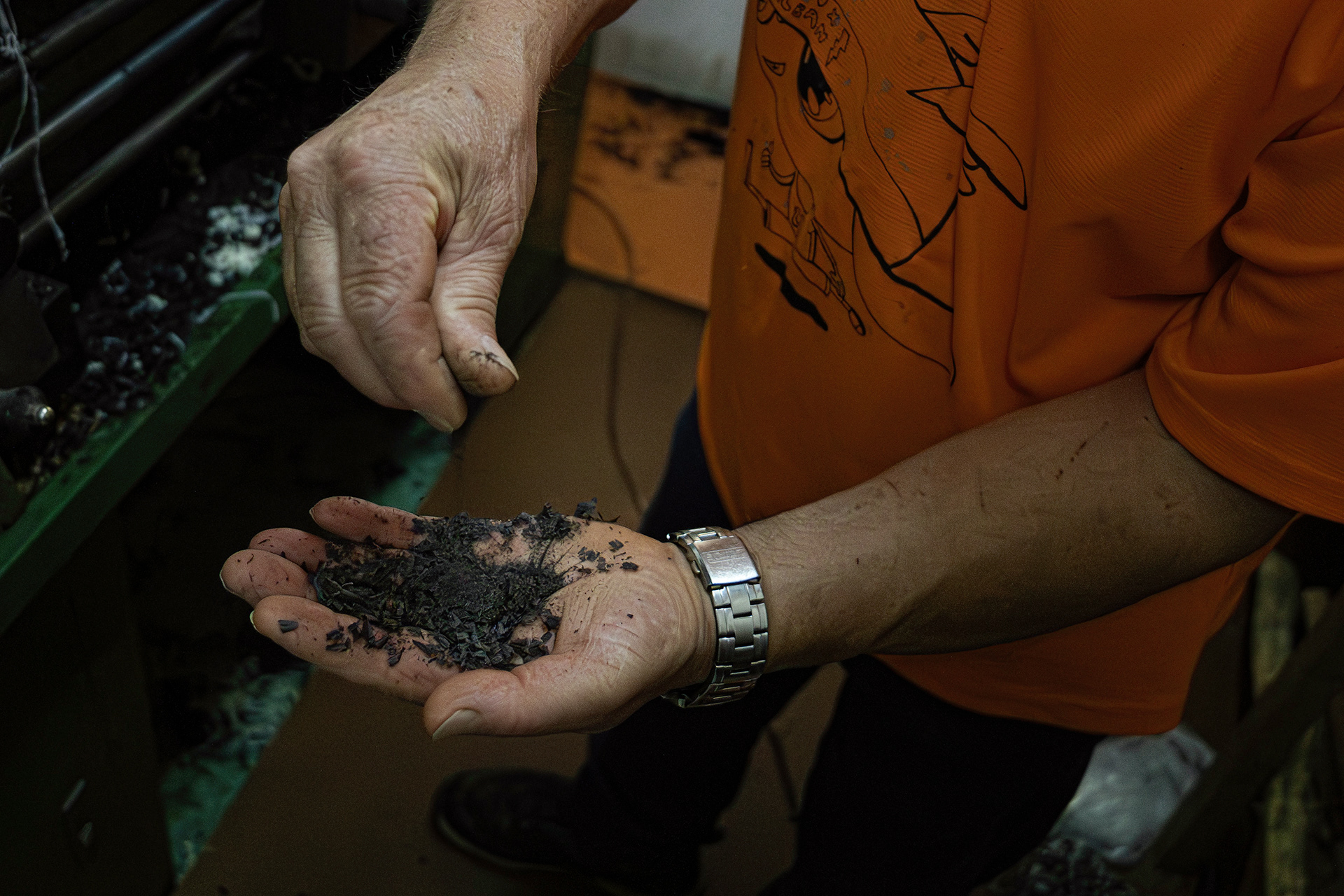
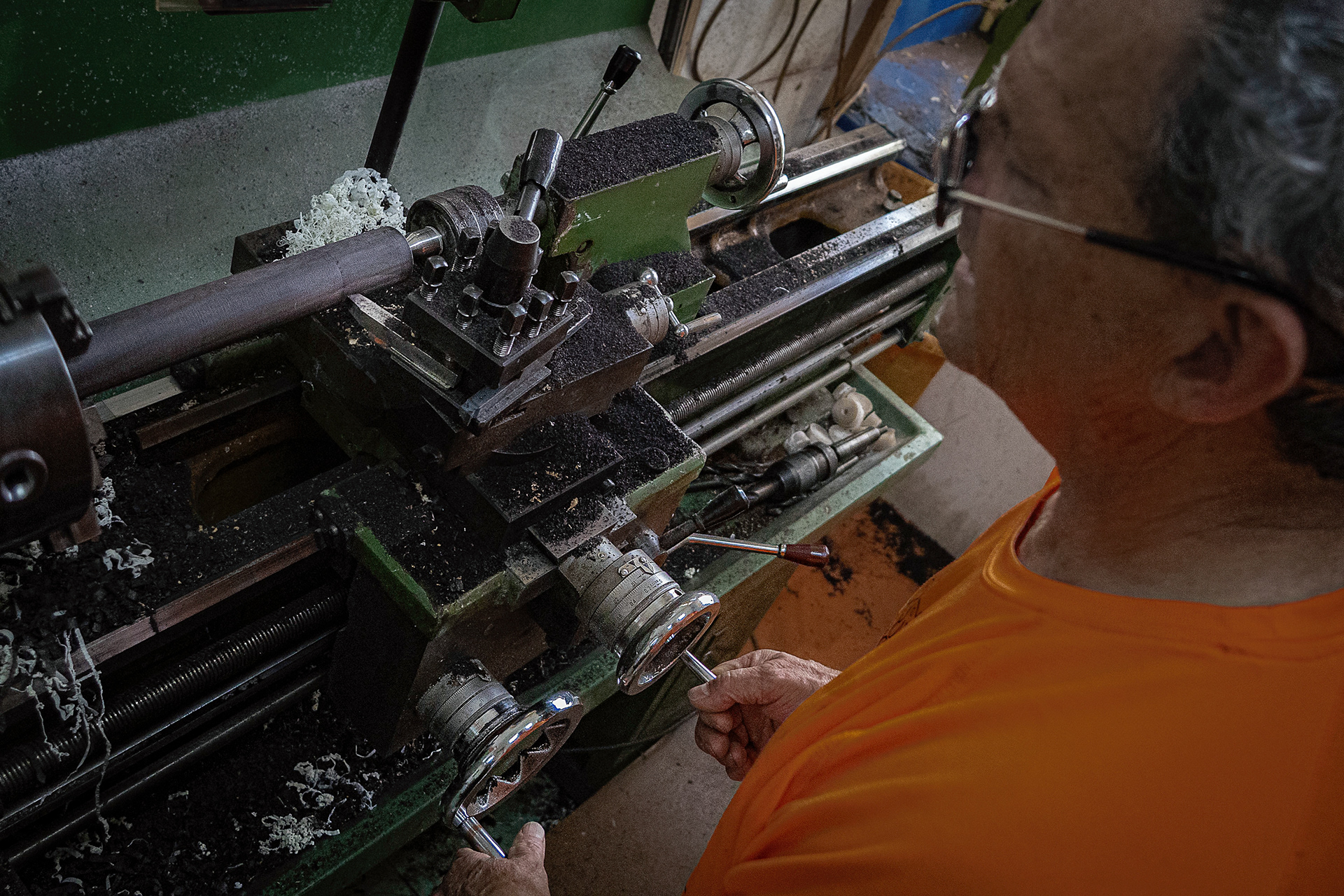
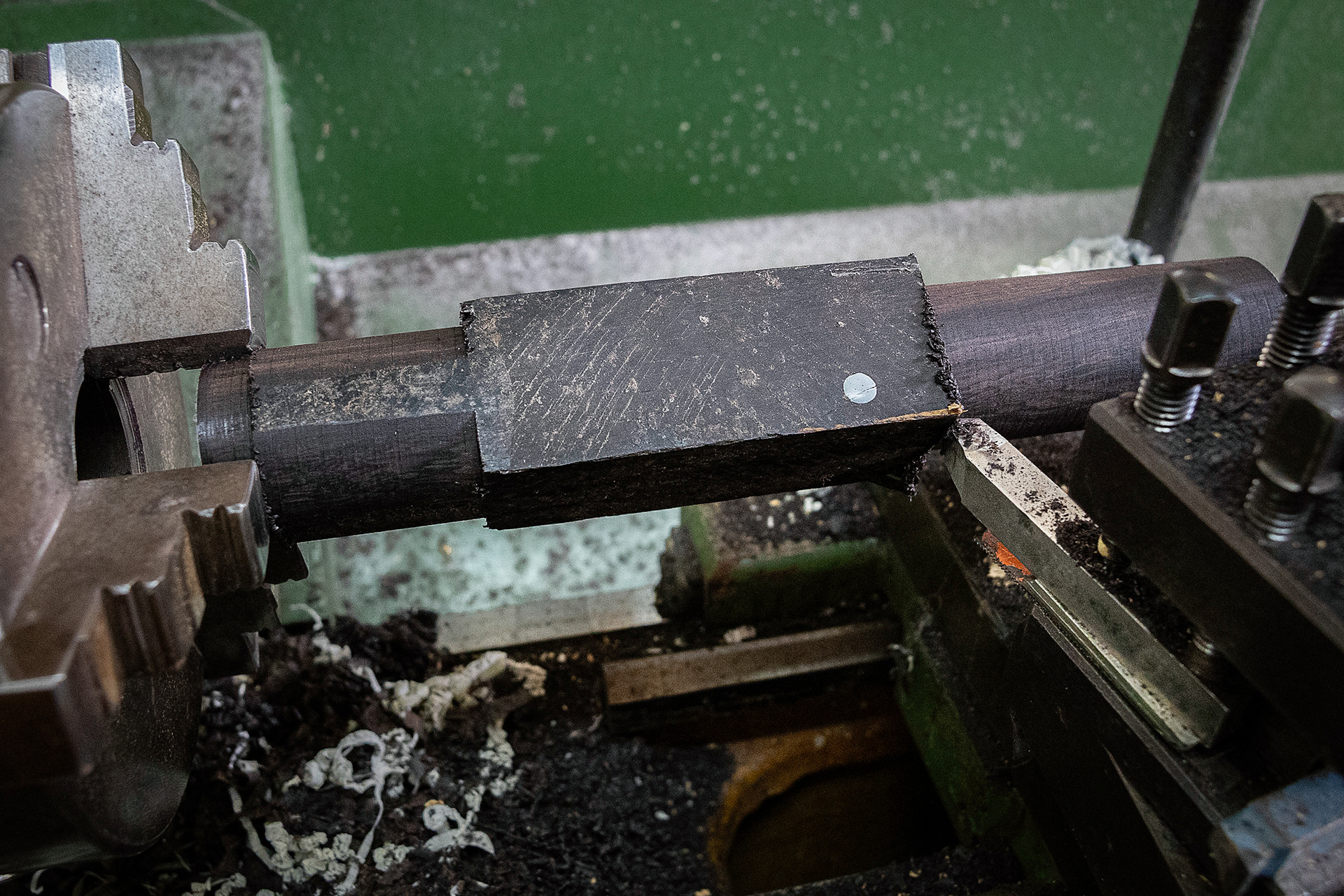
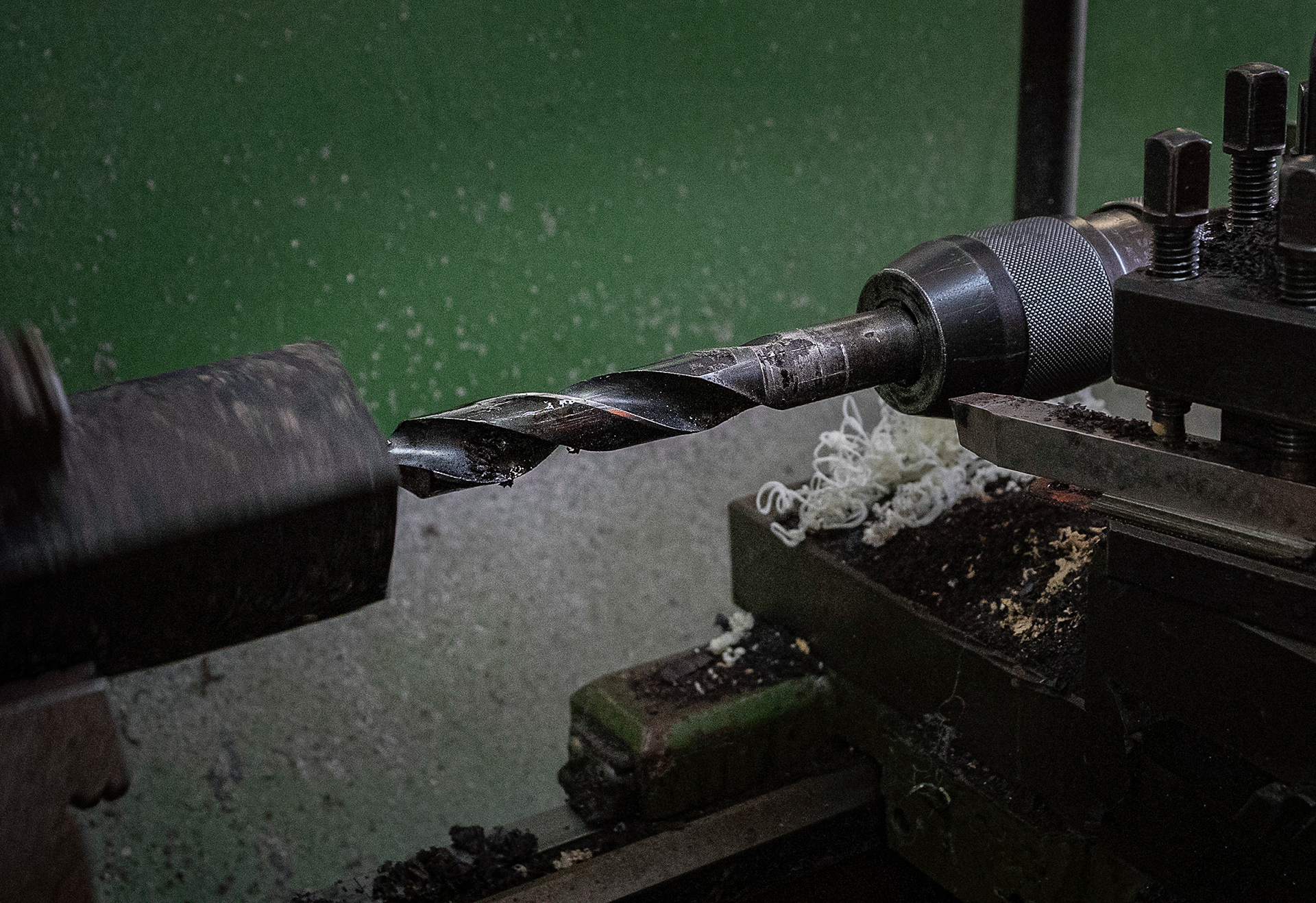
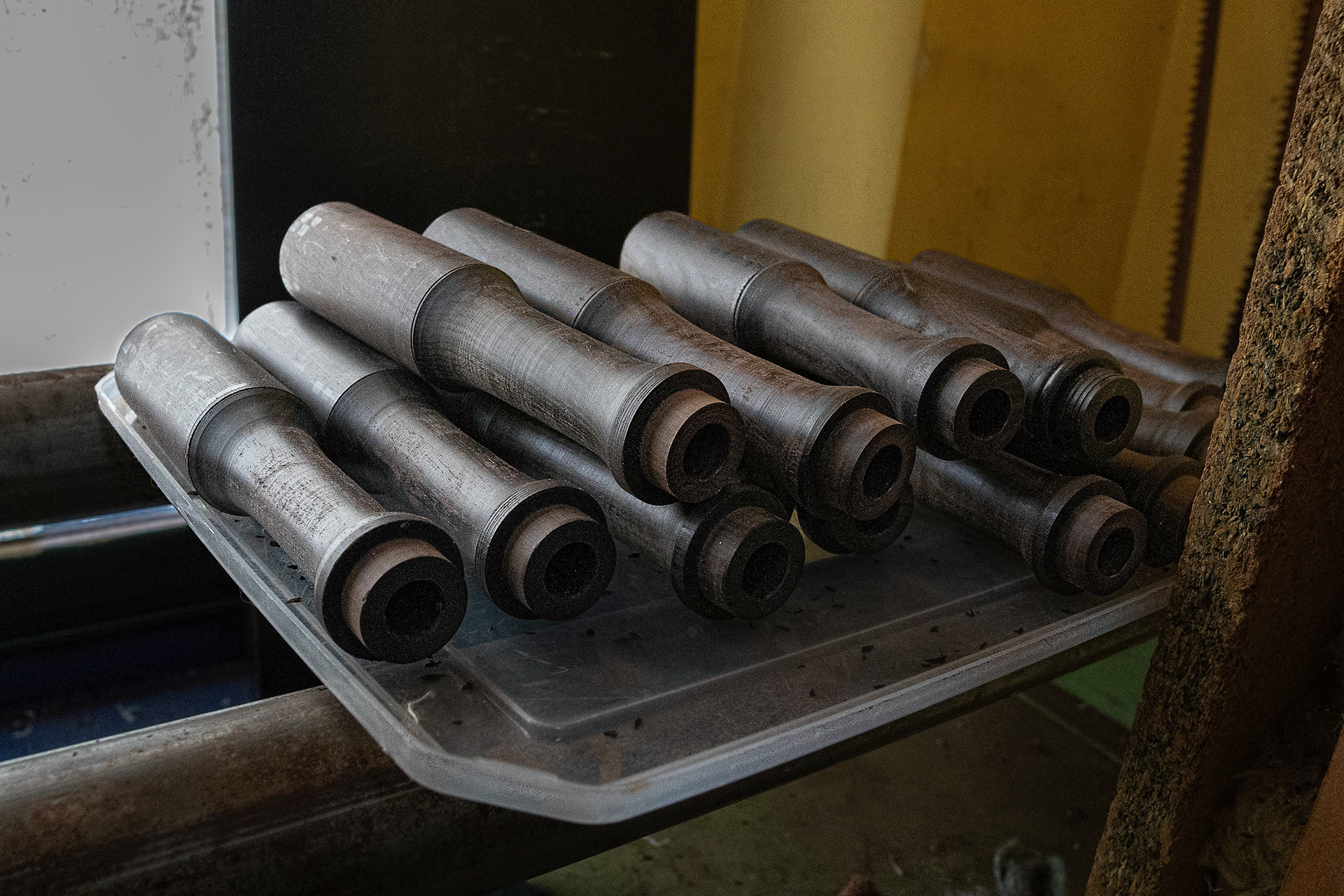
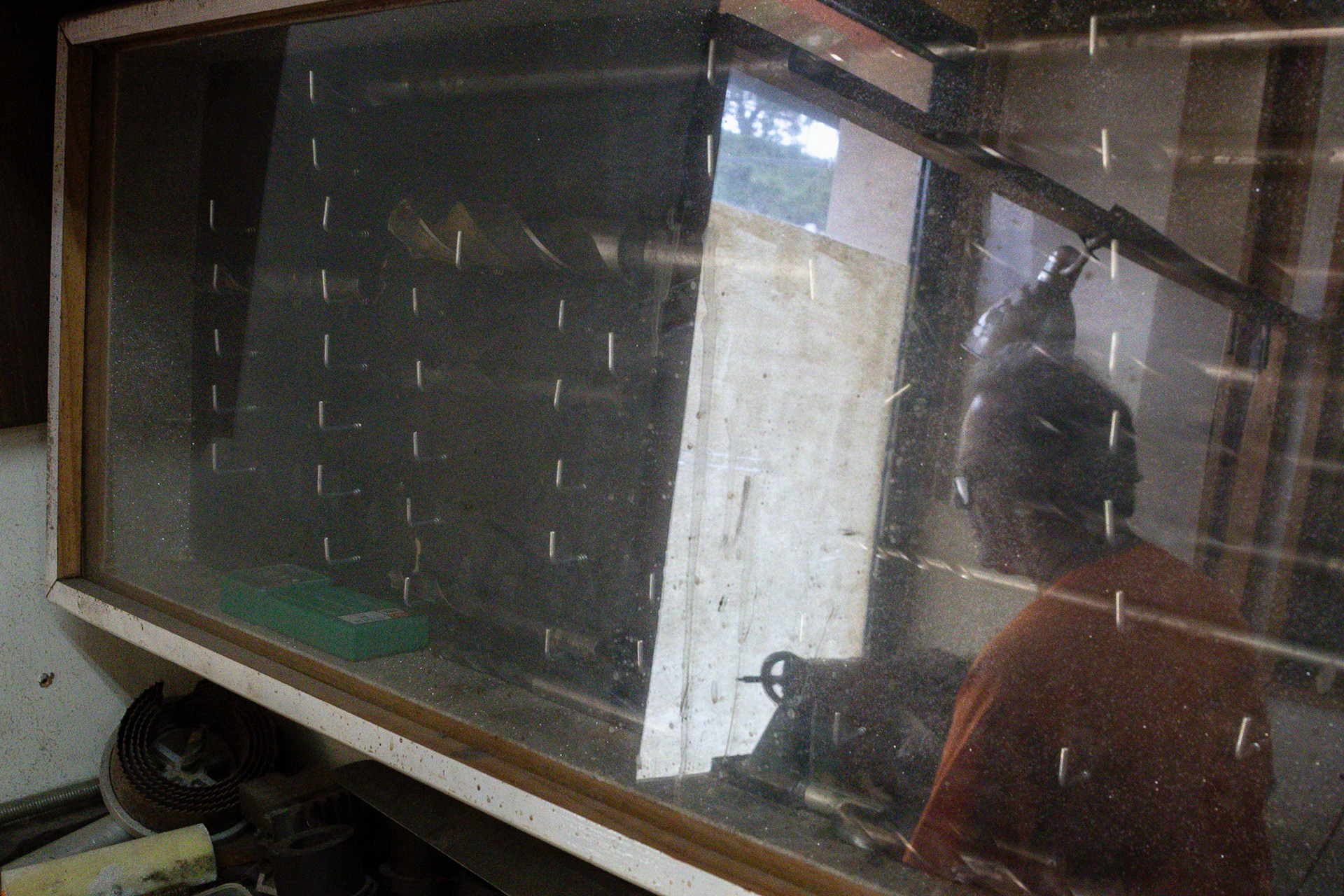
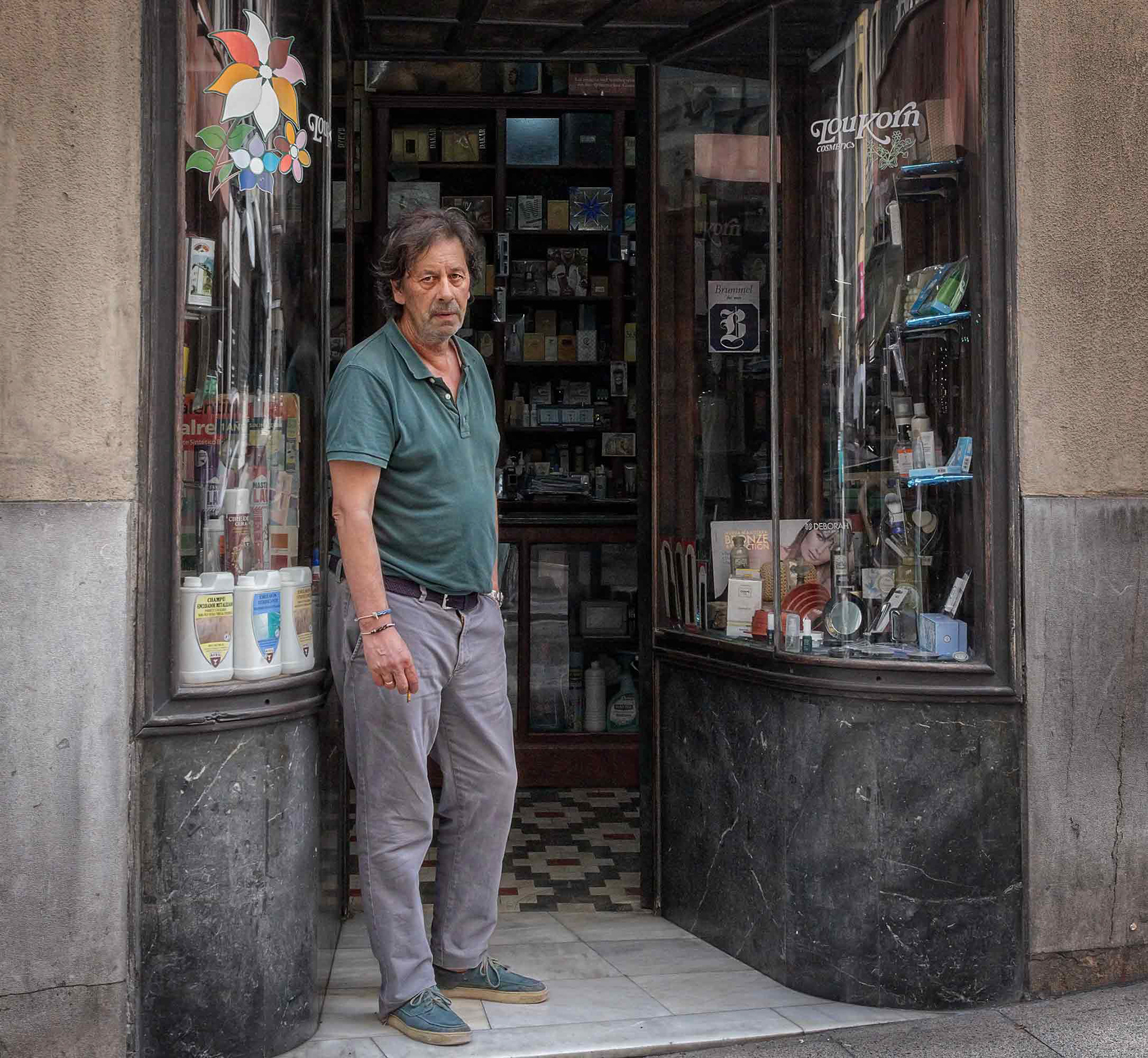
Toni, droguero
La droguería Syria abrió sus puertas hace 70 años. Toni heredó el negocio de su padre, quien lo asumió en 1995 tras trabajar en una fábrica de pinturas "Porque antes en las droguerías se elaboraban y vendían pinturas" me cuenta.
La tienda sobrevive gracias a la calidad y variedad de sus productos como la cera para parqué, limpiametales o arcilla. Aún conserva una fiel clientela y recuerda como antaño sus mejores clientas eran las prostitutas de la zona que "adquirían aquí los maquillajes y perfumes que usaban".
Advierte que el pequeño comercio está en riesgo: "Si no se hace nada, va a desaparecer"
📍 Calle Covadonga 19
Toni, grocer and apothecary
The Droguería Syria opened its doors 70 years ago. Toni inherited the business from his father, who took over in 1995 after working in a paint factory. “Back then, drugstores used to make and sell paints,” he explains.
The shop survives thanks to the quality and variety of its products, including parquet wax, metal cleaners, and clay. It still has a loyal clientele, and Toni recalls how, in the past, some of his best customers were local sex workers who “came here for the makeup and perfumes they used.”
He warns that small businesses like this are at risk: “If nothing is done, it will disappear.”
Oviedo
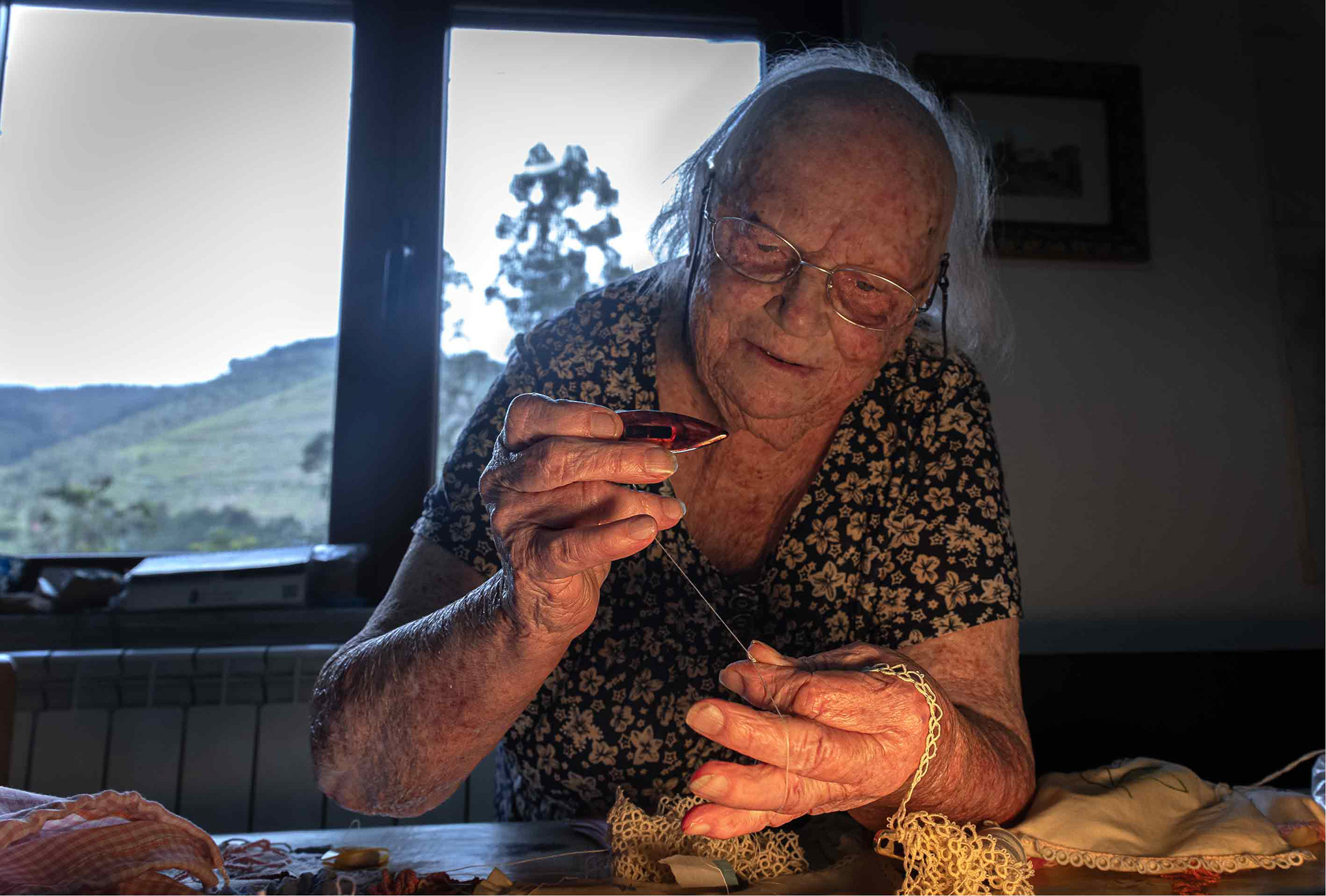
Maruja, 96 años. Artesana del frivolité
El 22 de Julio de 1930 nace Maruja, en el seno de una humilde familia. Queda huérfana de padre y madre con tan sólo 3 años, y tanto ella como sus hermanos son llevados a un orfanato. No tardarán en separarlos. Ella a un horfanato de chicas, ellos con los chicos. Allí las monjas le enseñarán "labores domésticas" entre ellas el Frivolité.
Huérfana y marcada por la guerra, encontró en esta técnica un refugio y una forma de expresar su creatividad.
El frivolité o encaje de lanzadera, tiene su origen en el Siglo XIII cuando Marco Polo trae de oriente la técnica del Makuk que evolucionó, usando hilos más finos, hasta convertirse en el encaje que conocemos a día de hoy.
Maruja, es la artesana viva más antigua de esta tradición, y aún hoy, con una paciencia infinita y una asombrosa destreza, crea intrincados diseños utilizando una simple lanzadera (cuellos, broches, tapetes, pendientes... ).
Sus obras son un testimonio de la unión entre historia y artesanía.
El 22 de Julio de 1930 nace Maruja, en el seno de una humilde familia. Queda huérfana de padre y madre con tan sólo 3 años, y tanto ella como sus hermanos son llevados a un orfanato. No tardarán en separarlos. Ella a un horfanato de chicas, ellos con los chicos. Allí las monjas le enseñarán "labores domésticas" entre ellas el Frivolité.
Huérfana y marcada por la guerra, encontró en esta técnica un refugio y una forma de expresar su creatividad.
El frivolité o encaje de lanzadera, tiene su origen en el Siglo XIII cuando Marco Polo trae de oriente la técnica del Makuk que evolucionó, usando hilos más finos, hasta convertirse en el encaje que conocemos a día de hoy.
Maruja, es la artesana viva más antigua de esta tradición, y aún hoy, con una paciencia infinita y una asombrosa destreza, crea intrincados diseños utilizando una simple lanzadera (cuellos, broches, tapetes, pendientes... ).
Sus obras son un testimonio de la unión entre historia y artesanía.
📍 San Martín de Luiña.
Maruja, 96 years old, frivolité artisan
Born on July 22, 1930, Maruja entered the world in a humble family. She became an orphan at just three years old, and both she and her siblings were sent to an orphanage, where they were soon separated—she to a girls’ orphanage, they to the boys’ side. There, the nuns taught her “domestic skills,” including frivolité.
Orphaned and shaped by the war, she found in this technique a refuge and a way to express her creativity.
Frivolité, or shuttle lace, originated in the 13th century when Marco Polo brought the Makuk technique from the East. Over time, it evolved using finer threads into the lace we know today.
Maruja is the oldest living artisan of this tradition. Even today, with infinite patience and remarkable skill, she creates intricate designs using a simple shuttle—necklines, brooches, doilies, earrings, and more.
Her work stands as a testament to the enduring connection between history and craftsmanship.
Cudillero
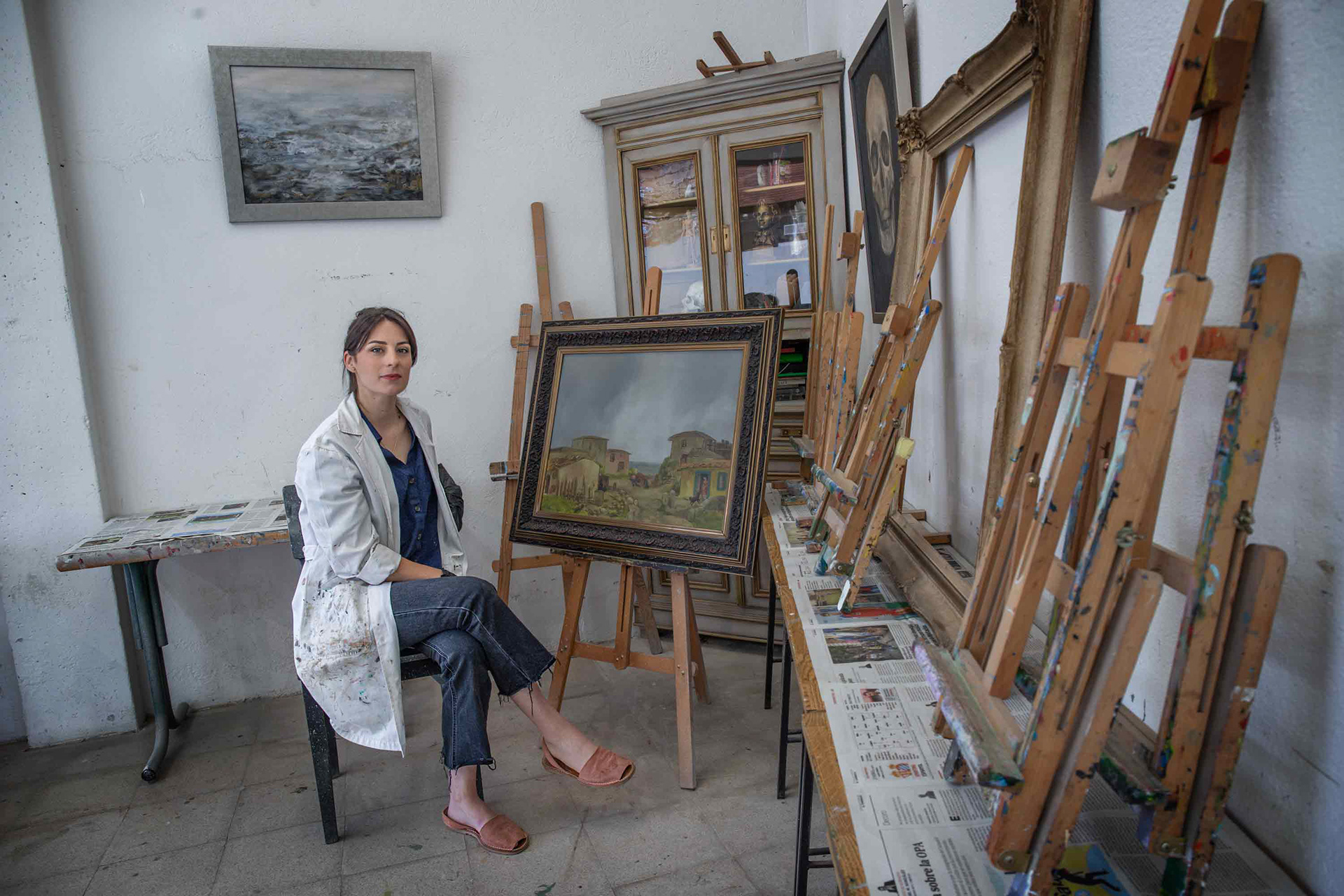
Laura, restauradora
Licenciada en conservación y restauración de bienes culturales, completó su formación en Italia, donde aprendió a tratar las huellas del tiempo con respeto y precisión. Tras un tiempo en el extranjero, regresó a su tierra natal en donde es una de las más valoradas restauradoras de la región.
Trabaja para museos como el Evaristo Valle, donde varias de las obras del autor han vuelto a brillar gracias a su intervención. Su técnica es casi alquímica: observa la obra bajo la luz ultravioleta hasta descubrir todas las capas de barniz oxidado que limpiará con la mezcla justa de disolventes y paciencia.
También es formadora en restauración y pintura en donde ayuda a dar una nueva vida a cuadros y muebles olvidados.
📍 Taller Arcadia
Laura, restorer
Graduated in the conservation and restoration of cultural heritage, Laura completed her training in Italy, where she learned to treat the traces of time with respect and precision. After some time abroad, she returned to her homeland, where she is now one of the most valued restorers in the region.
She works for museums such as the Evaristo Valle Museum, where several of the artist’s works have regained their original brilliance thanks to her interventions. Her technique is almost alchemical: she examines each piece under ultraviolet light to uncover layers of oxidized varnish, which she carefully removes using a precise blend of solvents and patience.
Laura also teaches restoration and painting, helping to bring new life to forgotten paintings and furniture.
Gijón
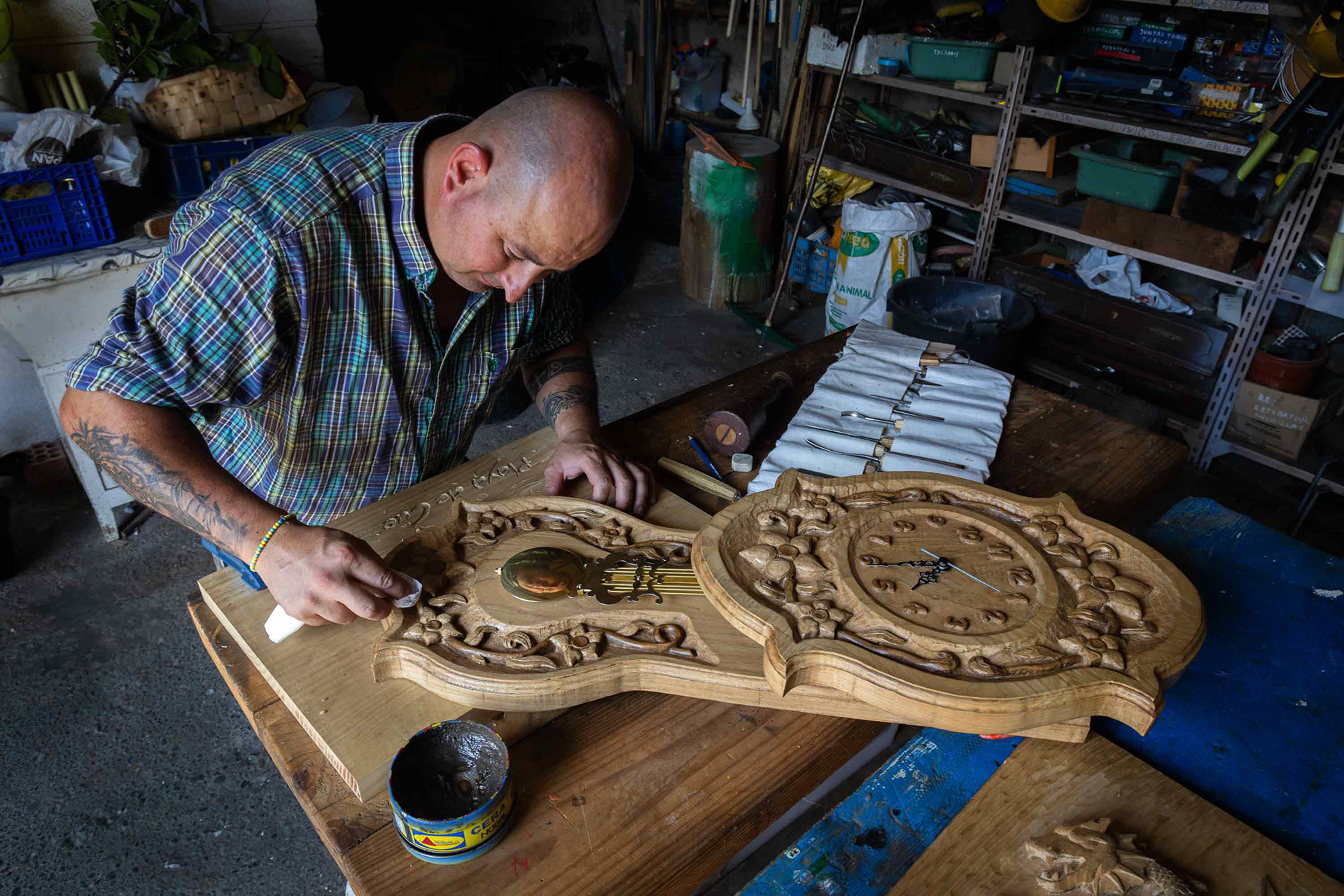
Humberto, ebanista
Humberto comenzó a trabajar la madera cuando era niño. Con apenas ocho años, utilizaba una navaja para aprovechar restos del taller de su padre y hacer pequeñas piezas.
Años después, un infarto marcó un cambio en su vida. Su primera obra tras ese episodio fue un corazón con el escudo del Real Madrid, que regaló a un compañero de hospital. Desde entonces, la madera se convirtió para él en una forma de ocupar el tiempo y canalizar emociones.
Sus trabajos han ido creciendo en complejidad. Ha hecho relojes de pared, figuras en relieve y un hórreo construido con madera de la habitación de sus padres y decorado con 2.200 tejas, en recuerdo de sus raíces.
Ahora intenta transmitir este oficio a su hijo, que con ocho años ya empieza a hacer sus primeras piezas, como lapiceros y pequeños juguetes. Para Humberto, la ebanistería es más que una afición: es una manera de desconectar y mantener vivo un oficio artesanal.
📍 Busto
Humberto, cabinetmaker
Humberto began working with wood as a child. At just eight years old, he used a pocketknife to make small pieces from scraps in his father’s workshop.
Years later, a heart attack marked a turning point in his life. His first work after the episode was a heart engraved with the Real Madrid crest, which he gifted to a hospital companion. Since then, woodworking has become a way for him to occupy his time and channel his emotions.
His creations have grown increasingly complex over time. He has crafted wall clocks, relief figures, and even a granary made from wood from his parents’ room and decorated with 2,200 tiles, in homage to his roots.
Now, he seeks to pass the craft to his son, who at eight years old is already making his first pieces, such as pencils and small toys. For Humberto, cabinetmaking is more than a hobby: it is a way to disconnect and keep an artisanal craft alive.
📍 Valdés
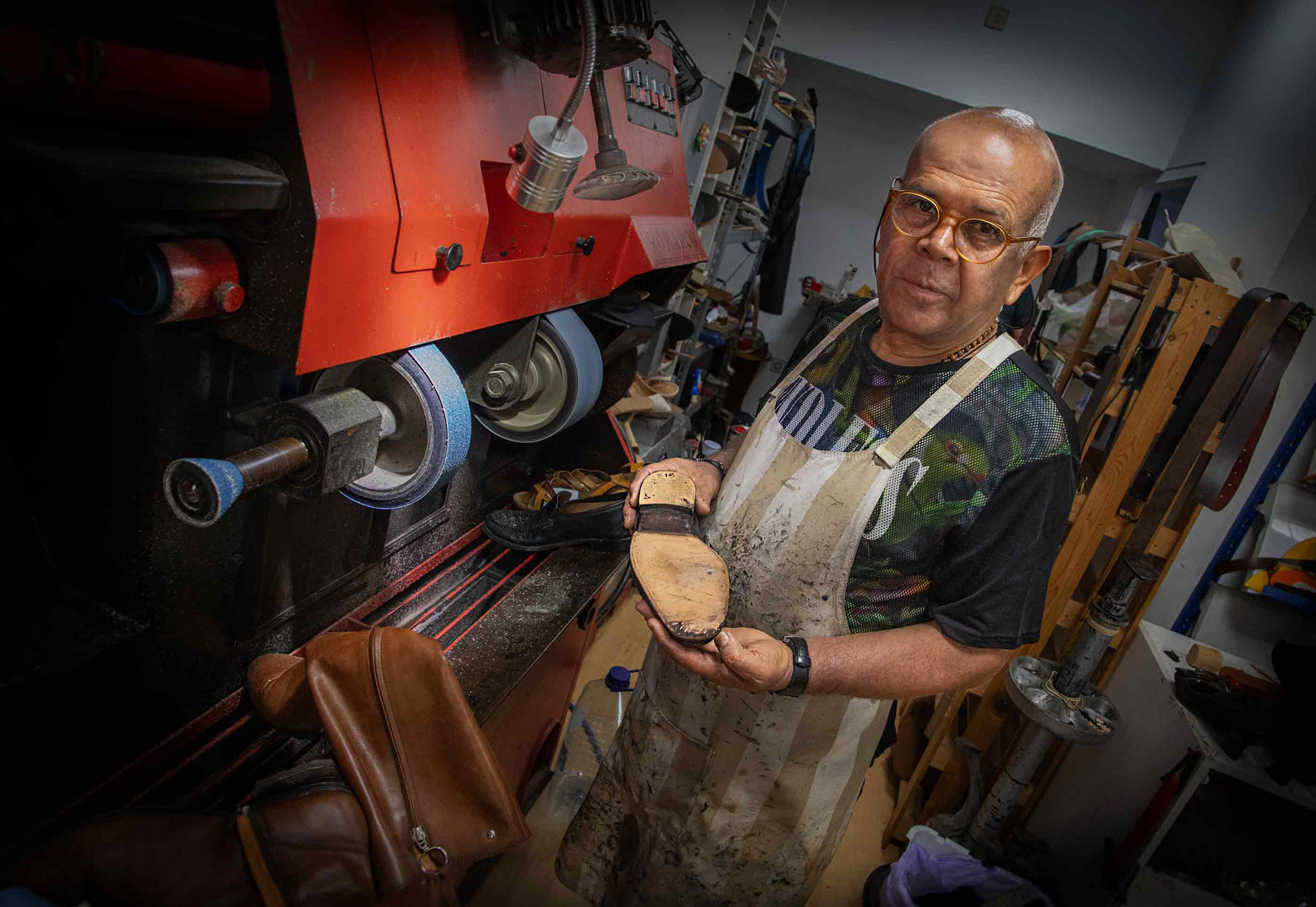
Germán, zapatero
Nacido en Colombia, regentó una fábrica de zapatos en la que él y sus 5 empleados elaboraban calzado artesano. Tras la crisis del 2008 se mudó a España donde montó su zapatería. "Aprendí mucho elaborando. Ahora nada más que veo el calzado a sé que puedo y qué no puedo hacerle. El tejido y la horma dicen mucho de la calidad de la pieza" afirma.
"Cada vez se repara menos. El calzado que se compra ahora es muy barato y no compensa repararlo, vale más tirarlo y comprar otro".
El auge de los artículos a buen precio y mala calidad están terminando con negocios como el suyo. Cada vez cuesta más ver una zapatería artesanal en la ciudad.
📍 Zapatería Arteza
Germán, shoemaker
Born in Colombia, Germán ran a shoe factory where he and five employees crafted artisanal footwear. After the 2008 crisis, he moved to Spain and opened his own shoemaking shop. “I learned a lot by making shoes. Now, just by looking at a pair, I can tell what I can and cannot do. The fabric and the last speak volumes about the quality of the piece,” he says.
“Repairs are becoming rare. Shoes today are so cheap that it’s not worth fixing them; it’s cheaper to throw them away and buy a new pair.”
The rise of inexpensive, low-quality products is putting businesses like his at risk. Artisanal shoemaking is becoming increasingly rare in the city.
Lugones
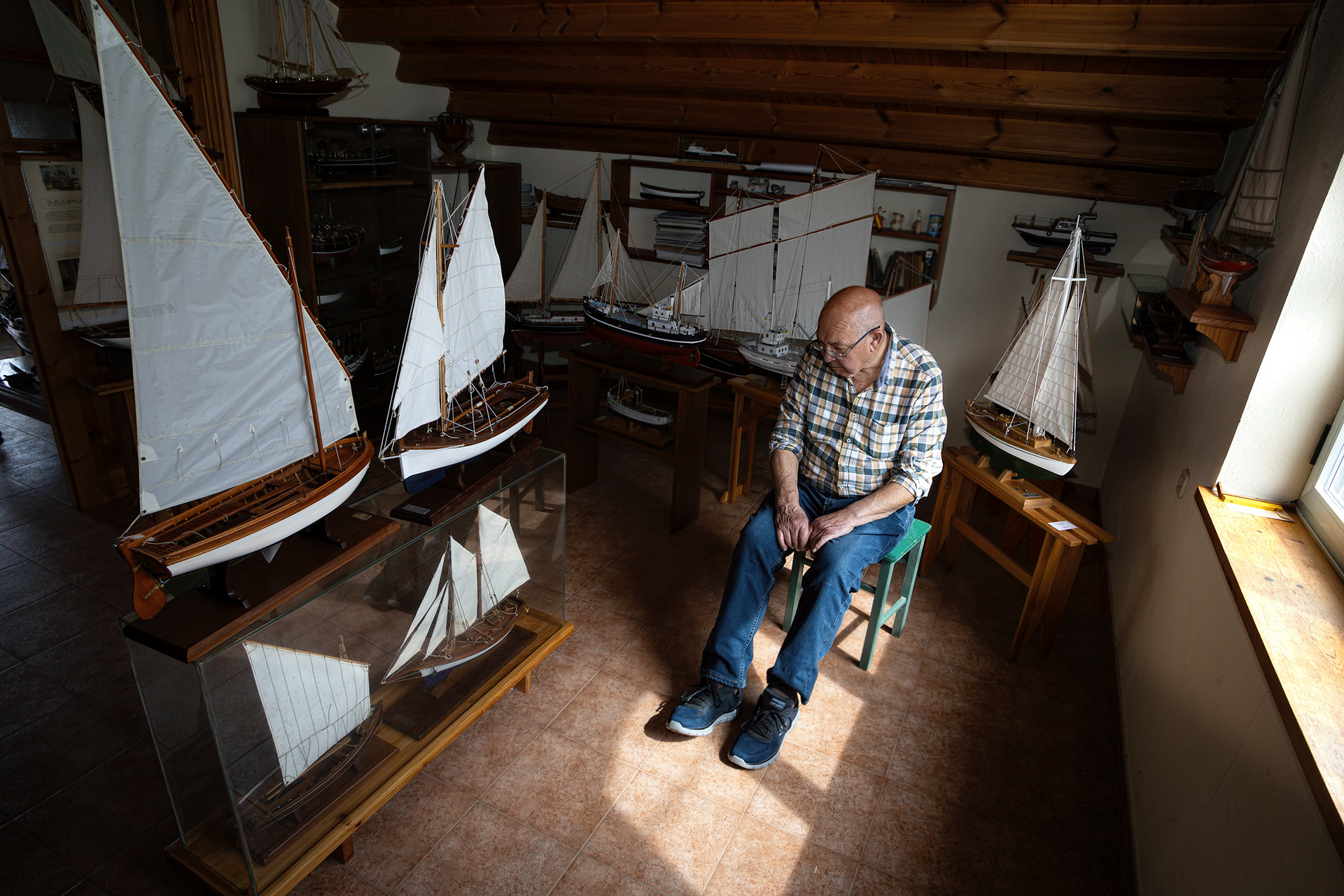
Pepe Pacho, maquetista naval
Elaboró barcos a mano en su astillero de Castropol durante toda su vida, a la par que construía las maquetas que se usarían como base para la construcción de los botes.
Ahora ya jubilado atesora decenas de maquetas que exhibe con orgullo a visitantes y curiosos.
A sus 87 años, aún sigue elaborando.
📍Piñera
Pepe Pacho, naval model maker
Pepe Pacho built boats by hand in his Castropol shipyard throughout his life, while also crafting the models used as templates for the construction of the vessels.
Now retired, he treasures dozens of models, proudly showing them to visitors and curious onlookers. At 87 years old, he continues to make them.
Castropol